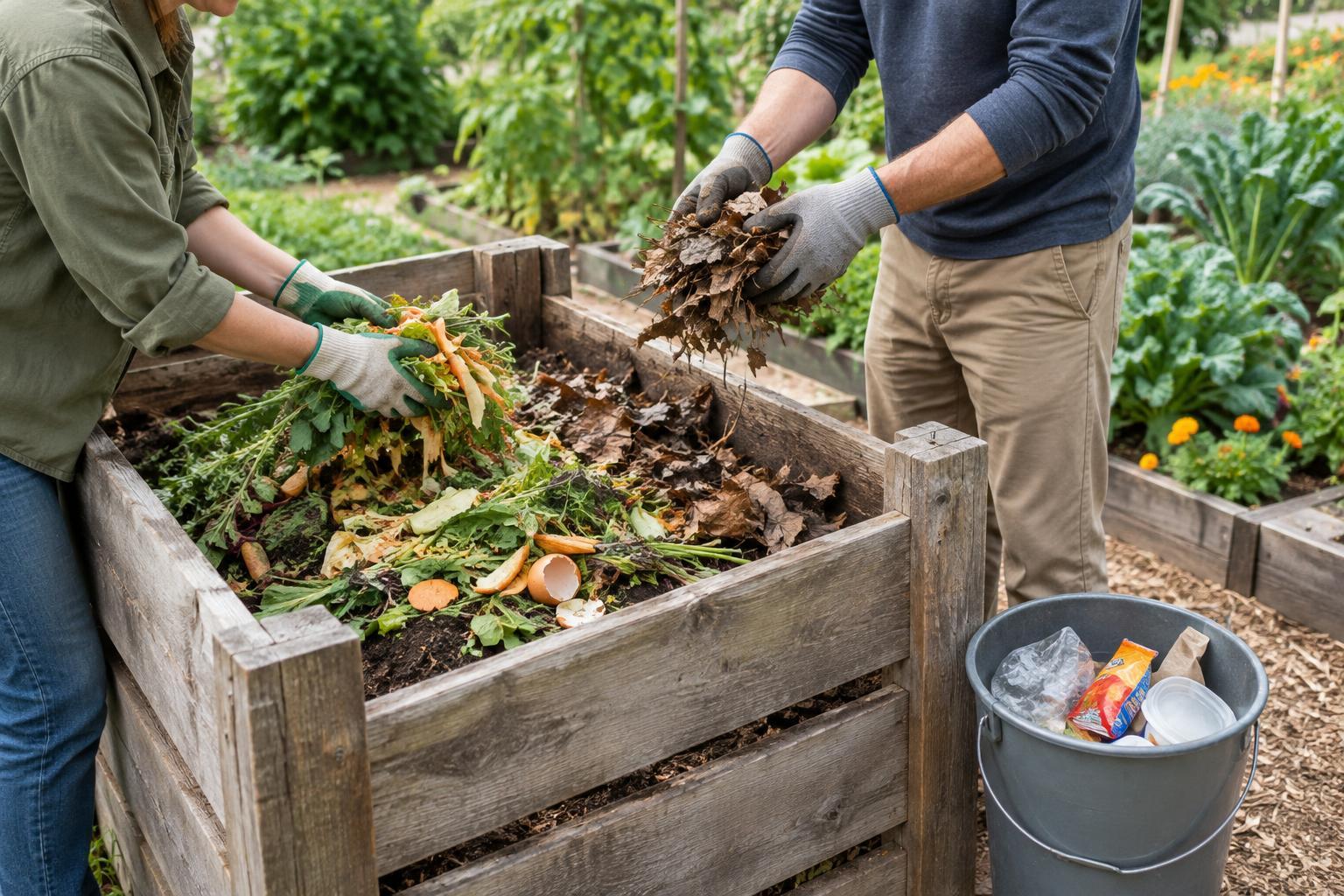
Soil and CompostA shared compost pile works best when everyone knows what belongs in it. Set simple rules, make sorting easy, and agree on what to do when an unfamiliar material appears.
Read article · 4 min↗
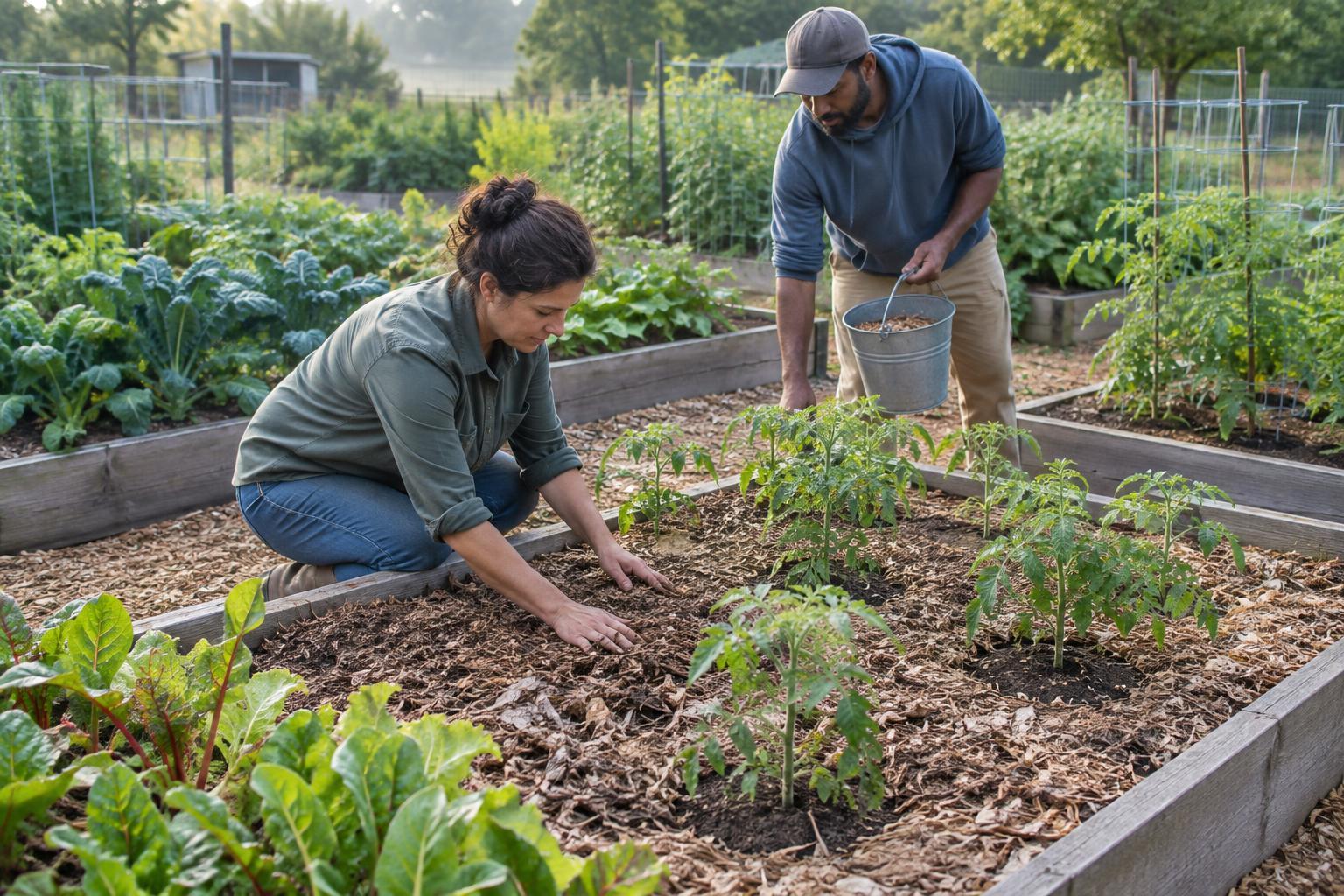
Soil and CompostMulch can help garden soil retain moisture and reduce weeds, but it works best when gardeners agree on what to use and where to put it. Learn how to prepare a bed, leave room around stems, maintain paths, and refresh mulch without piling it too deeply.
Read article · 3 min↗
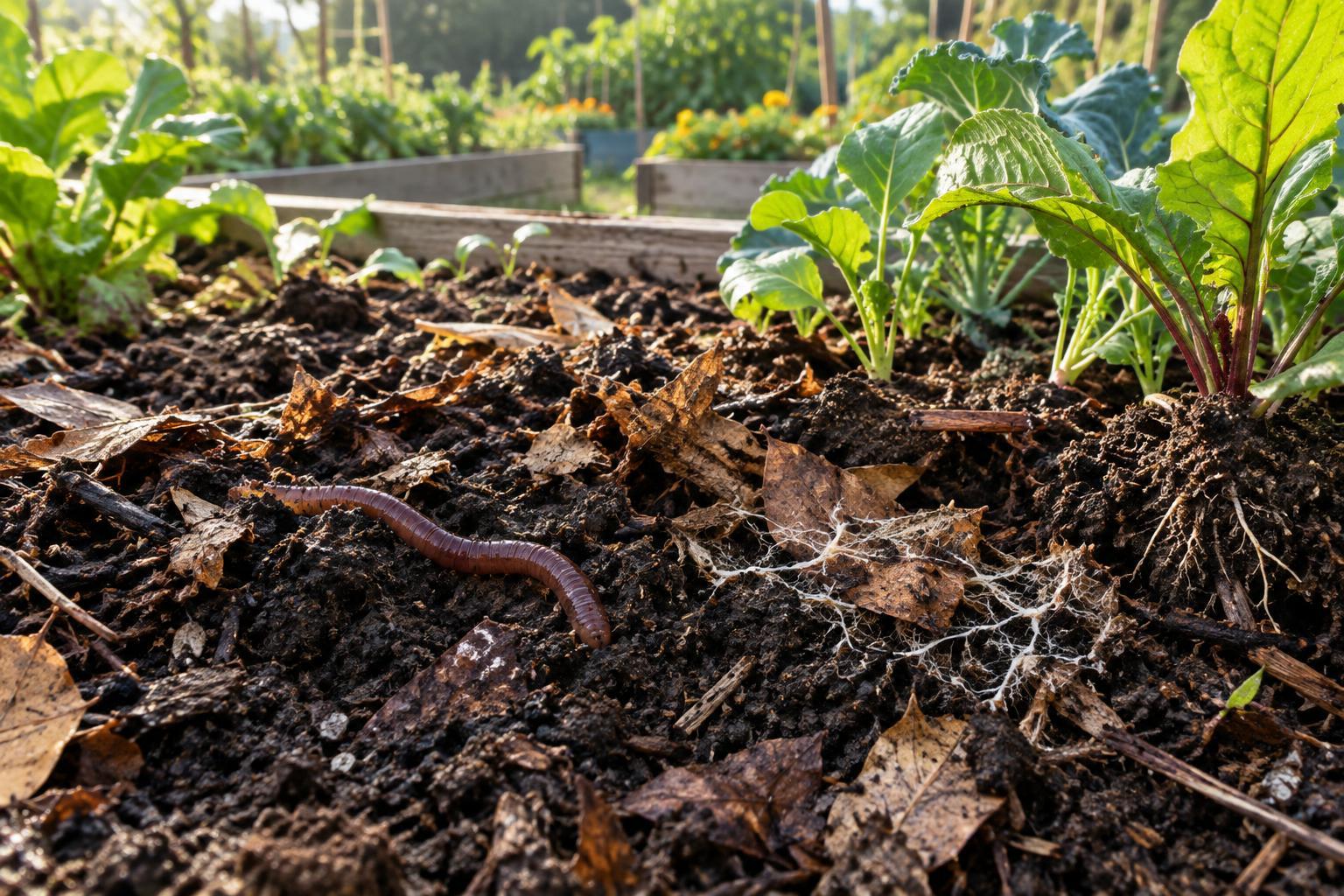
Soil and CompostA garden bed is more than soil and roots. Bacteria, fungi, earthworms and other small organisms help break down organic matter, move nutrients and shape the spaces where roots grow. Learn what they do and how everyday garden choices can support them.
Read article · 4 min↗
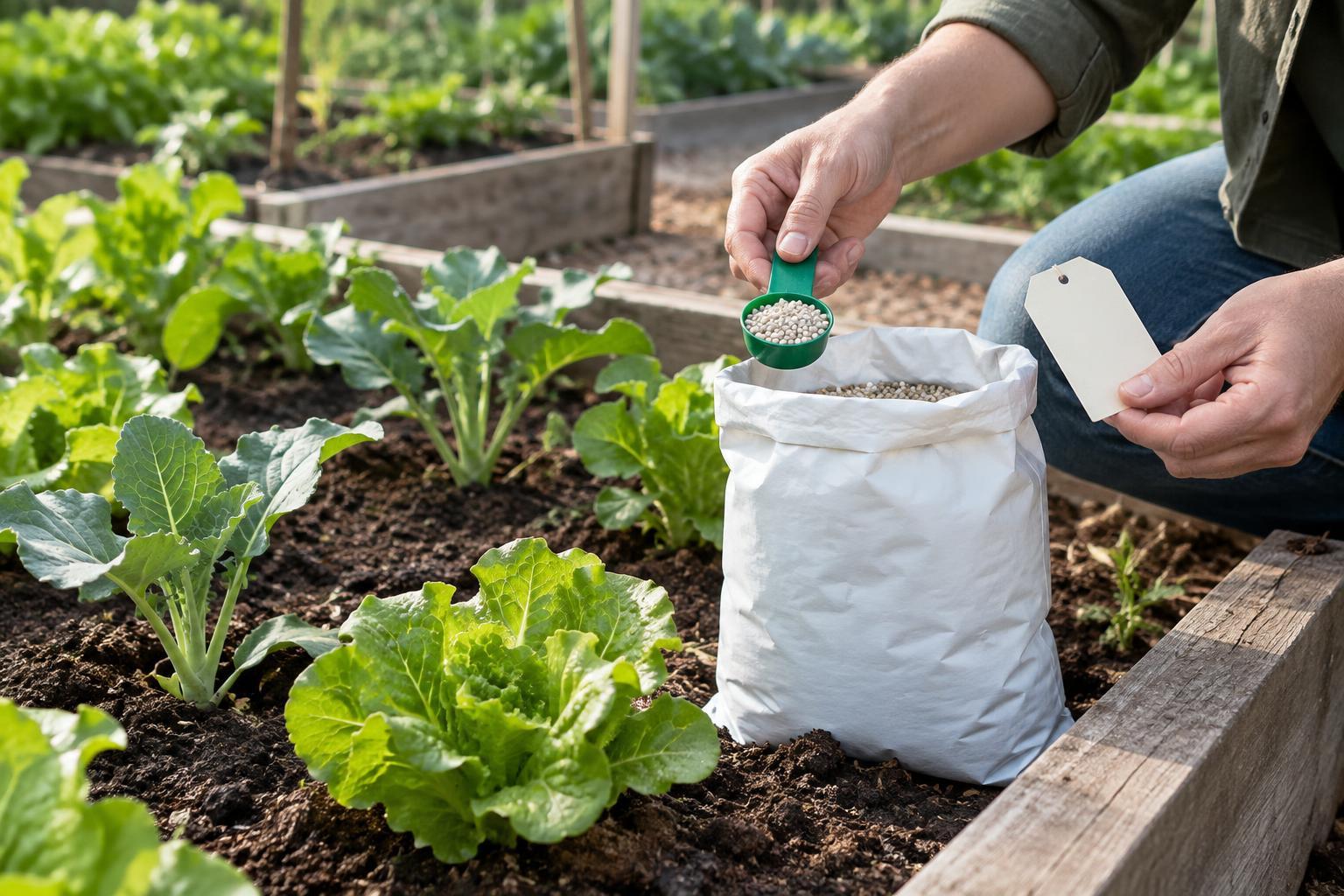
Soil and CompostA fertilizer label can help you choose a product, measure the right amount, and avoid damaging plants. Learn what N-P-K numbers mean, how to follow application rates, and why more fertilizer is not always better.
Read article · 4 min↗
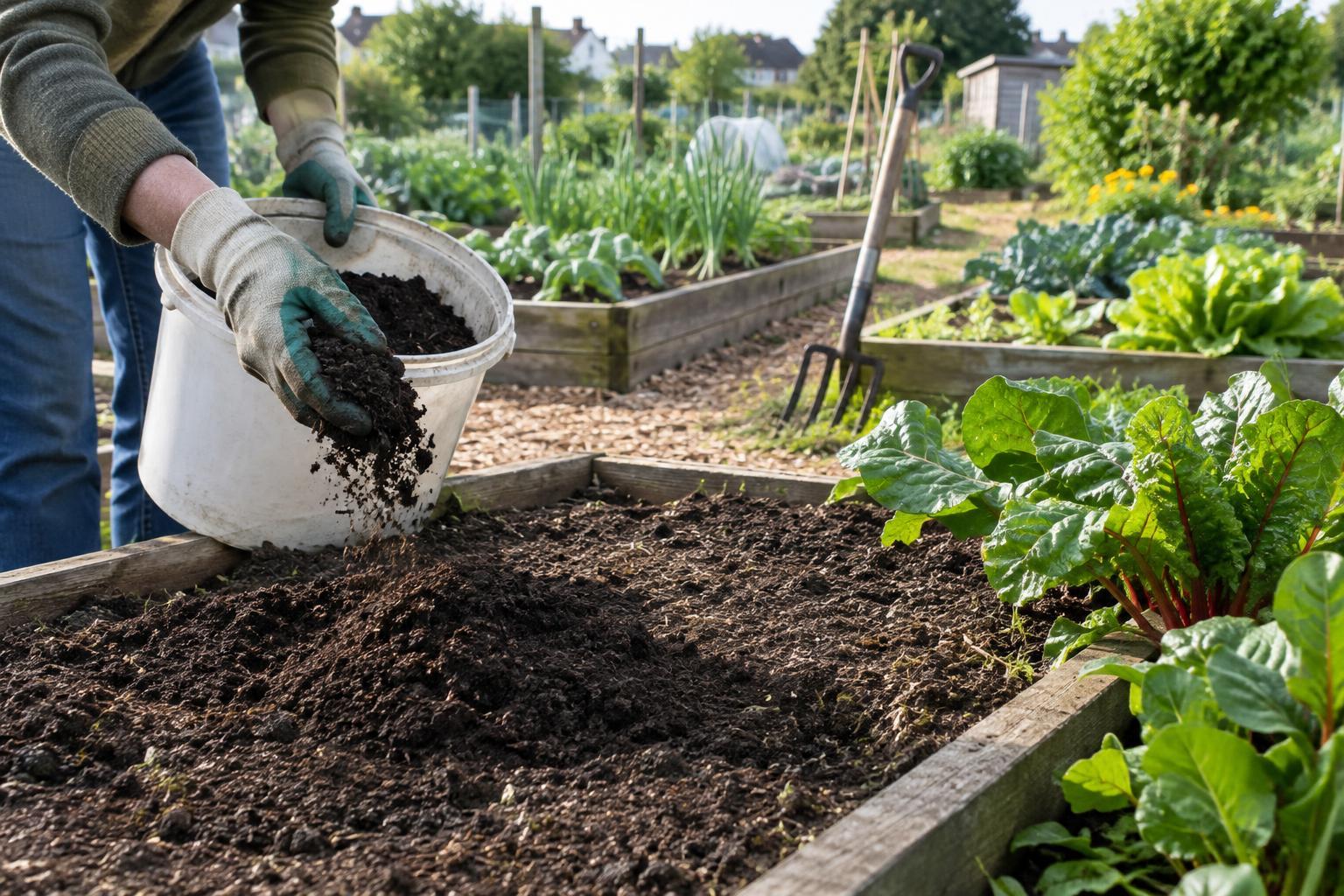
Soil and CompostAnimal manure can improve garden soil, but raw or partly composted manure may carry pathogens that contaminate food crops. Learn how to choose materials, plan application timing, and reduce risk in a shared garden.
Read article · 4 min↗
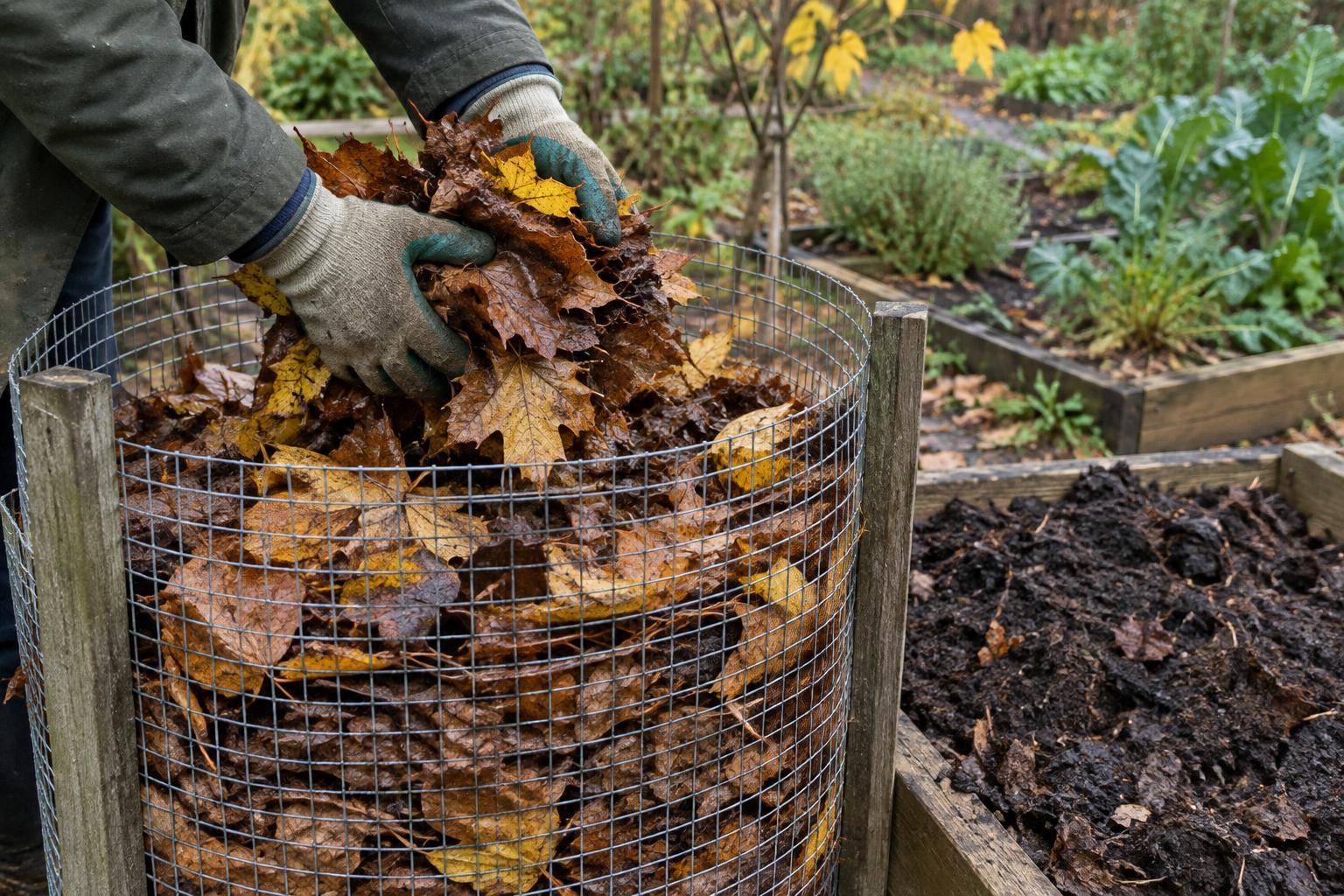
Soil and CompostFallen leaves can become a useful soil amendment with little more than moisture, air and time. Learn how to collect leaves, set up a simple pile or bag, and use the finished material in a shared garden.
Read article · 4 min↗
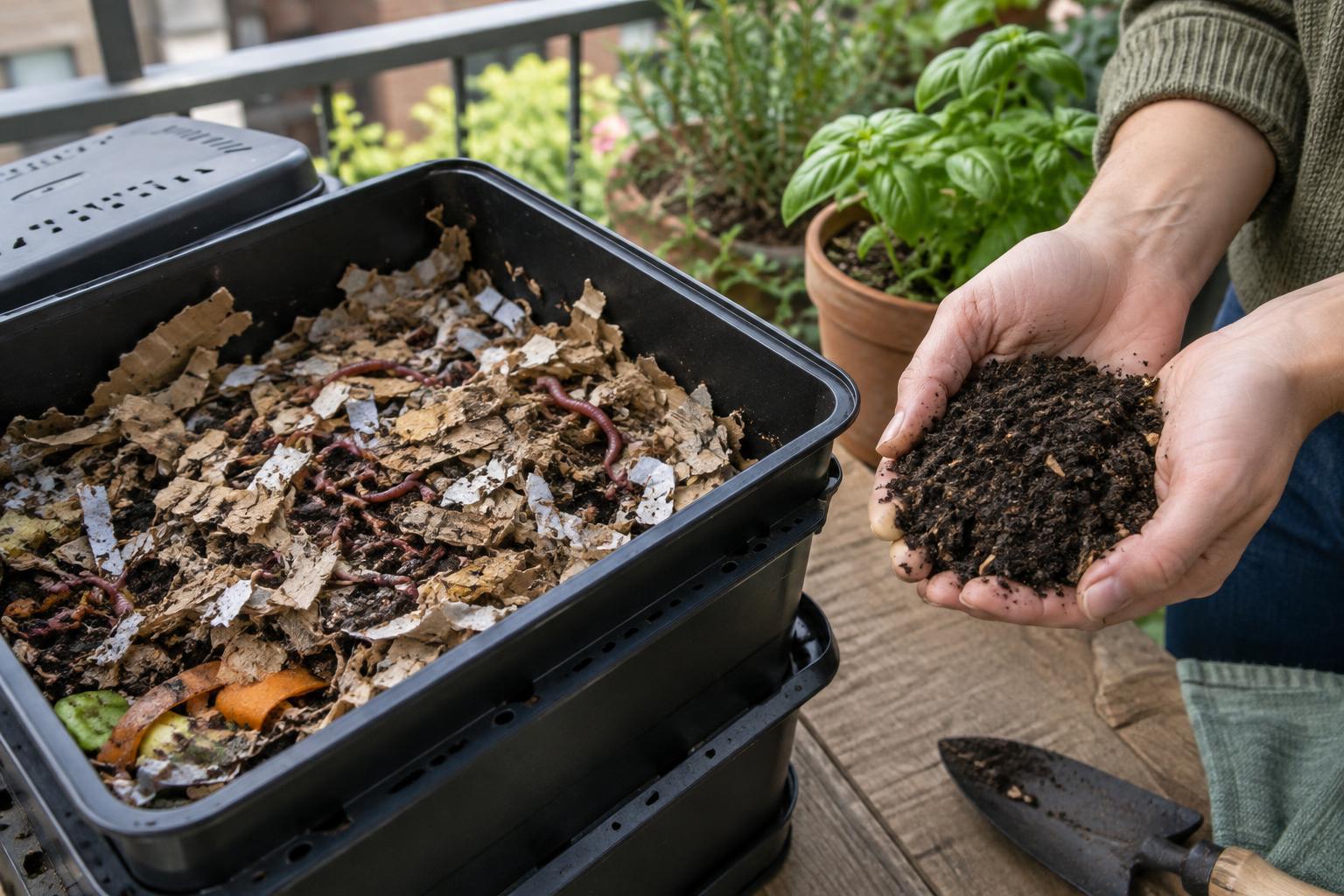
Soil and CompostA worm bin can turn modest amounts of kitchen scraps into a useful soil amendment without taking over a shared garden or small home. Learn how to set up bedding, feed at a manageable pace, troubleshoot common problems, and harvest castings.
Read article · 4 min↗
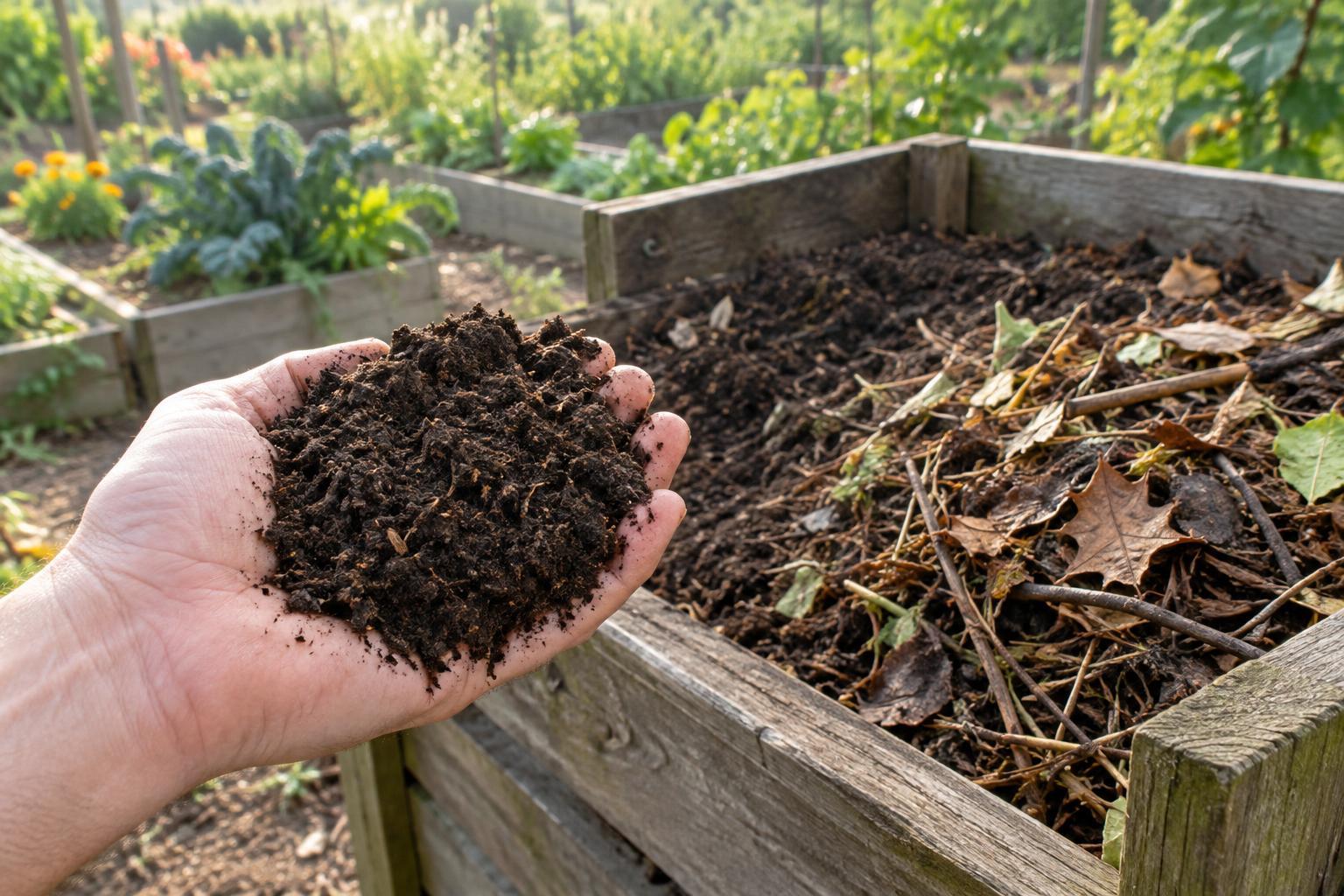
Soil and CompostFinished compost is more than a pile that has stopped steaming. Learn how to check its texture, smell, temperature, and remaining ingredients, plus what to do when a batch needs more time.
Read article · 4 min↗
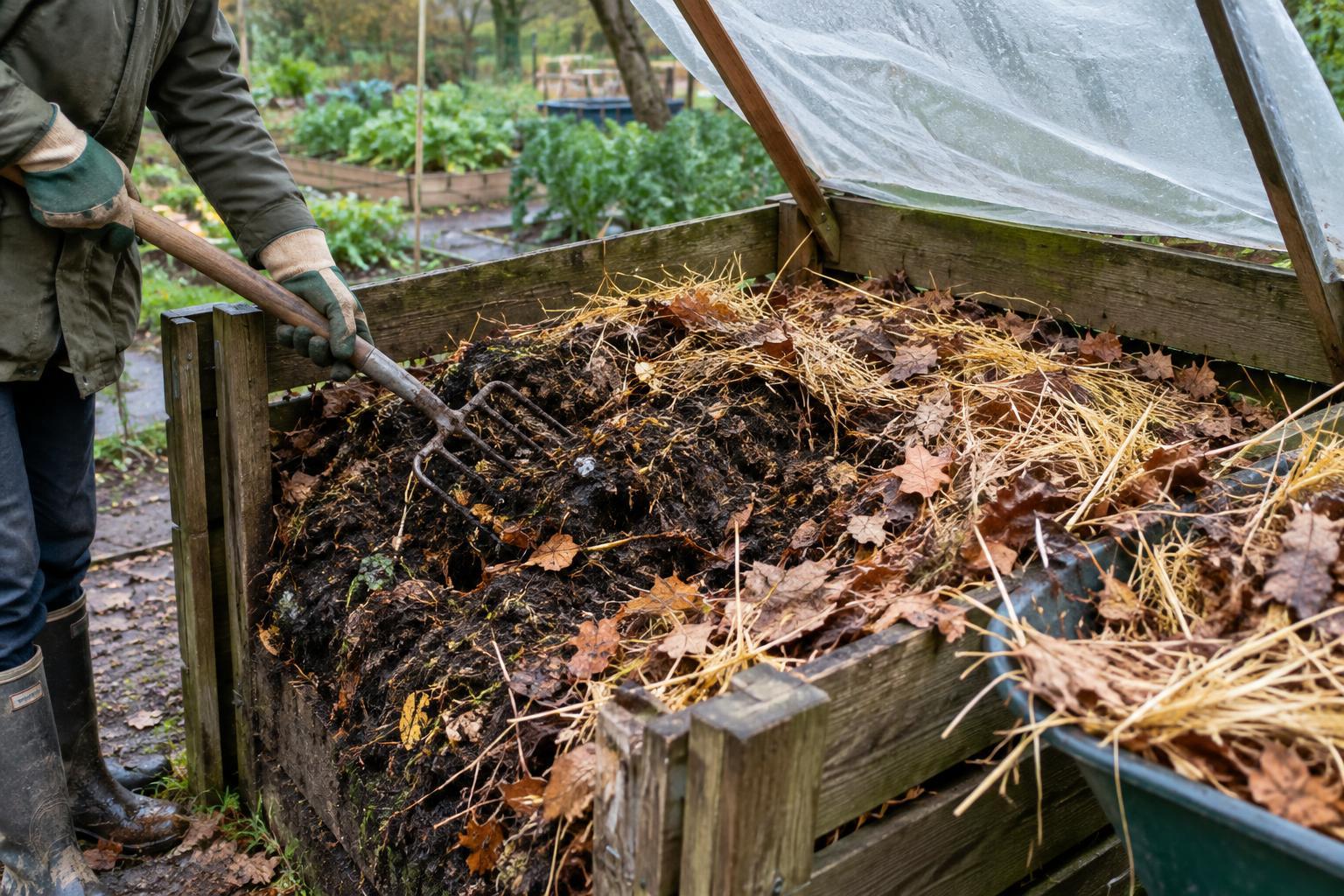
Soil and CompostA compost pile should smell earthy, not sour or rotten. Learn how to identify what is going wrong, restore airflow, add the right dry materials, and prevent the problem from returning in a shared garden.
Read article · 4 min↗
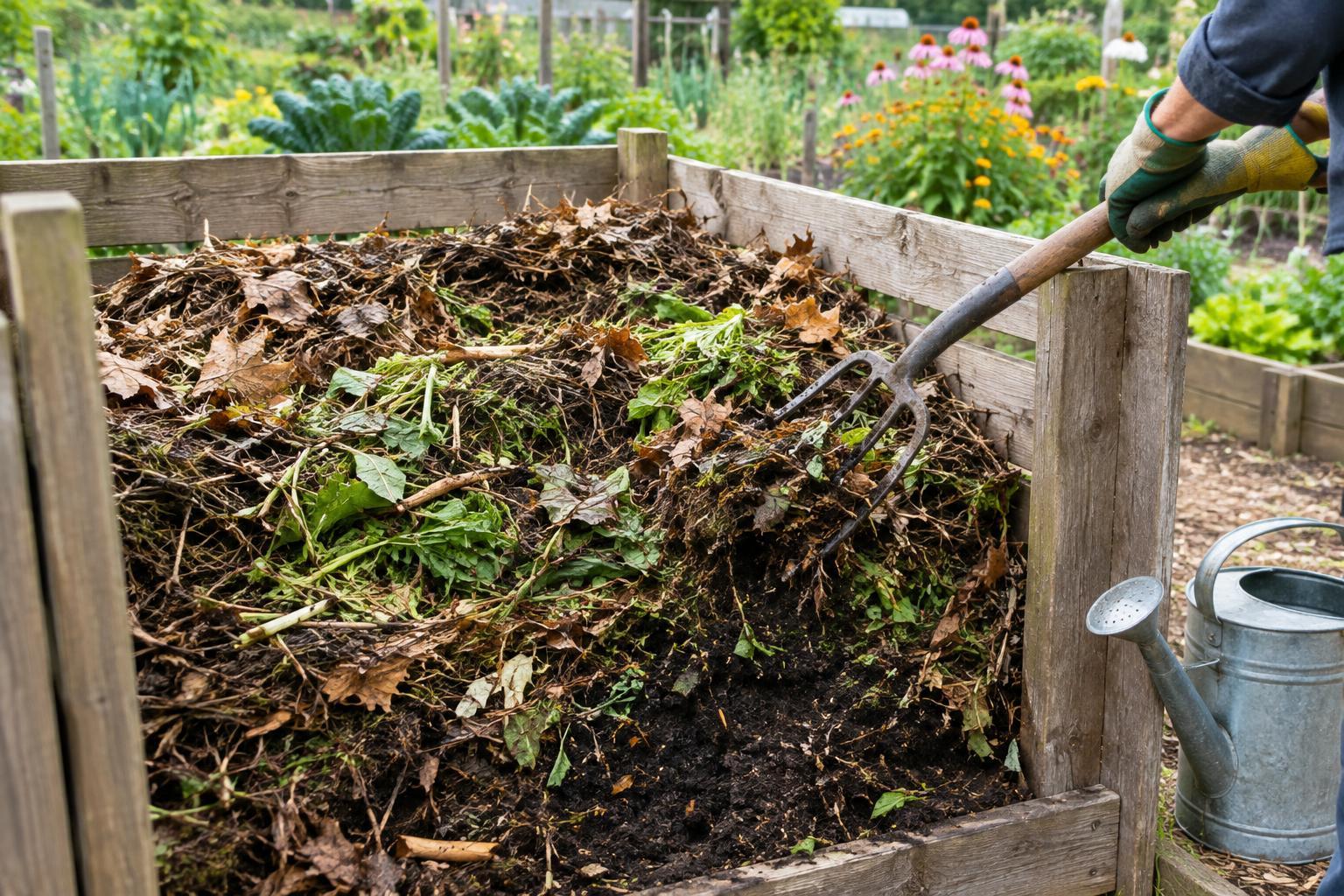
Soil and CompostA compost pile needs more than a heap of garden scraps. Learn how to combine browns and greens, leave room for air, adjust moisture, and troubleshoot a pile in a shared garden.
Read article · 4 min↗
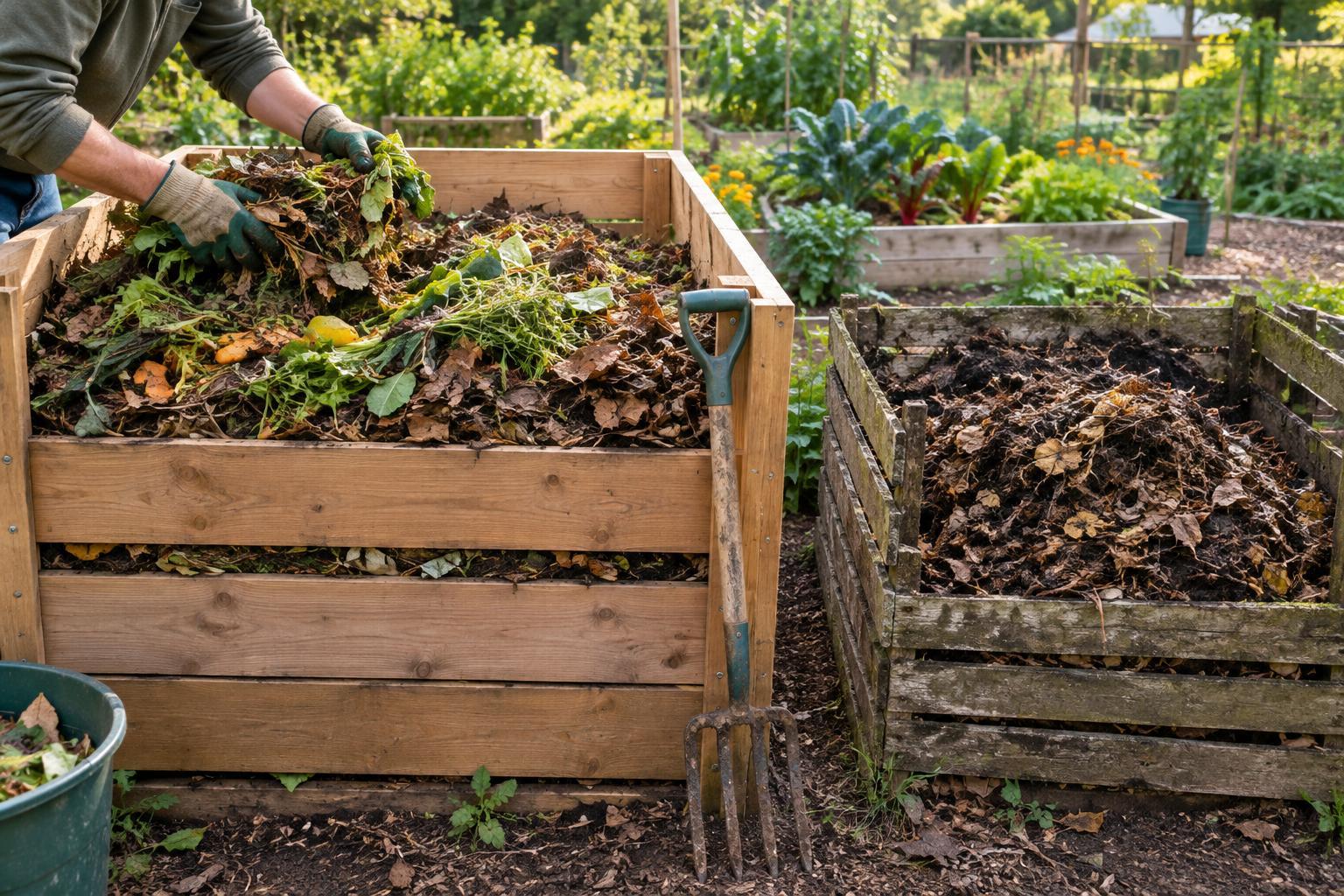
Soil and CompostHot and cold composting turn garden scraps into a useful soil amendment, but they ask for different amounts of time, space, and attention. Compare how each method works and choose a routine your garden can maintain.
Read article · 4 min↗
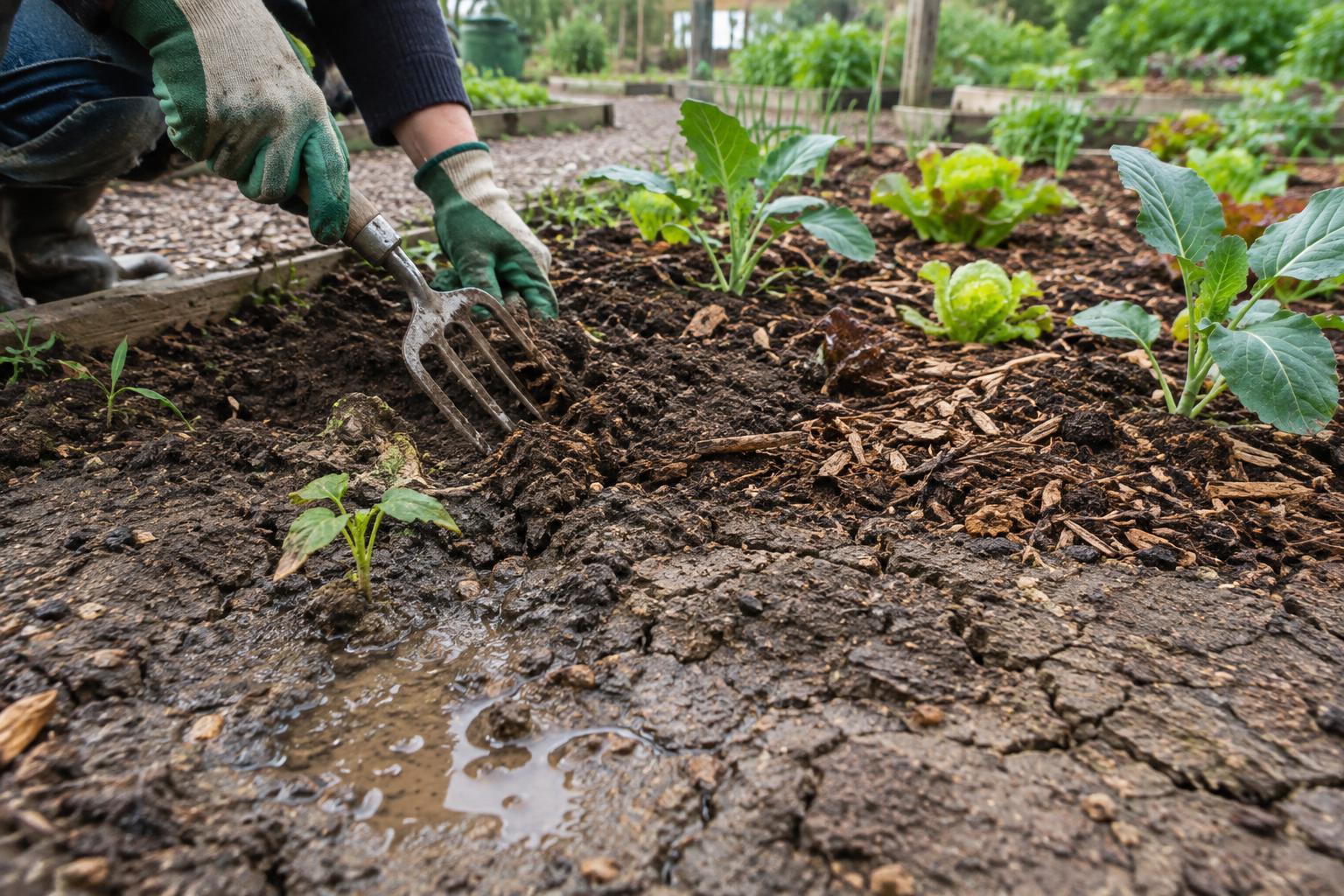
Soil and CompostCompacted soil can make it harder for roots, water and air to move through a garden bed. Learn how to recognize the signs, check whether compaction is the likely cause and improve the soil without creating more damage.
Read article · 4 min↗
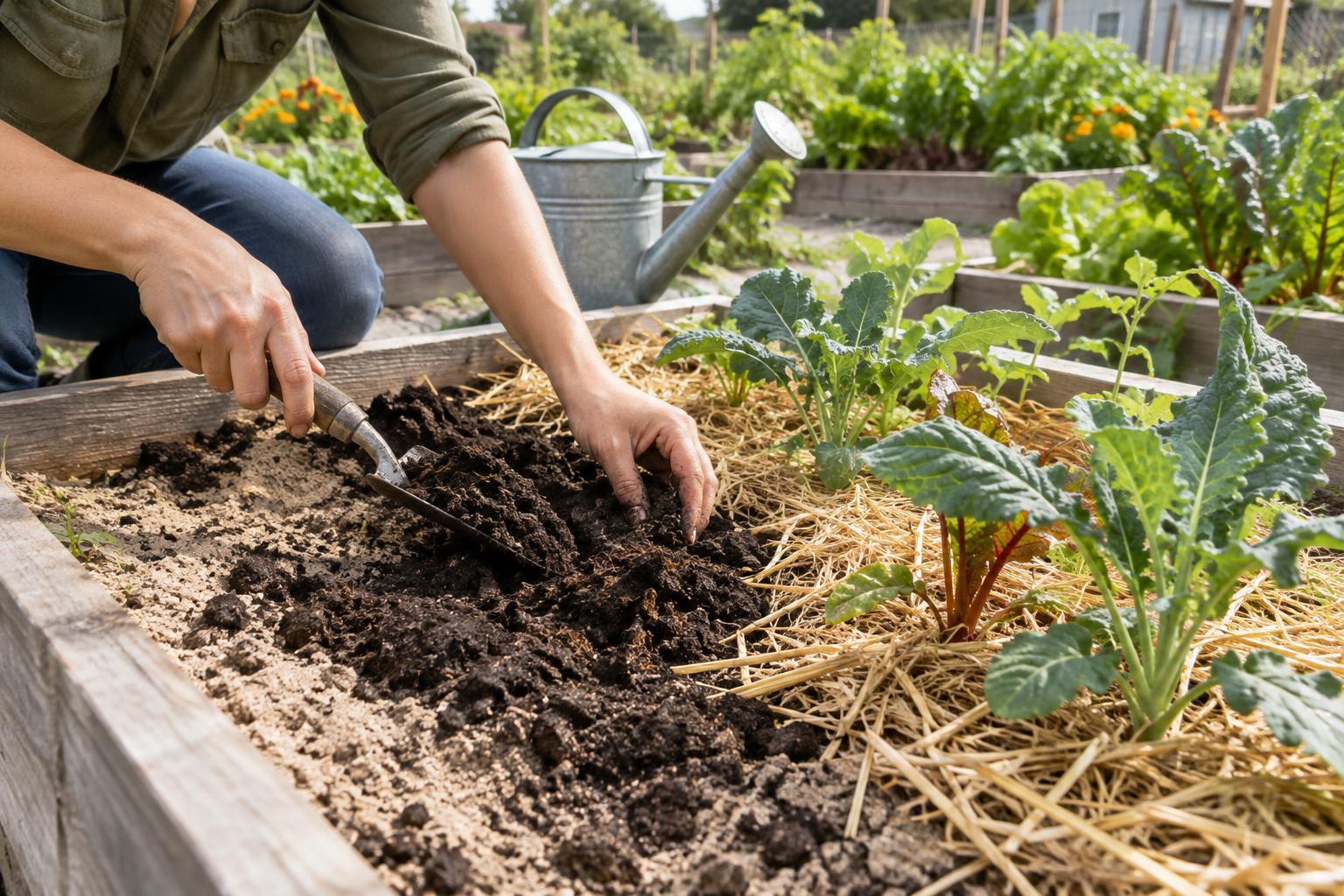
Soil and CompostSandy soil drains quickly and can be easy to work, but it often needs more frequent attention to moisture and fertility. Learn how compost, mulch, steady plant cover and careful watering can make a sandy community garden bed more dependable.
Read article · 4 min↗
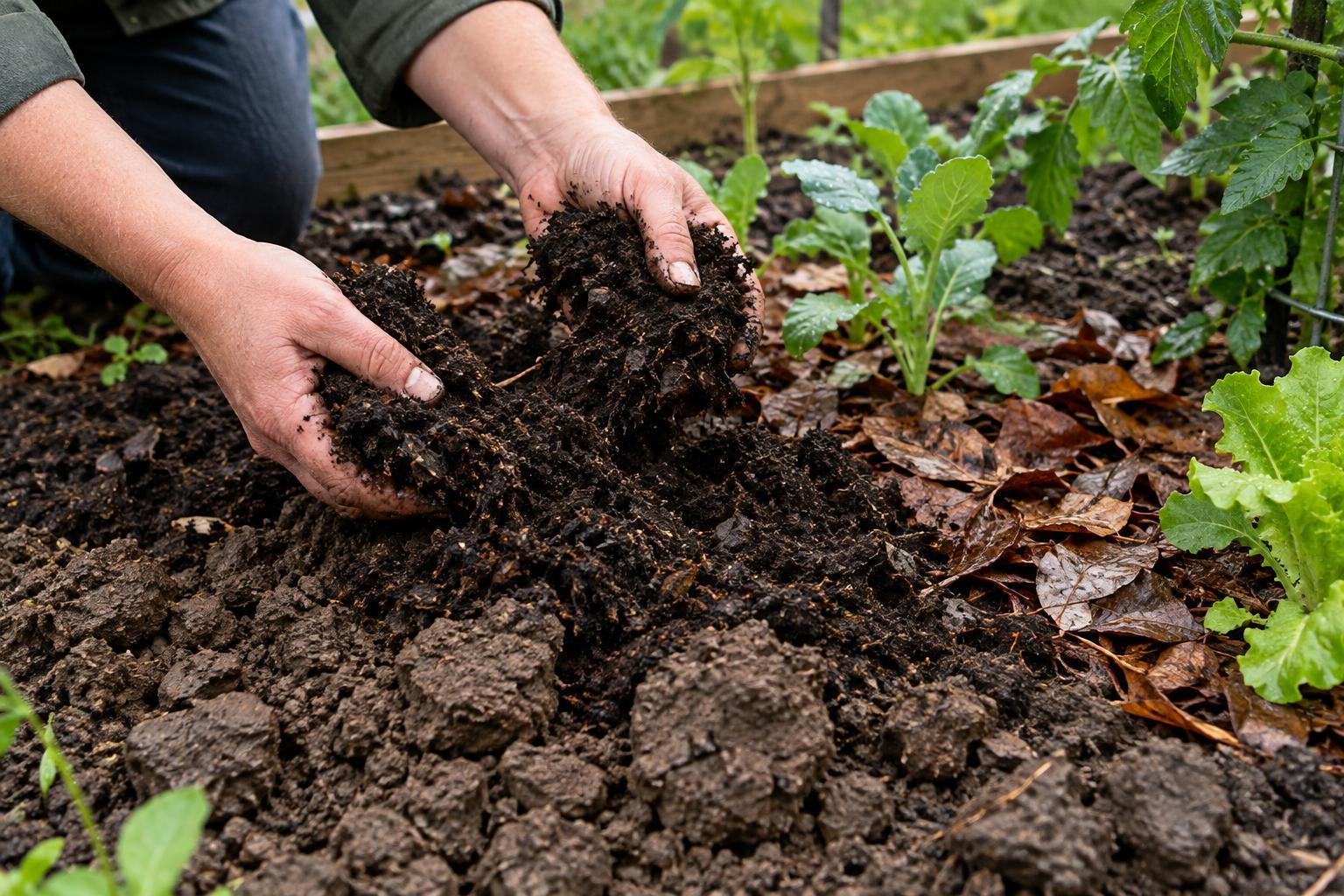
Soil and CompostClay soil can be slow to drain and difficult to work, but it can also hold water and nutrients well. Learn how compost, mulch, careful timing, and thoughtful planting can make heavy soil easier to manage without adding sand.
Read article · 4 min↗
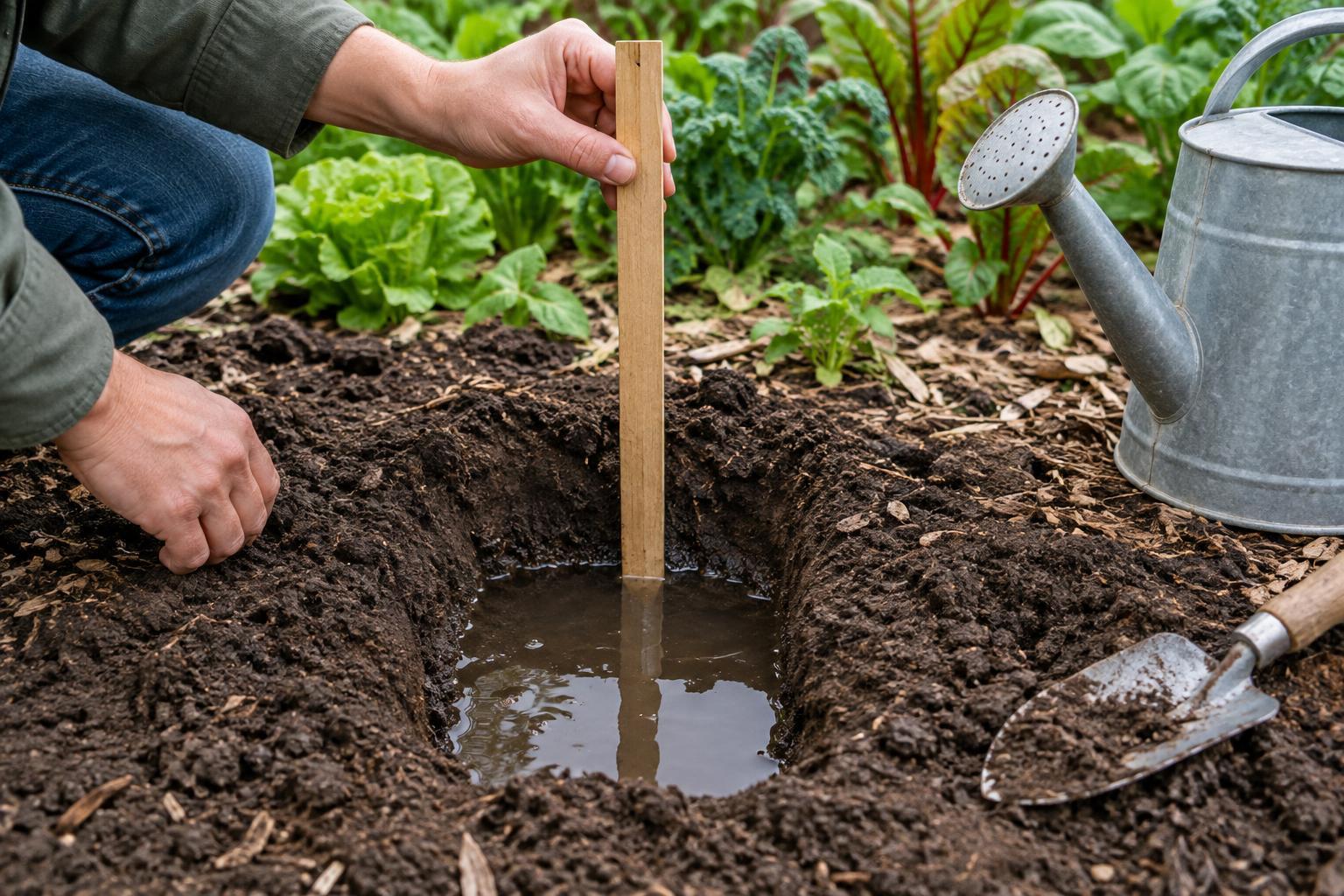
Soil and CompostA small test hole can show how quickly water moves into a garden bed. Learn how to run an infiltration test, calculate a rough drainage rate, and use the result to make better planting and soil-care decisions.
Read article · 4 min↗
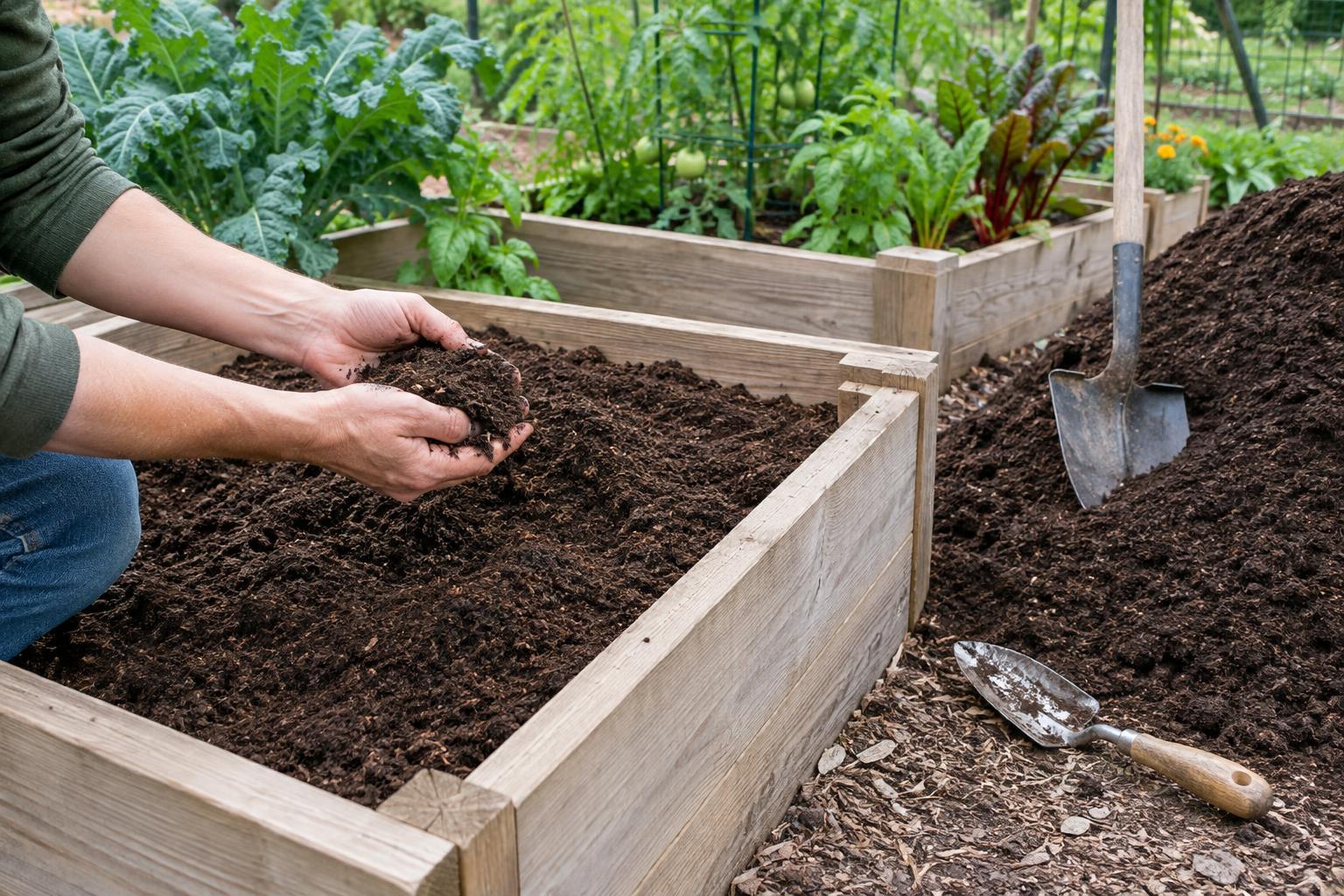
Soil and CompostA raised bed is only as useful as the material that fills it. Before ordering imported soil, ask suppliers about the blend, its ingredients, testing, delivery and how it will settle. These questions can help a community garden choose a workable mix and avoid costly surprises.
Read article · 4 min↗
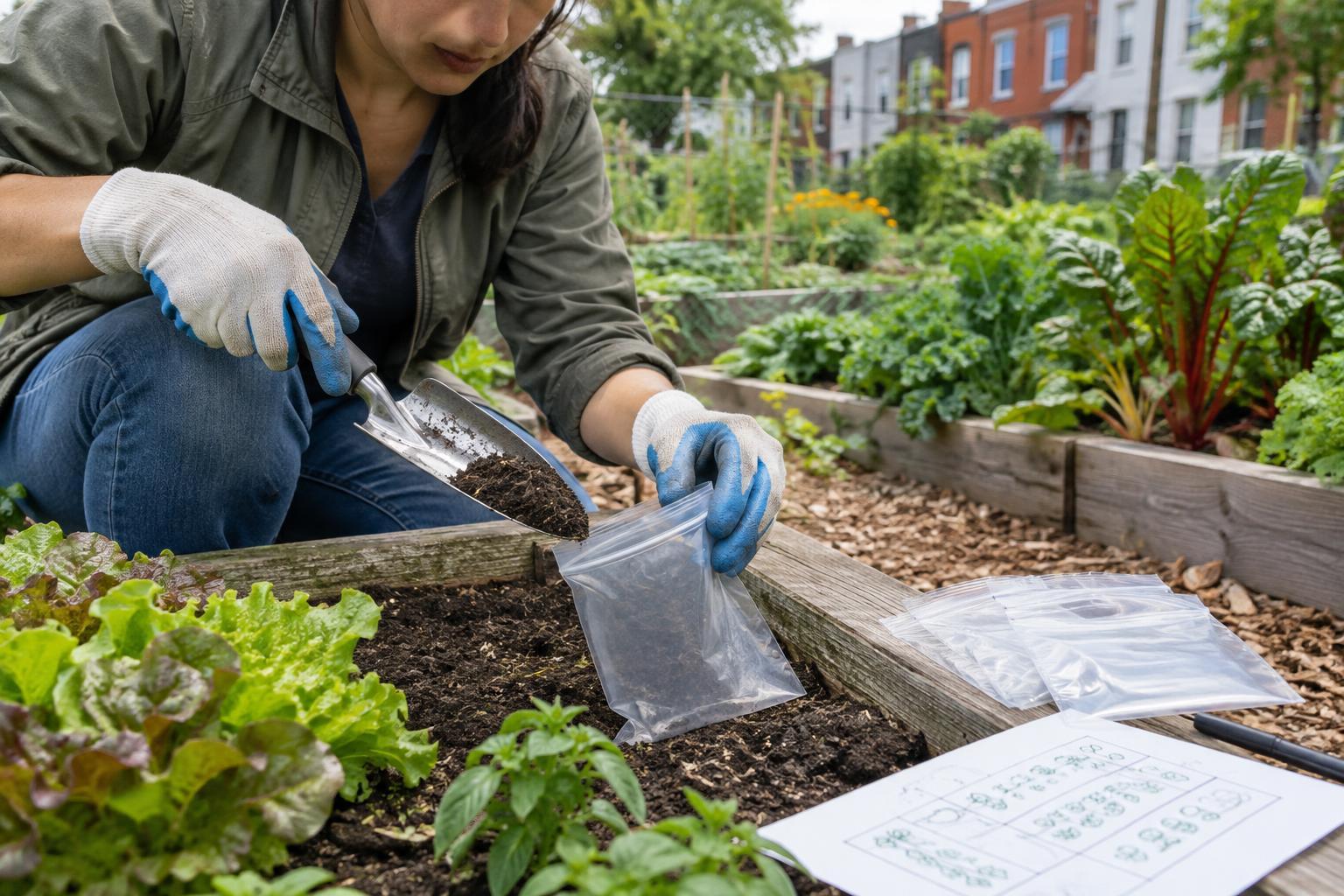
Soil and CompostLead can remain in soil long after the activity that deposited it has ended. Learn how to collect useful samples from an urban garden, understand what a lab result can and cannot tell you, and take practical steps to keep soil and dust out of daily life.
Read article · 4 min↗
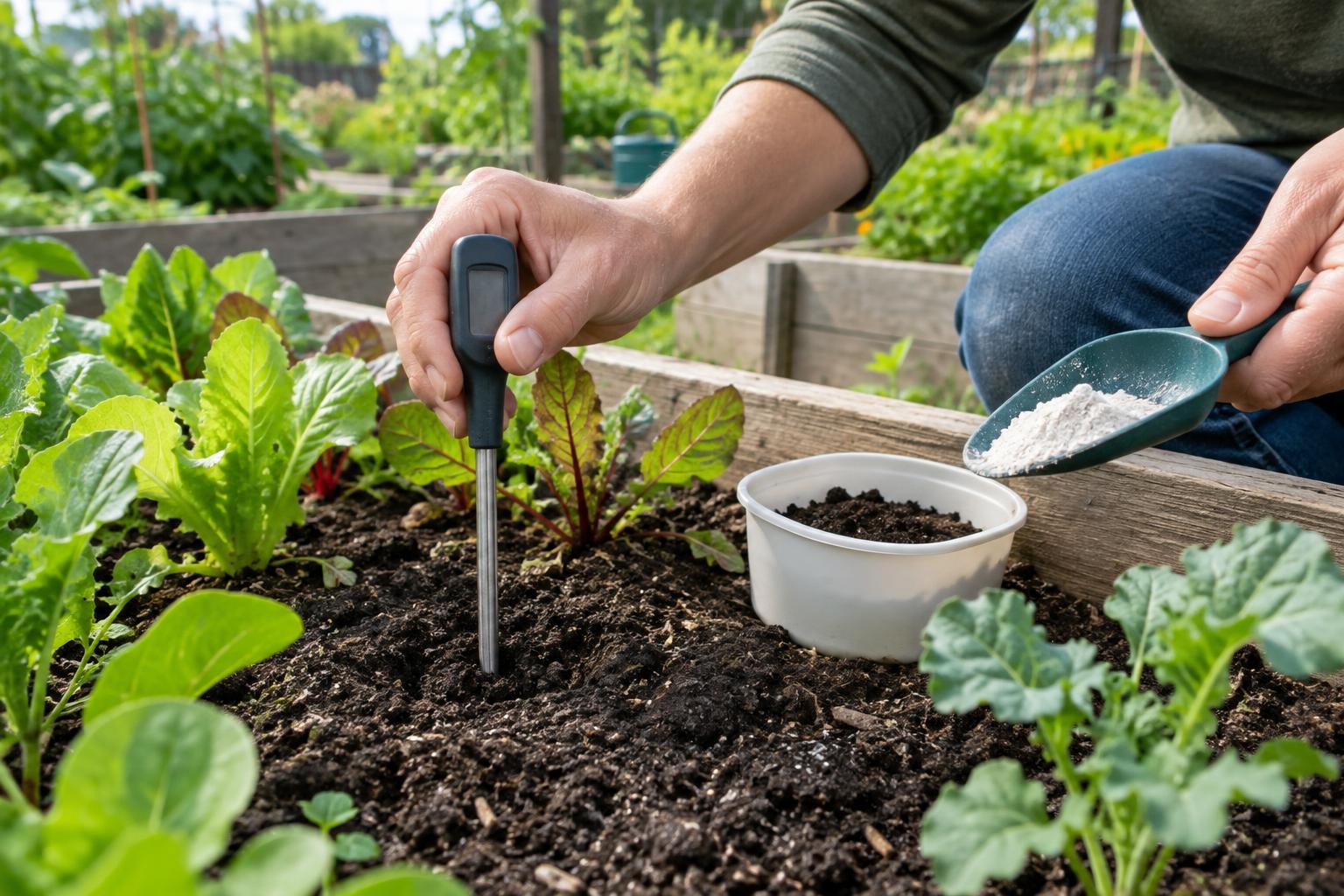
Soil and CompostSoil pH can affect how easily plants take up nutrients, but not every garden bed needs an adjustment. Learn when to test, how to interpret the result, and how to use lime or sulfur without overcorrecting.
Read article · 4 min↗
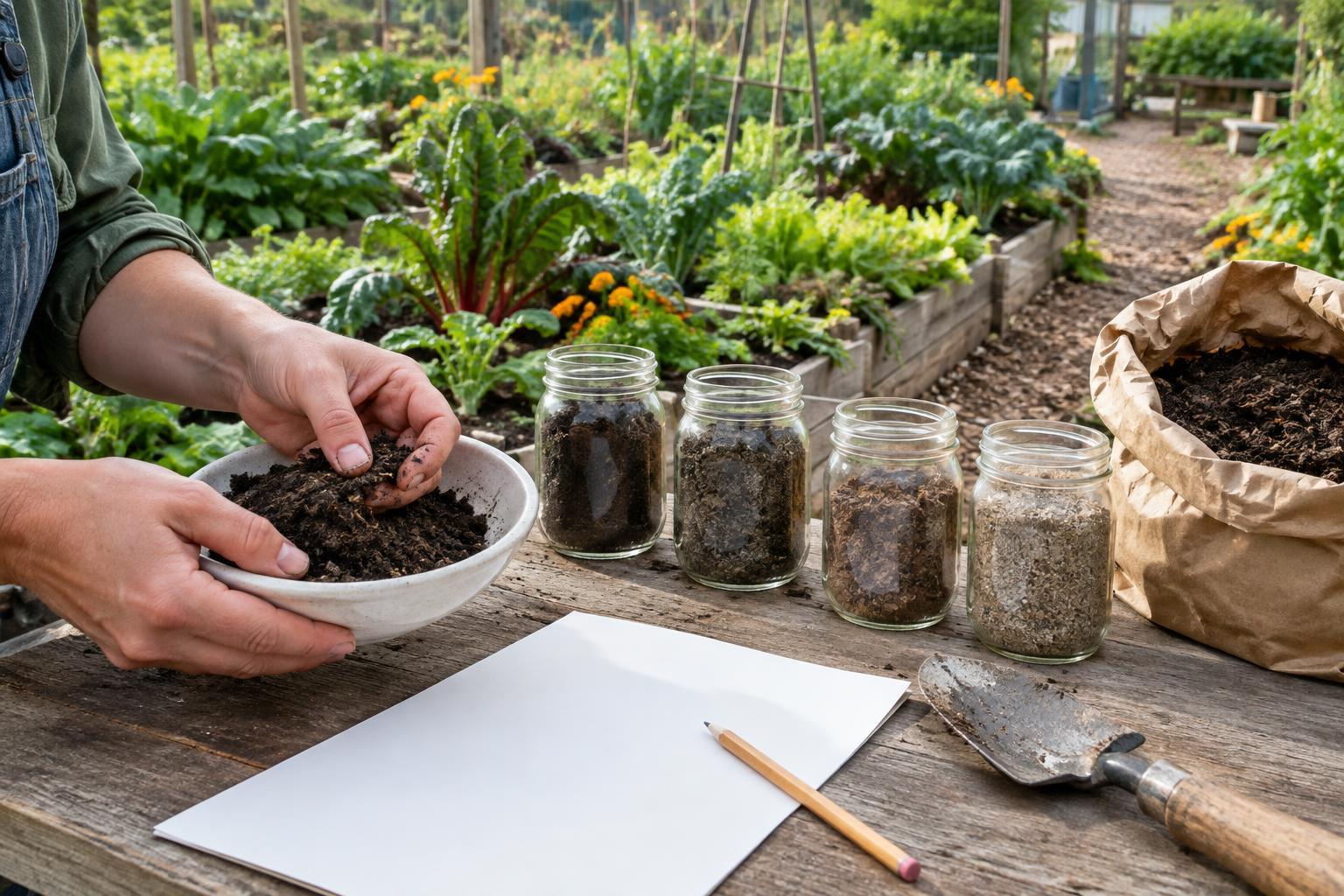
Soil and CompostA soil test is most useful when you can turn its numbers into a sensible plan. Learn how to read pH, nutrient ratings, and amendment recommendations without adding more than your garden needs.
Read article · 4 min↗
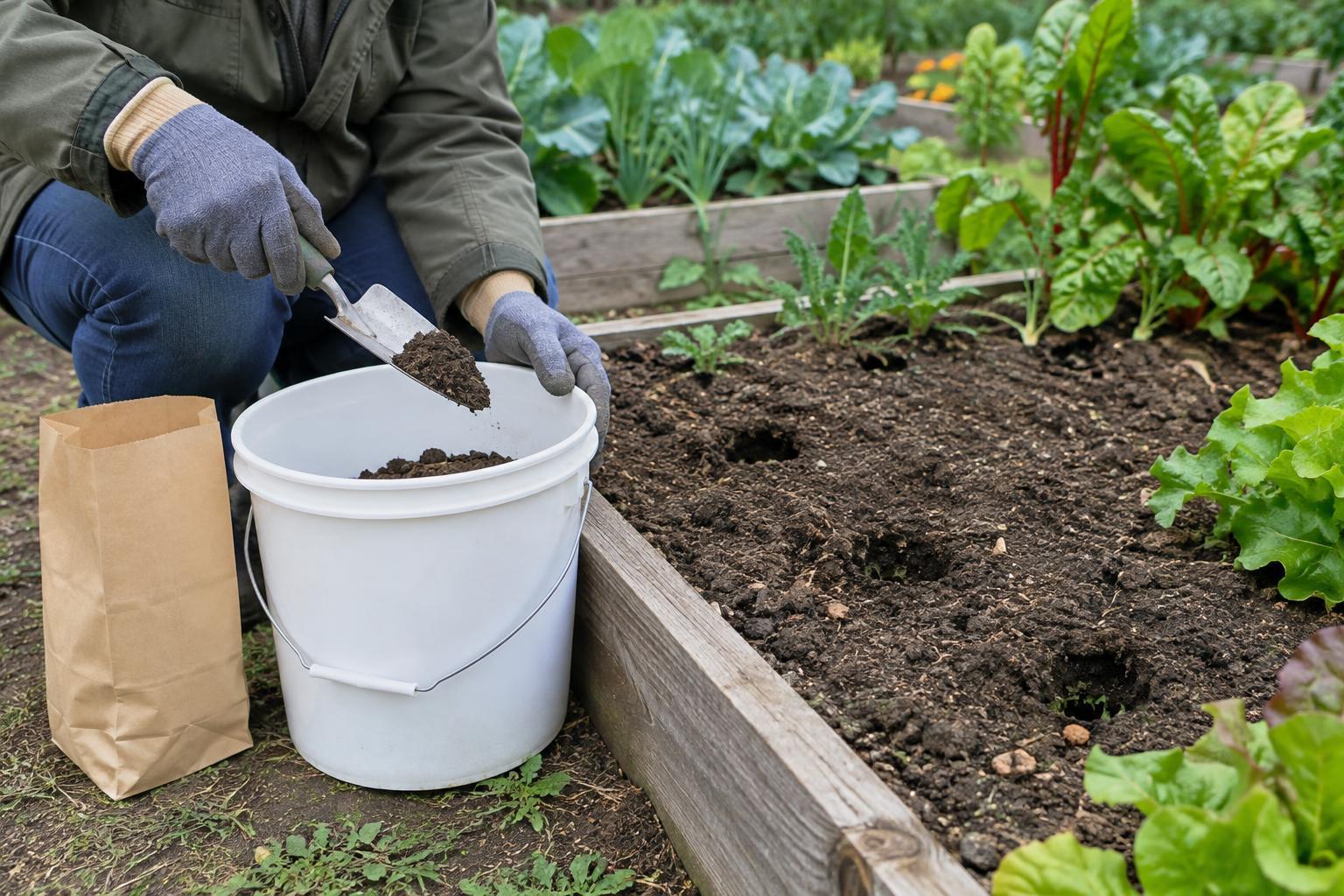
Soil and CompostA soil test is most useful when the sample reflects the bed you want to manage. Learn how to divide a garden into sampling areas, collect and combine small cores, avoid contamination, and prepare a sample according to your laboratory’s instructions.
Read article · 4 min↗
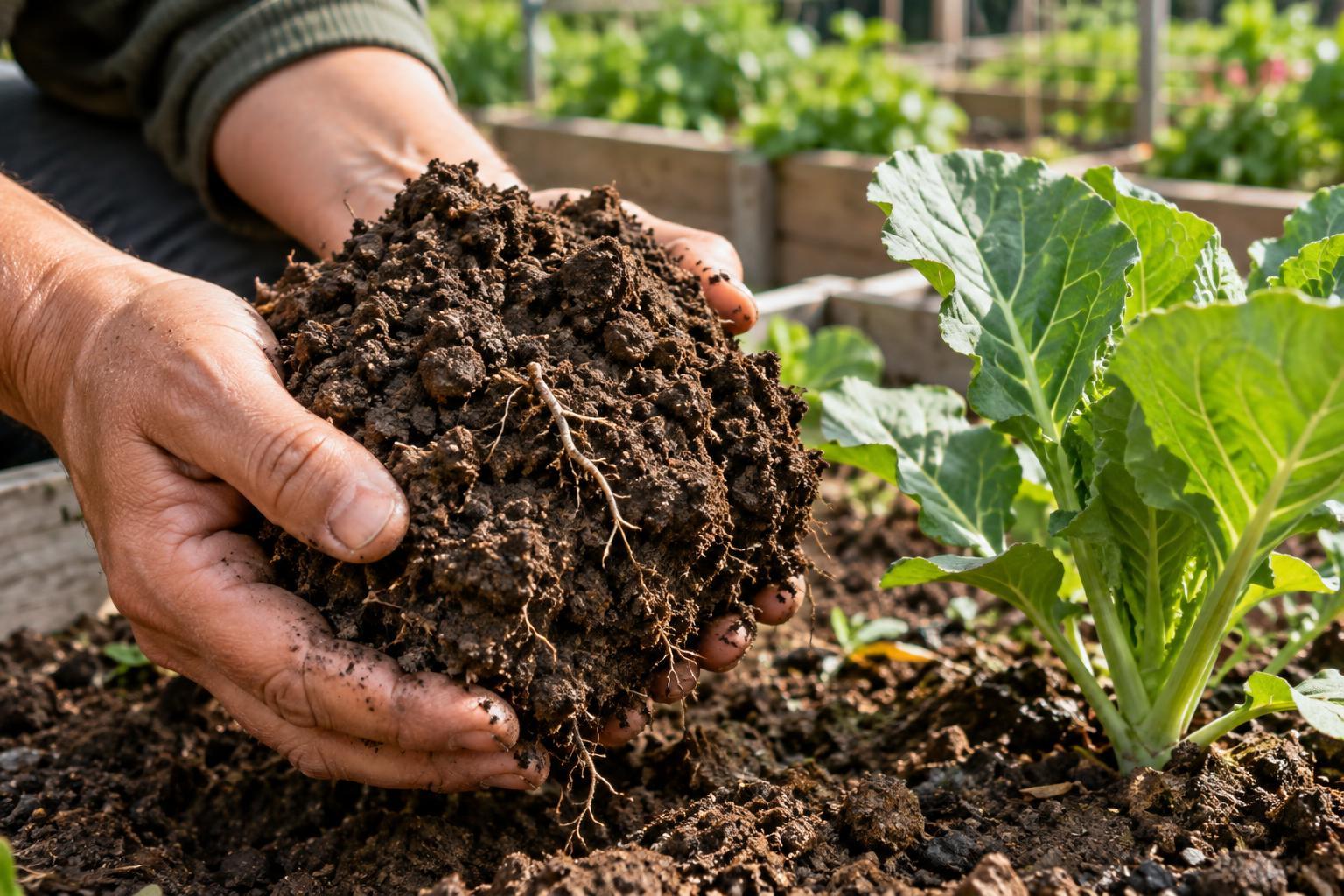
Soil and CompostHealthy soil is more than a mix of sand, silt, and clay. Learn how soil aggregates and pore spaces affect water, air, and roots, plus practical ways to observe and protect structure in a shared garden.
Read article · 3 min↗
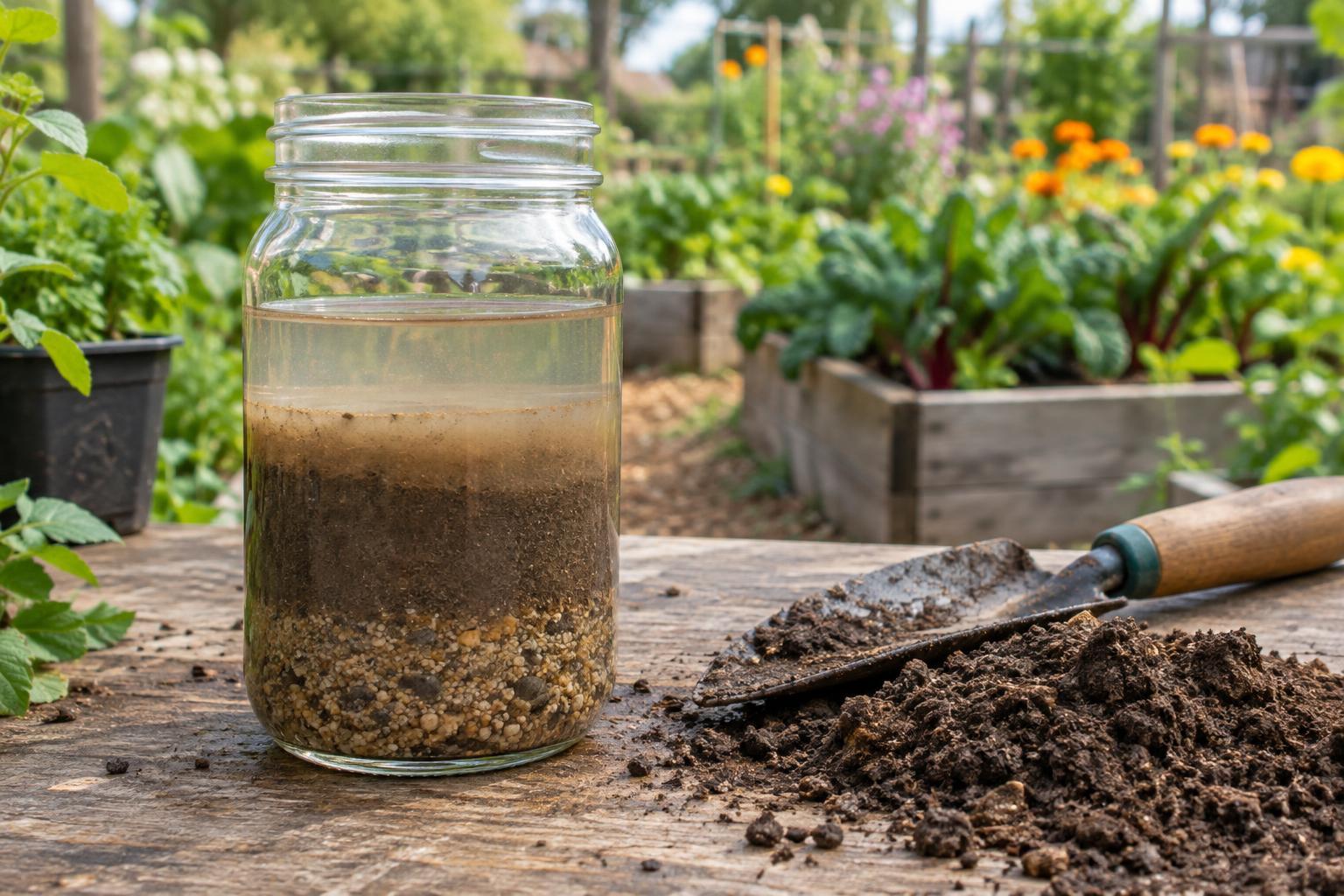
Soil and CompostA jar of soil and water can reveal the approximate mix of sand, silt, and clay in a garden bed. Learn how to collect a useful sample, read the settled layers, and put the results to work in a shared growing space.
Read article · 4 min↗