Start with the job the soil needs to do
Imported soil can save time when new raised beds need filling, but the word “soil” covers a wide range of products. A supplier might offer screened topsoil, compost, or a prepared raised-bed blend. None of those names tells you everything about how the material will behave. Before calling, note the bed dimensions, what you plan to grow, whether the beds drain into the ground, and how people will move material from the delivery spot to the beds.
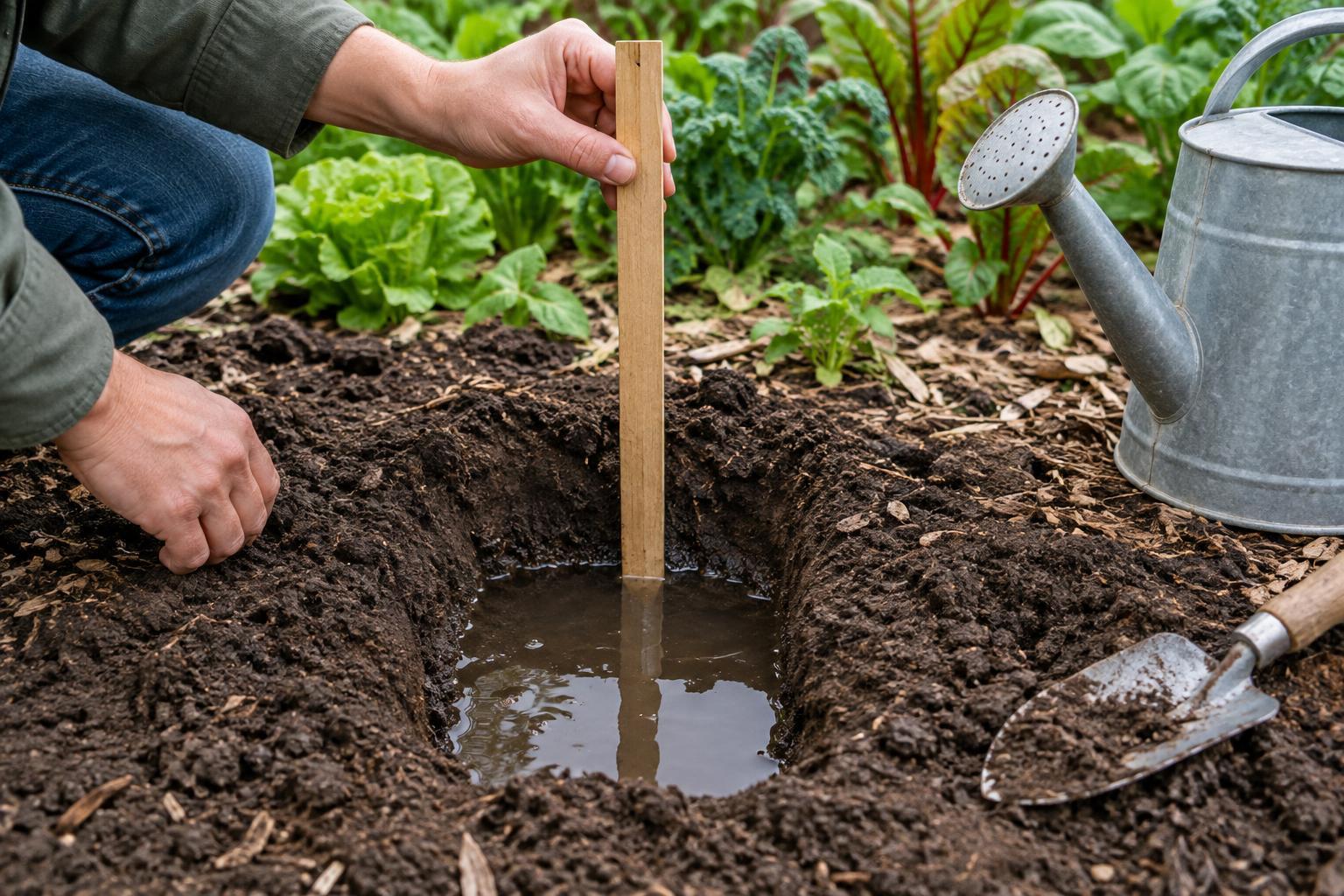
For most edible beds, aim for a mix that holds some moisture while allowing excess water to drain and roots to spread. Ask the supplier what the product contains and what each ingredient contributes. Topsoil can provide mineral structure; finished compost adds organic matter. A blend made mostly of compost may settle substantially and behave differently from one with a mineral-soil base. The best choice depends partly on your climate, crops and watering routine.
Ask what is in the blend—and what is not
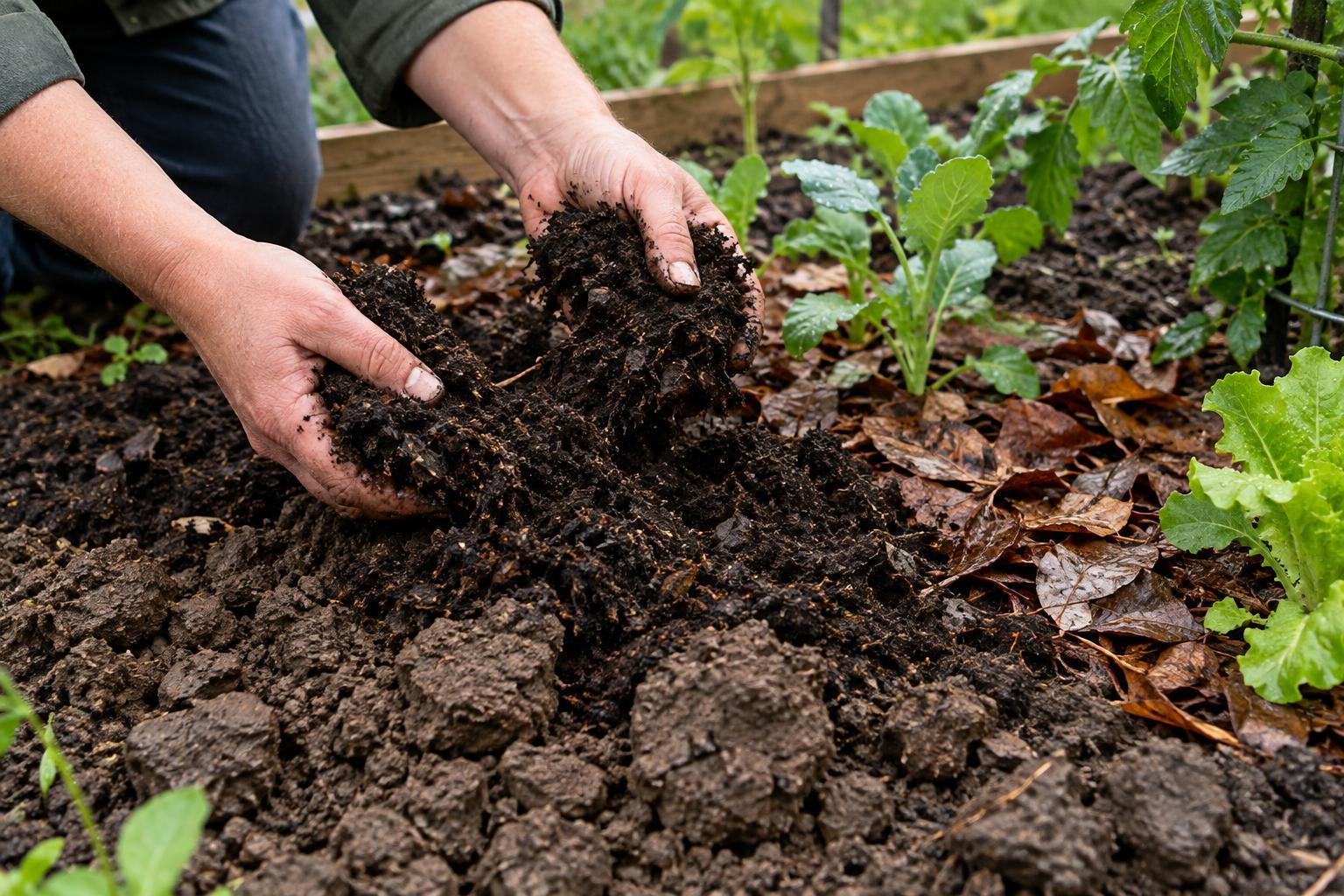
Useful questions include: Where does the soil or topsoil come from? Is the compost made from leaves, yard trimmings, food scraps, manure or another feedstock? Is the material screened, and if so, to what size? Can the supplier describe its usual texture and show you a sample? Squeeze a damp handful if you can: it should hold together briefly but break apart without feeling like solid clay or pure sand.
Ask whether the batch may contain visible debris, stones, persistent weeds or unfinished woody material. A few small pieces of organic matter are not necessarily a problem, but large amounts of undecomposed material can make planting and watering uneven. Find out whether “raised-bed mix” is a consistent recipe or whether its ingredients change between loads. If several gardeners will share an order, write down the product name and description so everyone knows what is being purchased.
Discuss testing without assuming a label is a guarantee
Ask whether the supplier has recent test results for the product you would receive, and request a copy if available. A basic report may describe pH, nutrients and salts. These results can help you avoid adding fertilizer or lime by habit before you know what the new soil needs. Ask what batch or stockpile the report represents; a test from a different product is less useful.
For edible gardens, it is also reasonable to ask about the source material and whether the supplier screens incoming materials for contaminants. Testing practices vary, and a product label alone cannot establish that every possible contaminant has been checked. If the source is unclear, or the garden has specific concerns about past industrial use or other contamination, consider seeking locally appropriate testing guidance before buying. Keep any results and product details with the garden’s records for future reference.
Calculate the order and plan the delivery
Measure each bed’s inside length, width and planned fill depth. Multiply those dimensions using the same units, then convert the total to the volume unit the supplier sells, often cubic yards. Leave room below the bed rim for mulch and watering. Ask whether the quoted volume is measured before delivery and whether the mix is likely to settle after filling. Ordering a little extra may be useful for topping up, but first decide where any surplus can go.
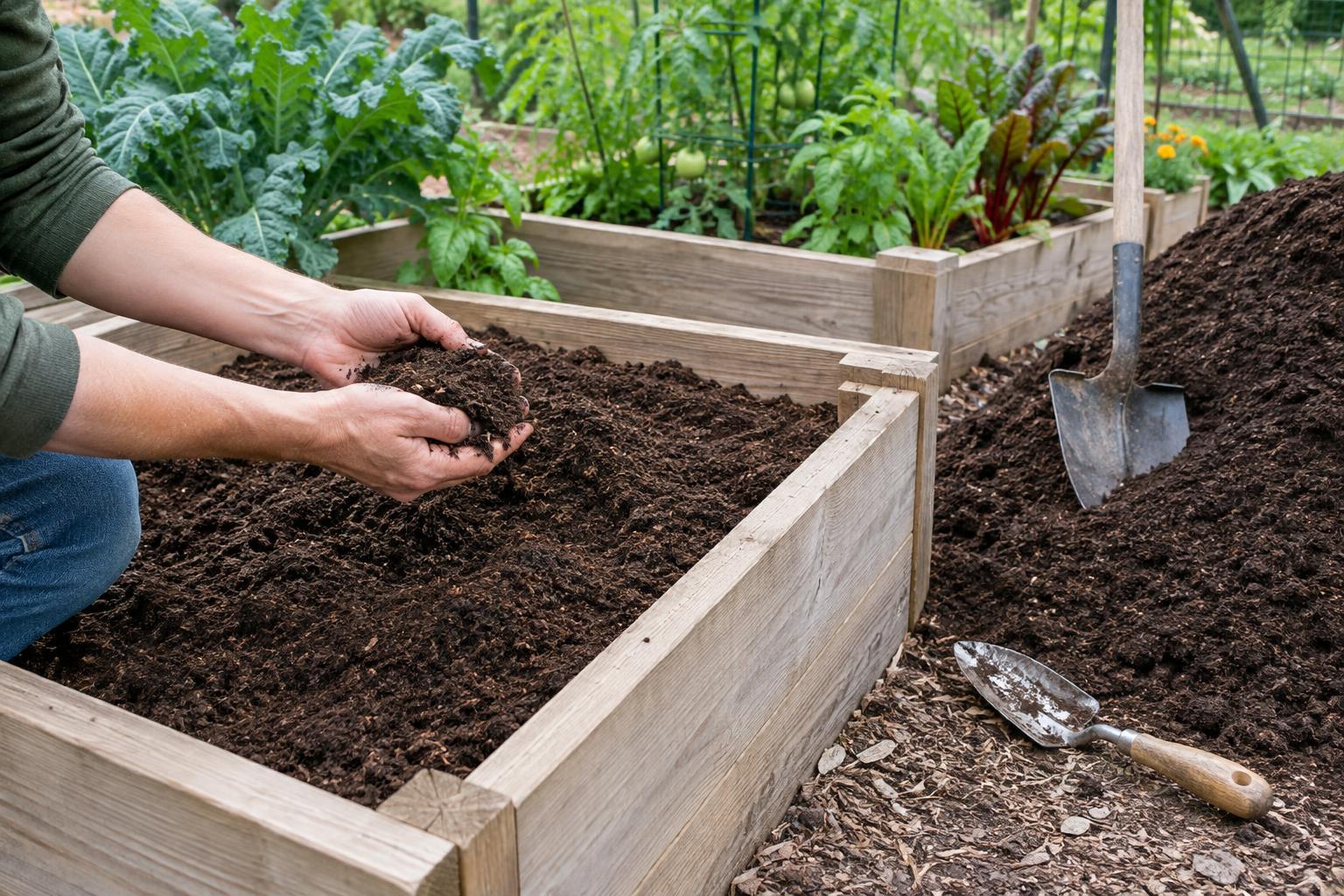
Confirm the total price, including delivery, minimum order, and any charge for separate loads. Ask whether the truck can unload where you need it, whether it tips a single pile or can make multiple drops, and what ground conditions it requires. In a community garden, protect paths, gates and neighboring plots by agreeing on a drop location in advance. Arrange tarps, wheelbarrows and volunteers before the truck arrives; a soil pile can block access if it sits longer than expected.
Check the material on arrival and improve it over time
When the load arrives, compare it with the sample or description. Look for obvious trash, strong chemical odors, large clumps or a texture unlike what you ordered. If something seems wrong, photograph the load and contact the supplier before spreading it through every bed. Even a good-looking mix can behave differently once watered, so fill one bed or a small area first if your schedule allows.
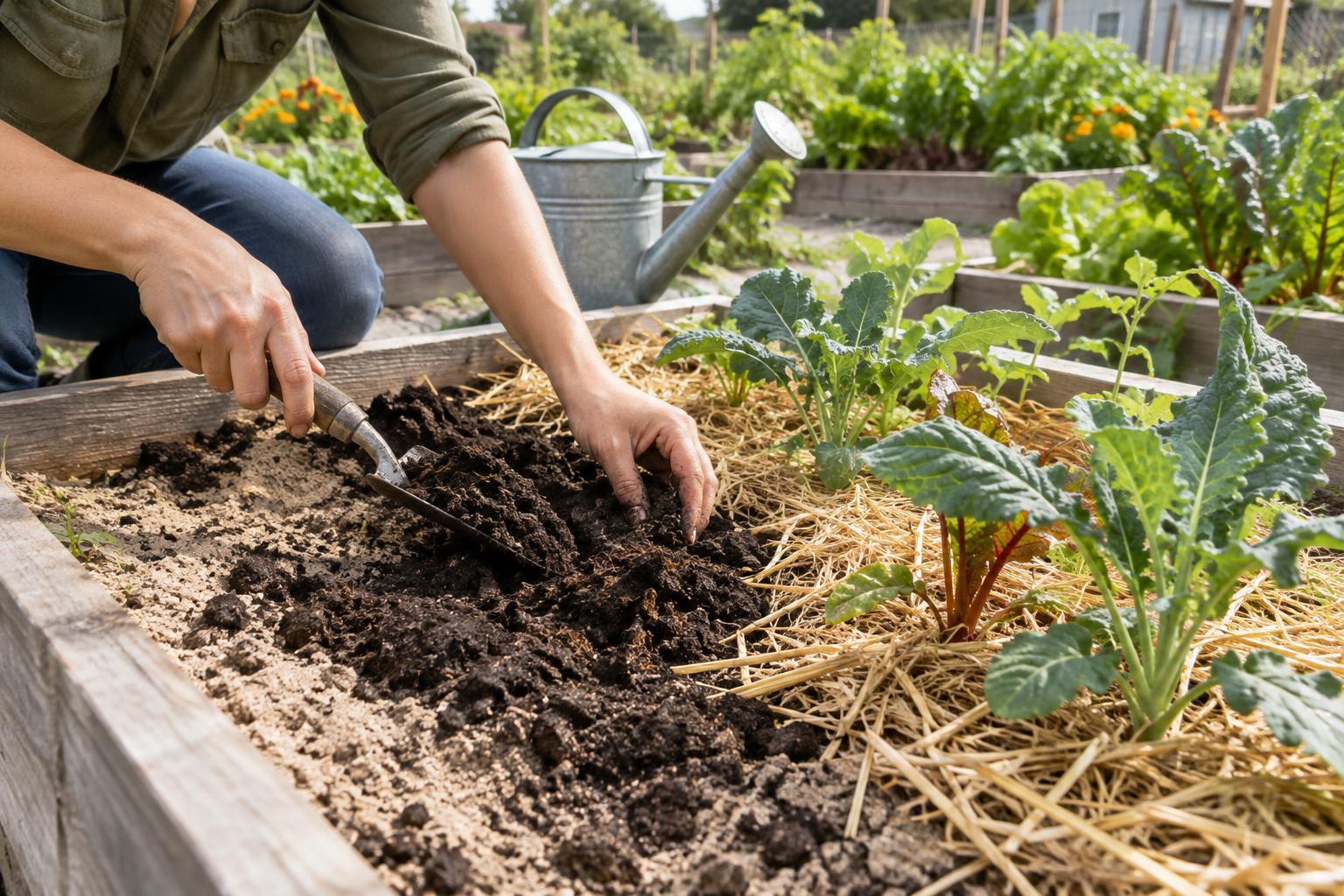
New beds rarely stay exactly as filled. Watering, weather and the breakdown of organic matter can lower the surface over time. Rather than trying to solve every future need in the first delivery, observe drainage and plant growth, then add compost or other amendments only where they are useful. Clear notes on the supplier, blend and amount ordered will make the next purchase easier for everyone who tends the garden.