What makes a compost pile hot or cold?
Both methods rely on organisms breaking down plant material. The difference is how actively gardeners manage the pile. Hot composting uses a substantial batch of suitable materials, a mix of fresh and dry ingredients, enough moisture, and regular attention to keep decomposition moving quickly. Microbial activity can make the center noticeably warm. Cold composting takes a slower approach: gardeners add acceptable materials as they become available and let the pile break down with less intervention.
Neither name guarantees a result. A pile intended for hot composting may cool if it is too small, dry, wet, or short on air. A cold pile can warm briefly when fresh material is added. The useful question is not which label sounds better, but which routine your garden can sustain.
Time: a quick batch or a patient pile
Hot composting is the better fit when a garden wants to process a batch of materials relatively quickly. An actively managed pile may move through its warm phase in weeks, but it still needs time afterward to finish decomposing and cure. Cold composting commonly takes many months and can take a year or longer, depending on the materials, weather, pile size, and how often new scraps are added.
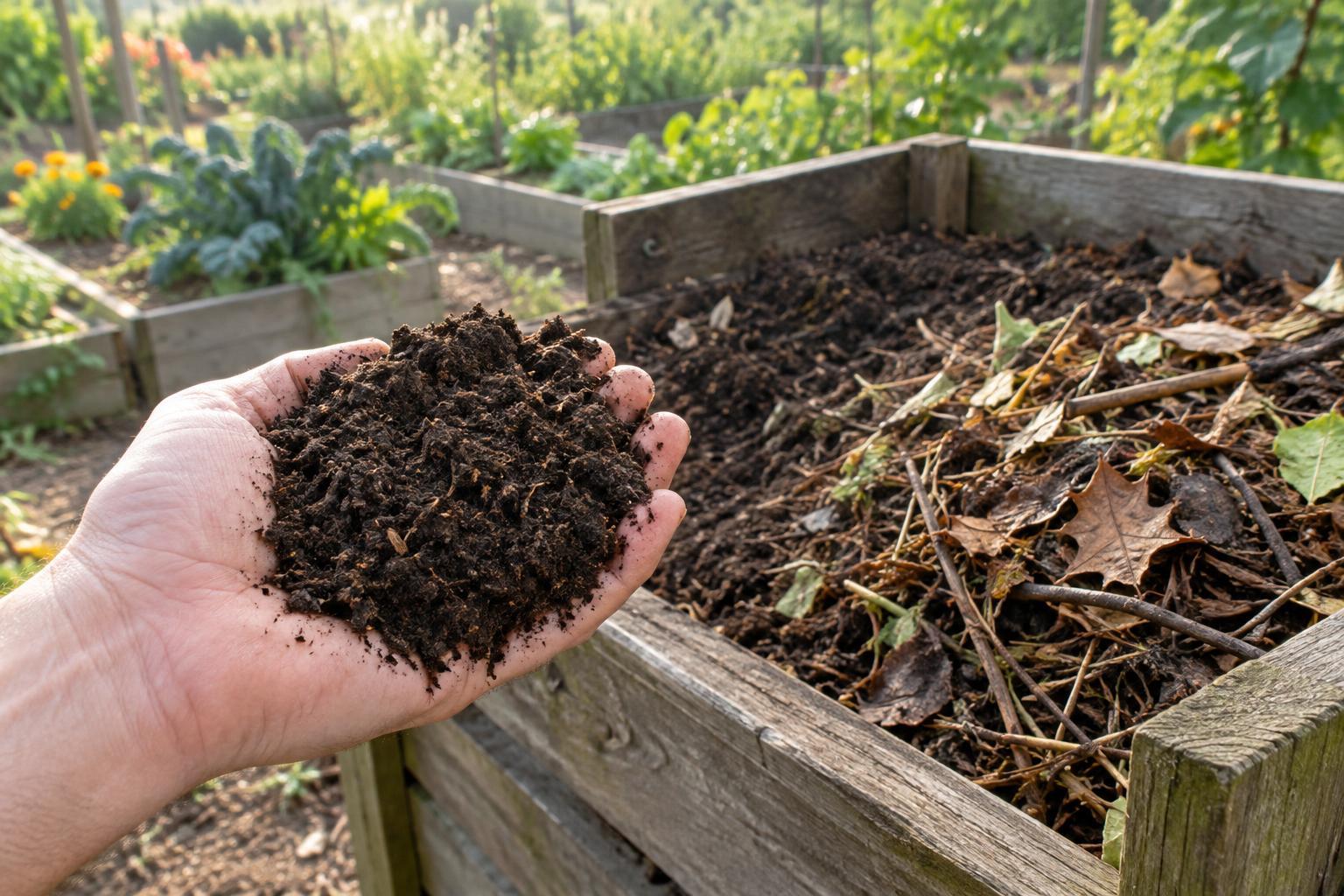
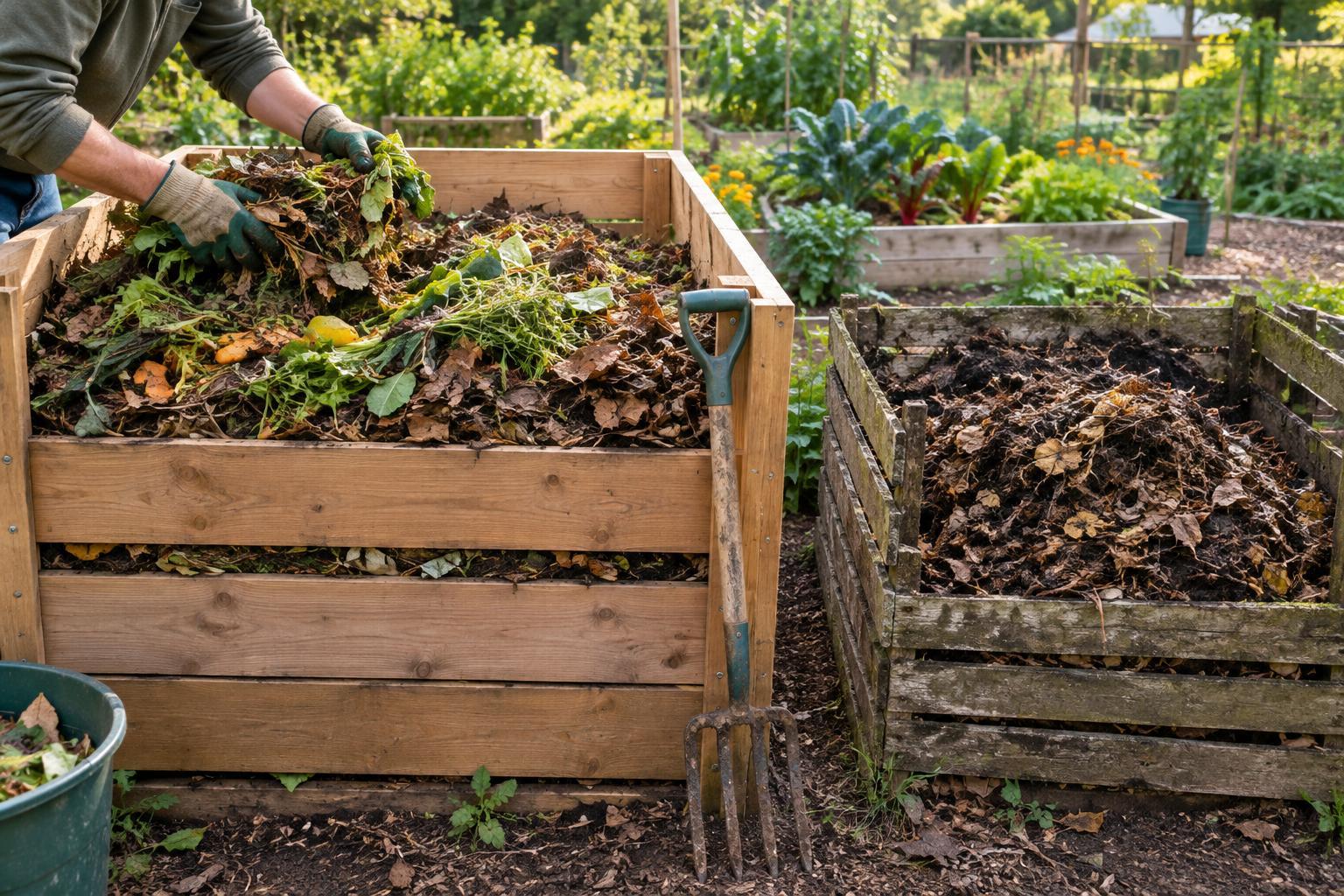
Finished compost should look dark and crumbly, smell earthy, and contain few recognizable ingredients. A pile that still contains obvious food scraps or heats up strongly after mixing needs more time. If your garden adds material continuously, the newest layer will not be ready at the same time as the oldest. Keeping an active pile separate from a resting or finished pile makes harvesting easier, whichever method you choose.
Labor: decide who will maintain the system
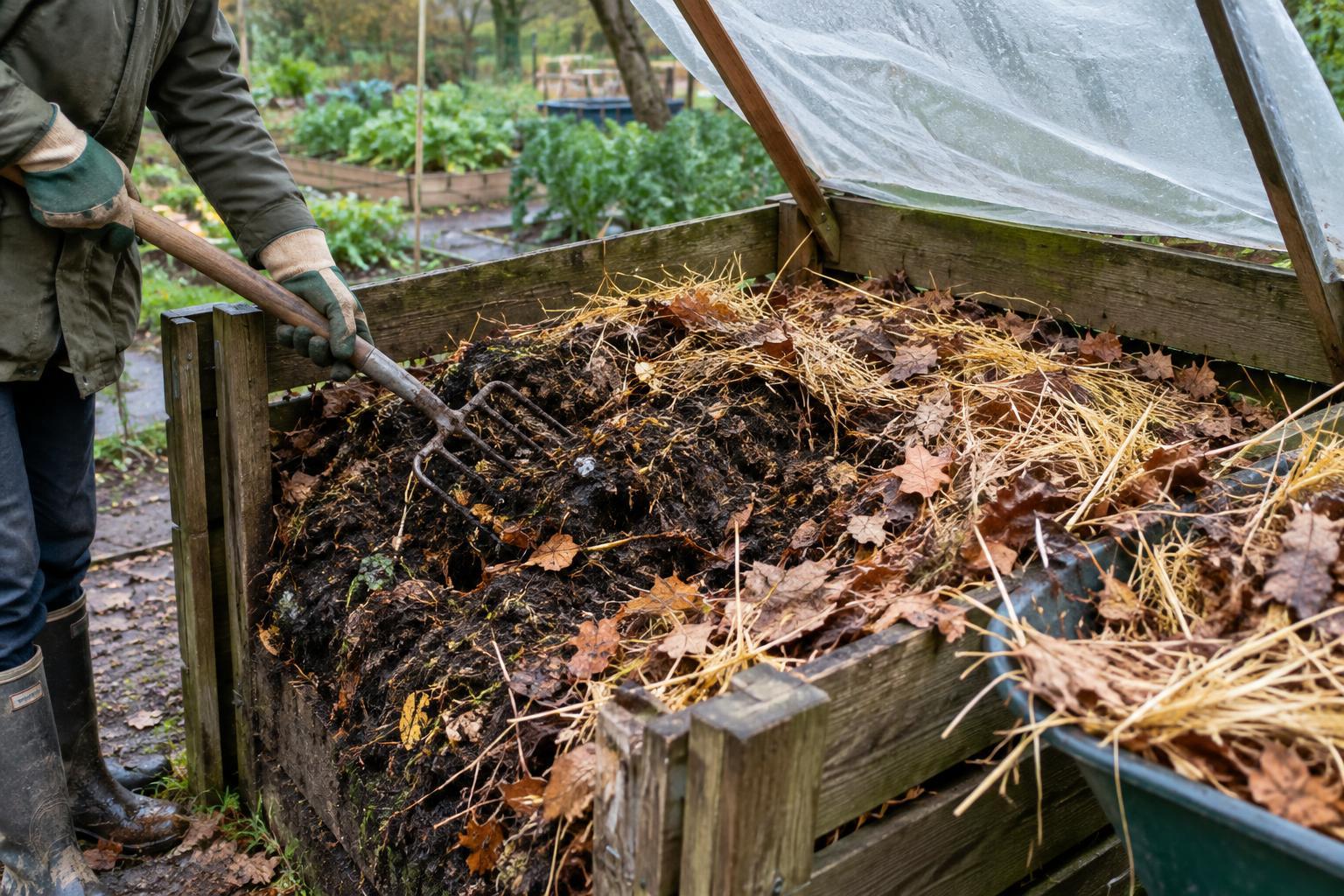
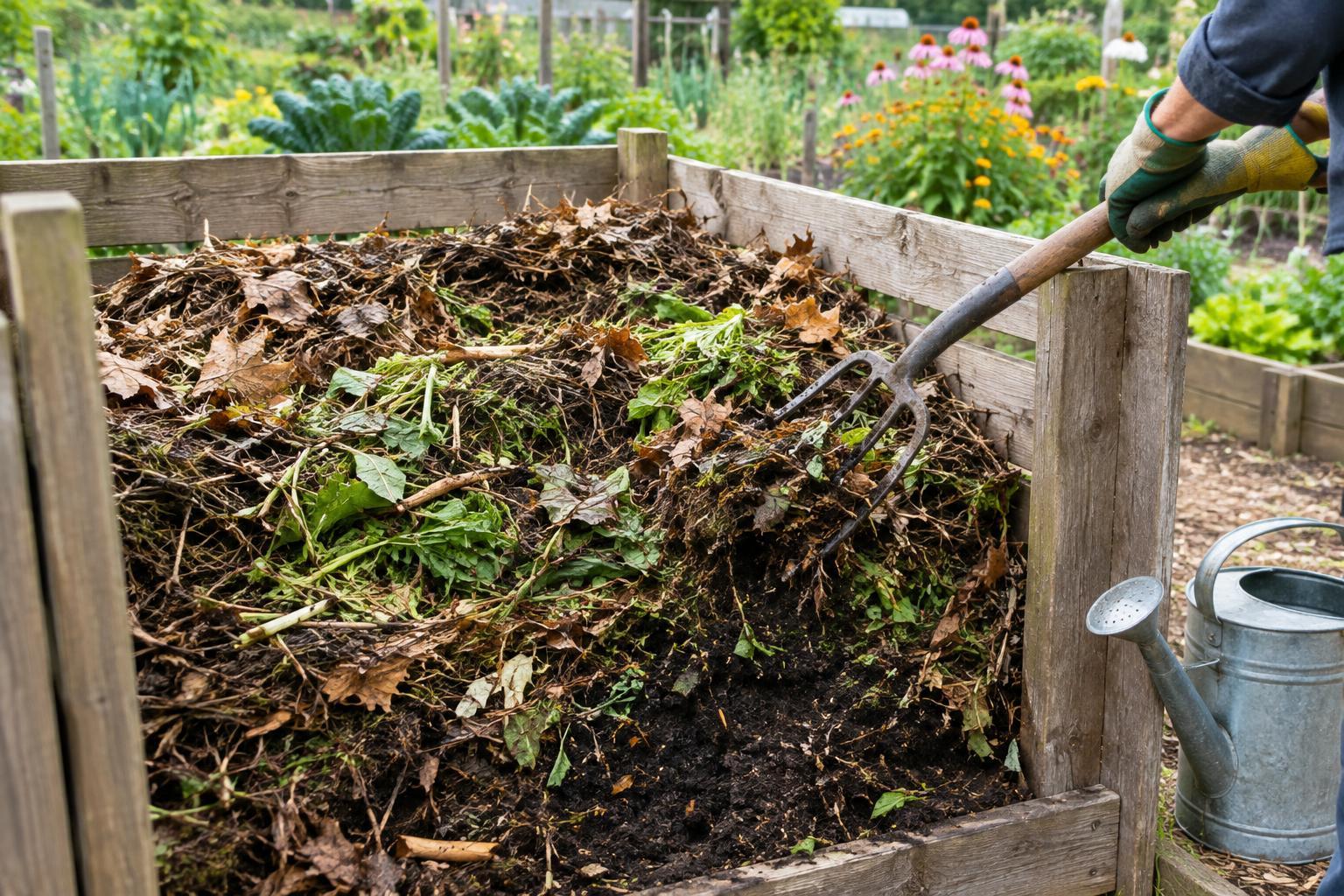
Hot composting asks for more coordinated work. Someone needs to collect enough ingredients for a batch, mix them, check moisture, and turn or aerate the pile when needed. A compost thermometer can help volunteers track what is happening inside, though it is not required to start composting. The work is manageable when several people share clear tasks; it becomes harder when no one knows who is responsible between workdays.
Cold composting requires less frequent handling, but it is not a place to abandon scraps. Volunteers still need to cover fresh additions, watch for excess moisture, and keep the area tidy. In a shared garden, a simple posted list of accepted materials and a named person or rotating team for upkeep can prevent confusion. Choose a method based on the help you can count on regularly, not just the enthusiasm available at setup.
Materials: build a mix the garden can supply
For either method, combine nitrogen-rich materials such as vegetable scraps and fresh plant trimmings with carbon-rich materials such as dry leaves, shredded paper, and small pieces of plain cardboard. The dry materials add structure and help cover fresh scraps. Aim for moisture similar to a wrung-out sponge: damp throughout, without liquid collecting at the bottom. Large stems and thick branches break down slowly, so chop them or handle them separately.
Hot composting works best when enough varied material is gathered at once to form a substantial pile. Cold composting is more forgiving when contributions arrive a bucket at a time. For a straightforward shared-garden system, leave out meat, dairy, oily foods, and pet waste. Treat diseased plants and weeds with mature seeds cautiously, too: a pile that feels warm is not proof that every part reached conditions sufficient to deal with them.
Choose a setup that fits the space
A garden with predictable harvest cleanups, a supply of dry leaves, and volunteers willing to manage batches may benefit from hot composting. Set aside room to build, turn, and cure each batch without mixing it with new scraps. A garden with smaller, irregular contributions and limited volunteer time may do better with a cold pile or bin. Give it enough space to access older material and store dry cover materials nearby.
The two approaches can also work together. Keep a slow bin for everyday contributions and build an occasional hot pile when seasonal cleanup produces enough material. Whichever approach you use, explain where additions go, keep pathways clear, and review the system when it becomes difficult to maintain. The most useful composting method is the one that turns available materials into finished compost without creating an ongoing burden for the people sharing the garden.