What soil texture tells you
Soil texture describes the relative amounts of sand, silt, and clay in the mineral portion of soil. Sand particles are the largest of the three and feel gritty. Silt is finer and often feels smooth or floury when dry. Clay particles are very fine; moist clay-rich soil can feel sticky and hold its shape when squeezed. Most garden soils contain a mixture, so the goal is not to find a perfectly pure layer of each material.
Texture can help explain how a bed behaves. Sandier soil often drains readily but may dry out sooner. Clay-rich soil can retain water yet drain slowly when compacted. Texture is only part of the story, though: organic matter, soil structure, roots, and foot traffic also affect how water and air move. A jar test offers a useful estimate, not a complete soil assessment.
Collect a representative sample
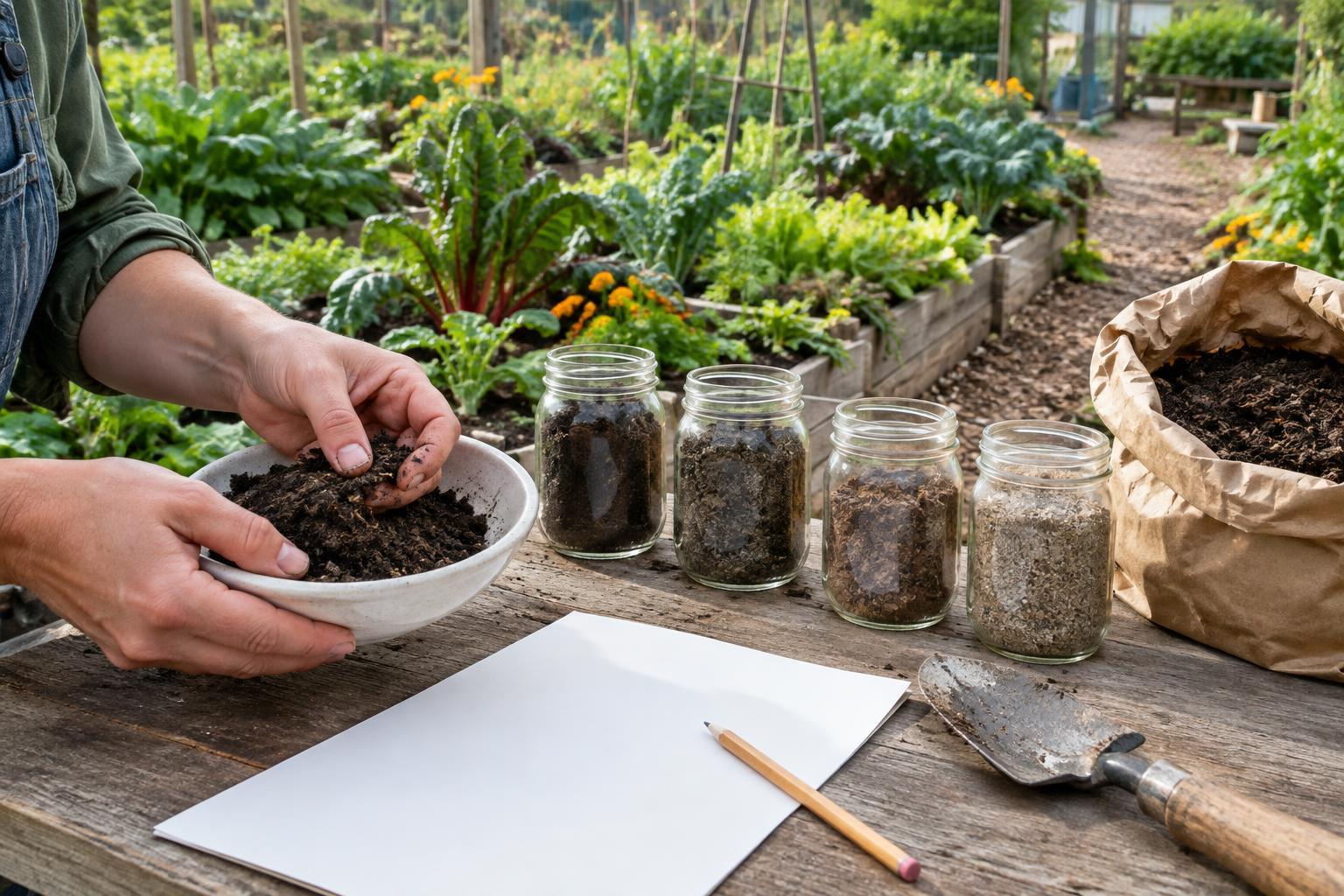
Use a clear, straight-sided jar with a tight lid. You will also need water, a spoon, and a marker or tape for labeling. If you are checking a shared bed, take small amounts of soil from several spots at roughly the depth where you cultivate, then mix them together. Remove stones, roots, leaves, and large pieces of mulch. Let very wet soil dry enough to crumble so it is easier to break up clods.
Keep samples from noticeably different areas separate. A bed near a downspout may behave differently from one beside a path, and a bed filled with imported soil may not resemble the ground beneath it. Label each jar with its location. If the soil contains lots of compost or other organic material, note that too: floating fragments and dark-colored water can make the layers harder to read.
Shake, settle, and measure
Put crumbled soil in the jar until it is about one-third full, then add water until the jar is nearly full, leaving room to shake. A drop or two of plain dish soap can help disperse clumps, but avoid making a thick layer of suds. Close the lid securely and shake vigorously until no firm lumps remain. Set the jar on a level surface where it can stay undisturbed.
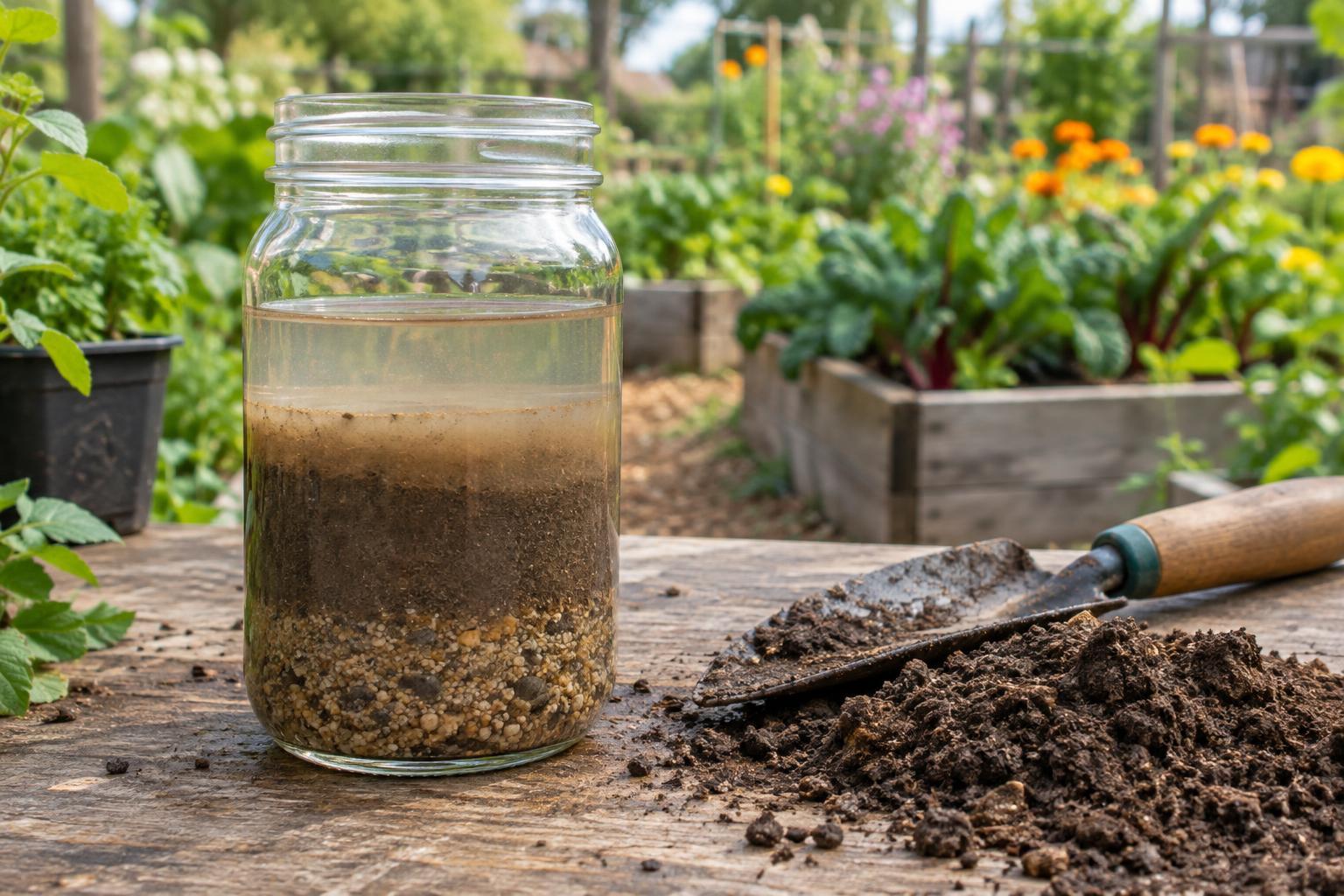
The larger sand particles generally settle first, followed by silt and then clay. Mark the top of the first coarse layer after roughly a minute. After a couple of hours, mark the top of the layer that has settled above it. Leave the jar for a day or two, or longer if the water remains very cloudy, before marking the top of the settled mineral material. Settling times are approximate; fine particles and clumps can blur the boundaries. Floating organic bits are not part of the mineral layers.
Measure the height of each layer, then compare it with the total height of the settled mineral material. For example, if the bottom layer takes up about half that height, the sample is roughly half sand. The middle and upper layers give similarly rough estimates of silt and clay. If the boundaries are unclear, record a range rather than forcing an exact percentage. Repeating the test with well-broken-up soil may give a clearer picture.
Check the result with your hands
A feel test provides a useful second opinion. Moisten a small handful of soil until it holds together without dripping. Rub some between your fingers: noticeable grit points toward sand, while a smooth feel suggests more silt or clay. Try pressing a small ball between your thumb and forefinger. Soil with more clay often forms a longer, more flexible ribbon before breaking, while sandier soil tends to fall apart.
Neither test needs to produce a precise soil label to be worthwhile. A jar may show a sizable clay layer even when a well-managed bed feels loose because roots and organic matter have helped form stable crumbs. Conversely, a bed can be difficult to work because it is compacted, regardless of its texture. Watch what happens after rain and during dry spells, and compare those observations with your test.
Use the result to care for the bed
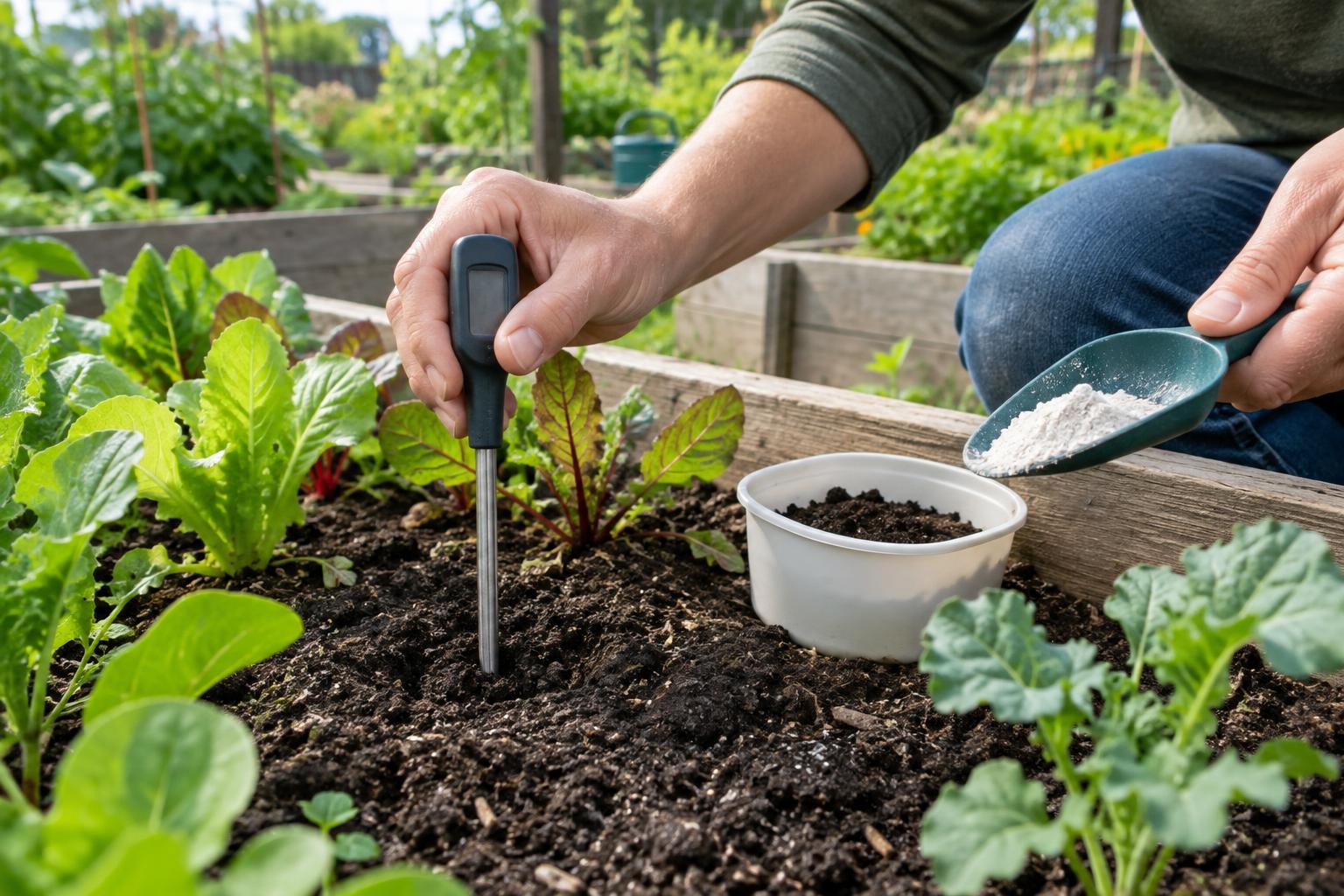
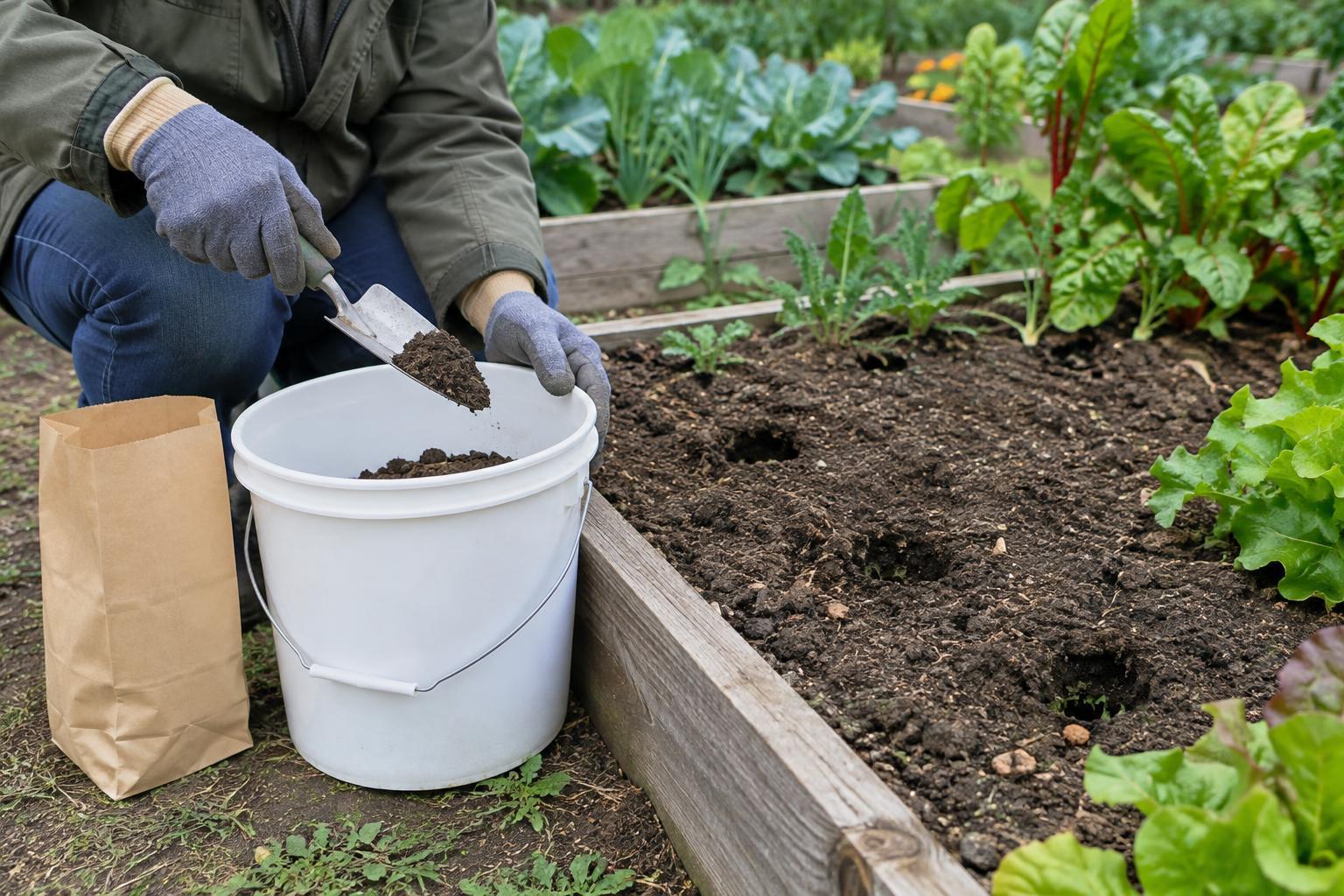
For a sandier bed, check moisture below the surface before watering; it may need attention more often during dry weather. Mulch and regular additions of finished compost can help protect the surface and support water retention. For a clay-rich bed, avoid digging or stepping on it when it is wet enough to smear or stick heavily to tools. Established paths and beds that can be reached without walking on the growing area help limit compaction.
Adding a little sand to clay soil is unlikely to change its texture meaningfully. In most shared gardens, it is more practical to protect soil structure, add organic matter as appropriate, and adjust watering to what the bed actually does. Keep the jar results with your garden notes, along with where the samples came from. That simple record can help volunteers understand why neighboring beds may need different care.