Why manure needs extra care around food crops
Manure adds organic matter and nutrients to soil, but fresh manure can also carry organisms that cause illness. Contamination can happen when manure touches leaves or roots, splashes onto crops during watering, or moves with runoff. Food that grows close to the ground, such as lettuce, strawberries and carrots, deserves particular care because soil contact is difficult to avoid.
The risk is not always visible. Manure may look dry, smell mild or have been sitting in a pile for months without being reliably treated. Healthy-looking animals can also shed harmful organisms. Washing harvested produce is worthwhile, but it is not a substitute for keeping contamination out of the growing area in the first place.
Choose materials with a clear history
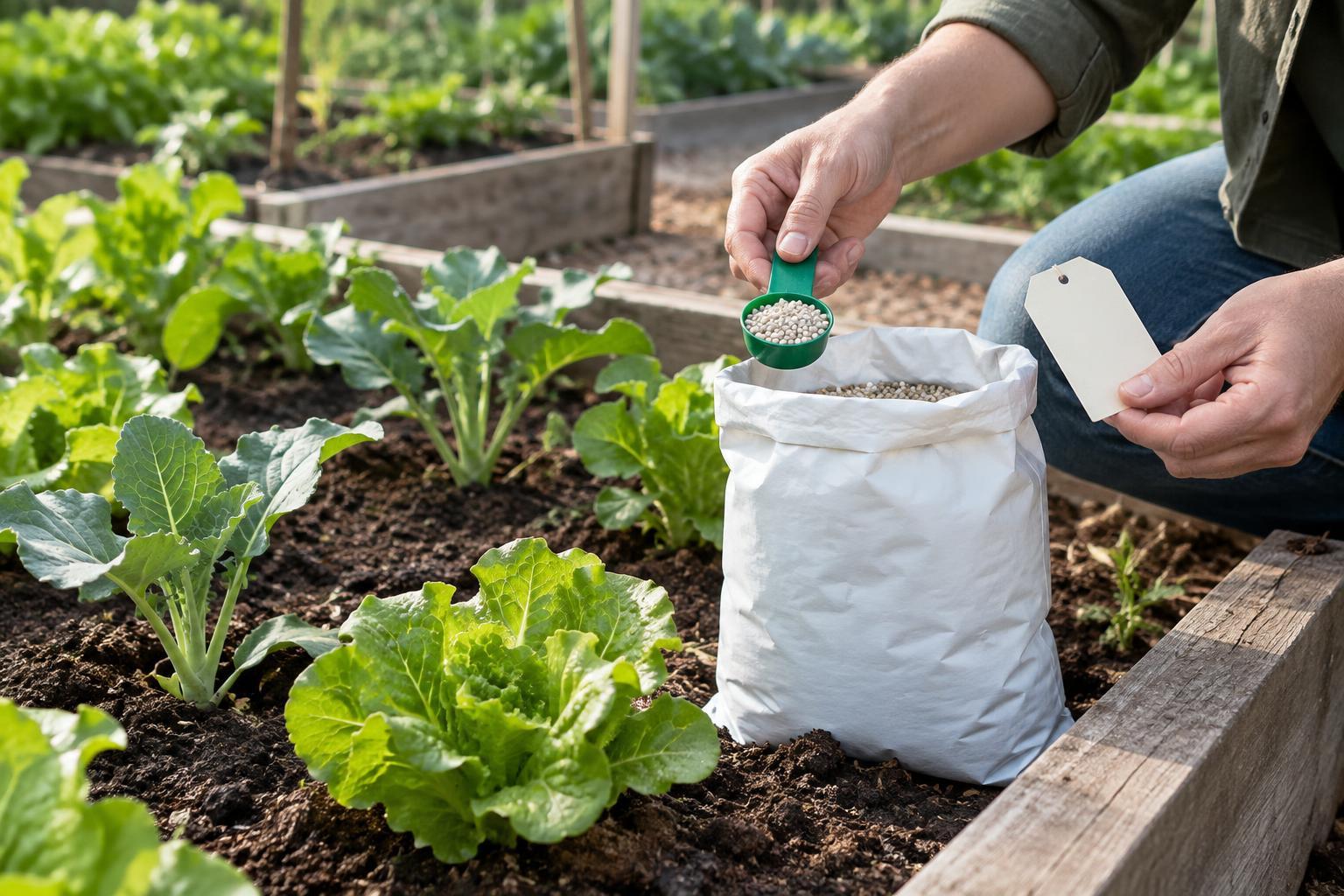
For beds that will soon grow food, a commercially produced compost or soil amendment with clear handling instructions is often easier to manage than raw manure. Check the label to see whether the product is described as composted, how it should be applied, and whether it is intended for food gardens. A bag labeled simply as aged manure does not, by itself, establish that pathogens were reduced through a controlled composting process.
If a garden accepts manure from a farm or stable, ask what animals produced it, whether bedding or other materials are mixed in, and how it has been stored or composted. Manure from livestock and poultry still requires careful handling. Do not add dog or cat waste to food-garden compost or beds. Keep incoming material in a designated area where it cannot drain into crops, paths or water sources.
Composting is a process, not just a waiting period
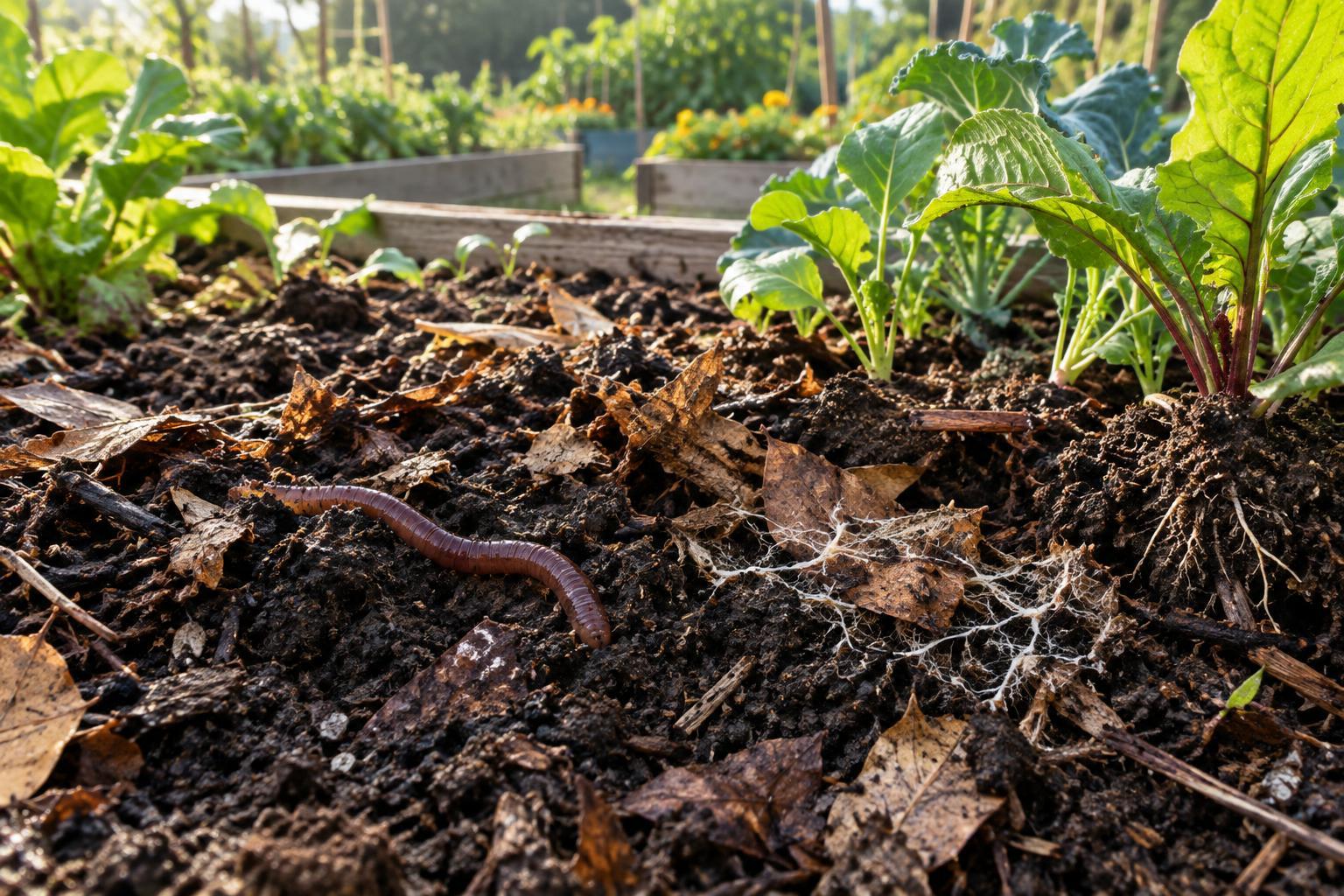
A well-managed composting process uses a suitable mix of materials, moisture, air and turning to help the pile heat and break down evenly. A cold edge or an untouched pocket may not go through the same process as the center. That is why an unmanaged heap of manure should not be assumed to be fully composted just because it has aged.
Shared gardens can reduce uncertainty by buying finished compost from a supplier with a clearly described process or by keeping records for compost made on site. Record what went into a pile, when it was turned and when it was considered finished. If those details are unknown, treat manure-based material cautiously rather than assuming it is ready for use near a harvest.
Count back from harvest, not from planting
Raw or incompletely composted manure is best applied well before food will be picked. Some gardening and organic-production guidance uses a minimum interval of 120 days between applying raw manure and harvesting crops that may touch the soil, and 90 days for crops that do not. These intervals are not a guarantee of safety, and requirements may differ by setting. For a mixed community bed, using at least 120 days for every edible crop is a simpler, more cautious planning rule.
Start counting after the last application, not after the first. A second addition resets the schedule for that bed. Consider the earliest possible harvest, including quick-growing greens and volunteer crops. If the interval will be short or uncertain, skip raw manure and choose a finished amendment instead. Applying manure after a bed’s final harvest gives gardeners more time before the next crop, but the next harvest date still matters.
Make a simple plan for the whole garden
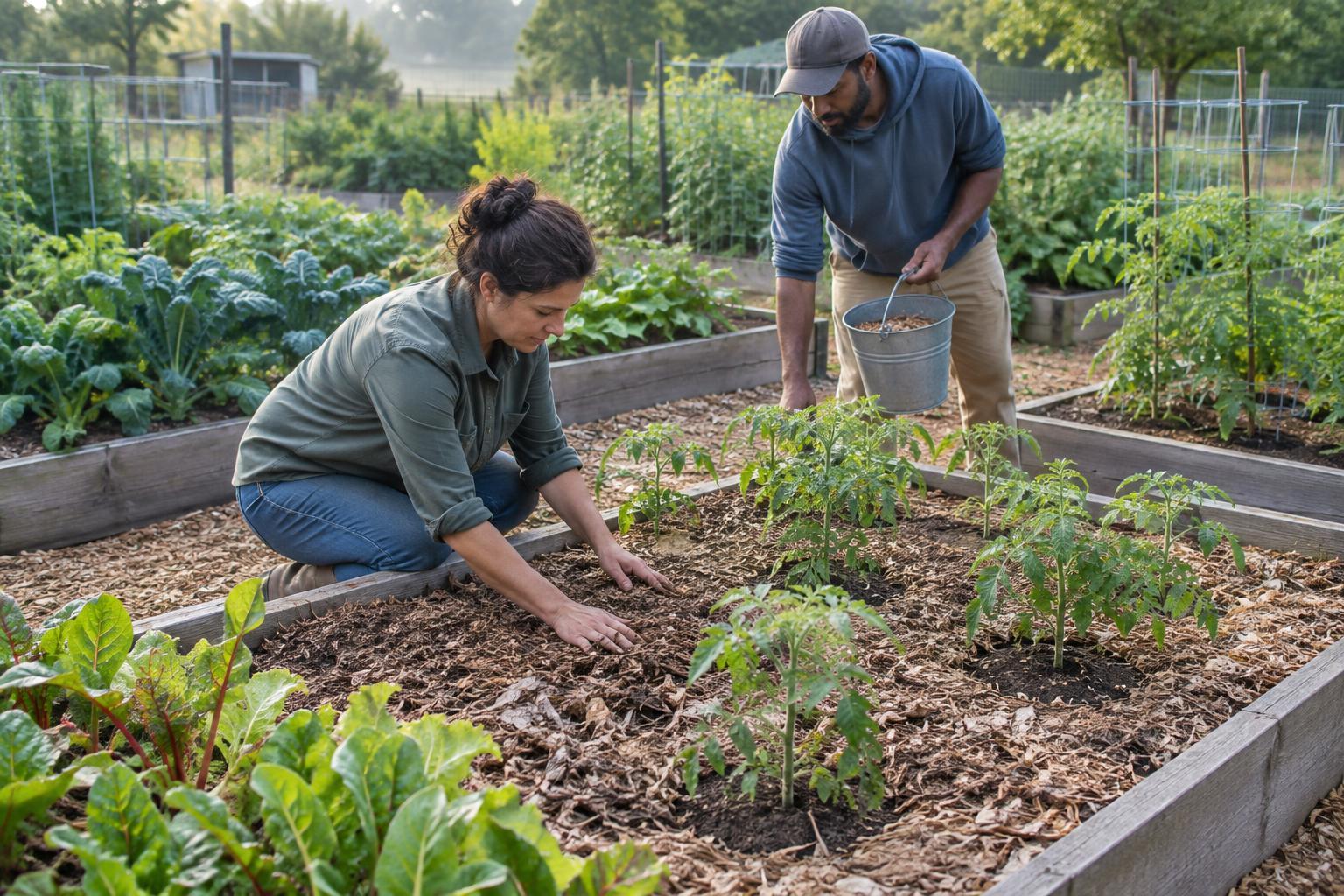
In a shared space, one gardener’s soil amendment can affect another gardener’s crop. Set a common policy for which manure products are allowed, where they may be stored, and who records application dates. Label treated beds with the material used and the earliest planned harvest date. Keep tools used for raw manure separate from harvest containers, and clean them before using them elsewhere.
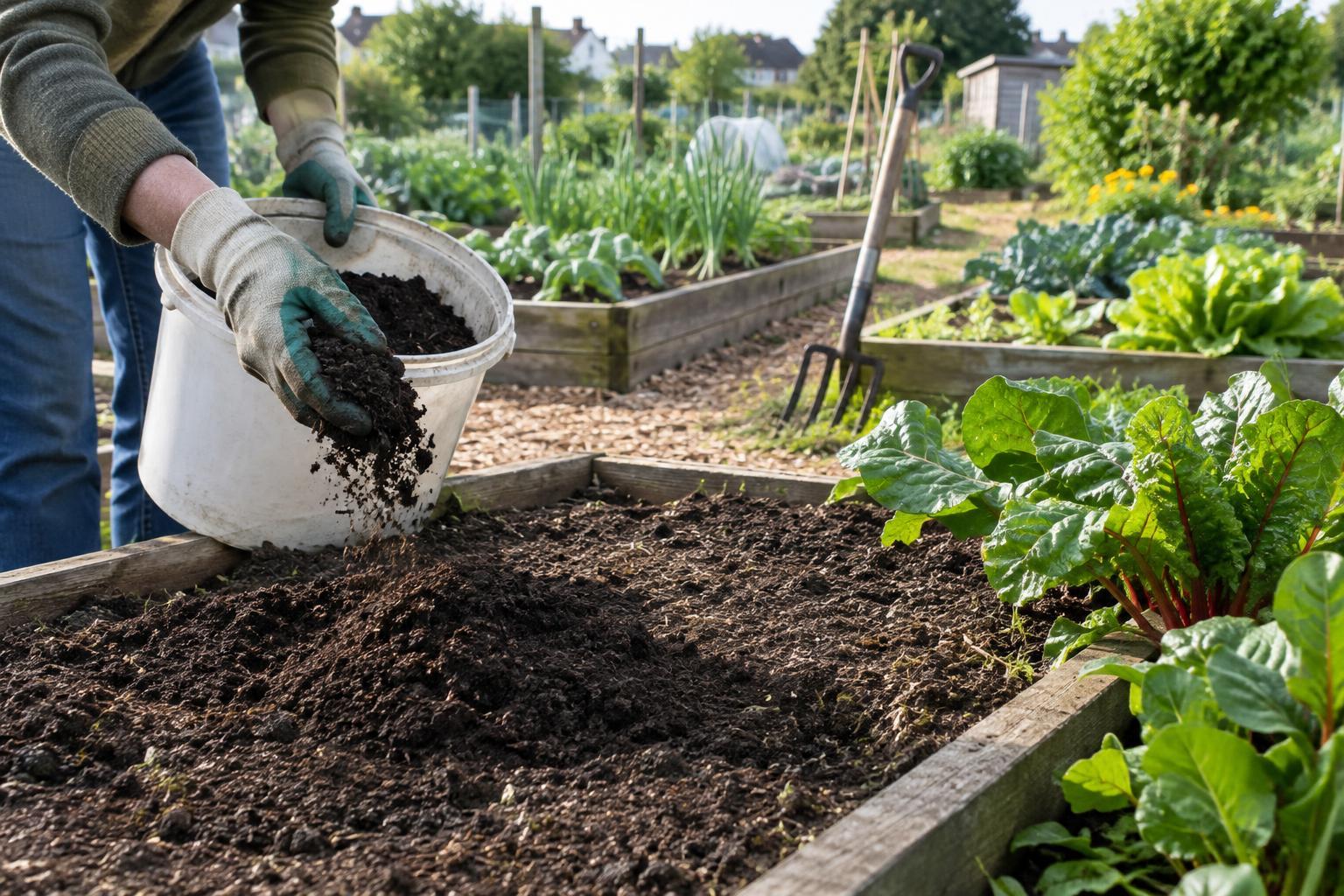
Avoid spreading manure when rain or irrigation could wash it into planted beds. Incorporate it without creating unnecessary dust or splashing onto crops, then wash hands and clean footwear and tools after handling it. Before harvest, remove visibly soiled outer leaves where practical and wash produce under running water. These steps work best as layers of protection alongside careful sourcing, composting and timing—not as a way to make a recently manured crop risk-free.