What soil structure means
Soil texture describes the proportions of sand, silt, and clay. Soil structure describes how those particles are arranged. When particles bind into small clusters called aggregates, they leave spaces between and within the clusters. A soil can have plenty of nutrients yet be difficult for plants to grow in if its structure restricts roots, air, or water.
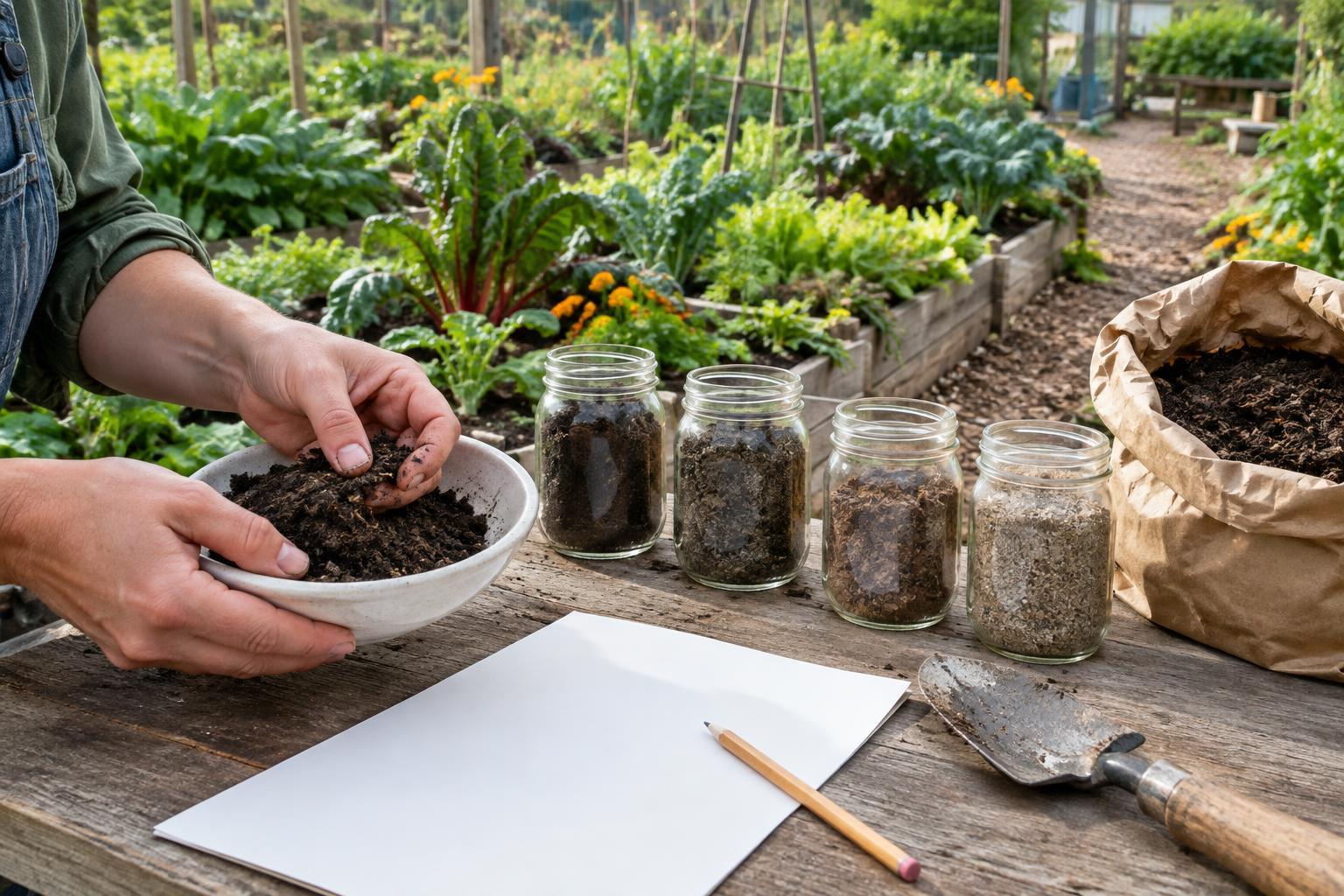
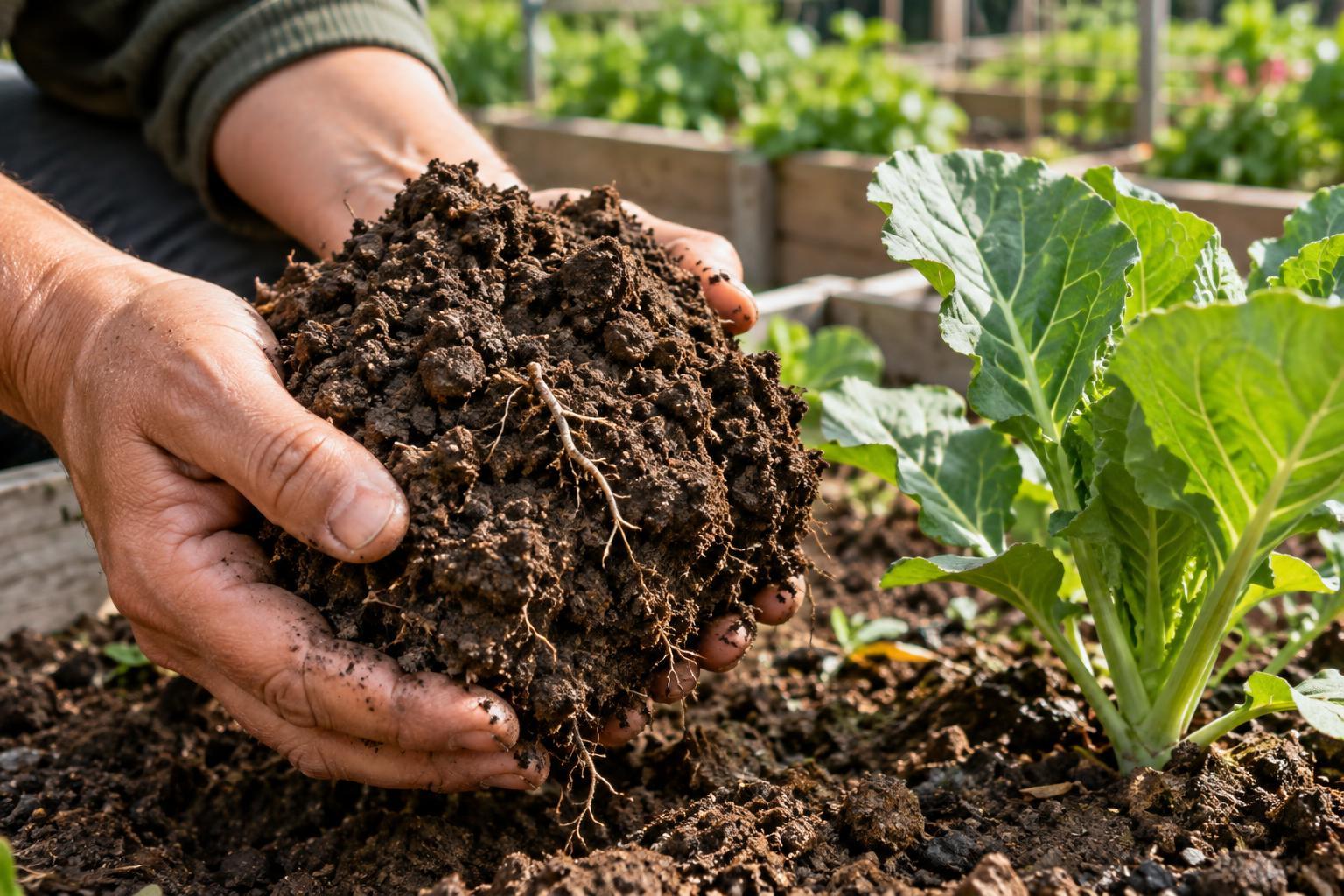
Well-structured garden soil often breaks into small, irregular crumbs when it is moist but not wet. It need not look perfectly uniform: soil changes with depth, and different crops tolerate different conditions. The useful question is whether the soil gives roots room to explore while allowing water to enter and excess water to move away.
Aggregates create a framework
Aggregates form as soil particles are brought together by roots, fungal growth, decomposing organic matter, and other soil activity. Clay can help particles stick together, while plant residues and soil organisms contribute to the bonds that hold them. These clusters are not permanent. Repeated pressure or working the soil when it is wet can damage them.
Good aggregation helps soil hold its shape without becoming a solid mass. It can make a bed easier to plant and can reduce the tendency for the surface to crust after rain or watering. Adding compost may support aggregation over time, but compost is not an instant fix for severe compaction. Protecting the structure already present is just as important as adding organic matter.
Why pore spaces matter to roots
Pores are the spaces in soil that can contain either air or water. Larger pores help water drain and air move through the soil; smaller pores tend to hold water that plants may use between waterings. A useful root zone has a range of pore sizes. Too few large pores can leave soil poorly aerated after rain, while soil dominated by large spaces may dry quickly.
Roots need moisture, but they also need oxygen for normal growth. As roots spread, they follow openings and create some of their own. In compacted ground, roots may turn sideways, remain shallow, or struggle to pass through a dense layer. That can limit the volume of soil a plant can draw on, making careful watering and feeding less effective than they would be in a less restricted bed.
How to observe structure in a garden bed
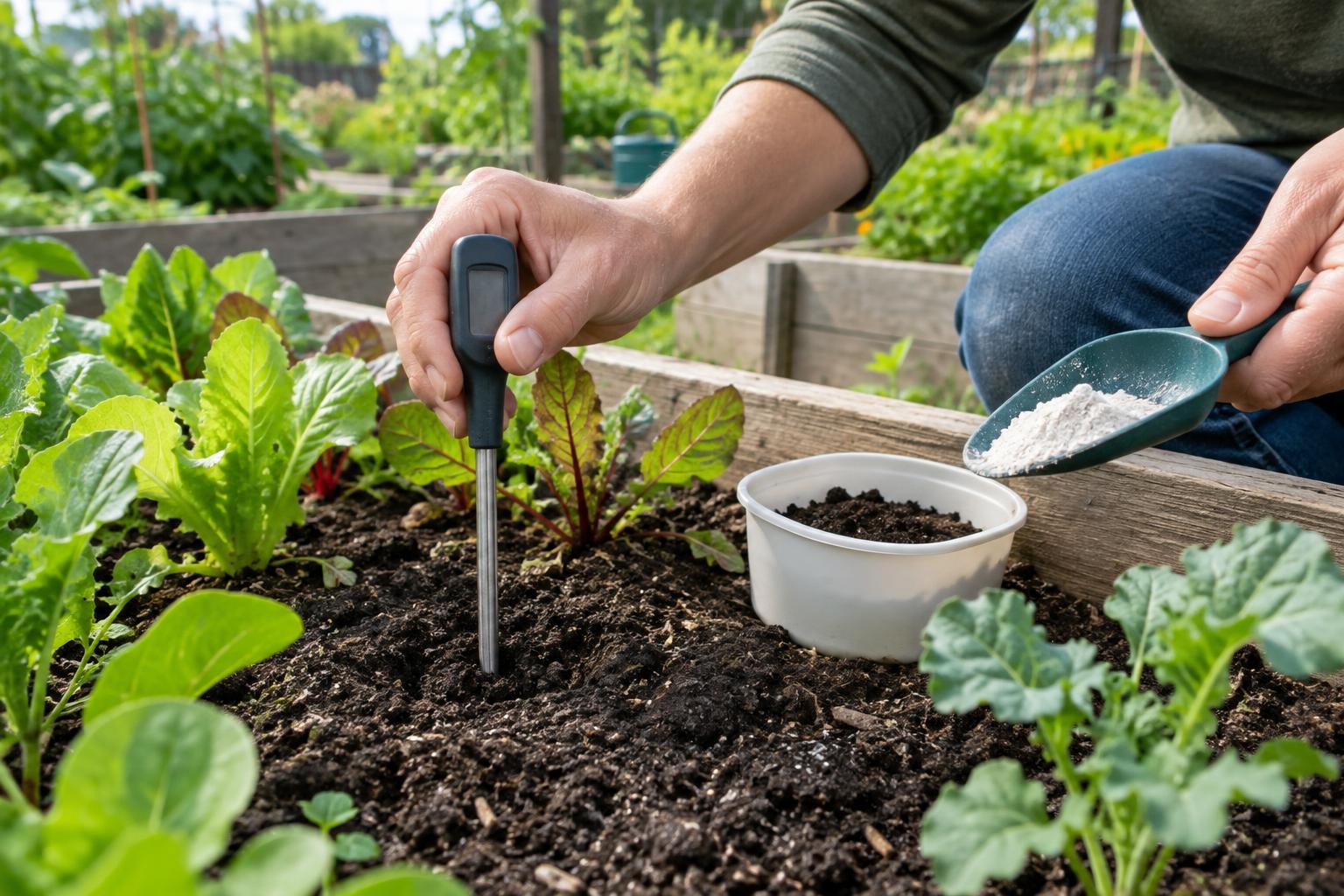
Start with a small hole in a bed that is moist enough to dig but not saturated. Look at the soil from the surface downward. Does it separate into crumbs, or come away in hard plates or dense clods? Are roots spreading through the soil, or collecting above a firm layer? A crust at the surface, persistent puddles, and water that runs off rather than soaking in can also be clues, though each may have more than one cause.
Compare spots that receive foot traffic with protected planting areas. In a shared garden, this can reveal whether paths are wide and clear enough to keep people off beds. Avoid judging structure from one handful alone: recent watering, weather, and depth all affect how soil feels. Observations made over several visits give a better picture of where improvement is needed.
Protect and gradually improve the root zone
Keep regular traffic on designated paths, and use boards temporarily when access to a bed is unavoidable. Wait until wet soil is workable before digging or planting; soil that smears or sticks heavily to a tool is often too wet to disturb. A layer of mulch can cushion the surface from heavy rain and help limit drying, while living roots from garden crops or cover crops help keep soil biologically active.
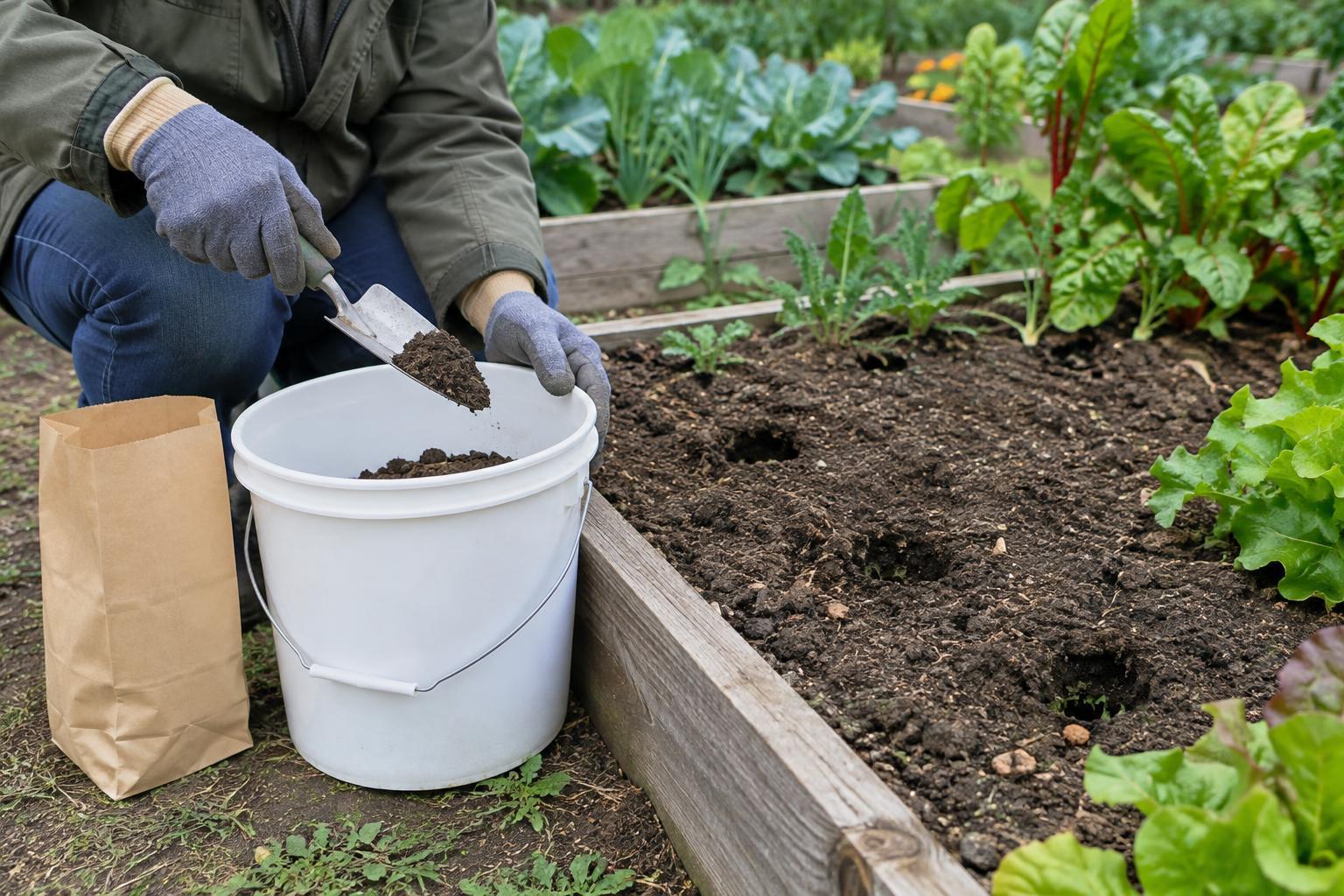
Where suitable, spread finished compost on beds and incorporate it lightly when preparing a planting area, or leave it at the surface under mulch. Avoid assuming that more amendment is always better, especially in beds that have received compost for years. If a dense layer persists, gentle loosening when the soil is workable may help create openings, but repeated deep disturbance can undo the benefits. In community gardens, clear paths, shared timing for bed preparation, and consistent care often make the biggest difference.