A garden bed is a living habitat
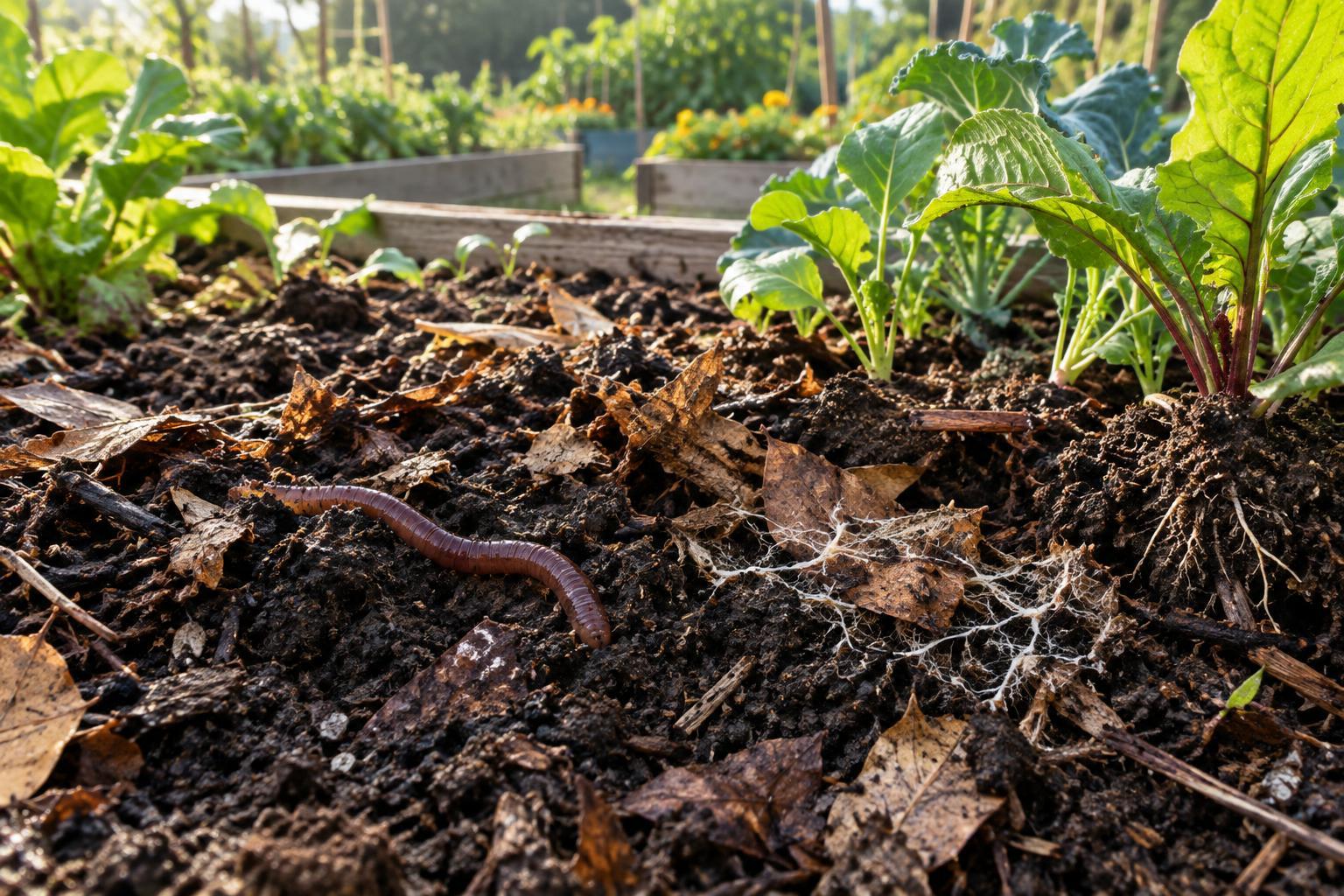
Soil holds mineral particles, water, air, organic matter and a community of living things. Some are visible, such as earthworms and beetles; many, including bacteria and fungi, are too small to notice without magnification. Their activity depends on conditions in the bed. A moist, covered soil surface can be a very different habitat from bare ground that is repeatedly compacted or allowed to dry out.
Not every soil organism helps every plant. Some feed on roots or cause disease, while others consume those organisms or compete with them. The practical goal is not to eliminate the troublesome members of this community. It is to give plants good growing conditions and avoid disrupting the many organisms that help organic matter break down and nutrients circulate.
How organisms help roots and soil
Bacteria and fungi decompose fallen leaves, dead roots and other organic material. As that material changes, some nutrients become available for plants to take up; other nutrients remain tied up in soil organic matter or in the organisms themselves until later. This is one reason compost and plant residues can contribute to a bed over time rather than acting like an instant plant food.
Soil organisms also affect the physical space around roots. Earthworms and other burrowing animals move through soil and leave channels that may help air and water enter. Fungal threads, roots and substances produced by microbes can help small soil particles hold together. These effects vary with soil type and conditions, but they help explain why a workable bed depends on more than the nutrients listed on a fertilizer package.
Keep soil covered and feed it thoughtfully
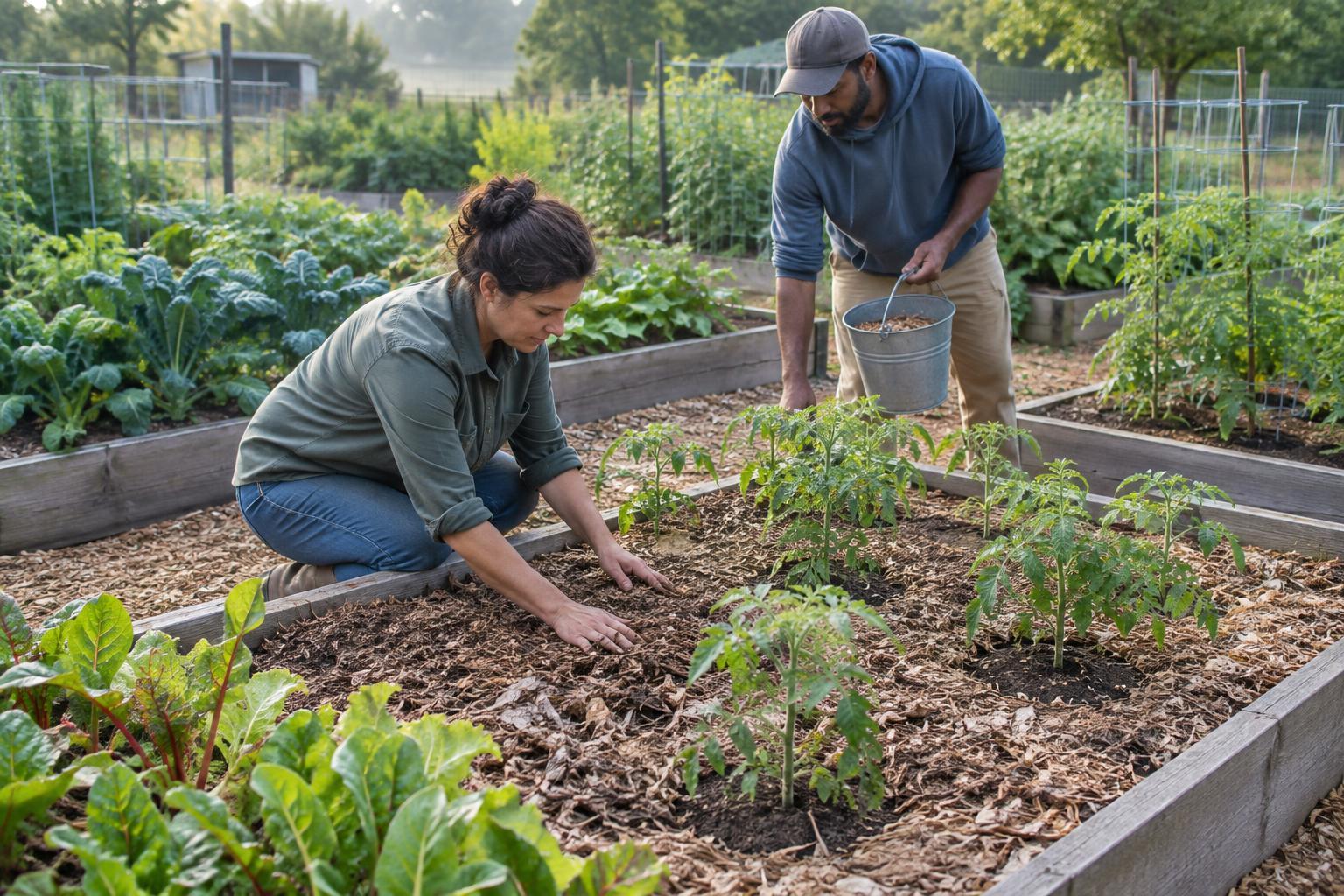
A layer of leaves, straw or another suitable organic mulch helps protect the surface from heavy rain and drying sun. As it breaks down, it supplies material for decomposers. Keep mulch a little away from plant stems to reduce prolonged dampness against them. Cover crops can serve a similar protective purpose between plantings, while their living roots provide another source of organic material when the crop is cut or dies back.
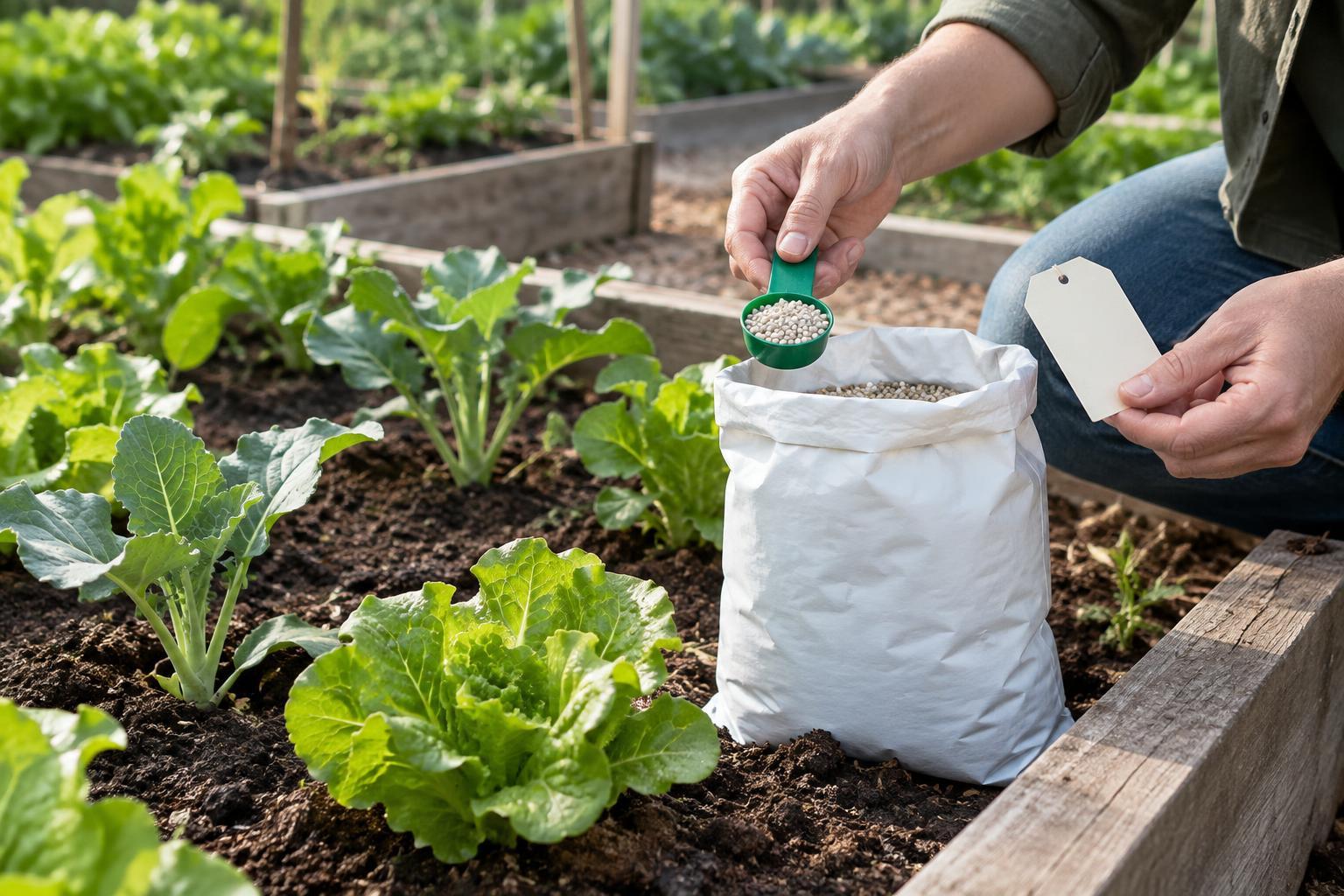
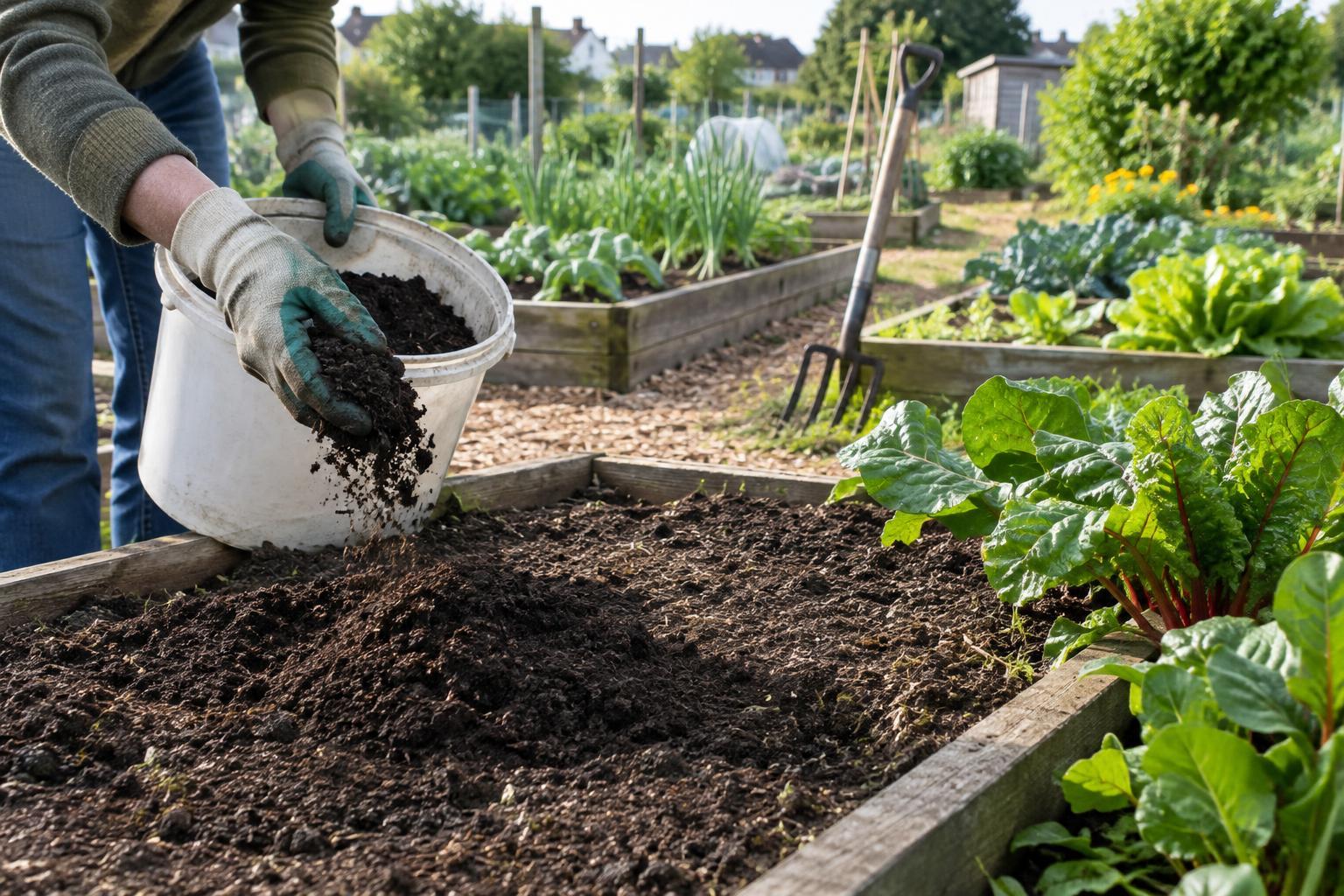
Finished compost can be spread on top of a bed or mixed into the upper soil when preparing a new planting area. Use material that is ready for garden use, and avoid piling on more simply because it is available. Excess organic amendments can create nutrient imbalances, just as excess fertilizer can. If growth is poor despite reasonable care, a soil test may help distinguish a nutrient issue from problems such as drainage, shade or compaction.
Reduce avoidable stress on the soil
Soil organisms need both moisture and air. Water deeply enough to reach roots when the soil needs it, but check conditions before watering again; constantly saturated beds can leave too little air in the spaces between particles. Clear paths and designated work areas help gardeners avoid stepping on growing beds, especially when the soil is wet and easily compressed.
Digging has a purpose when establishing a bed, removing a persistent weed or incorporating an amendment. Once a bed is working well, however, it often needs less turning than gardeners assume. Pulling weeds while they are small, cutting spent plants near the soil line where appropriate, and adding compost at the surface can limit disturbance. When a plant shows damage, identify the likely cause before applying a pesticide: an unnecessary treatment may affect organisms that were not causing the problem.
Make soil care a shared garden habit
In a community garden, small decisions by many people add up. Agreeing on where to walk, where to store mulch and how to manage shared compost makes it easier to protect beds consistently. Label materials clearly so gardeners know what is suitable for use, and keep fresh food scraps out of planting beds rather than burying them where people are growing crops.
Soil care does not require a perfect bed or a promise never to dig. Start with a few habits: keep growing soil covered when possible, add appropriate organic matter, avoid working it when it is soggy, and watch how water moves through it. Over successive plantings, those observations can guide practical changes that support both roots and the organisms living alongside them.