What soil pH tells you
Soil pH describes how acidic or alkaline soil is. A reading of 7 is neutral; lower numbers are acidic and higher numbers are alkaline. pH matters because it influences how readily plants can take up nutrients already present in the soil. A plant with yellowing leaves may appear to need fertilizer when the underlying problem is that its roots cannot access a nutrient easily. Yellowing has other possible causes, too, so appearance alone cannot diagnose a pH problem.
Many common vegetables grow well in soil that is slightly acidic to near neutral, while some plants prefer a more acidic setting. The goal is not to make every bed read exactly 7. In a shared garden, it is more useful to know what is growing in each area and whether the soil falls within a suitable range for those crops. If plants are growing well and a soil test shows an appropriate pH, leave it alone.
Test before you change anything
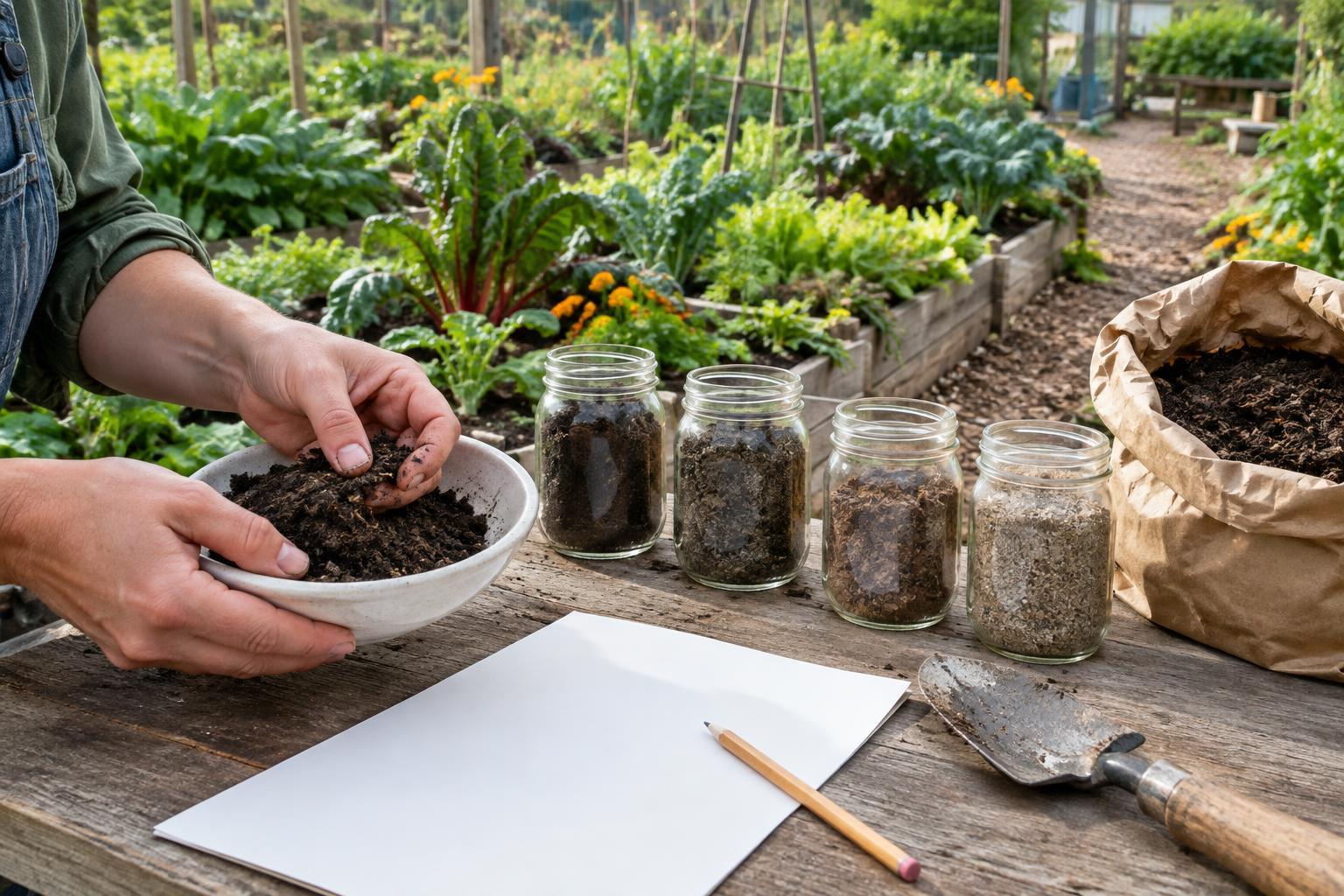
A soil test is the best starting point before adding lime or sulfur. Follow the sampling instructions provided by the testing service or kit. For an in-ground bed, collect small samples from several spots at the recommended depth, mix them in a clean container, and submit a representative portion. Keep beds with different histories separate: a heavily composted vegetable bed, a new bed near a building, and a bed intended for acid-loving plants may need different decisions.
A laboratory test may report both pH and a recommended amendment amount for the crop and soil tested. That recommendation is more useful than choosing a rate from pH alone, because soils differ in how strongly they resist change. Home test kits can offer a starting indication, but a lab recommendation is particularly helpful if the result suggests a substantial adjustment. Record the sample location, result, and any changes made so future gardeners can see what happened in each bed.
Decide whether an adjustment is worthwhile
Compare the test result with the needs of the plants you intend to grow. A small difference from a preferred range may not justify an amendment, especially if the plants are healthy. Before treating an entire shared plot, consider whether a crop with different needs could grow in a separate bed or container. This avoids changing soil that already suits most of the garden.
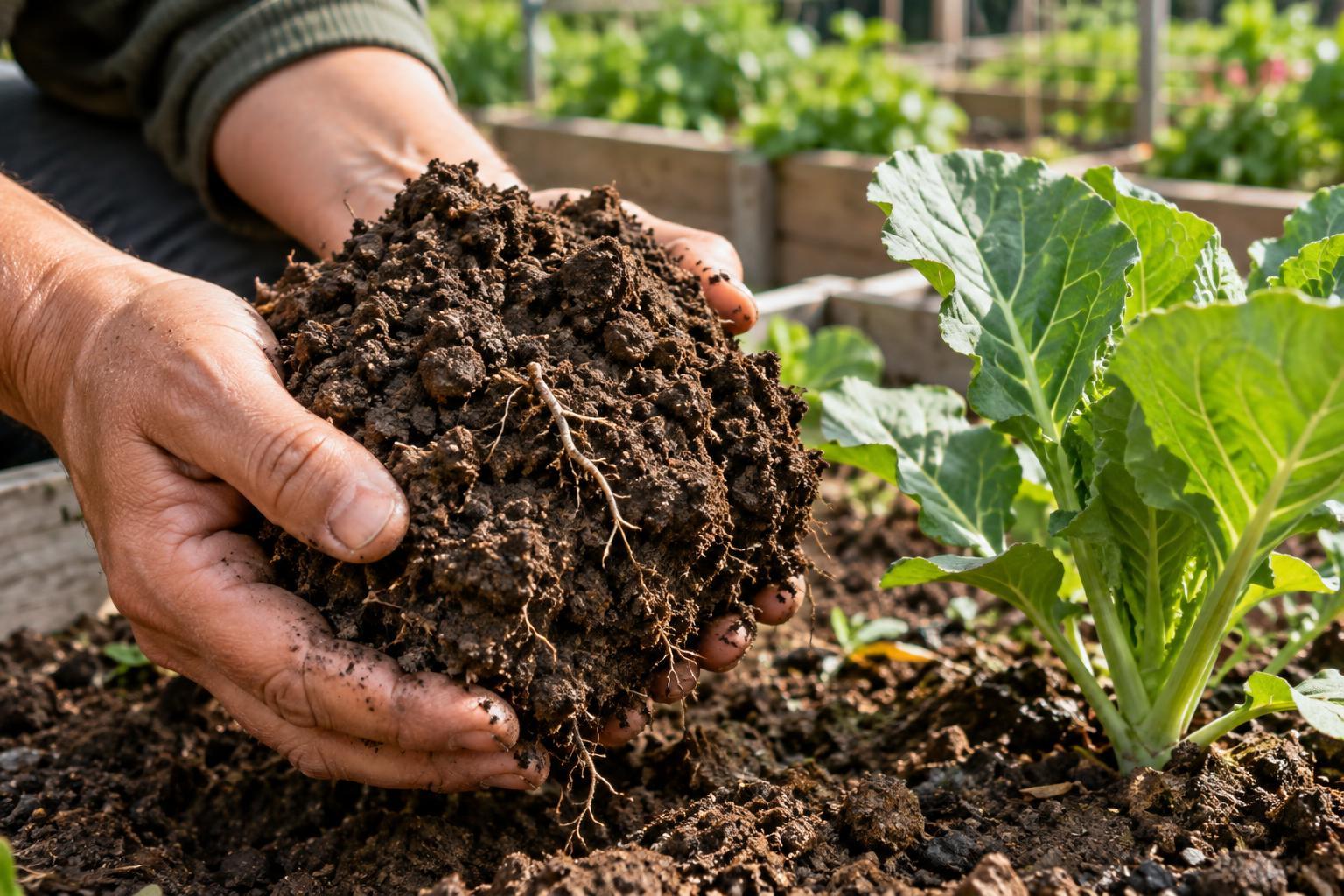
If pH seems to shift repeatedly, look at how the bed is managed. Added soil, irrigation water, fertilizers, and amendments can all influence conditions over time. Compost improves soil structure and supplies organic matter, but it is not a dependable way to make a large, predictable pH correction. Likewise, adding more fertilizer will not necessarily solve a nutrient-uptake problem caused by unsuitable pH. Testing helps distinguish a needed correction from an unnecessary expense.
Raise or lower pH carefully
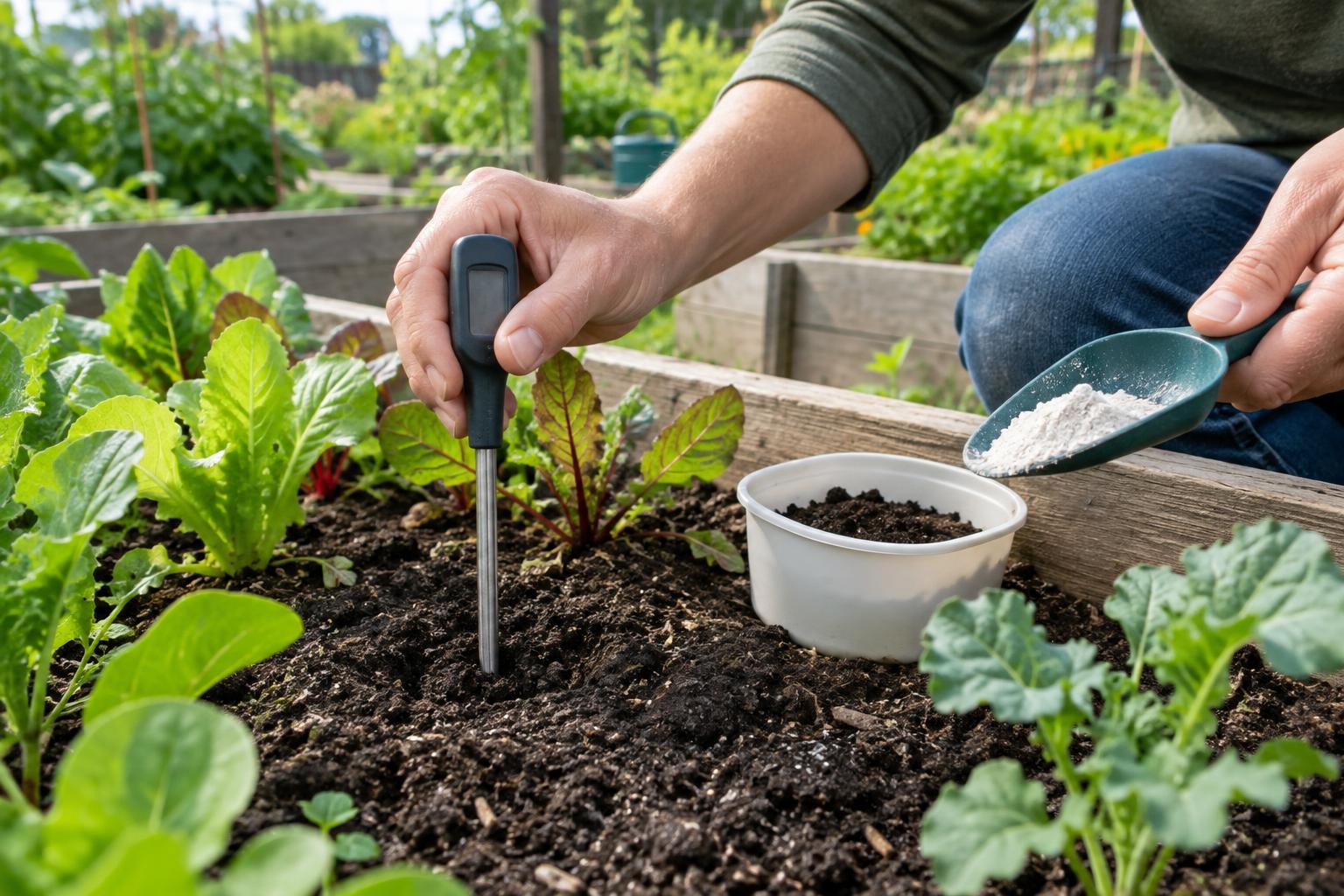
Garden lime is commonly used to raise the pH of acidic soil. Different lime products have different properties, so follow the soil-test recommendation and the product label rather than assuming they are interchangeable. Elemental sulfur is commonly used to lower the pH of alkaline soil. Its effect develops gradually as soil conditions allow it to react, so it is not an instant fix. In either direction, use a measured amount for the specific bed area and avoid adding extra in hopes of speeding the change.
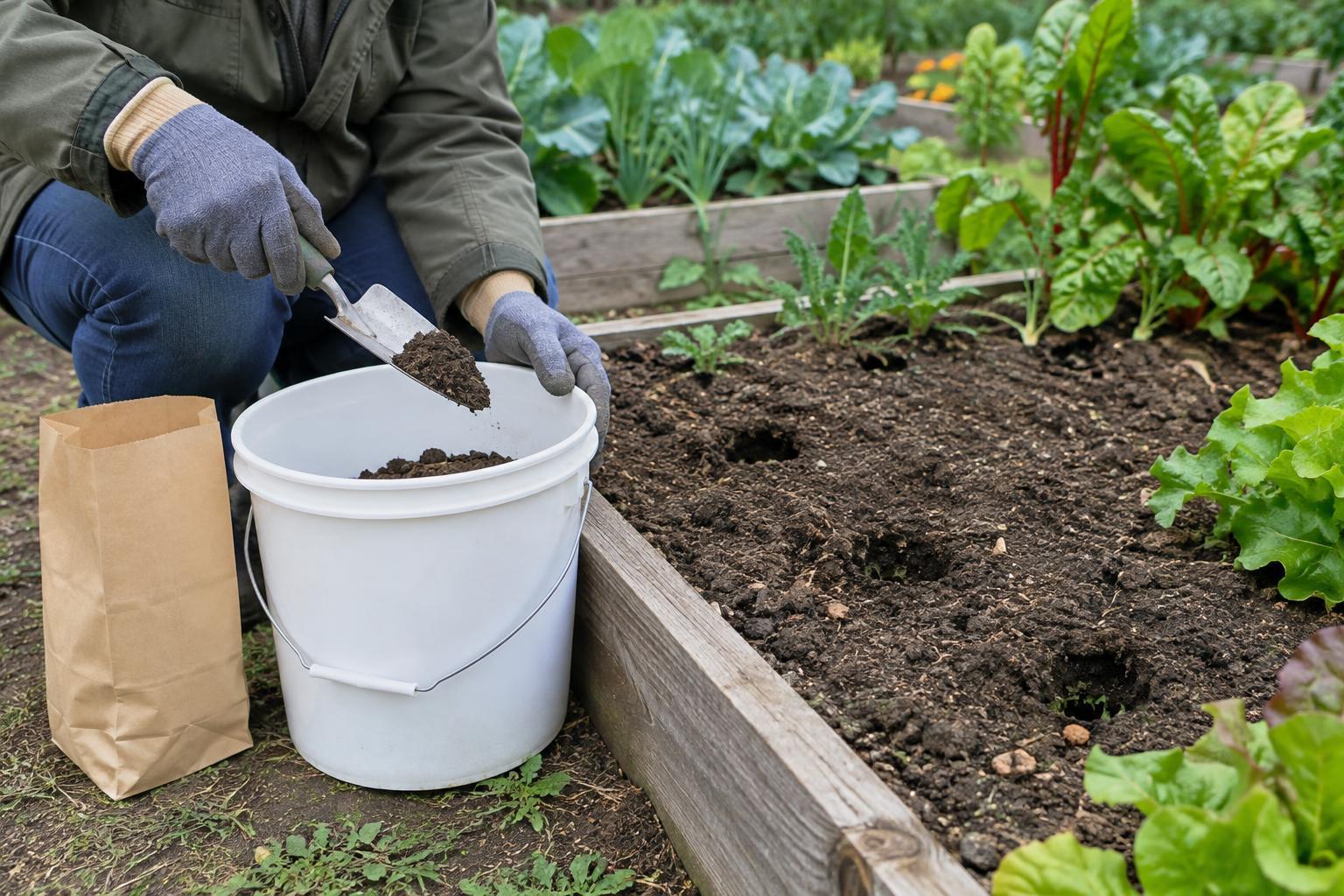
Where practical, incorporate an amendment evenly into the soil before planting, following the recommended depth and rate. Work only when the soil is fit to handle, rather than wet enough to clump and compact. Keep products out of paths and neighboring beds, and follow label guidance for handling and storage. Large pH changes may take time or more than one carefully assessed application. Adding too much at once can move the soil past the desired range and create a new problem.
Retest and keep a bed-by-bed record
Give an amendment time to work before checking the result again; use the testing service’s guidance on when to retest. Sample the same bed in a consistent way so results are easier to compare. If the pH has not moved as expected, do not automatically repeat the original dose. Soil texture, amendment placement, moisture, and other conditions can affect the outcome, and a fresh recommendation is safer than a guess.
For a community garden, a simple map and log can prevent repeated or conflicting treatments. Note each bed’s intended crops, test results, amendment product and amount, and follow-up test. Share that record with volunteers before anyone adds lime, sulfur, or new soil. The aim is not constant correction; it is to understand the soil well enough to make occasional, deliberate changes that support the plants growing there.