Why waiting for workable soil matters
The first warm days of spring invite digging, but air temperature is not a reliable guide to soil moisture. A bed may look dry on top while remaining wet a few inches down. Working it too soon can press soil particles together, reducing the spaces that hold air and let water drain. The result may be hard clods that are difficult to break up later.
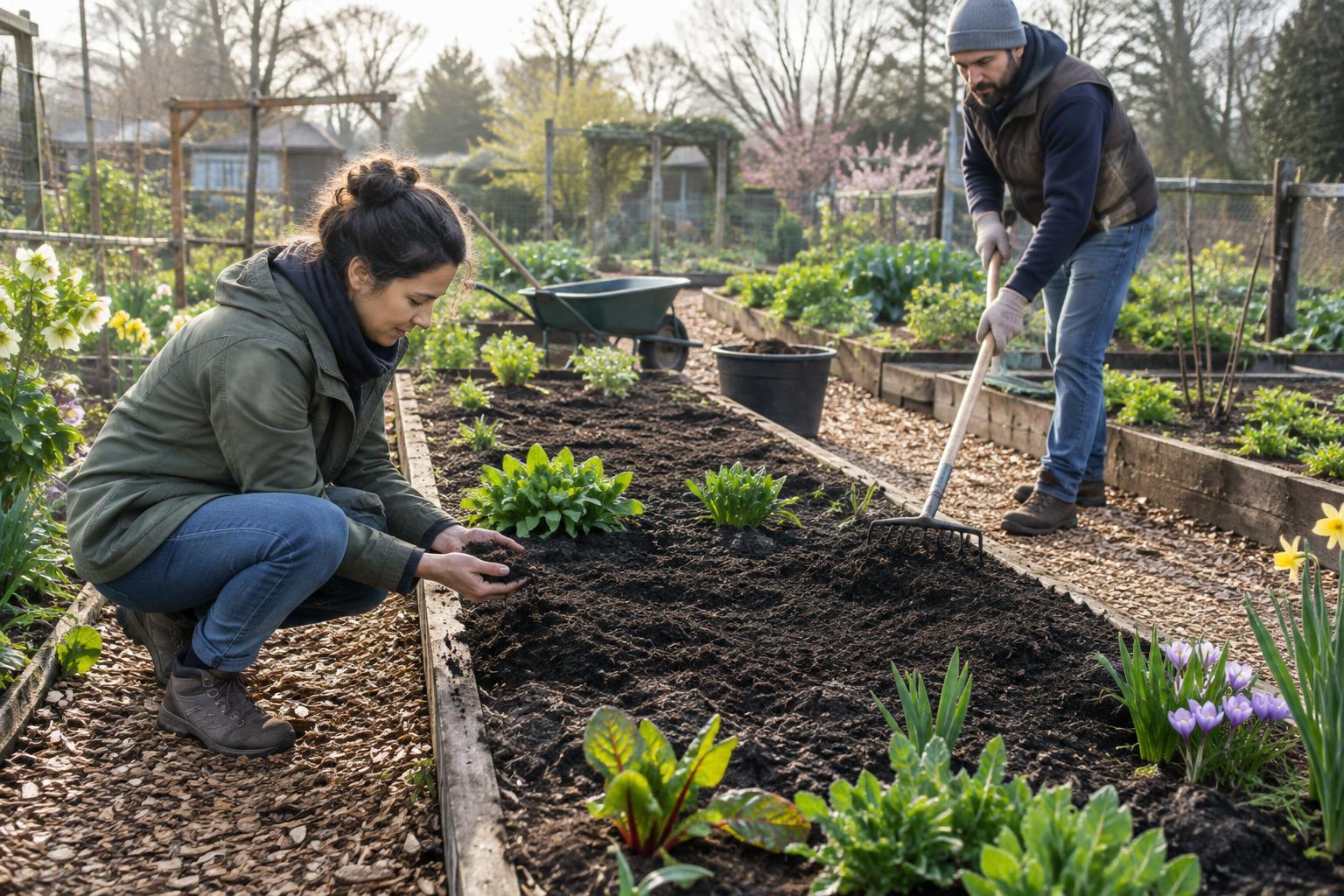
In a community garden, it helps to make this decision bed by bed rather than setting one opening day for every plot. A raised bed, a shaded plot and a low spot that collects runoff may dry at different rates. Check the soil where you plan to work, and wait if it still feels sticky or easily packs into a lump.
Try the handful-of-soil test
Move aside any mulch and take a small handful of soil from the depth you intend to loosen, not just the surface. Squeeze it firmly, then open your hand. If water appears or the soil feels slick and smears across your palm, it is too wet to dig. If it holds a tight ball that stays together when you tap or gently press it, give the bed more time.
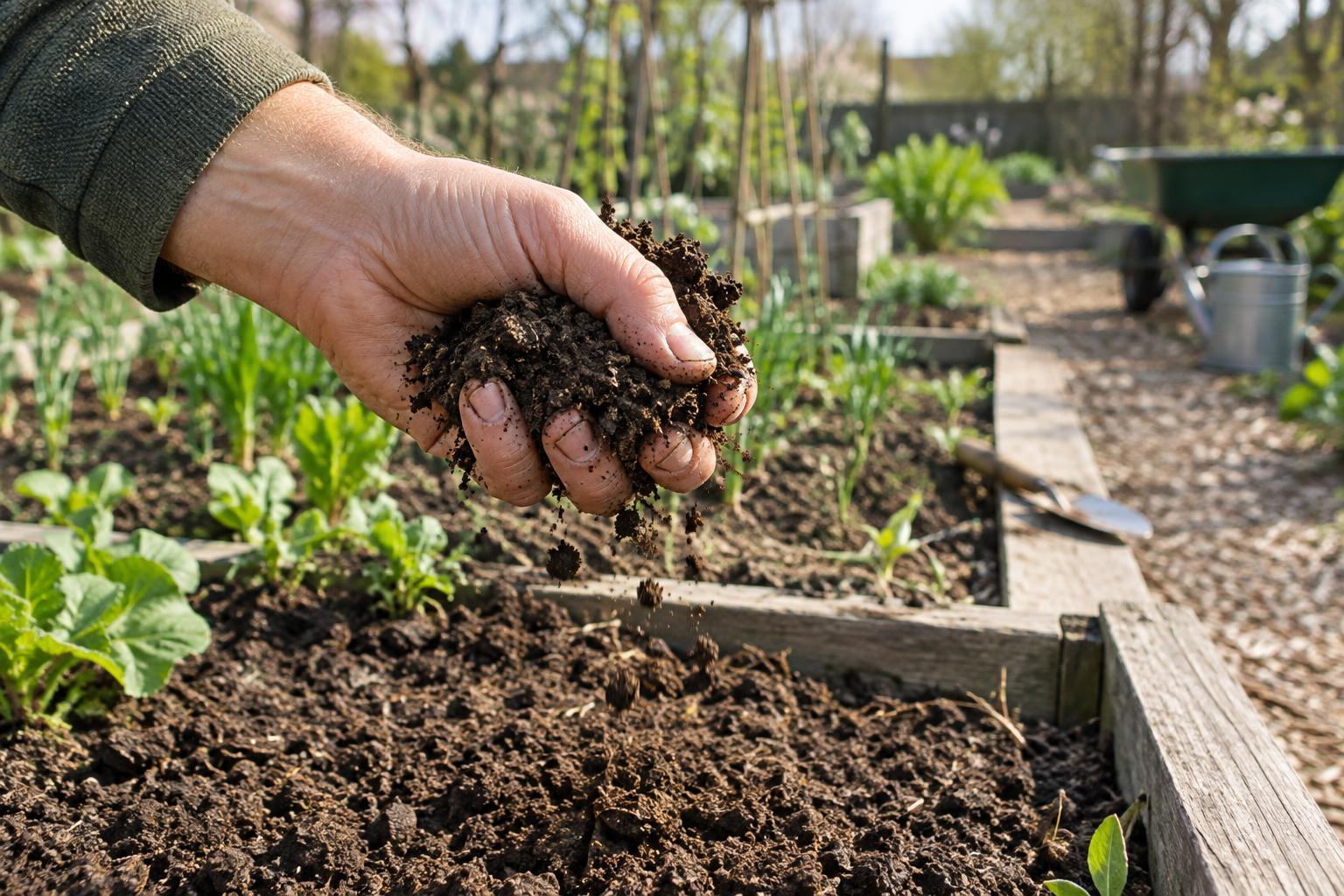
Soil that is ready to work usually feels damp but not sticky. It may form a loose ball when squeezed, then break into smaller pieces with a light touch. If it is so dry that it will not hold together at all, moisture is not the reason to delay; you may instead need to water before sowing small seeds. Repeat the test in a few places, especially where one end of a bed sits lower than the other.
Read the result in context
The exact feel depends on the soil. Clay-rich soil can form a firmer ball than sandy soil even when both are suitable to work, so pay attention to stickiness and whether a lump breaks apart without much force. Sandy soil may fall apart readily while still feeling moist. Over time, testing the same bed in different conditions will help you recognize its workable state.
Your feet offer another clue. If walking in a bed leaves deep impressions or brings wet soil onto your shoes, stay off it. Use established paths to reach the plot, and avoid moving wheelbarrows across damp planting areas. Even when the surface passes the hand test, check a little deeper before turning or loosening soil below it.
What to do while the bed dries
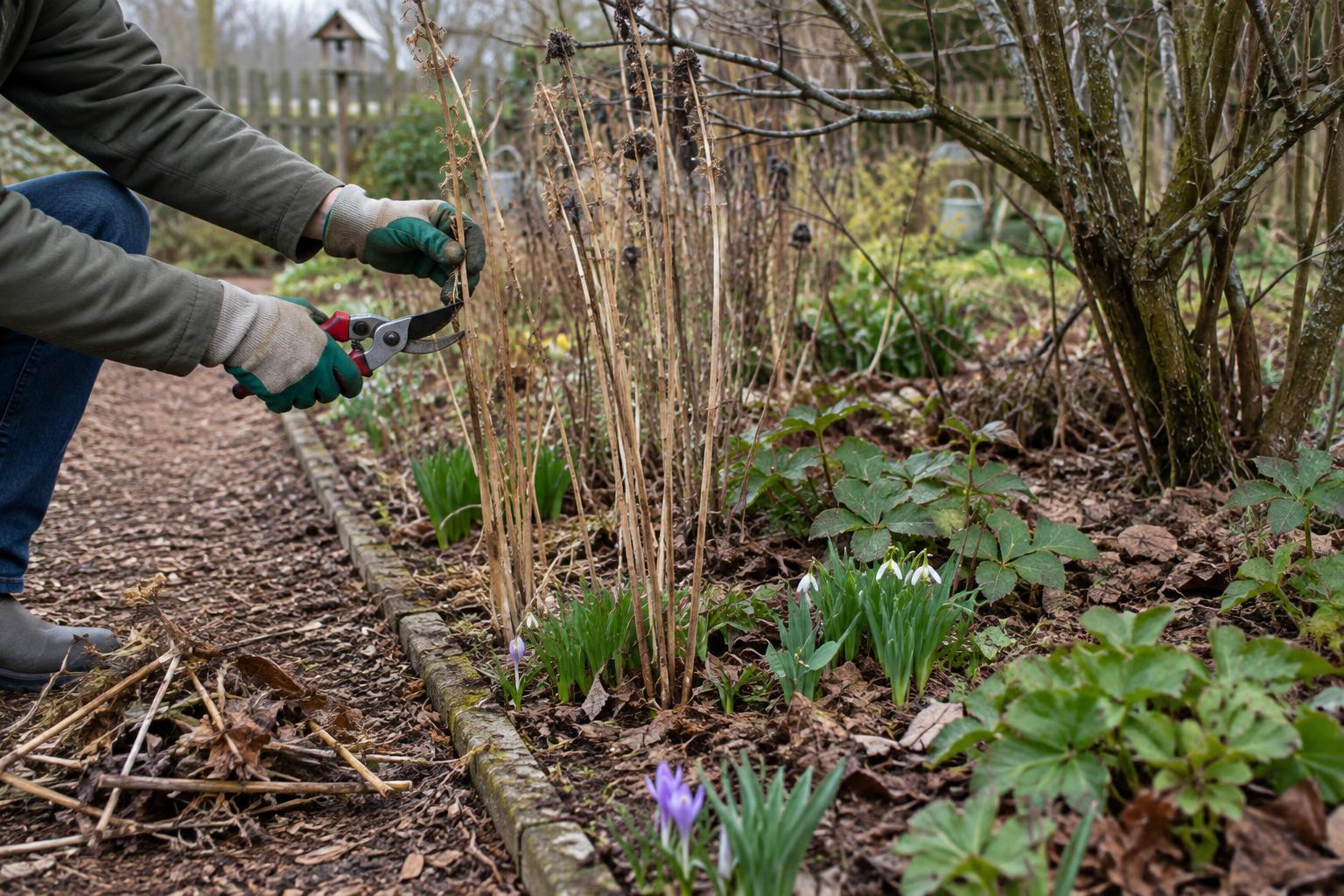
Waiting does not have to stop spring preparations. Clear debris from paths, repair bed edges, check hoses and watering cans, and plan where crops will go. If mulch is keeping a bed especially damp, you can move it aside temporarily to let the surface dry, then return it when appropriate. Avoid repeatedly digging into wet soil just to see whether it has changed; use a small sample instead.
Once the soil passes the test, work only as much as the planting plan requires. Pull weeds, add finished compost if needed, and gently loosen the area for seeds or transplants. There is no need to turn an entire bed simply because spring has arrived. Keeping feet and tools off the rest of the growing area helps preserve the soil structure you waited for.
Moisture is only one planting check
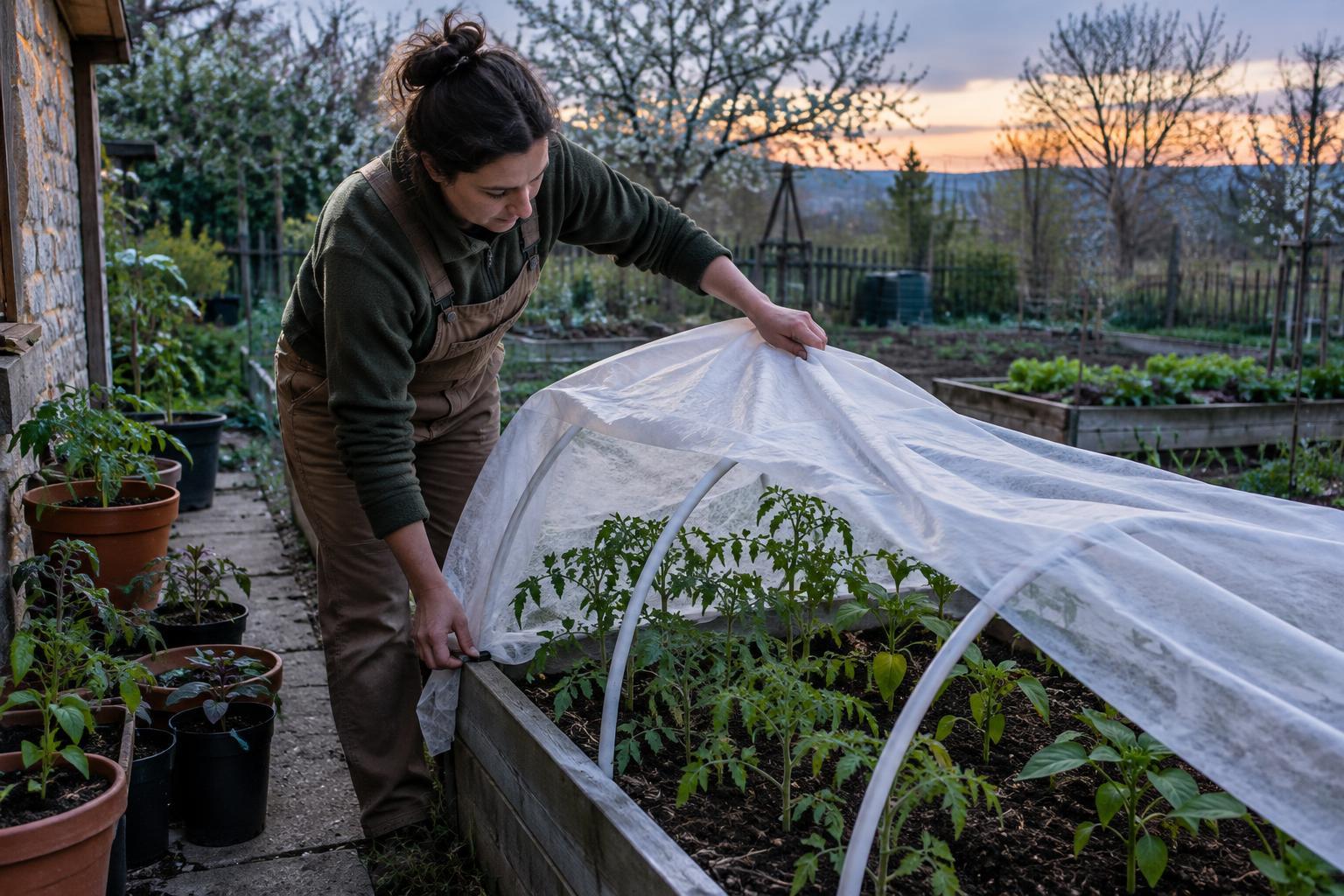
Workable soil is not necessarily warm enough for every seed or transplant. Some crops tolerate cool conditions, while others establish better after the soil and nights have warmed. Check the needs of the crop you intend to grow rather than treating the moisture test as a signal to plant everything at once.
For shared spaces, a simple note at each plot or a message to the garden group can prevent eager helpers from preparing a bed prematurely. Record which areas are still sticky and which are crumbly enough to work. A few minutes spent testing can save far more effort than breaking up compacted soil after it dries.