Start with a careful harvest and inspection
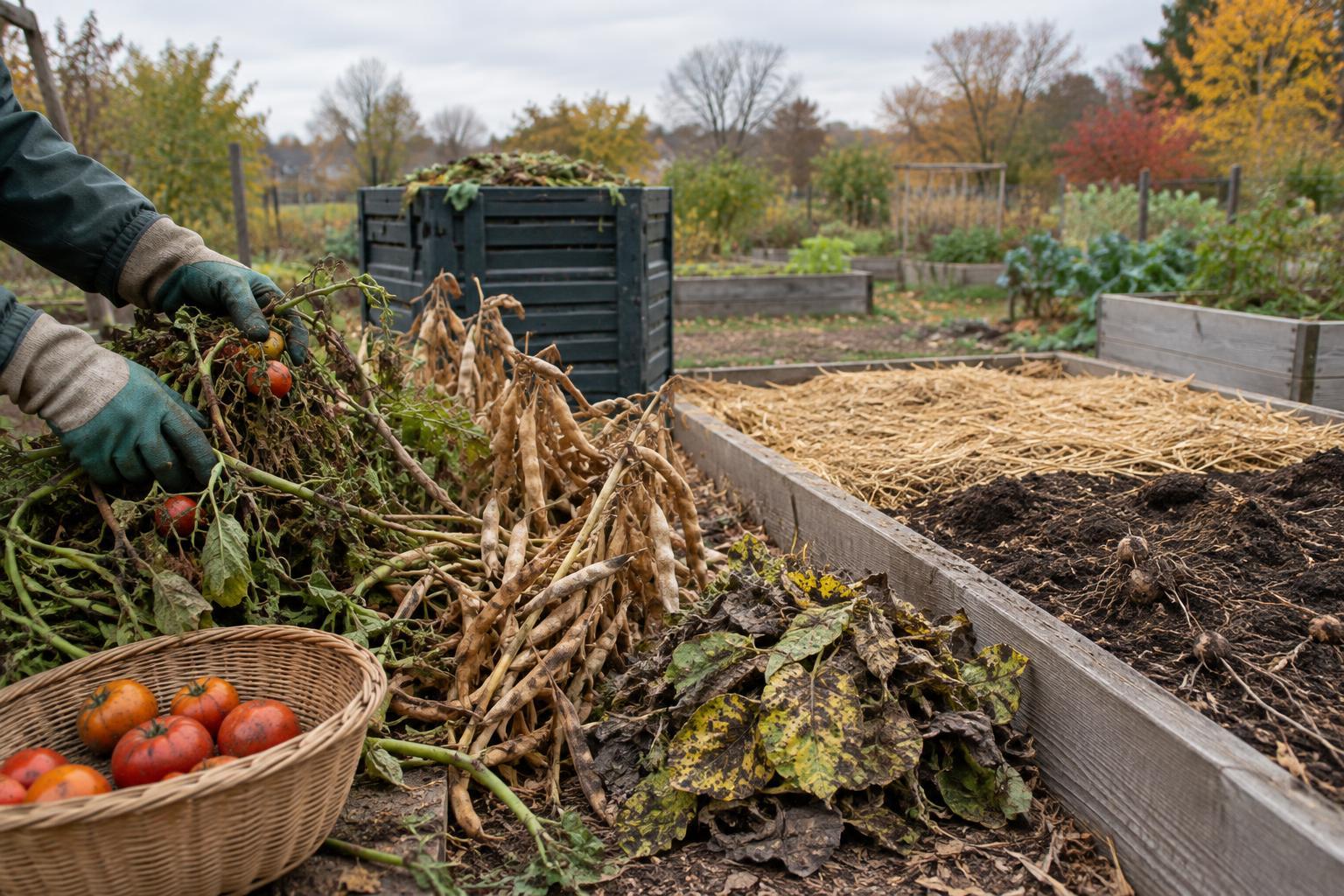
A vegetable plant is spent when it has finished producing useful harvests or is unlikely to recover before the growing season ends. Before pulling it out, check for overlooked fruit, dry beans, or seed you intended to save. Remove any supports, ties, labels, and clips you want to reuse. Keeping these items separate from plant debris makes cleanup easier and prevents plastic or wire from entering the compost pile.
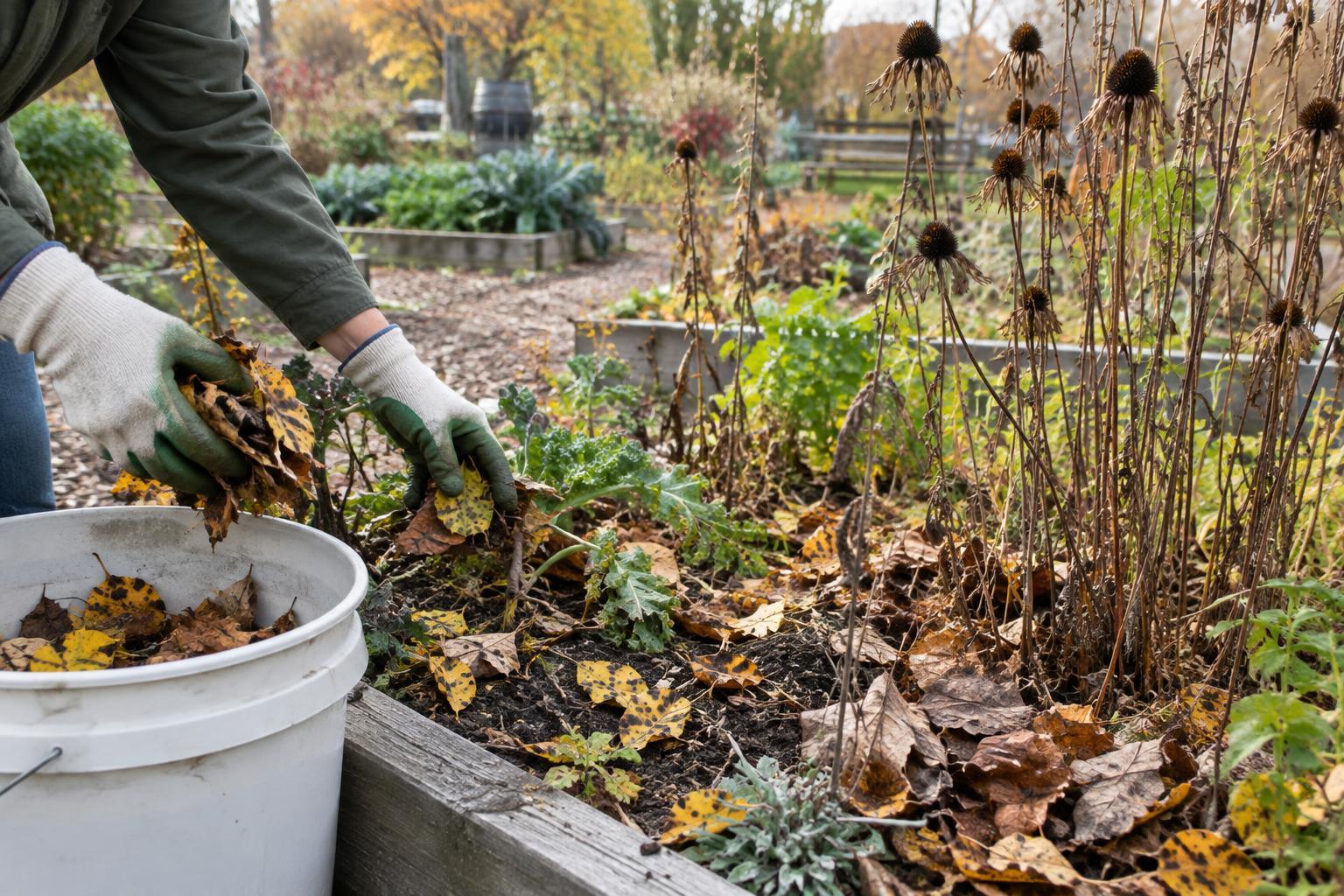
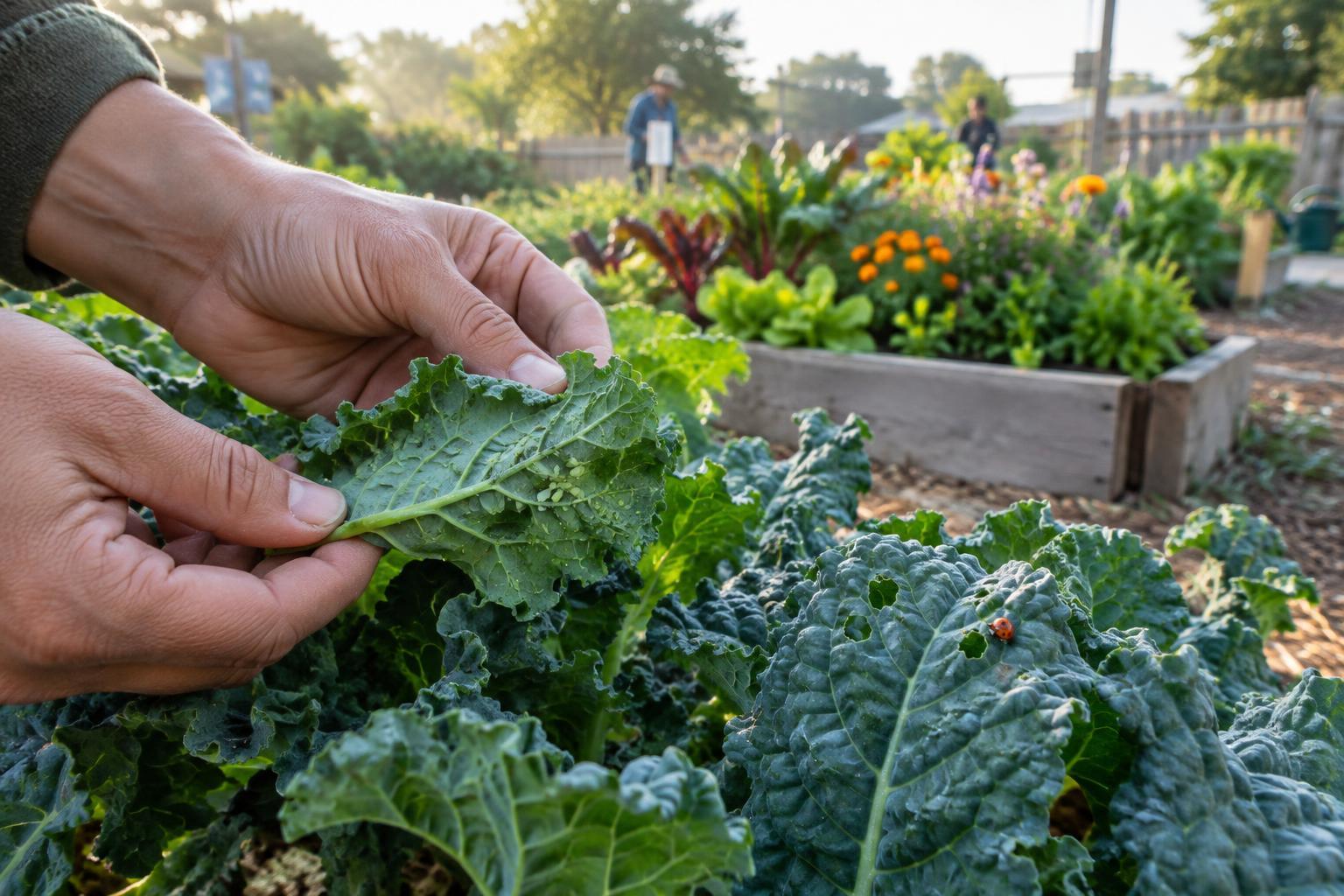
As you clear each plant, look at its leaves, stems, and roots. Ordinary yellowing and drying at the end of the season are different from obvious signs of trouble, such as extensive mold, rotting stems, or unusual swellings on roots. You do not need to identify every problem on the spot. Set questionable material aside rather than mixing it with healthy trimmings, and make a note of where it grew so the next gardener knows what to watch for.
Choose where each plant should go
Healthy vegetable plants can often go into a well-managed compost system. Cut bulky tomato vines, corn stalks, and other coarse growth into shorter pieces so they fit and break down more readily. Mixing them with dry leaves or other brown material helps keep a pile from becoming a dense, wet mass. Pull off synthetic ties and netting first; even small pieces are frustrating to remove from finished compost.
Be more cautious with plants showing significant disease symptoms or carrying mature weed seeds. A compost pile that does not heat evenly may not reliably break down every pathogen or seed. If your garden has a rule for handling these materials, follow it. Otherwise, check which plant materials your local yard-waste service accepts, or use the appropriate disposal option available to you. Avoid leaving suspect plants beside beds where they can scatter seeds or be moved back into the garden.
Decide whether to pull the roots
You do not always need to remove the entire root system. Fine roots from healthy annual crops can usually be left in the soil to decompose, while the stems are cut at ground level. This disturbs the bed less than digging everything out. Pull roots when you need to inspect a struggling plant, remove a stubborn crown, or make room for a cover crop or another planting.
Large, woody stems may need a firm pull or a spade. Work when the soil is moist enough to release roots without tearing up big clumps, but not so wet that it compacts underfoot. If roots have unusual knots, soft rot, or other concerning signs, keep them out of the ordinary compost stream until you have decided how to handle the material. Clean soil from reusable stakes and tools before storing them, especially after working in a problem bed.
Protect the cleared bed
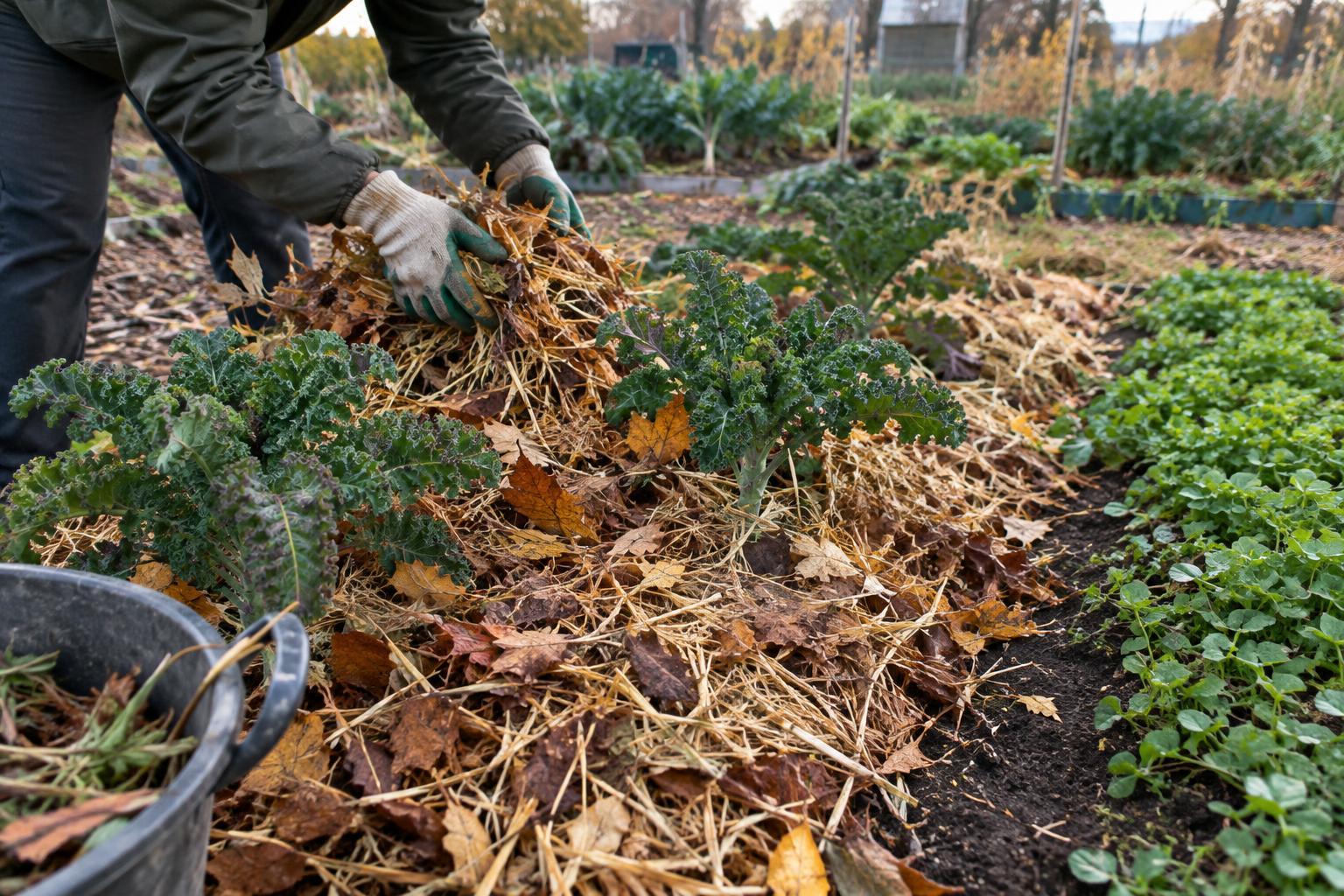
Once the plants are gone, avoid leaving bare soil exposed longer than necessary. A layer of shredded leaves, clean straw, or finished compost can help protect the surface from pounding rain and erosion. A suitable cover crop is another option if there is enough growing time for it to establish. Choose based on your climate, the next planned crop, and how much time someone can commit to managing the cover crop.
End-of-season cleanup is also a useful time to look at the bed itself. Remove escaped weeds before they drop more seed, repair edging or paths, and note areas where water pooled or plants struggled. Resist the urge to add large amounts of fertilizer just because the bed is empty. If you plan to amend the soil, base the decision on what you know about the bed and any available soil test results.
Make cleanup work for a shared garden
In a community garden, agree on where different materials belong before a cleanup day begins. Clearly mark bins for compostable plants, reusable supplies, and material that needs separate disposal. If gardeners maintain individual plots, explain whether they should clear their own beds or help with common areas. A short shared checklist can prevent healthy debris from being wasted and problem material from being added to a communal pile by mistake.
Finish by recording what you removed and any issues worth revisiting next season. A simple note such as “tomatoes declined early in the north bed” is more useful than relying on memory months later. With the harvest collected, debris sorted, and soil covered, the garden is easier to maintain through the quiet season—and easier to plant when growing begins again.