What succession planting does
A vegetable garden can produce more food than you need at one moment and very little a few weeks later. Succession planting helps smooth out those peaks and gaps. Instead of sowing every seed in a packet at once, you plant a manageable amount, then sow more later. You can also put a new crop into a bed after the previous one finishes.
The aim is not a perfectly timed harvest every week. Weather, pests and the time a plant takes to mature can all shift the schedule. A useful plan gives you several chances to harvest while leaving room to adjust. This is especially valuable in a shared garden, where smaller, more frequent harvests may be easier for members to use than one large crop.
Choose crops that fit the method
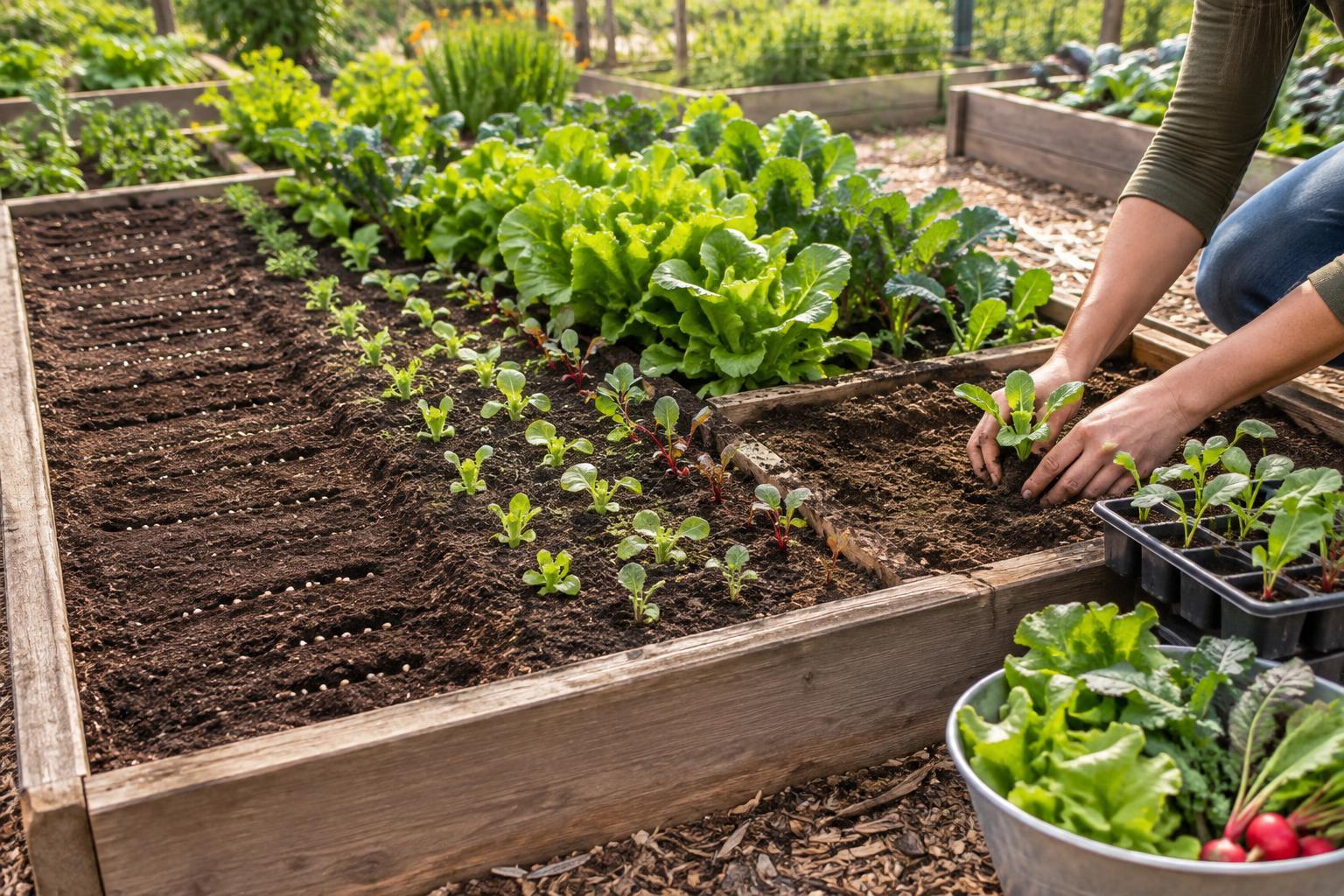
Fast-growing vegetables that are picked once make straightforward repeat plantings. Radishes, bush beans and many salad greens can be sown in short rows or small blocks at intervals. Leaf lettuce and other greens may also be harvested a little at a time, although their quality can change as conditions grow hotter or colder. Start with one or two crops you already enjoy eating rather than trying to stagger everything in the garden.
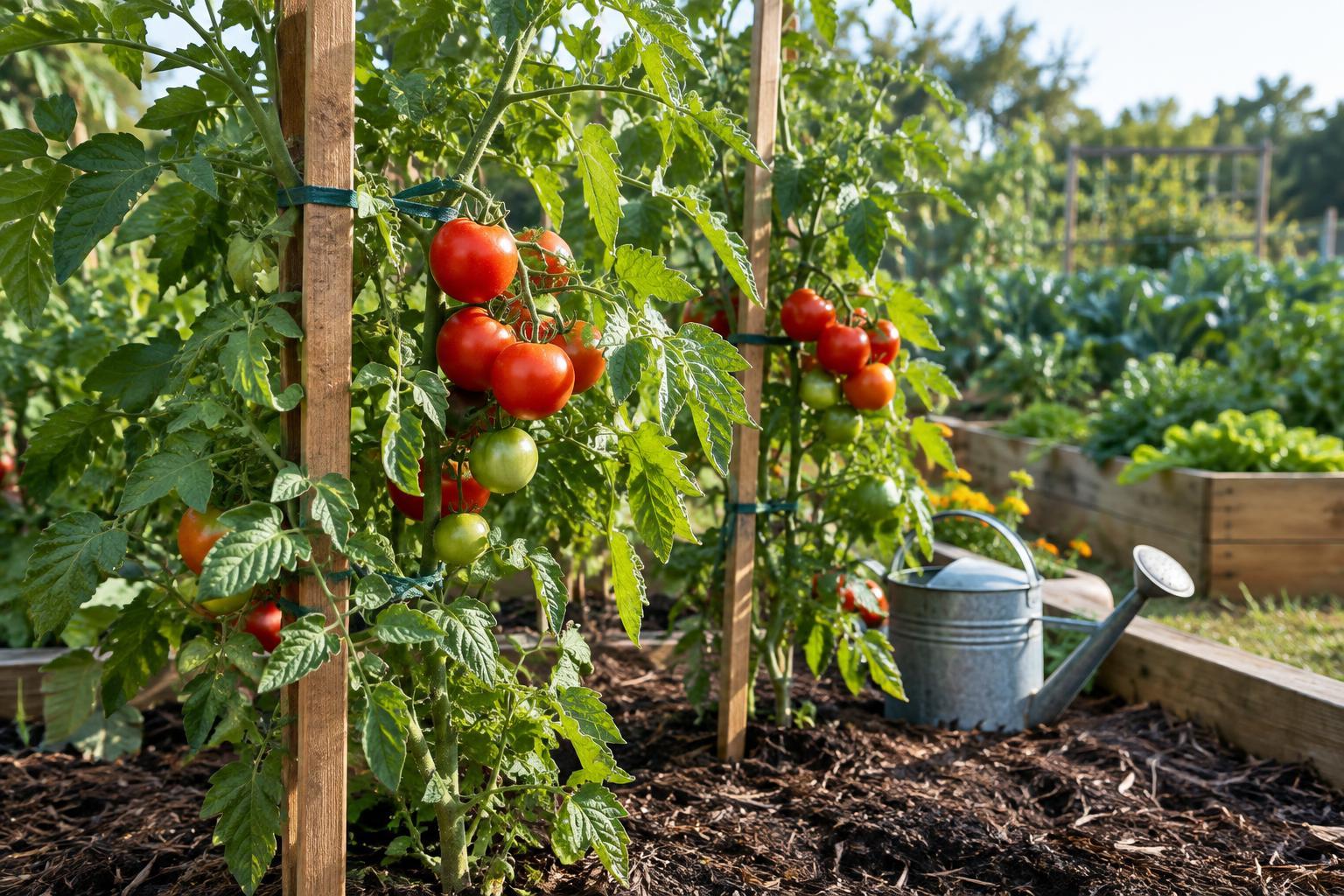
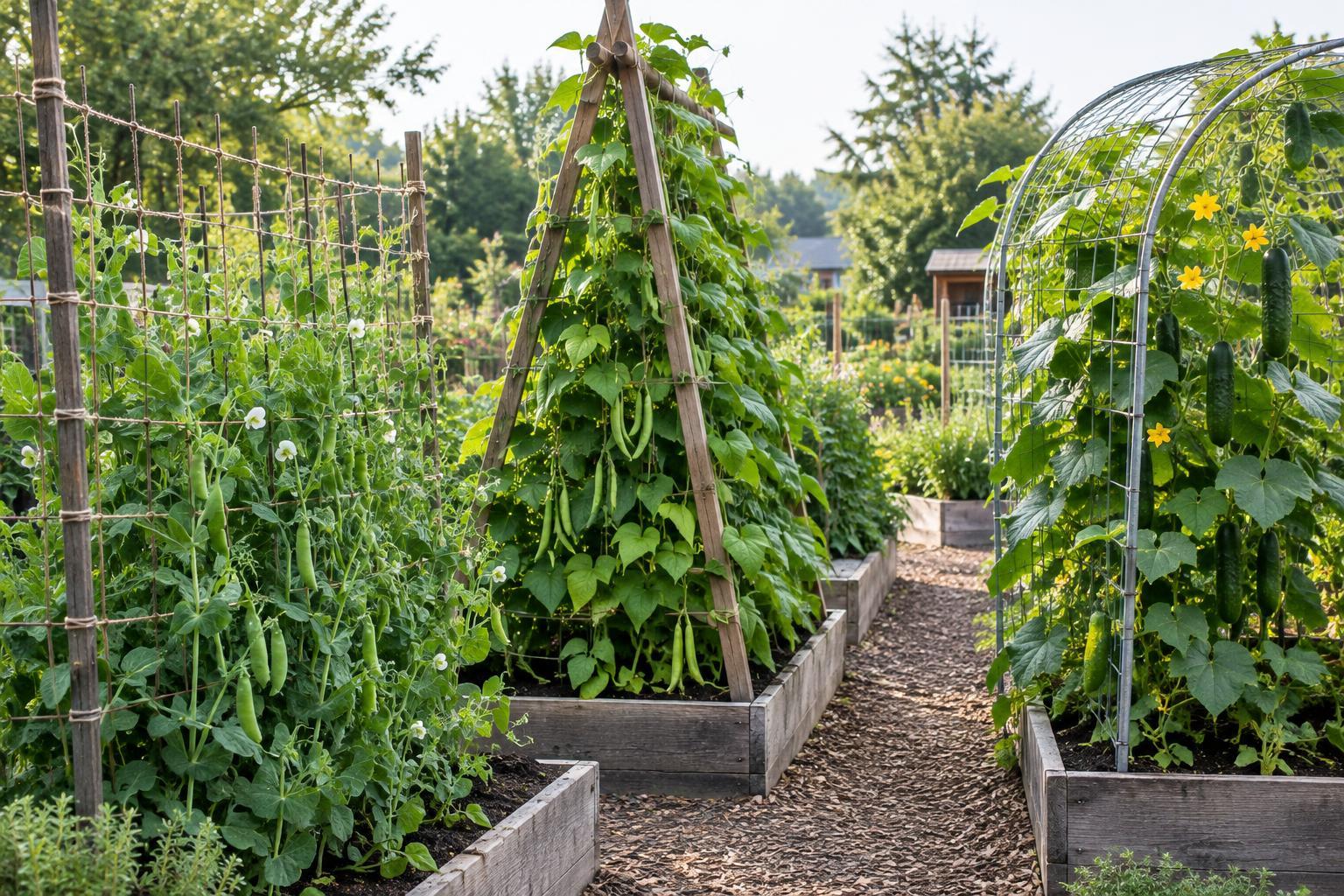
Crops that produce over a long period, such as tomatoes or pole beans, usually need a different approach. Giving them adequate space and picking regularly may matter more than repeatedly planting them. Transplants can help with succession planting, but they need to be ready when the bed opens. If you start seedlings yourself, remember to account for the time they spend growing before transplanting.
Build a flexible planting schedule
Begin with the space you can realistically tend and the amount your household or garden group can use. Divide a bed into a few small planting areas, then sow only one area at a time. For a repeat crop, set a reminder to consider the next sowing in a week or two. That interval is a starting point, not a rule: slow germination or a longer harvest period may mean you can wait, while a crop that disappears quickly may call for another planting sooner.
Seed packets can help you compare varieties and their estimated days to maturity, but those figures are guides rather than harvest appointments. Keep a simple record of what you planted, where and when. Add notes about when you actually harvested and whether the amount was useful. After one season, those observations will be more helpful for planning your own garden than a rigid calendar copied from another growing area.
Think about the conditions the next crop will face, not just the day its space becomes free. A quick-growing green that performs well in cool conditions may struggle in the warmest part of the season. Likewise, a warm-season crop needs suitable soil and air temperatures to establish. Use your local growing season and the conditions in the bed to decide whether to sow immediately, choose another vegetable or leave the space protected until planting conditions improve.
Make each changeover count
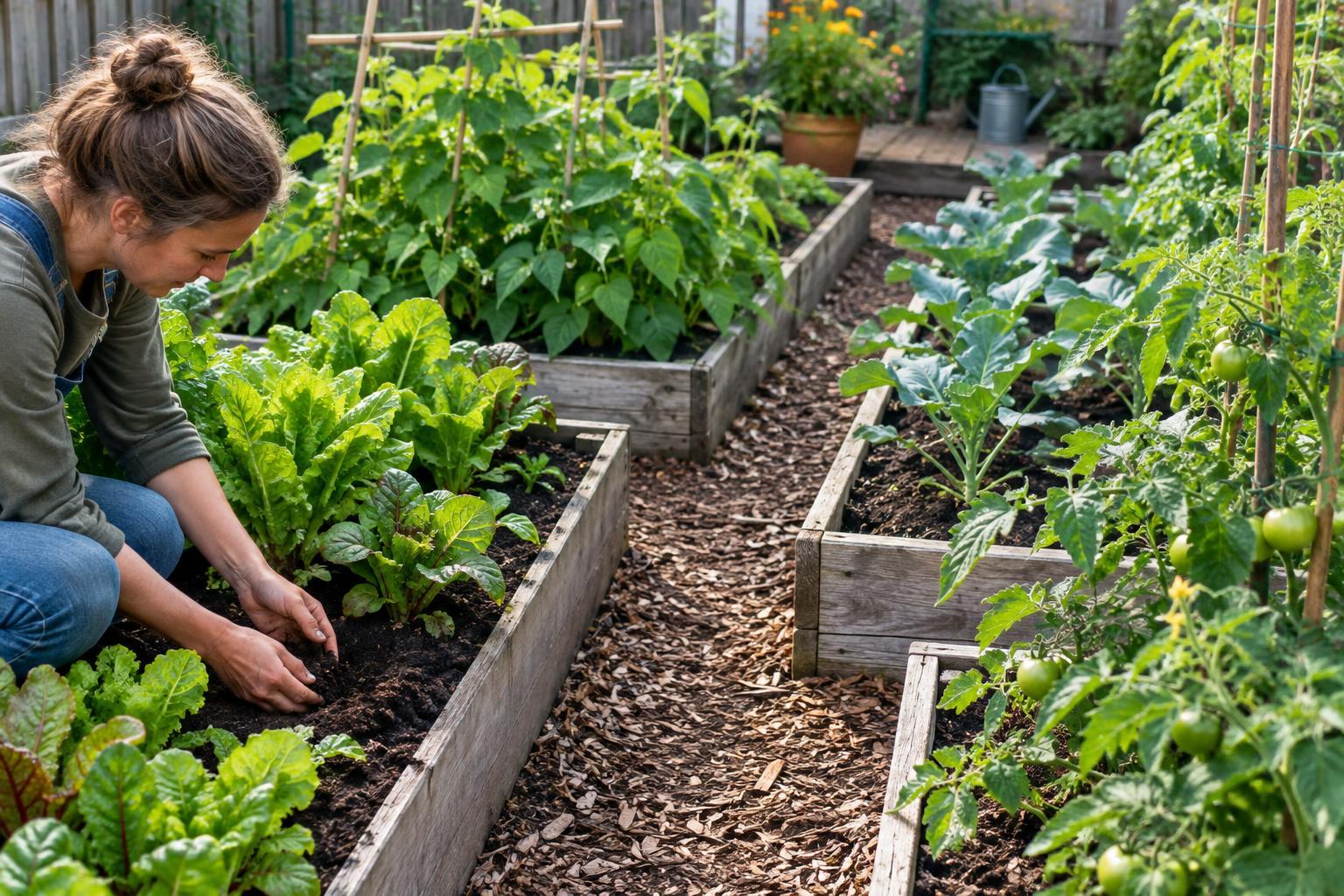
When a crop is finished, remove spent plants and weeds before they set seed or crowd the next planting. Check the soil surface and loosen only what has become compacted. If the bed needs organic matter, add finished compost and mix it into the planting area as appropriate. You do not need to rebuild the whole bed between every crop; the goal is to give new roots a clear start without unnecessary disturbance.
Pay attention to sunlight and plant size as you arrange overlapping crops. A new sowing tucked beside mature vegetables may not receive enough light or water. In a small space, it can be simpler to harvest and clear one section completely before replanting it. Keep paths and access open so harvesting one crop does not damage seedlings nearby.
A gap between plantings does not have to be wasted space. Mulch can help cover bare soil while you wait, and a suitable cover crop may be an option for a longer break. Choose an approach you can maintain and clear in time for the next vegetable planting.
Keep the plan manageable in a shared garden
Succession planting works best when someone knows what is coming next. For a communal bed, label new sowings and keep a shared record that notes the crop, planting date and person responsible for checking it. Agree on how much to sow and where harvests should go before filling the bed. These small habits help prevent a well-meaning gardener from clearing young plants or sowing over an earlier planting.
Check the bed regularly, but let the plan change when needed. If a crop is still producing well, enjoy it rather than removing it just because the calendar says so. If seedlings fail, replant while conditions are suitable or switch to a better-fitting crop. A steady supply comes from repeating small, attentive decisions—not from getting every sowing date exactly right.