Why early spring weeding pays off
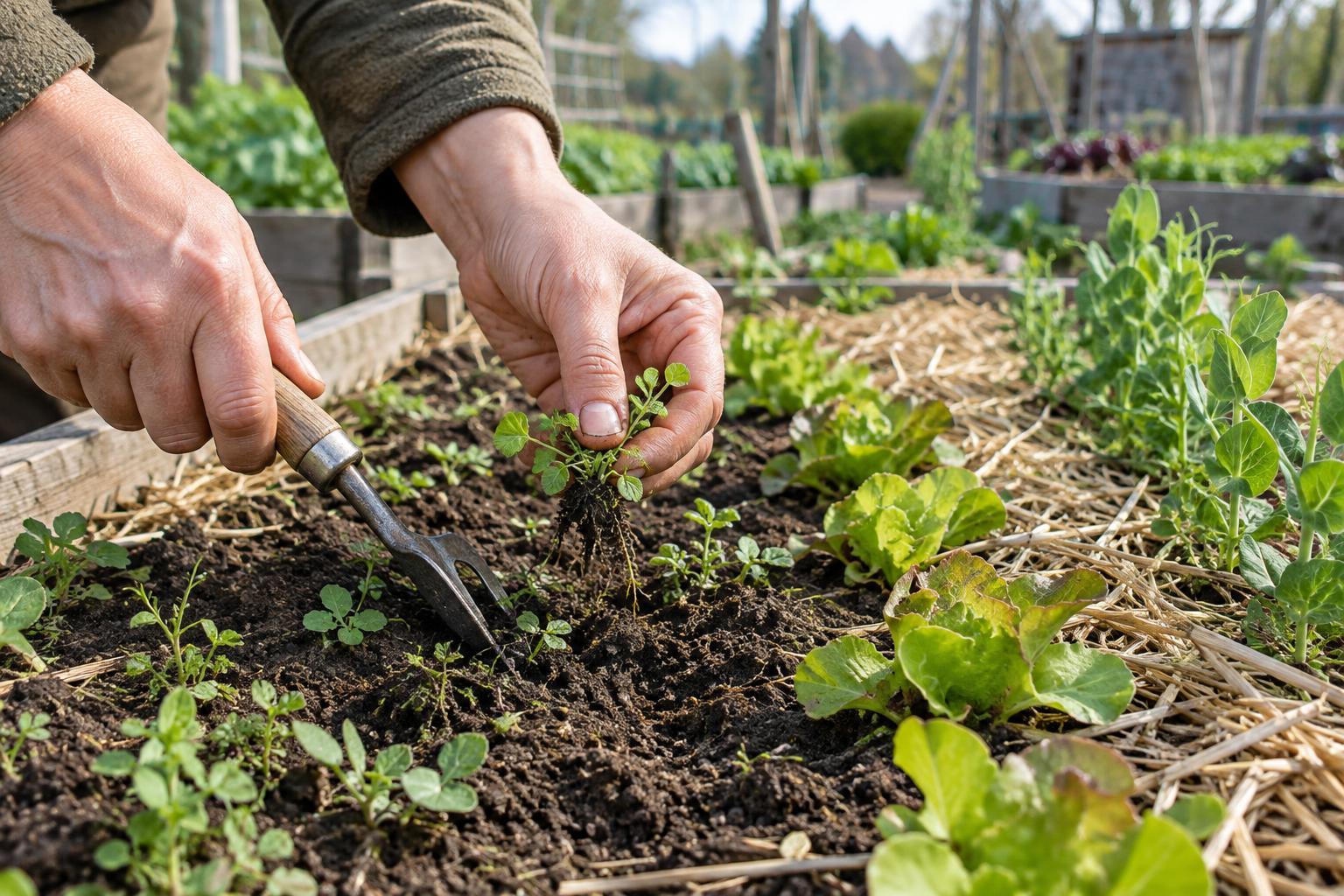
Annual weeds complete their life cycle by making seed. Some germinate in spring, while others sprout in cooler weather and resume growth as spring arrives. In either case, removing them before they flower and set seed helps prevent another round of plants in the beds. Young weeds are also usually easier to pull than established ones, especially where their roots have not yet tangled with crops or ornamentals.
The aim is not to make every patch of soil permanently weed-free. Seeds can arrive on the wind, in soil or on tools, and some already in the ground may germinate when light reaches them. Instead, treat spring weed control as a short, repeatable task. A few careful passes through a bed can be more manageable than one major cleanup after weeds have matured.
Learn what to keep before you pull
Start by looking for plants you expect to see. Mark rows of newly sown vegetables and label perennial clumps before small weeds fill the spaces between them. If a seedling is unfamiliar, let it grow long enough to identify it rather than pulling it on sight. This matters in shared gardens, where another gardener may have sown a crop, allowed a flower to self-seed or planted a young ornamental that is easy to overlook.
Growth habit offers a useful clue. Annual weeds often appear as many similar seedlings across bare soil. Perennial weeds may return from established crowns, runners or root fragments; simply removing their tops is less likely to settle the problem. If you are unsure what you are handling, concentrate first on plants you can identify confidently and ask other gardeners before clearing a shared area.
Choose the right moment and method
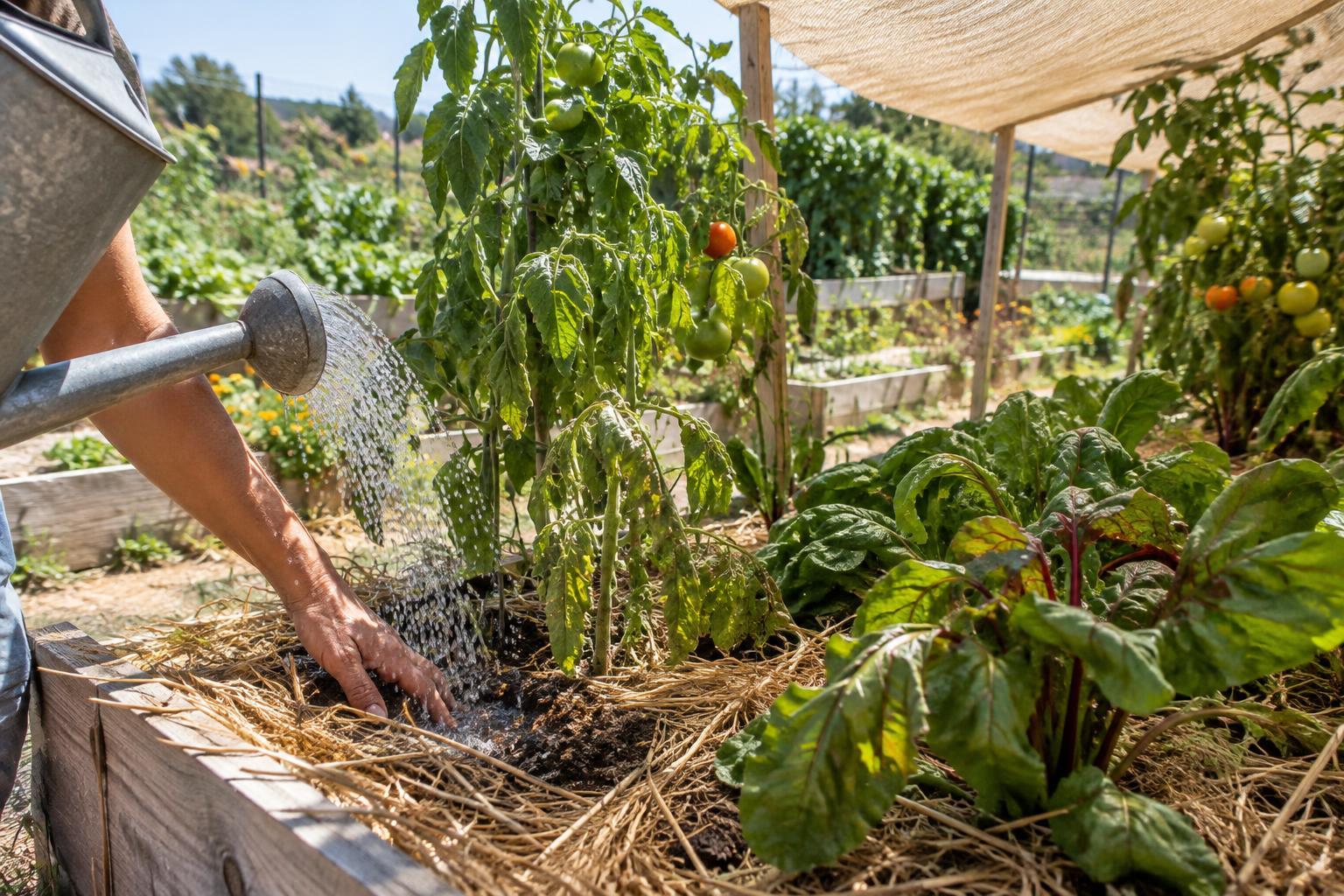
Check beds regularly as the weather warms, particularly after rain or watering brings on a flush of seedlings. Soil that is slightly moist often makes hand-pulling easier because roots release without much force. If the ground is waterlogged, wait until it is workable so you do not compact it underfoot. If it is very dry, a small watering before you weed may help loosen stubborn seedlings.
Pull close to the soil surface and lift out the roots where practical. For a dense carpet of tiny weeds between established plants, a shallow hoe can cut seedlings just below the surface. Work carefully around crop stems and shallow roots, and avoid turning over more soil than necessary: fresh disturbance can expose more weed seeds to conditions that favor germination. On paths or at bed edges, a hand tool may offer better control than a broad hoe.
Deal with weeds that are already flowering or carrying seeds first. Move them gently so seeds are not shaken into the bed. Weeds without mature seed may be suitable for a well-managed compost system, but seed-bearing plants and weeds with persistent roots deserve separate handling according to the garden’s disposal practices. Leaving uprooted plants on moist soil can allow some to take hold again.
Cover open soil without covering wanted plants
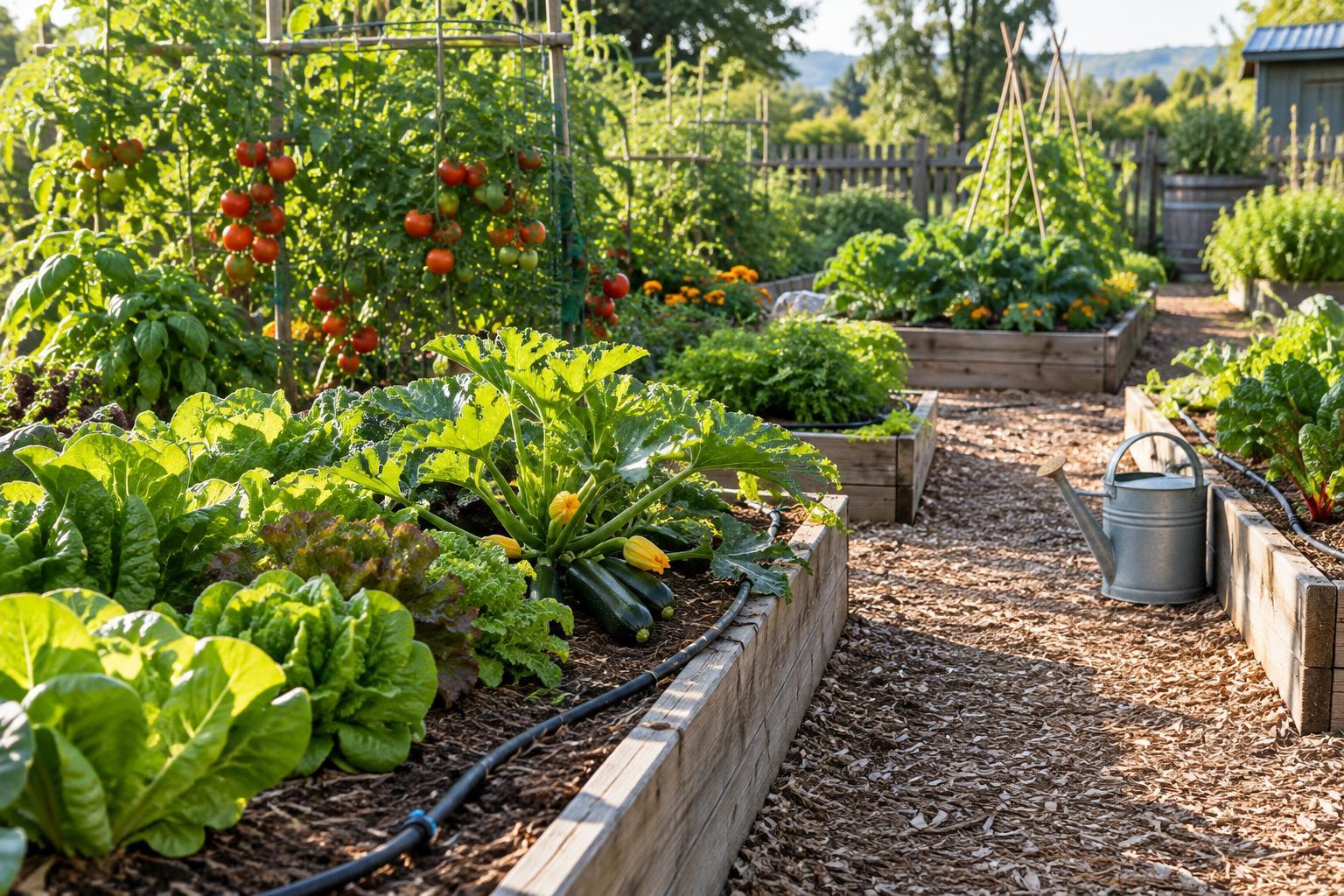
Once a bed is weeded, cover exposed soil where you can. A layer of organic mulch can reduce the light reaching new weed seedlings and help the soil retain moisture. Keep mulch clear of young stems and leave space over direct-sown rows until the crop is easy to distinguish. In a vegetable bed waiting for its next planting, a temporary cover or a suitable cover crop may also limit the amount of bare ground available to weeds.
Mulch is not a substitute for checking the bed. Windblown seeds can sprout in the mulch itself, and gaps around plants remain attractive places for weeds to grow. Pull those newcomers while they are small. When you need to cultivate or plant, disturb only the area you will use rather than turning the entire bed.
Make prevention a shared routine
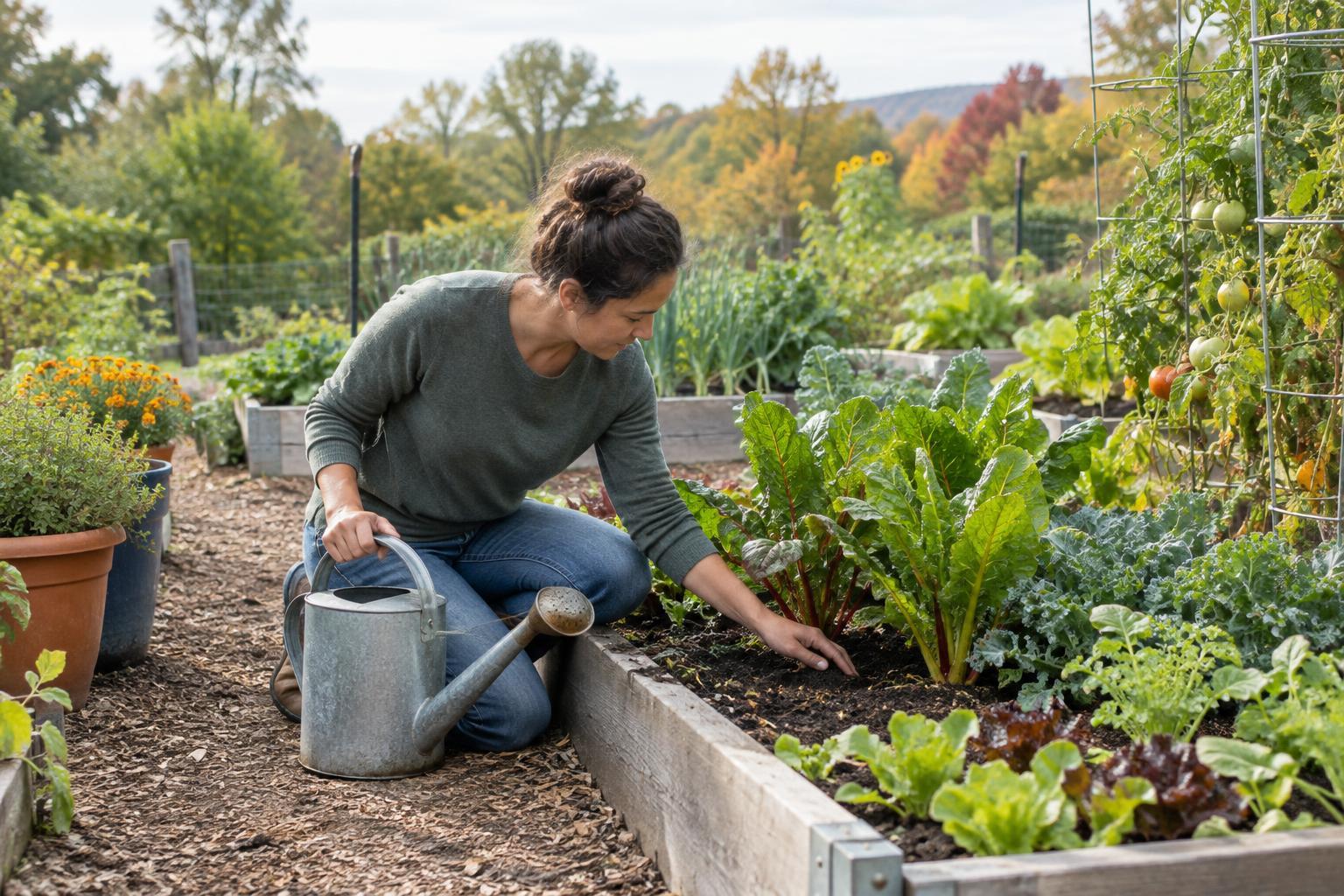
In a community garden, agree on which paths, bed edges and common areas volunteers can weed without asking. Clearly marked plantings and a simple plan for collecting pulled weeds help prevent accidental removal of wanted plants. Give special attention to borders and neglected corners, where annual weeds can mature unnoticed and spread seed into nearby beds.
A useful spring routine is simple: walk the garden, identify what belongs, remove small annual weeds, check for plants nearing seed, then cover open soil. Repeat as needed rather than waiting for a perfect weeding day. The goal is steady progress and fewer weeds reaching maturity, not a garden that never needs weeding again.