Start with the crop, not a single rule
Choosing between seeds and transplants is less about which method is better overall and more about how a particular vegetable grows. Direct sowing means placing seed where the plant will mature. Transplanting means moving a young plant from a pot or tray into the garden. Both methods can work well, but they solve different problems.
Seeds are usually less expensive and offer more variety. They also let roots develop without being disturbed. Transplants give slow-growing or warm-season crops a head start, making them especially useful where the outdoor growing season is short. Before deciding, consider how long the crop takes to mature, whether its roots tolerate handling, and whether the garden bed can be kept consistently moist while seeds germinate.
Crops that are usually best sown directly
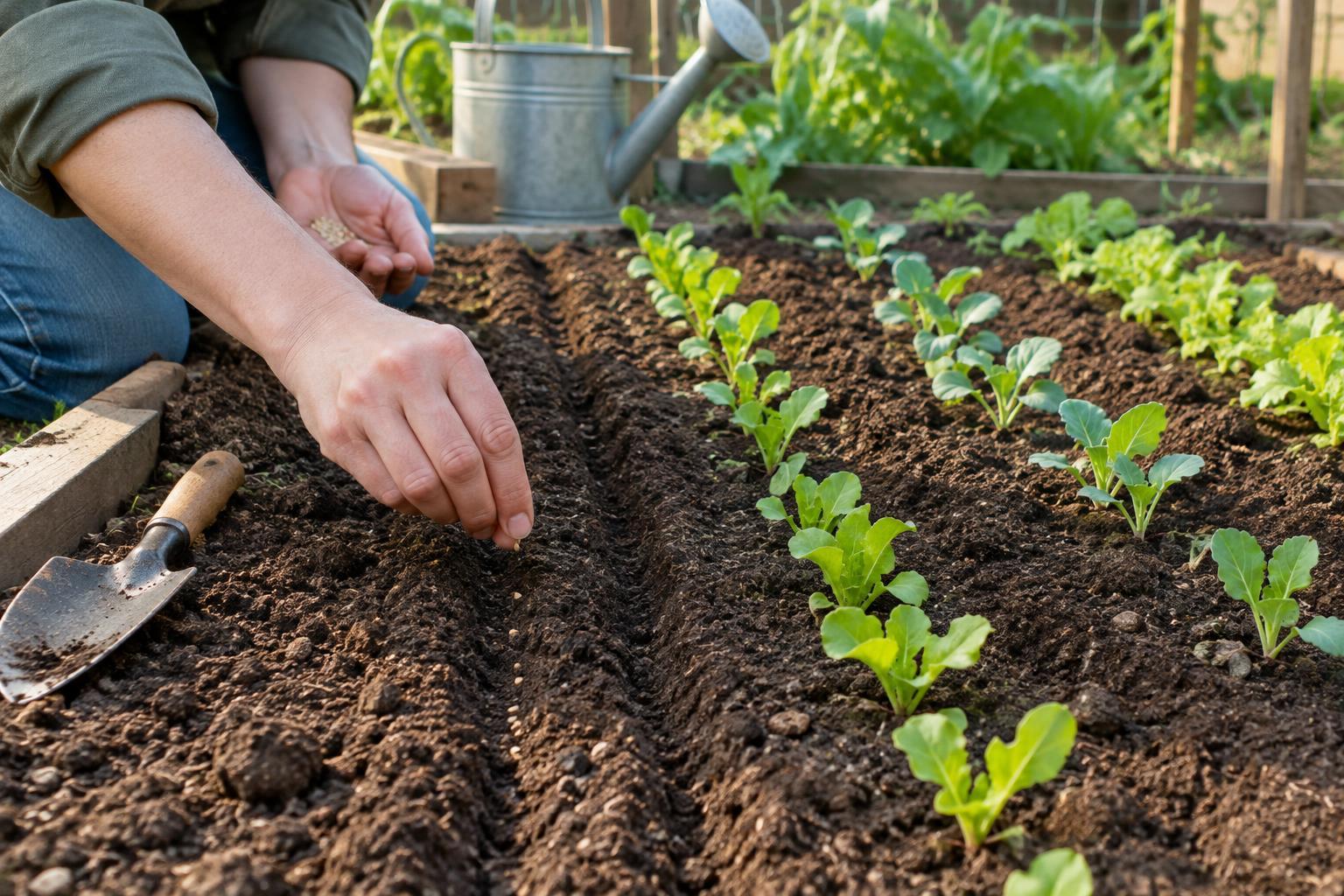
Root crops such as carrots, parsnips, radishes and beets are generally good candidates for direct sowing. Their edible roots develop below the soil surface, and moving seedlings can disturb that growth. Sow into a bed with loose soil, then thin crowded seedlings so the remaining plants have room to develop. Beets can sometimes be transplanted when young, but direct sowing is the simpler starting point for many gardeners.
Peas and beans also grow readily from seed in the bed. They establish quickly under suitable conditions, so starting them indoors often adds work without much benefit. Wait until conditions suit the crop: peas prefer cooler growing weather, while beans need warmer soil. For both, protect newly sown areas from drying out and mark the rows clearly so emerging seedlings are not mistaken for weeds.
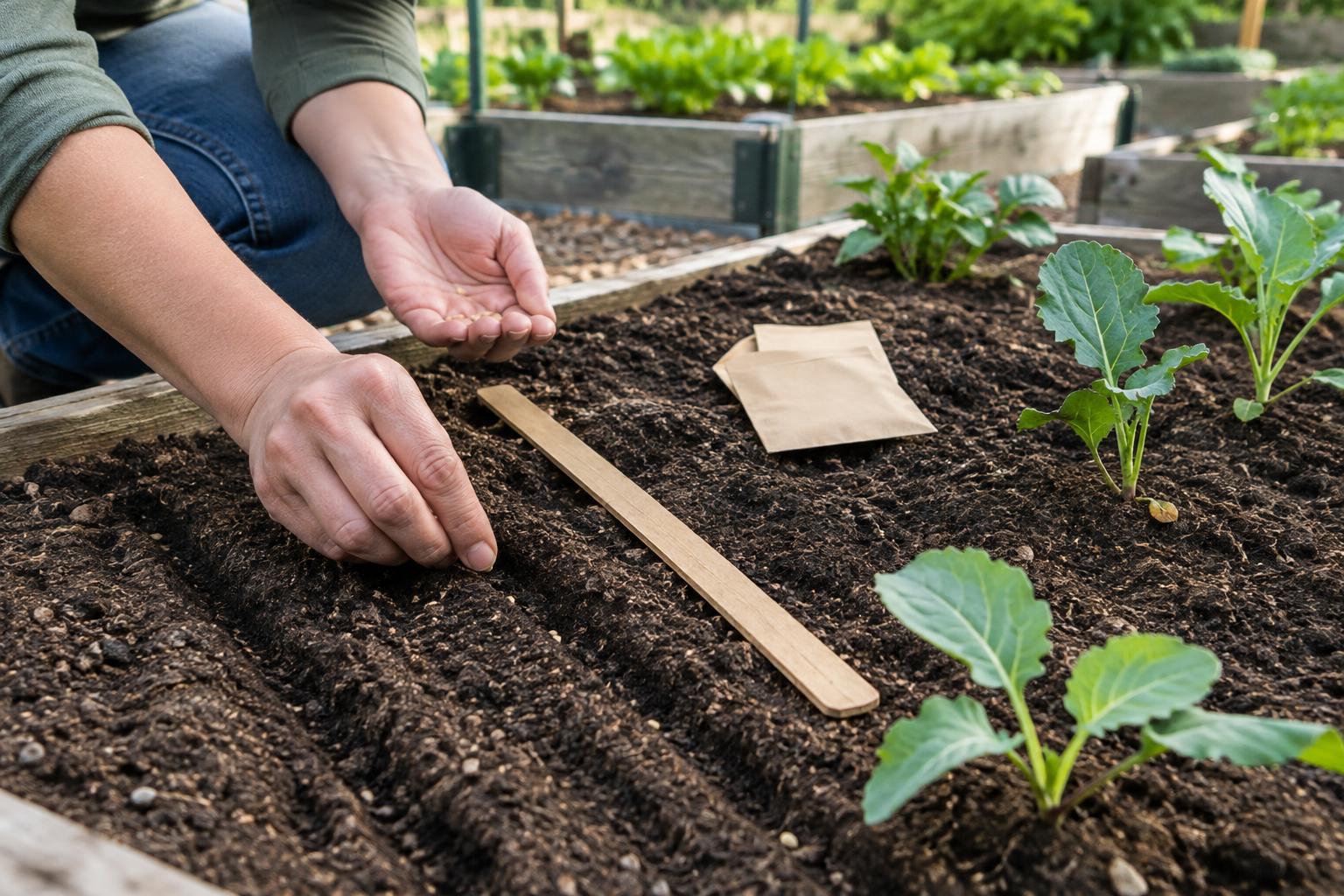
Fast-growing greens, including arugula and many lettuces, are easy to direct-sow. Small sowings spaced over time can provide a steadier harvest than planting an entire bed at once. If shared beds are tended by different volunteers, leave a simple label with the crop name and sowing date; otherwise, a well-meaning helper may replant an area where seeds have not yet emerged.
Crops that often benefit from transplants
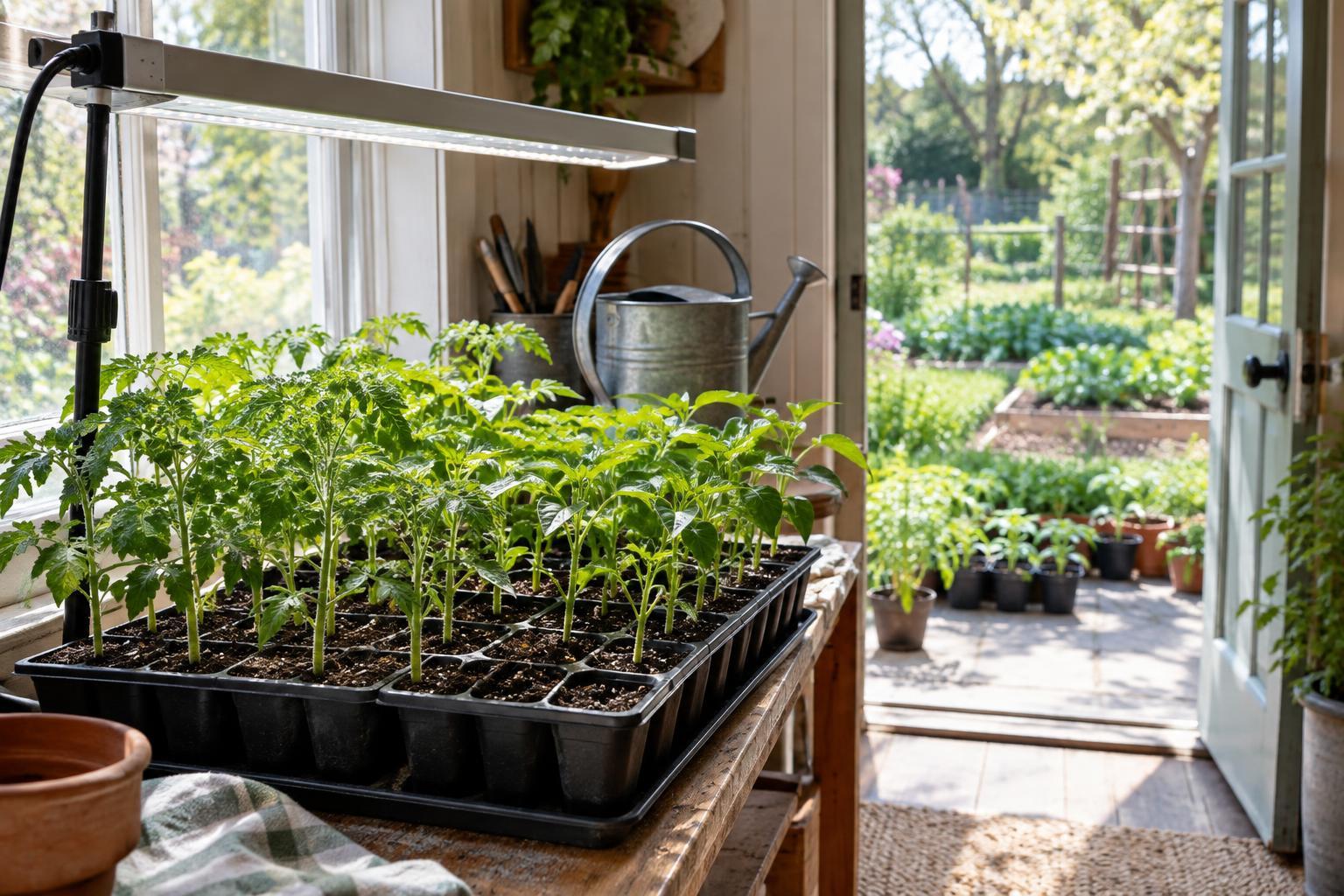
Tomatoes, peppers and eggplants are commonly planted as transplants. They need warm conditions and take time to reach harvest, so starting with established plants can make better use of the outdoor season. Whether you grow them indoors or buy them, choose sturdy plants with healthy leaves rather than oversized seedlings crowded into small containers. Move them outdoors only when conditions are appropriate for the crop, and gradually expose indoor-grown plants to outdoor sun and wind before planting.
Broccoli, cabbage, cauliflower and kale can also be transplanted. Young plants make it easier to set a planned spacing and help the crop get established during a suitable cool-weather window. Direct sowing remains an option, particularly for kale, but seedlings may need extra attention while they are small. Check plants before bringing them into a shared garden so pests are not carried from one bed to another.
The middle ground: cucumbers, squash and other flexible crops
Cucumbers, summer squash, winter squash and melons can be direct-sown once the soil is warm enough. They grow quickly, and sowing in place avoids disturbing their roots. Transplants may help when an earlier start matters, but younger plants tend to adapt better than seedlings that have become large or root-bound. Handle the root ball gently and allow enough space for vines to spread.
Lettuce is another flexible choice. Direct sow it for repeated harvests, or set out transplants when you want a bed filled quickly and evenly. The best method may change with the season: germinating seed outdoors can be harder during hot, dry spells, while transplants still need regular watering as they settle in. Neither approach removes the need to match the crop to local growing conditions.
Make the choice work in a shared garden
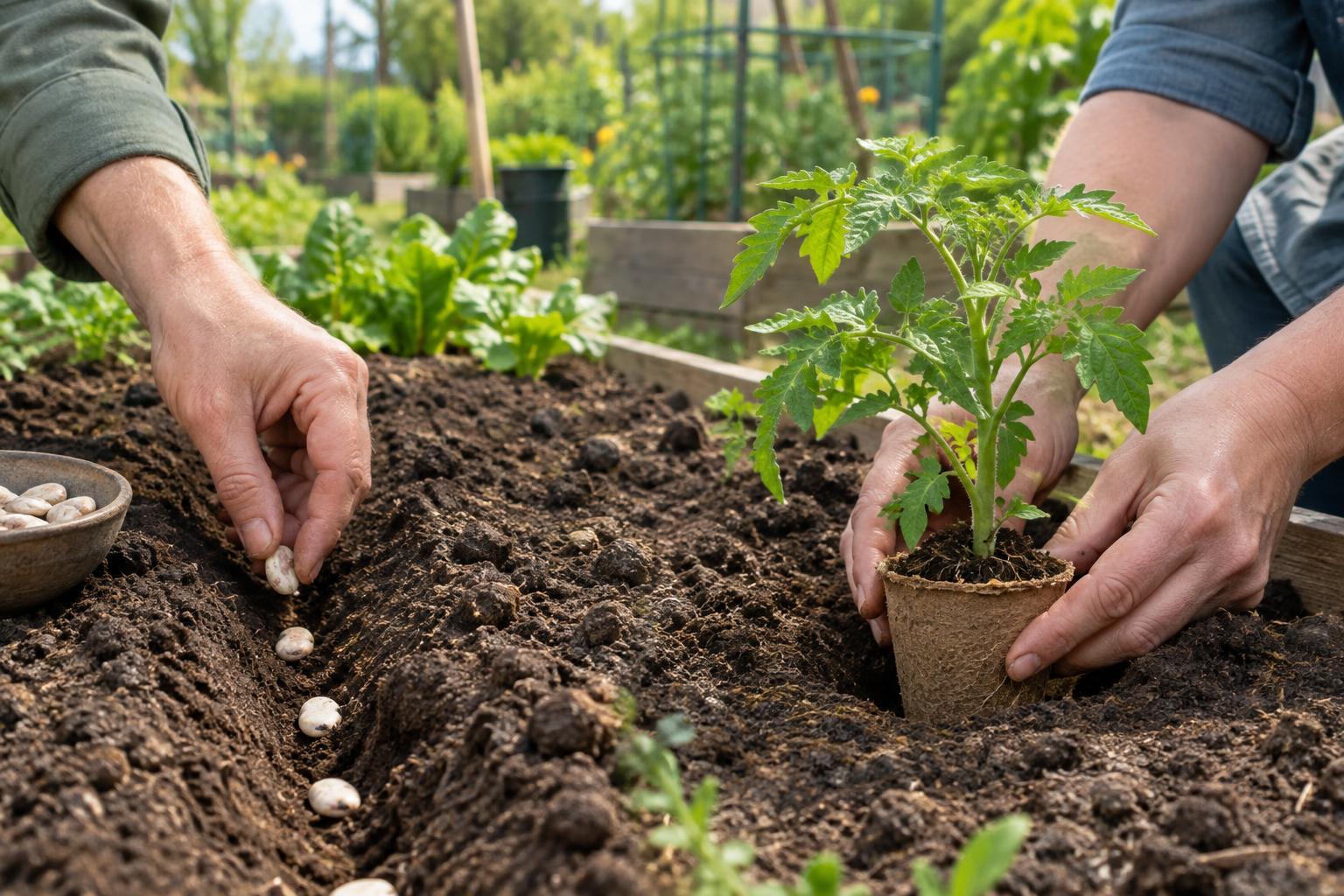
A practical plan can use both methods. Sow carrots, beans and quick greens directly; reserve transplant space for tomatoes, peppers and brassicas; and choose either approach for crops such as cucumbers or lettuce. Read the seed packet or plant label for spacing and seasonal guidance, then account for the garden’s available sunlight, water and bed space.
Coordination matters as much as crop choice in a community plot. Agree on who will water newly sown rows and recently planted seedlings, label each planting, and record what went where. A small record helps the next gardener recognize slow-to-emerge seeds, avoid accidental digging and plan follow-up sowings. If a planting fails, it is useful information rather than a verdict on the method: adjust the timing, care or crop choice and try again.