Start with the site, not the garden plan
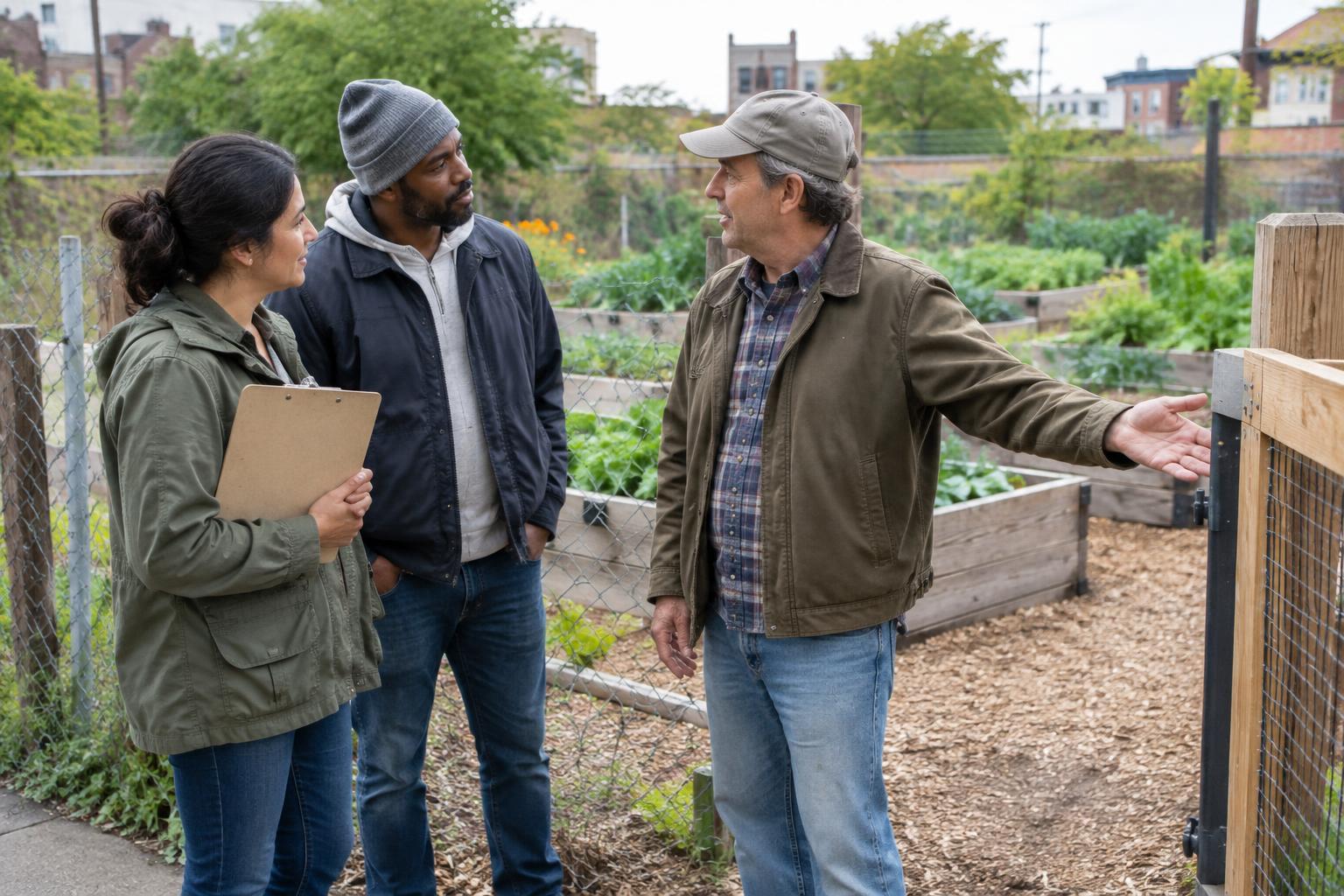
An unused lot may look ready for raised beds, but its appearance does not tell you who can authorize gardening there. Before buying materials or recruiting plot holders, identify the owner and the person empowered to make decisions about the site. A property manager, tenant, neighborhood group, and landowner may have different roles. Ask who else needs to approve the project before anyone begins work.
Bring a simple proposal to the first conversation. Describe the area you hope to use, the likely number of gardeners, what you would grow, expected hours of access, and who would coordinate the group. Include the practical needs that can change a landowner’s view of the project: water, storage, compost, fencing, signs, deliveries, and public events. A modest plan with clear responsibilities is easier to discuss than a promise to work out every detail later.
Put permission and responsibilities in writing
A friendly conversation is a good beginning, but written permission gives everyone a shared reference when people or plans change. The document should identify the parties, the exact area available for gardening, permitted uses, and when access begins and ends. A sketch or map can help distinguish garden space from driveways, buildings, neighboring land, and areas that must remain clear. If the group wants to add structures, plant trees, or hold events, ask whether those activities need separate approval.
Discuss who will provide water, maintain paths, manage waste, address complaints, and remove unwanted plants or materials. Clarify whether the landowner expects the group to carry insurance, follow particular site rules, or obtain any required approvals. Requirements vary by property and location, so the group should check them rather than assume that permission to garden covers everything. If the proposed agreement has unfamiliar terms or significant obligations, consider getting qualified local guidance before signing.
Plan for a garden that may need to change
Even a supportive landowner may not be able to promise permanent access. Ask how long the initial permission will last, whether it can be renewed, and how much notice each side should give before ending it. Also discuss what happens if the property is sold or the owner’s plans change. Writing down an agreed process for renewal and notice helps gardeners decide how much time and money to invest.
Match improvements to the level of certainty the group has. Portable beds, removable fencing, and movable storage may make sense where access is short or uncertain; long-lived plantings and expensive infrastructure call for a more careful discussion. Decide in advance who owns tools, beds, and other materials, and whether the group may remove them when it leaves. Plan for a final harvest, site cleanup, and a way to tell gardeners promptly if access ends.
Make access workable for the whole group
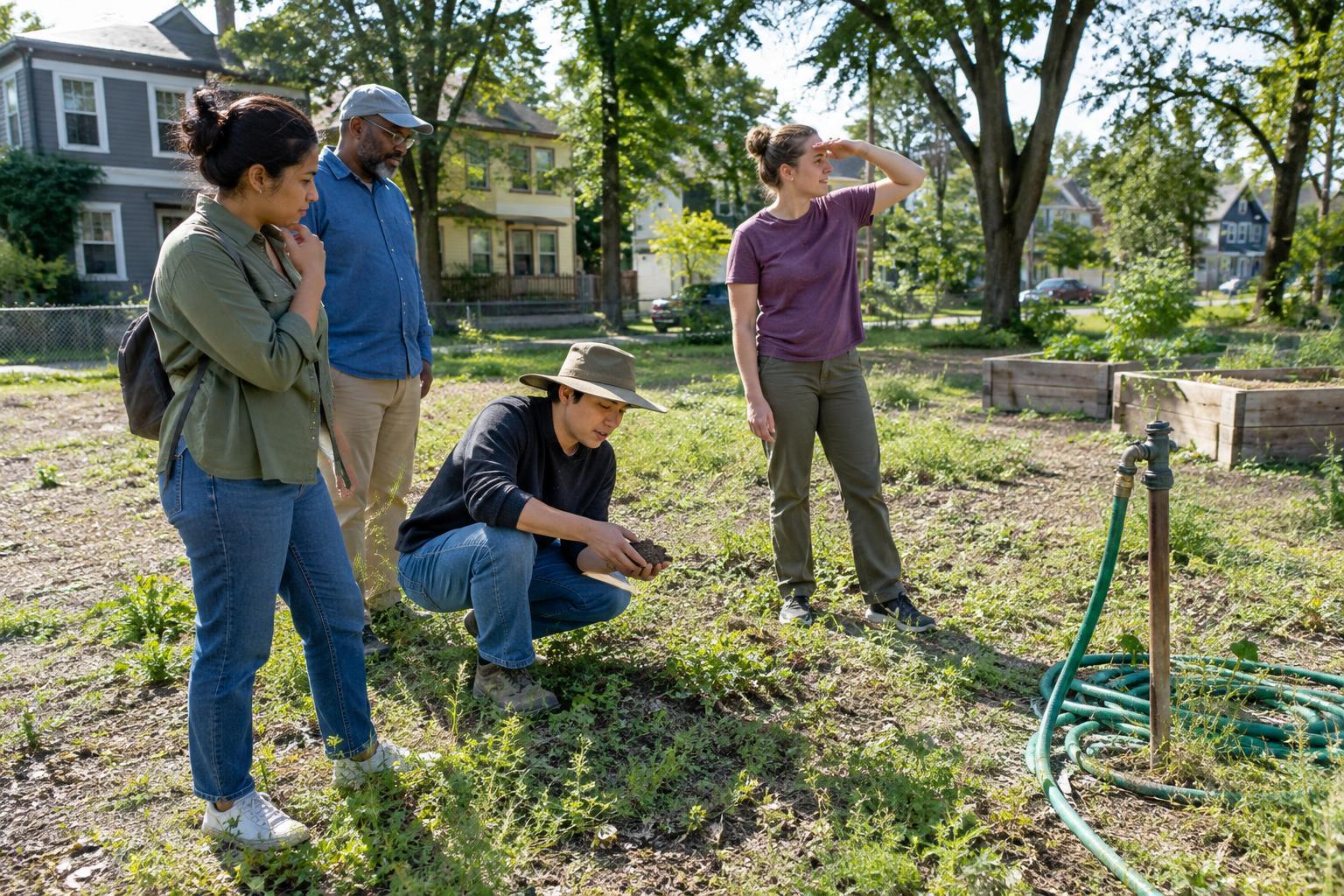
Permission is only useful if gardeners can reach and care for the space. Walk the site with the landowner and identify entrances, gates, parking or unloading areas, water connections, and any places that must remain accessible to others. Agree on how gardeners will receive keys or codes, whether guests may enter, and who will be the main contact for questions. Clear access rules can prevent small misunderstandings from becoming conflicts.
Then turn the site agreement into everyday garden practices. A short set of member guidelines can explain shared maintenance, tool storage, compost use, and what to do when a plot is neglected. Keep those guidelines consistent with the landowner’s permission, and give new gardeners both documents before they begin. Choose more than one group contact so a change in volunteer leadership does not leave the landowner without someone to reach.
Keep the agreement alive
Store the signed agreement, site map, and related correspondence where current coordinators can find them. Set a reminder well before any renewal date, and review the arrangement together at least once during the growing season. If the group wants to expand, install a shed, change access hours, or invite another organization to use the space, seek approval before treating the new activity as covered.
Long-term access depends partly on relationships. Share a reliable contact method, respond to concerns, and let the landowner know when leadership changes. Just as importantly, be honest with gardeners about what has—and has not—been promised. A clear agreement cannot remove every uncertainty, but it can help a community garden grow with realistic expectations and a workable plan for the future.