Start with the problem, not a verdict
A disagreement about a hose left across a path may sound minor, but it can grow if gardeners feel ignored. Other conflicts involve plot boundaries, neglected beds, shared tools, or uncertainty about who may pick a crop. Before deciding what should happen, find out what each person believes occurred and what they need to change.
Speak with the people involved separately if emotions are high. Ask open questions: What happened from your perspective? What effect did it have on your gardening? What would help prevent it from happening again? Let each person finish, then repeat the main concern in neutral language. Listening does not require agreeing; it helps distinguish an observable problem from assumptions about someone’s intentions.
Keep the immediate goal modest. You may not be able to settle every past frustration in one conversation. Identifying the specific behavior at issue gives everyone something workable to address.
Check the shared agreement
Garden rules are most useful when members can find and understand them. Before proposing a remedy, check the written agreement, posted guidance, or decisions the group has recorded. If the rule covers the issue, explain what it says and how it applies. If it is unclear, acknowledge the gap rather than presenting a personal preference as policy.
For example, a dispute about harvesting from a communal bed may reveal that gardeners have different ideas about what “ready to share” means. The short-term solution might be a sign naming which crops are available to pick. The longer-term task is to agree on a harvest procedure and add it to the garden guidance.
Avoid changing a rule in the middle of a dispute simply to favor one outcome. Invite members to review unclear rules through the garden’s usual decision-making process, then communicate any changes to everyone.
Offer a structured conversation
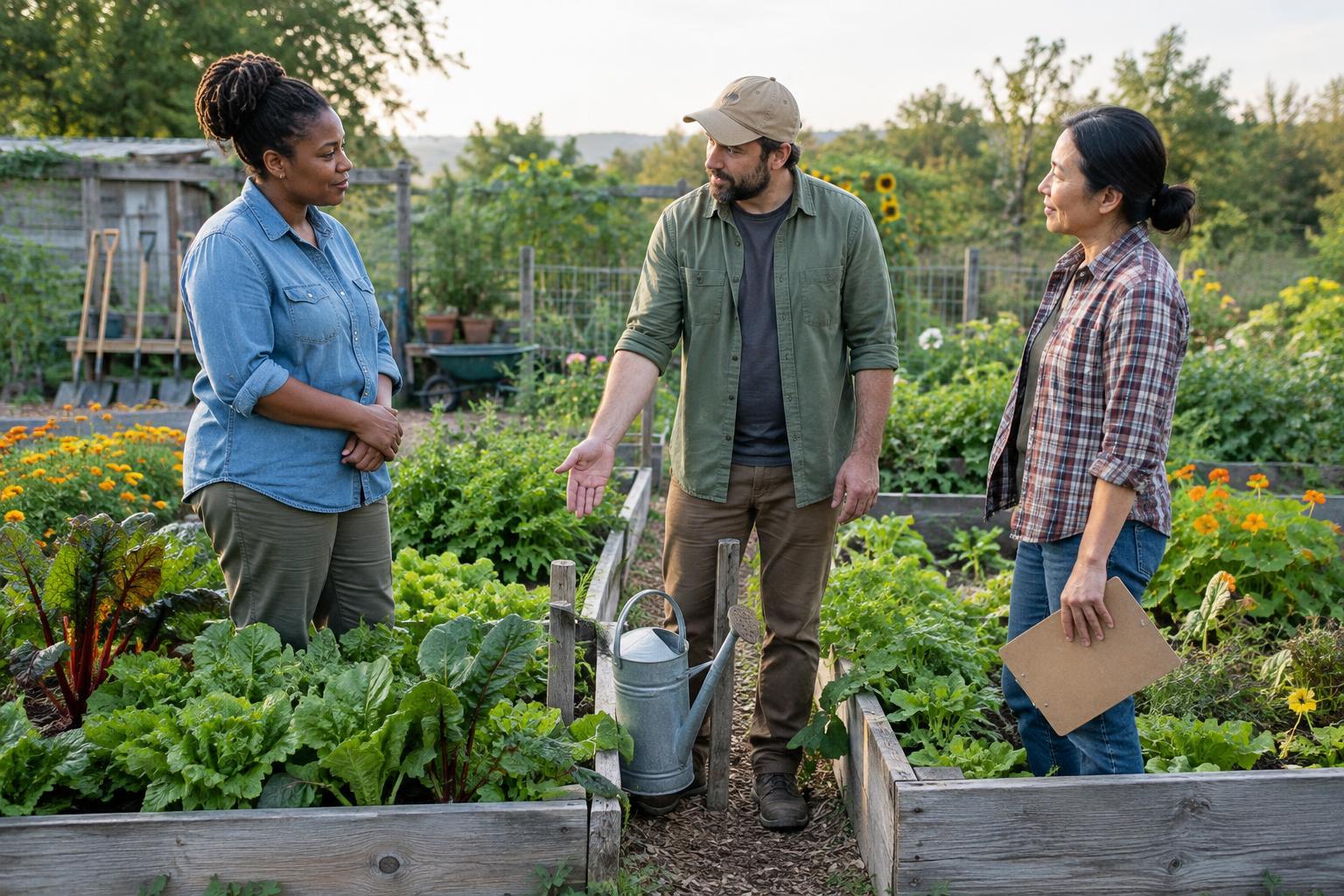
When direct conversation has stalled, a neutral garden coordinator or another trusted person can help guide a discussion. That person’s job is not to declare a winner. They can set a time limit, give each participant an uninterrupted turn, summarize points of agreement, and keep the conversation focused on practical next steps.
Begin by asking whether the participants are willing to meet. Set simple expectations: speak about actions rather than character, avoid interruptions, and do not share another person’s private concerns with the wider garden. Then ask each person to suggest a change they can make or accept. A useful agreement is specific: who will do what, by when, and how the group will check whether it worked.
Mediation is not appropriate for every situation. If someone reports threats, intimidation, or another serious safety concern, do not pressure them to meet face to face. Follow the garden’s safety procedures and seek help from the appropriate site contact or authority when needed.
Enforce rules consistently and proportionately
Even a well-run conversation may not resolve repeated rule-breaking. Consistent enforcement means responding to the same kind of behavior in the same way, regardless of who is involved. It does not mean ignoring relevant circumstances, such as a member who needs an accessible way to complete a shared task. Explain both the expectation and any reasonable options for meeting it.
A simple sequence can help: a private reminder, a clear written notice if the issue continues, and a review by the people authorized to make garden decisions before any more serious consequence. Use the process your garden has actually adopted. Give members a chance to explain or correct a problem, and avoid public criticism when a private conversation will do.
Record only what the garden needs to manage the issue: the concern, relevant rule, steps taken, and agreed follow-up. Keep that record with the appropriate coordinators rather than circulating it among members. Good records support fairness without turning every disagreement into a public case.
Turn recurring conflicts into better routines
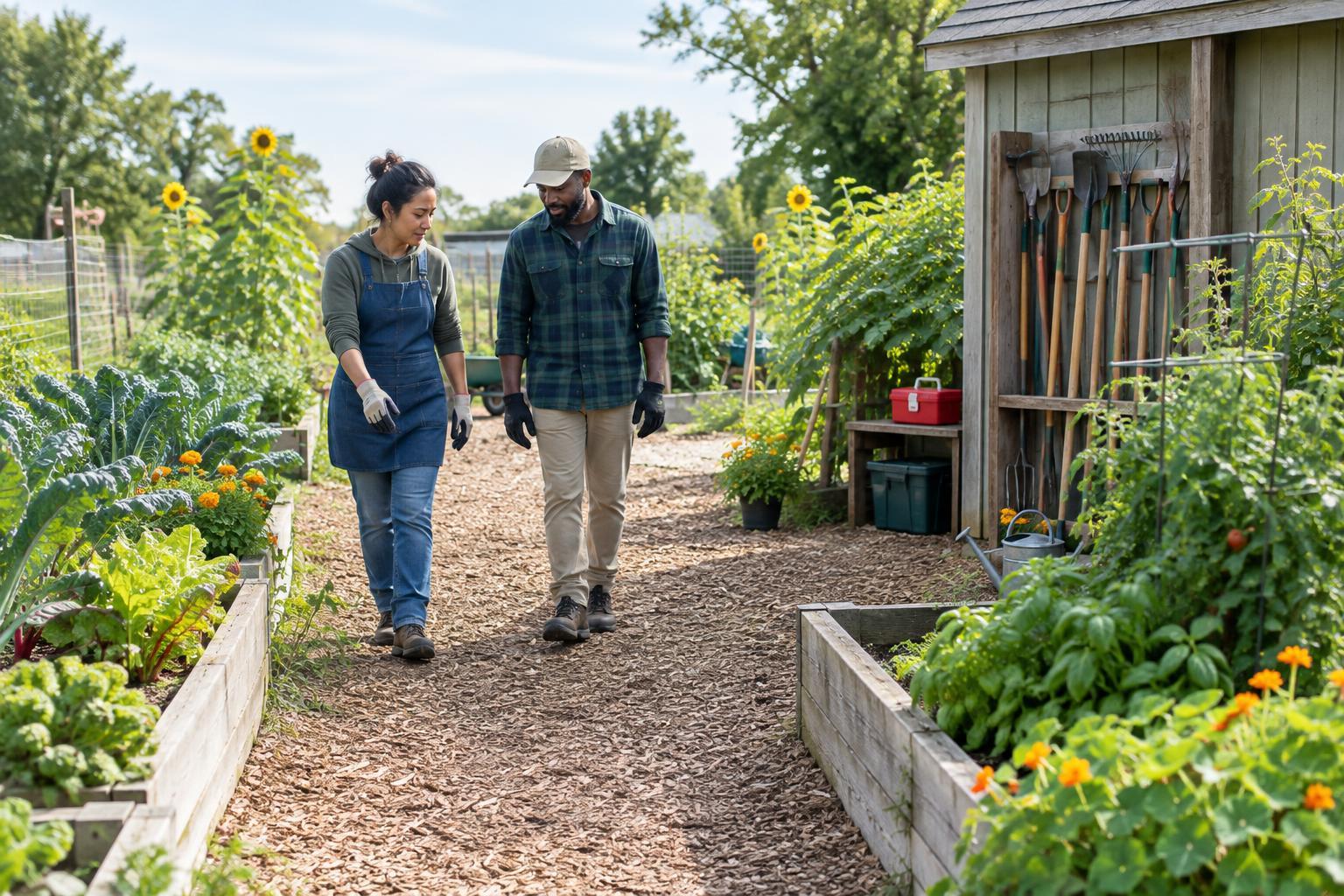
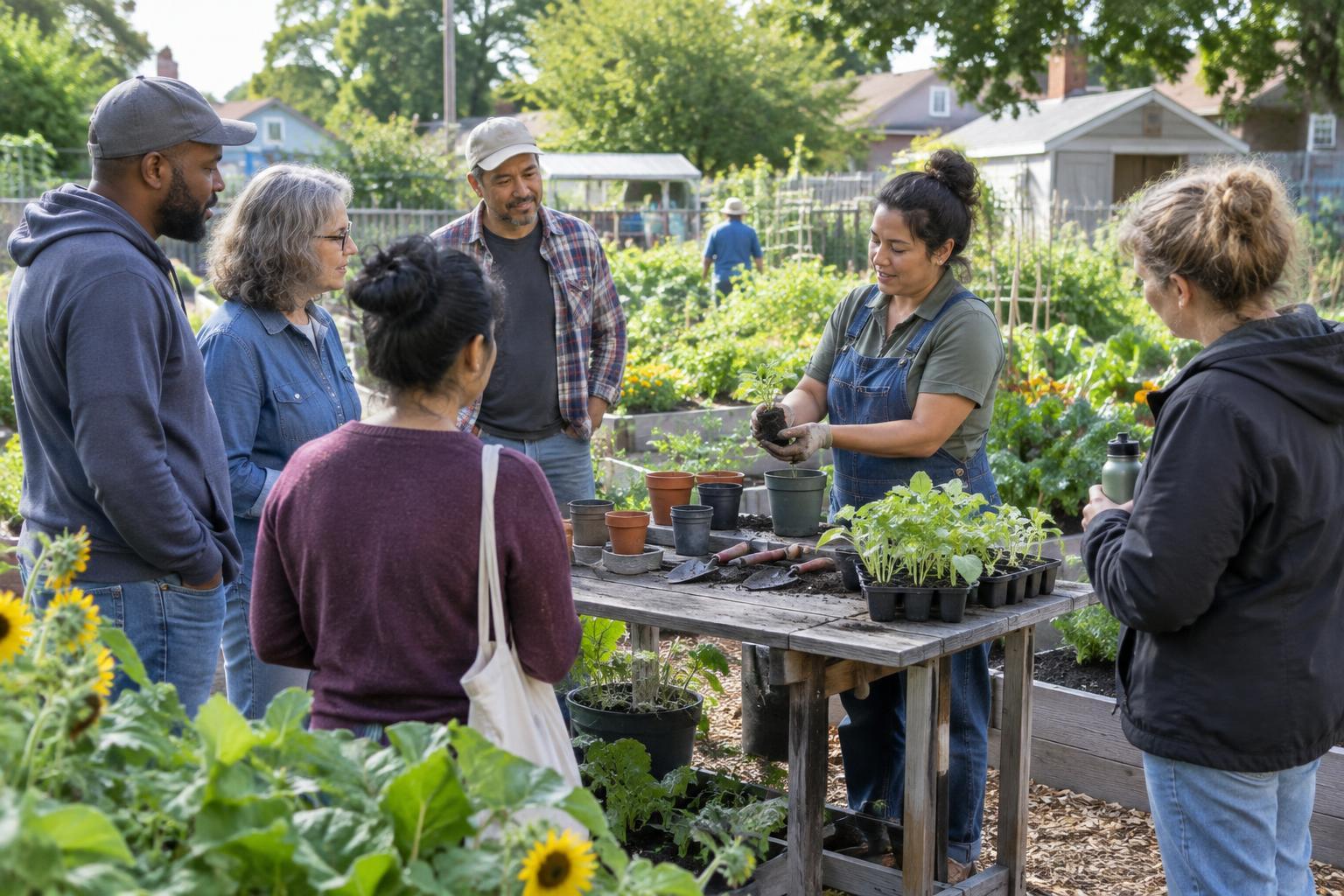
After a dispute settles, look for the routine that might have prevented it. Labels on shared tools, a visible watering schedule, marked plot edges, and clear signs for communal beds can answer questions before they become arguments. New-member orientations also give gardeners a chance to ask about expectations without feeling singled out.
Invite feedback at regular garden meetings, including from members who rarely speak up. Ask which rules are hard to follow or interpret, and make updates in plain language. A garden cannot prevent every disagreement, but it can make concerns easier to raise and decisions easier to understand. That leaves more time and energy for the work everyone came to do: growing together.