Start with the season, not the spray
A few holes in a leaf can feel urgent, particularly when a bed has just been planted. Yet pest activity is rarely constant. Young seedlings may be vulnerable to chewing damage, while established plants can often tolerate a small loss of foliage. As weather, plant growth, and harvests change, different problems become easier to notice. Seasonal patterns are useful clues, not a fixed calendar: local conditions and the crops in a particular bed matter more than the month alone.
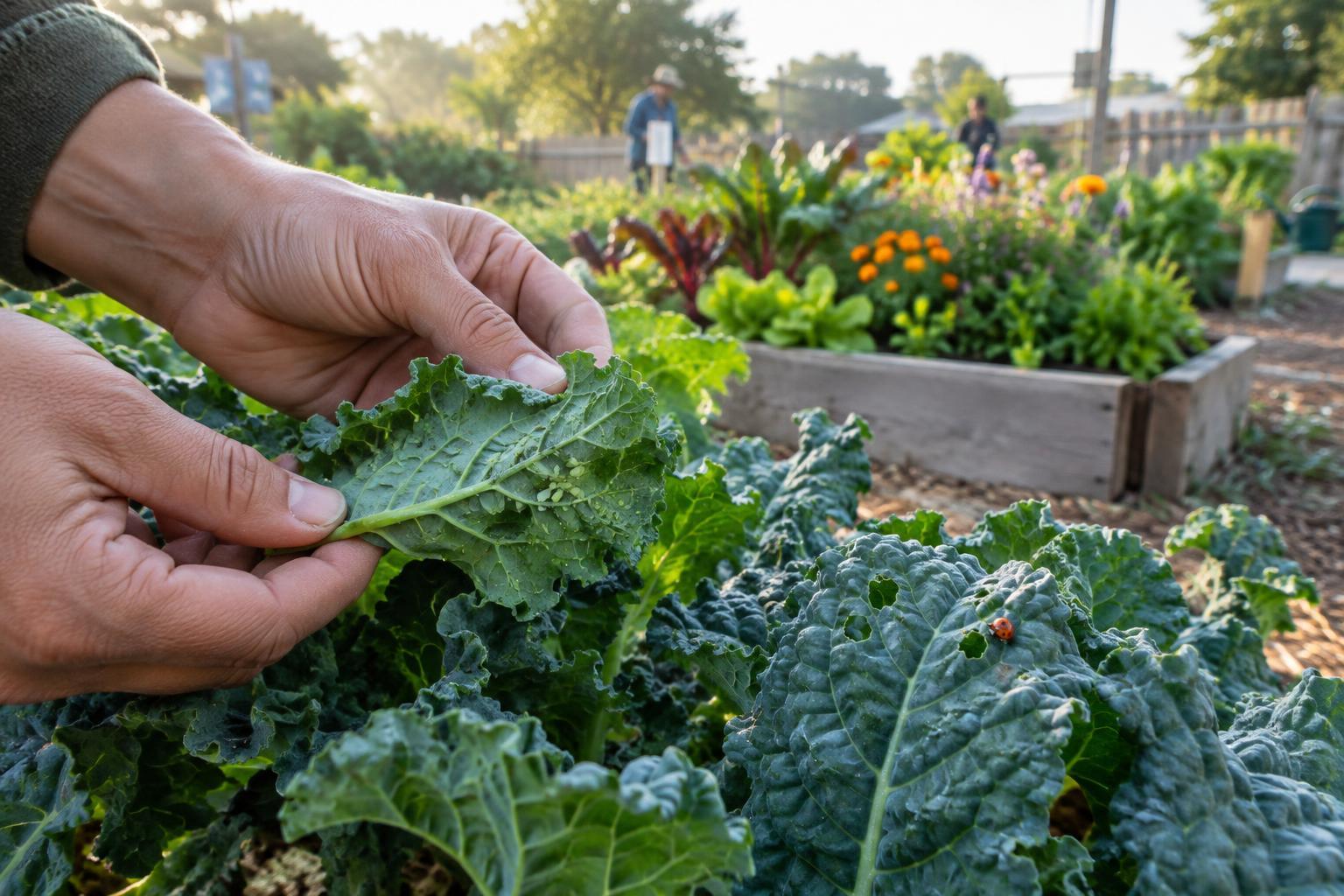
Make a habit of looking closely before choosing a response. Check new growth, leaf undersides, stems, and the soil surface. Note whether damage is fresh or old, whether it affects one plant or several, and whether the plant is still growing well. In a community garden, a short note with the location and what you observed helps other gardeners follow the same issue without assuming every damaged leaf signals a new outbreak.
Know what changes through the growing season
Early in the growing season, tender transplants and emerging seedlings have little foliage to spare. Missing stems, ragged edges, or damaged growing tips deserve a prompt inspection. Look for the cause rather than relying on the appearance of damage alone; slugs, caterpillars, and other feeders can leave signs that overlap. A simple protective cover may help a young crop, provided it allows suitable airflow and is removed when flowers need access to pollinators.
As plants fill out, dense foliage creates sheltered places for insects and makes small problems harder to see. Check crowded areas for colonies on new growth, sticky residue, webbing, or leaves losing color. Later, ripening produce and declining plants may draw attention to fruit damage or pests hiding in plant debris. These are reasons to inspect more carefully, not proof that an insect seen nearby caused the damage. Flowers and herbs can also host beneficial insects, so take time to distinguish visitors from pests.
Decide whether damage calls for action
The most useful question is not “Is there a pest?” but “Is this problem likely to interfere with this plant’s purpose?” A few chewed leaves on a vigorous tomato plant may have little effect. Similar damage on newly emerged greens intended for harvest may matter more. Consider the crop’s stage, the amount of healthy growth remaining, and whether damage is spreading between checks. Revisit a questionable plant after a short interval rather than treating it solely on a first impression.
Before intervening, try to identify the likely cause. Yellowing can result from watering or soil conditions as well as pests, and older feeding marks remain visible after the feeder has gone. Look for active insects, eggs, fresh droppings, or a clear pattern of new damage. Also notice predators or parasitized pests that may already be limiting the problem. If plants remain productive and the damage is stable, continued observation may be the best decision.
Choose the smallest effective response
When action is warranted, begin with a measure that matches the pest and the scale of the problem. Hand-picking a few visible pests, pruning a heavily affected leaf, or using a barrier around vulnerable seedlings can be more useful than treating an entire bed. Improving spacing, watering at the soil rather than over foliage, and removing badly damaged produce may make plants easier to inspect and care for. Avoid removing every imperfect leaf; plants still need foliage to grow.
If a pesticide is being considered, confirm the pest and plant first, check the product label, and follow its directions and restrictions. Broad treatment can affect insects that were not causing harm, including helpful ones. In a shared space, also check the garden’s rules and tell neighboring plot holders before any application. What happens in one bed may affect people working nearby, adjacent plants, and harvest plans.
Turn observations into a garden routine
A simple record makes seasonal patterns easier to recognize over time. Write down the crop, approximate location, damage seen, suspected cause, action taken, and what happened on the next check. Photos can help gardeners compare changes without relying on memory. Keep the system brief enough that volunteers will use it; a shared notebook or bed log is more valuable when observations are consistent than when entries are elaborate.
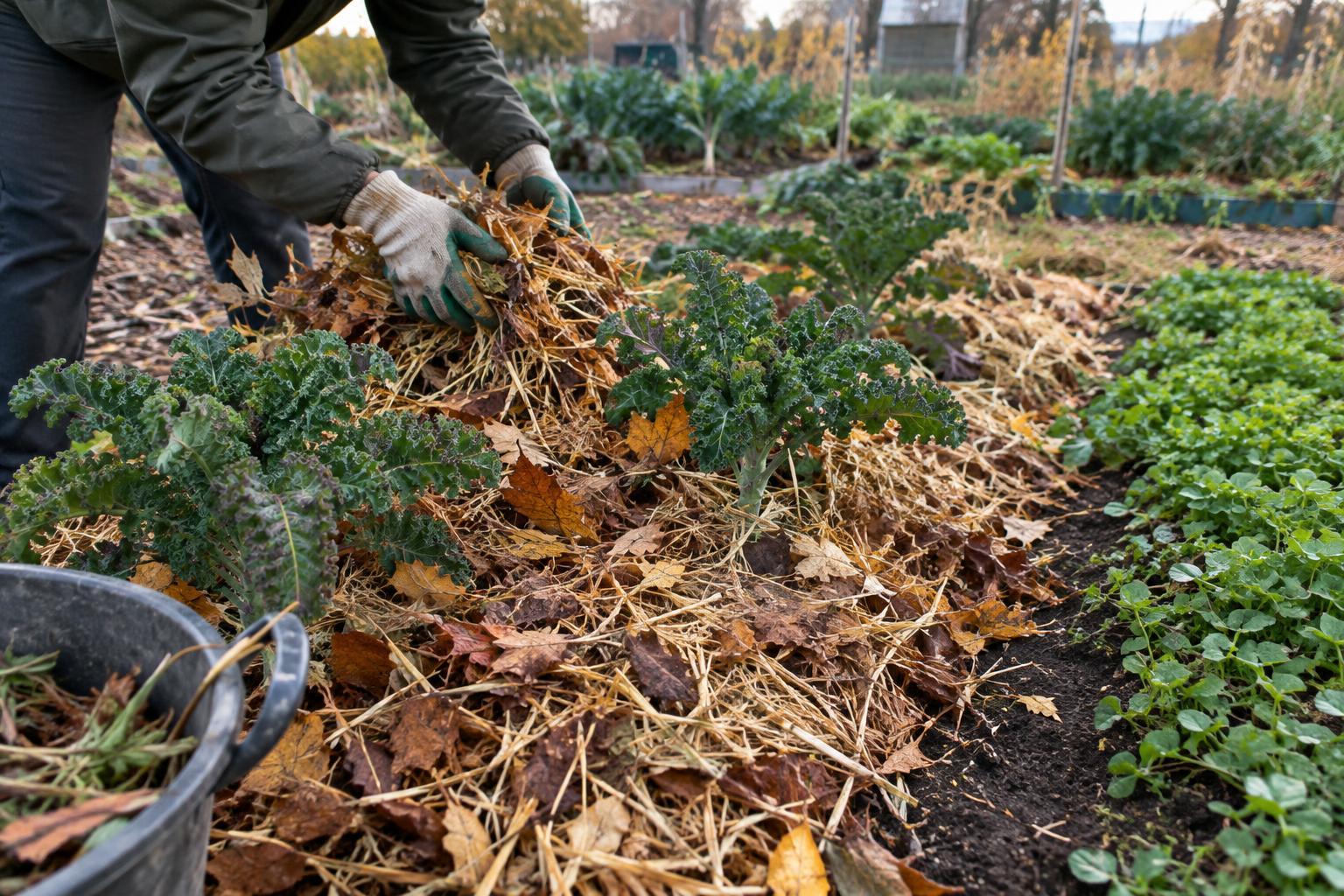
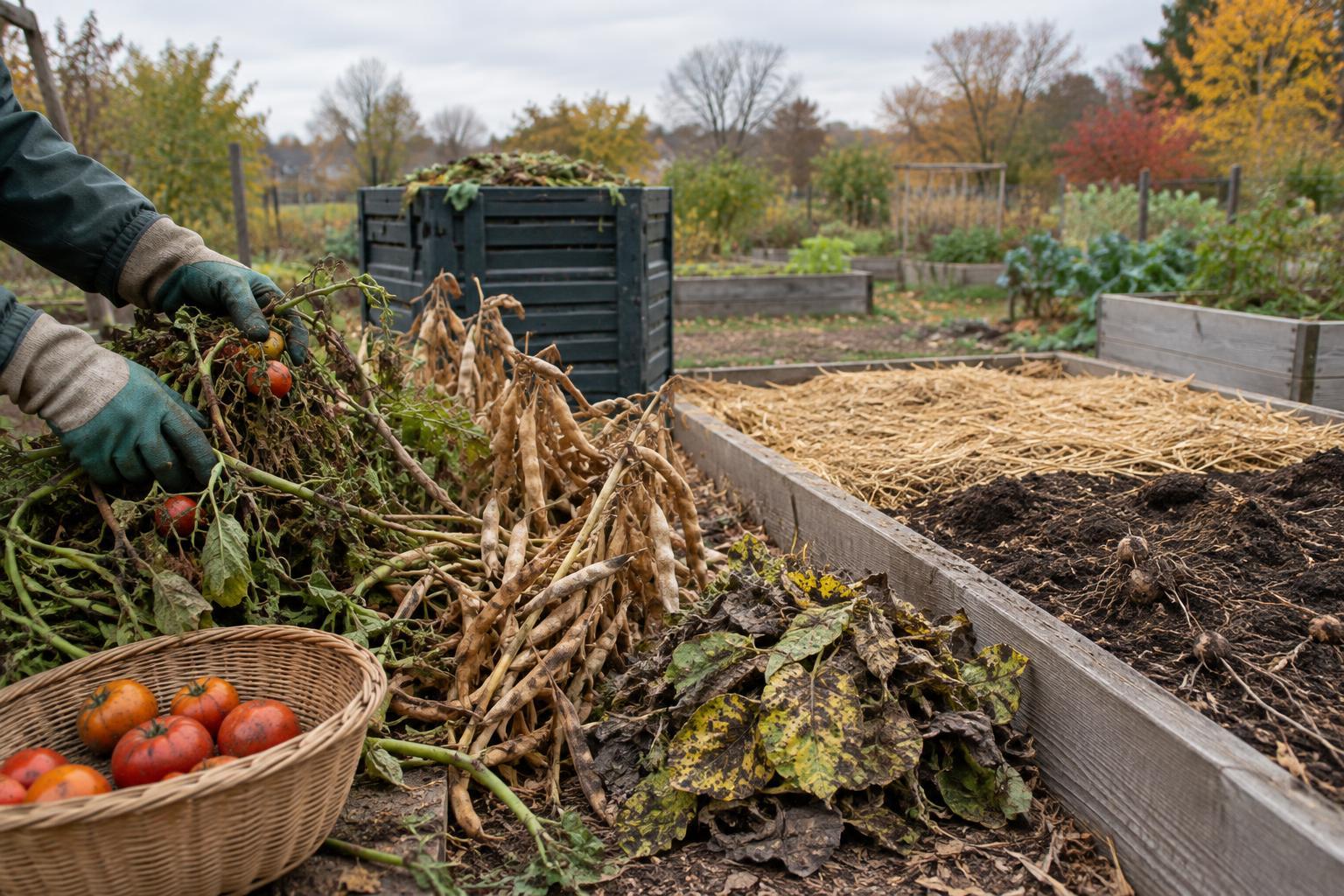
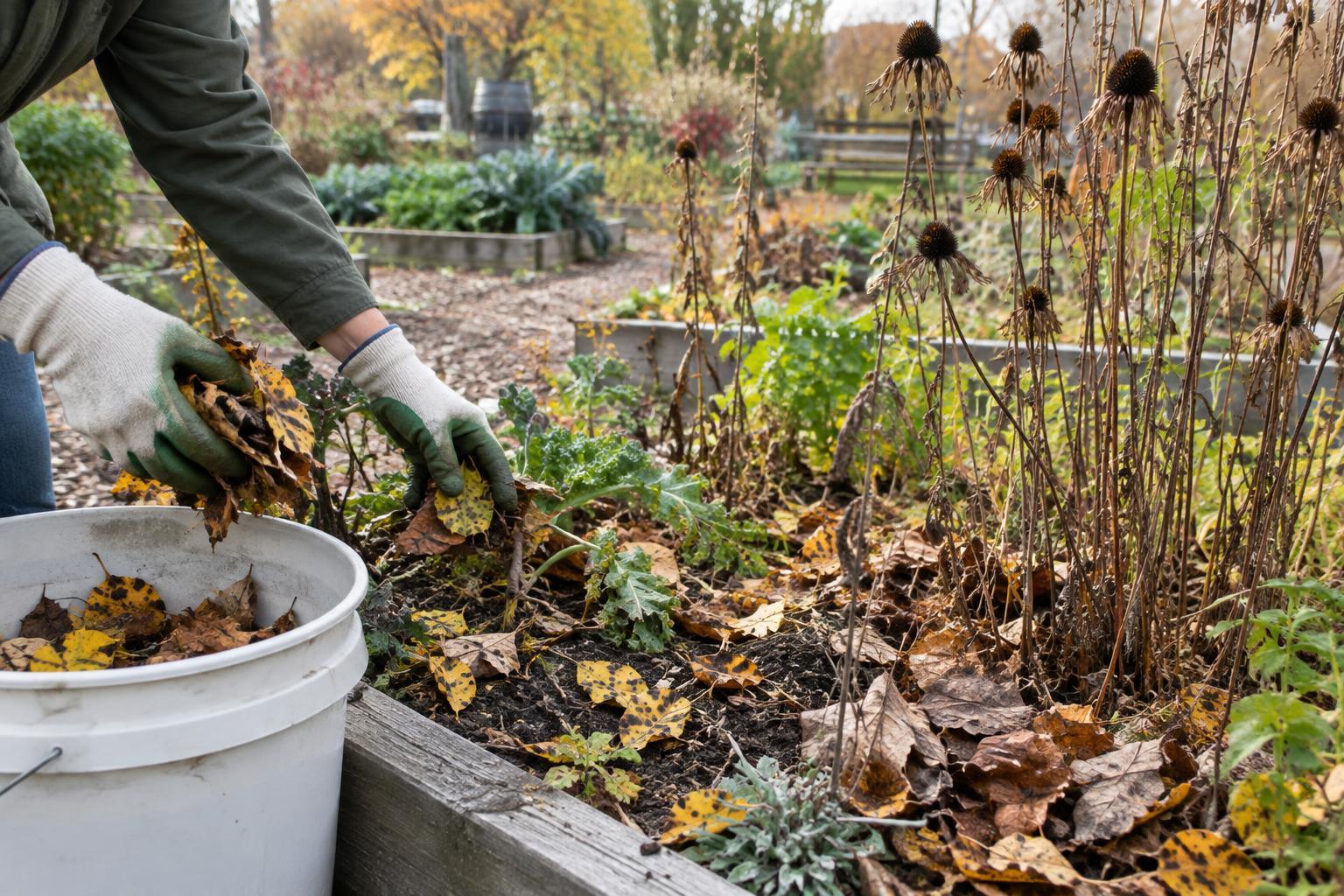
At the end of a crop’s run, remove spent plants and dispose of heavily infested material according to the garden’s compost practices. Clean up neglected produce and plan the next planting with any recurring trouble spots in mind. Seasonal pest care is a cycle of looking, deciding, acting when needed, and looking again. That approach helps a community garden protect its harvest while leaving room for the many insects that belong in a growing space.