Start with the flower buds, not the calendar
A flowering shrub can look ready for a tidy-up long before it is ready for the shears. Many shrubs form their next flower buds months ahead of bloom. If you cut those stems back while the buds are resting, the plant may remain healthy but produce fewer flowers the following season. The key question is whether the shrub flowers on old wood—stems grown in a previous season—or on new wood, the fresh growth it produces in the current season.
Identify the plant before making major cuts. Labels, a garden plan, or a record of past bloom times can help, though bloom time alone is not a perfect guide. Forsythia and many lilacs typically flower from buds on older stems; panicle hydrangeas and many summer-flowering spireas generally bloom on new growth. Hydrangeas are especially worth identifying carefully because pruning needs differ among types, and some varieties flower on both old and new wood. When you cannot identify a shrub, observe it through one flowering cycle before reshaping it heavily.
Time pruning to the way the shrub flowers
For a shrub that blooms on old wood, the usual window for shaping is shortly after its flowers fade. This gives new stems time to grow and develop buds for a future display. Waiting until autumn or late winter to shorten all its branches can remove buds you cannot easily see. After-bloom pruning does not mean every stem needs cutting: if the shrub fits its space and flowers well, a few selective cuts may be enough.
Shrubs that bloom on new wood can often be shaped while dormant, before vigorous growth begins. They have an opportunity to grow the stems that will carry that season’s flowers. Avoid assuming that every summer-blooming shrub belongs in this group, however. Check the particular plant, especially before cutting a large or unfamiliar specimen. For reblooming shrubs, light pruning after the first flush may be useful, but heavy late-season cuts can remove developing buds or encourage tender growth; follow what you know about that variety.
Make selective cuts instead of shearing everything
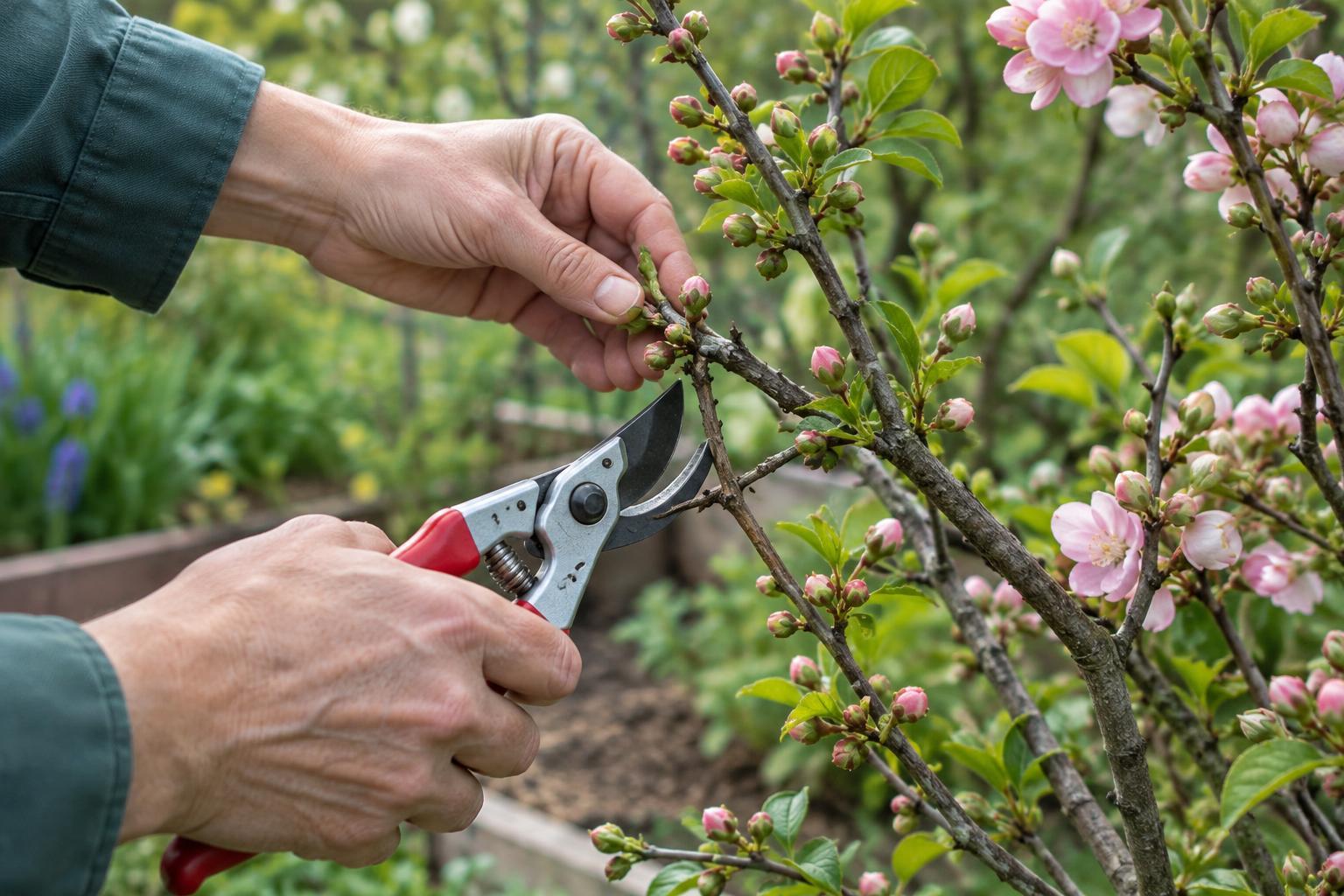
Begin by stepping back to see the shrub’s natural shape and the space it needs to occupy. Use clean, sharp hand pruners for small stems and loppers or a pruning saw for larger ones. Remove dead, damaged, or clearly diseased wood when you notice it, cutting back to healthy growth. Then consider stems that rub, crowd the center, or block a path. In a shared garden, check for hidden hoses, plant supports, nests, and people working nearby before you start.
To reduce an overgrown shrub while preserving much of its flowering potential, thin selected older stems at or near their base where the plant’s growth habit allows. This opens space for younger stems without shortening every flowering tip. For smaller adjustments, cut back to a well-placed side branch or bud rather than leaving a long stub. Repeatedly shearing the outside can create a dense shell of growth, hide bare stems within, and remove flower buds across the whole surface. Some shrubs respond poorly to severe renovation, so spread substantial work over more than one season if you are unsure.
Know when to leave a shrub alone
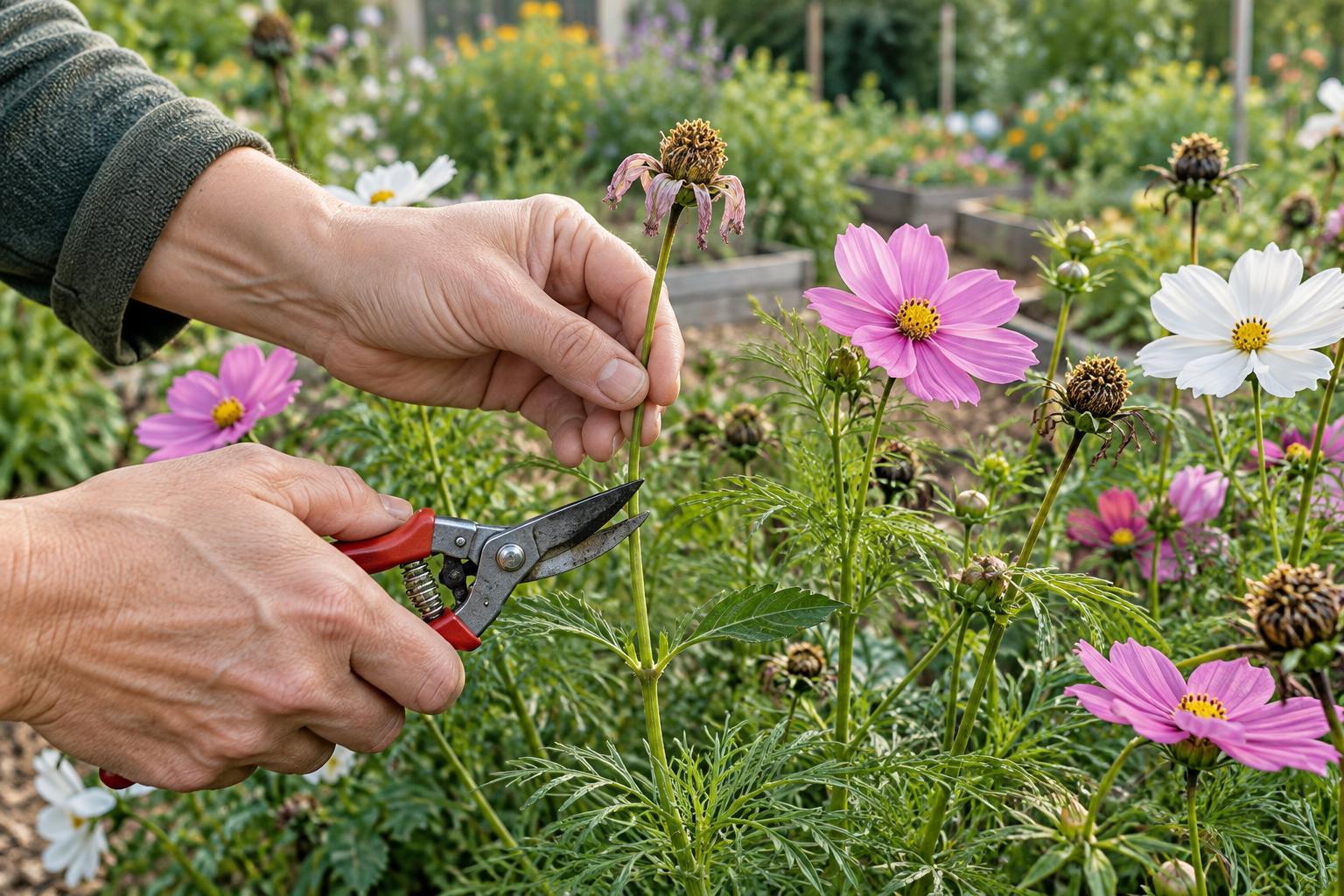
Pruning is not an annual requirement for every flowering shrub. A healthy plant with room to mature may need little more than the removal of broken branches. Deadheading—removing spent flowers—can improve appearance on some shrubs, but it is different from cutting back the framework. Before trimming faded blooms, check whether the plant forms ornamental fruit or seedheads that gardeners want to keep. Also look closely for swelling buds along the stems: they are a useful reminder that apparently bare wood may already hold the next display.
If a shrub has outgrown its site, ask whether pruning can realistically solve the problem. Regular hard cutting may keep a large shrub small at the cost of flowers and its natural form. Moving it, if practical, or choosing a smaller replacement may be a better long-term answer. In a community planting, agree on that decision before someone makes an irreversible cut.
Keep a simple record for next year
A short note can prevent the most common pruning mistake. Record the shrub’s name if known, when it flowered, whether blooms appeared on older branches or fresh shoots, and what you removed. A photo before and after pruning makes it easier for other volunteers to understand the plan. Mark an uncertain shrub as “observe before major pruning” rather than assigning it a guessed schedule.
When flowering is sparse, do not assume pruning was the only cause. Light, weather, plant age, and growing conditions can also affect a display. Watch where new buds and flowers appear next season, then adjust your approach. With a little observation and a few well-chosen cuts, pruning becomes less about imposing a shape and more about giving each shrub room to grow and bloom.