Know what you are looking for
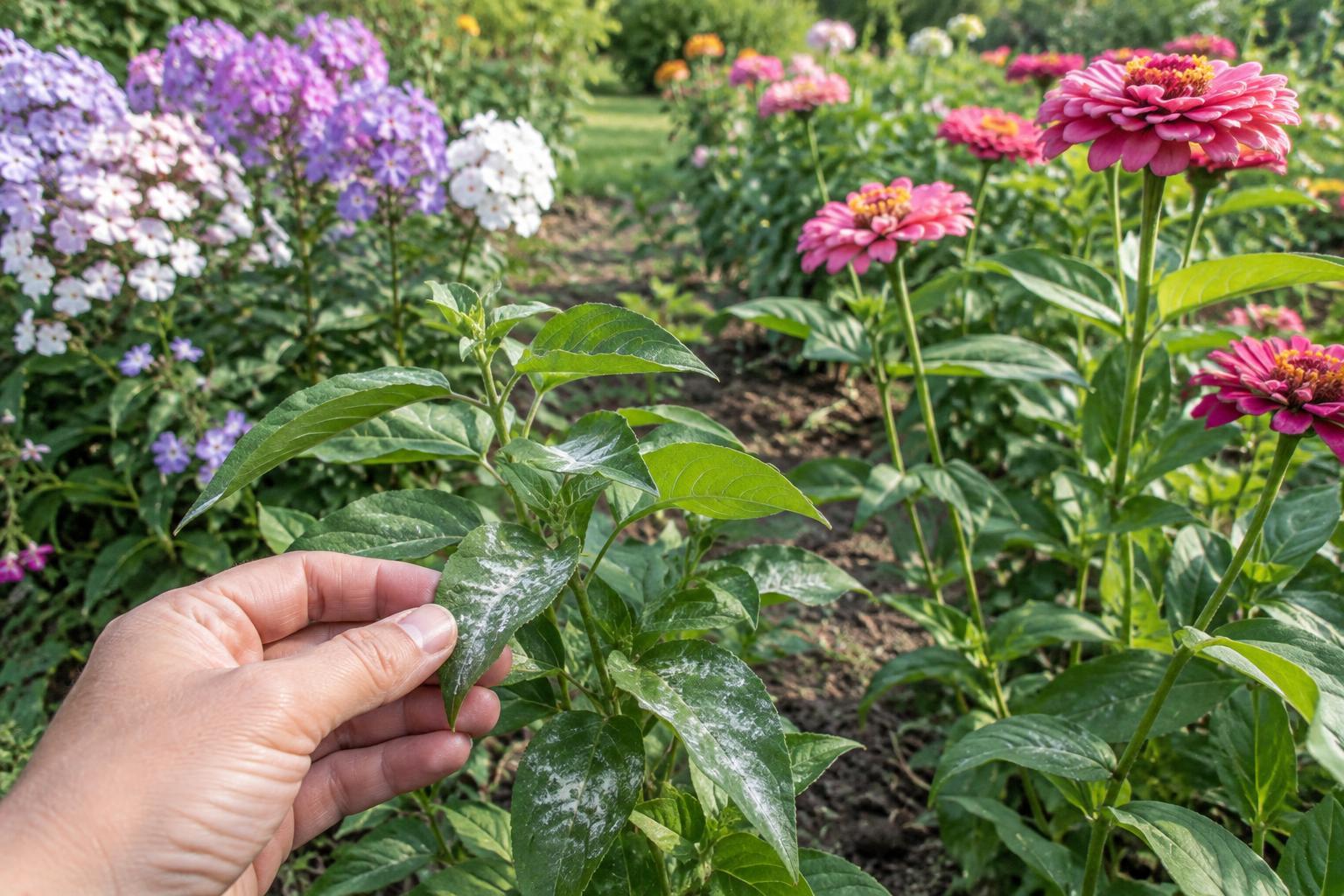
Powdery mildew often looks like a dusting of white or gray flour on leaves, stems or flower buds. Small patches may spread until much of a leaf is coated. Affected leaves can yellow, curl or drop early, although the severity varies by plant. Zinnias, phlox, bee balm and some other ornamentals can be susceptible, but one variety may fare better than another in the same bed.
Unlike many leaf diseases, powdery mildew does not require leaves to stay wet for long periods before it develops. Crowded growth, shade and still air can make a planting more favorable to it. Similar-looking marks can have other causes, so check both sides of several leaves and watch whether the coating spreads. Finding a few marked leaves is a reason to pay attention, not necessarily a reason to remove an entire plant.
Give each plant light and breathing room
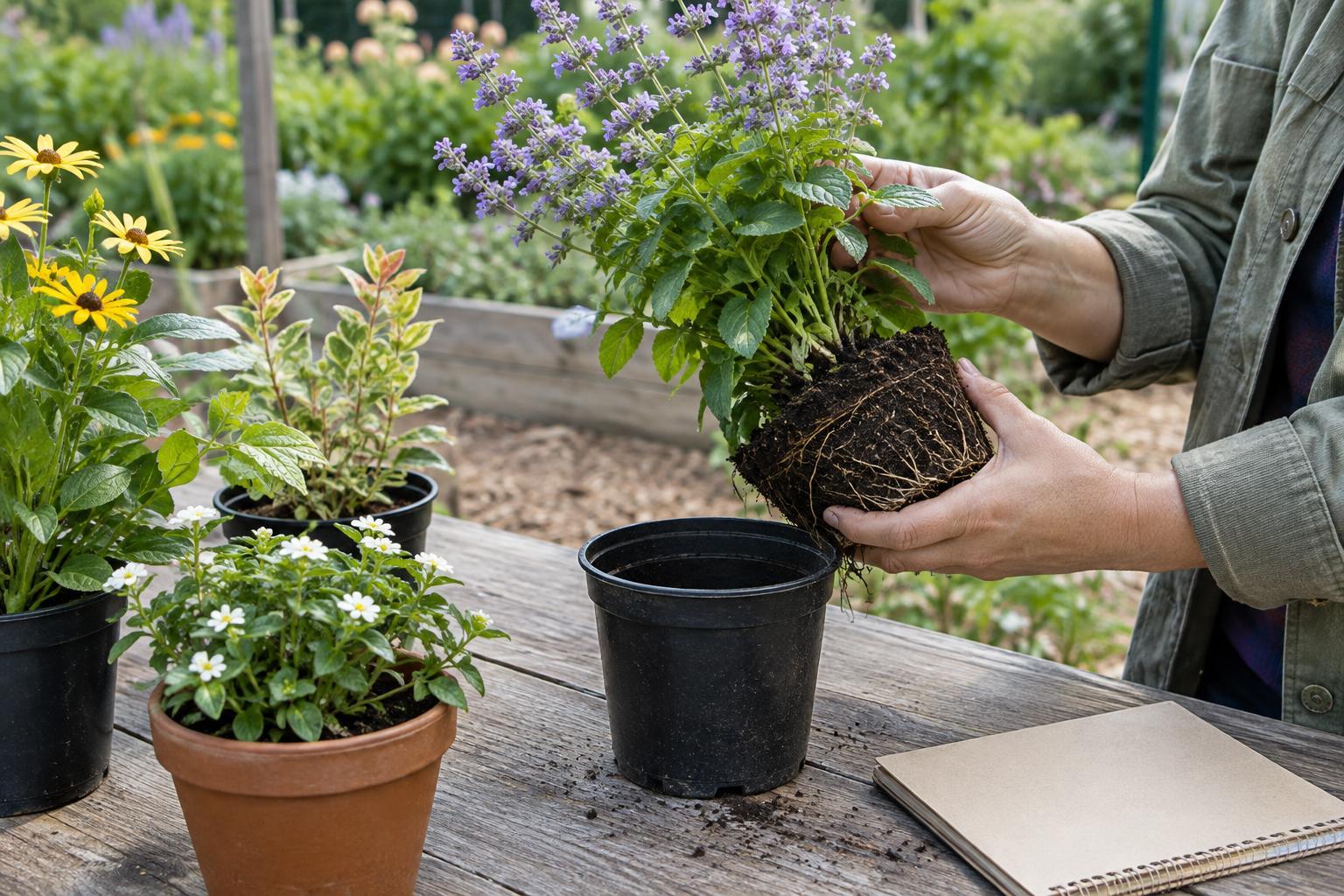
Start prevention when laying out the bed. Follow the mature spacing on plant labels rather than the size of young transplants. In a shared garden, it helps to leave enough space for people to reach plants without pushing through dense foliage. If a bed fills in more than expected, thin self-sown seedlings or move suitable plants during an appropriate transplanting season.
Choose a site that meets each flower’s light needs. Plants that prefer full sun may grow weakly in deep shade, while even a sunny bed can become dim beneath overhanging branches or taller neighbors. Where appropriate, remove a few crowded or crossing stems to improve airflow. Avoid stripping a plant heavily: its leaves still need to support growth and flowering.
Water and feed for steady growth
Water the soil around the roots rather than routinely spraying the whole bed. A watering wand, soaker hose or drip line can help direct water where it is needed. Check the soil before watering, since a fixed schedule may leave plants too dry after hot weather or too wet after rain. A layer of mulch can help moderate soil moisture, but keep it from piling against stems.
Powdery mildew can appear despite careful watering, so changing how you water is only one part of prevention. Aim for steady growth rather than forcing a flush of soft foliage with excessive fertilizer. If plants seem weak, consider their light, moisture and soil conditions before adding more nutrients. Healthy plants may tolerate some leaf damage better, but good care does not make a susceptible variety immune.
Respond early, without overreacting
Inspect beds regularly, especially where leaves overlap or a plant has had mildew before. If only a few leaves are affected, remove them with clean pruners when doing so will not leave the plant bare. Put diseased material in the disposal stream your garden uses for plant waste; whether it belongs in compost depends on how that compost is managed. Clean tools after working on affected plants, and avoid brushing through healthy foliage with the removed leaves.
If symptoms are widespread, cutting off every marked leaf may do more harm than good. Focus instead on improving space and airflow, removing badly affected or spent growth where suitable, and keeping plants watered at the roots. Some products are labeled for powdery mildew on ornamentals, but they differ in which plants they can be used on and how they must be applied. If considering one, read and follow its label, including any cautions about flowers and nearby plants. Spraying an unidentified household mixture can damage leaves.
Plan a less crowded bed next season
At the end of the growing season, clear heavily affected annuals and fallen leaves from the bed. Cut back perennials according to their normal care needs, and record which plants developed mildew and where they were growing. These notes can reveal a useful pattern: perhaps one corner stays shaded, or a vigorous neighbor repeatedly crowds a smaller flower.
For future planting, look for varieties described as powdery mildew resistant when that information is available. Resistance can reduce problems without guaranteeing spotless foliage. Combining thoughtful plant choice with adequate spacing, suitable light and routine observation gives a flower bed its best practical chance. In a community garden, a simple shared note about spacing and cleanup also helps the next person care for the bed consistently.