Start with the site and the bulbs
Spring-flowering bulbs bring color to a garden before many perennials have filled out. Tulips, daffodils, crocuses, and hyacinths are familiar choices, but they do not all behave alike. Some return reliably in suitable conditions; others may flower less strongly in later years. Check the needs of the bulbs you choose rather than treating every variety the same.
Plant most spring-flowering bulbs in fall, after the soil has cooled but while it is still workable. Choose a spot that gets the light the plant needs during its growing season. A bed beneath a deciduous tree may receive plenty of sun in early spring, before the tree leafs out. Look beyond spring, too: a site that stays wet through summer may not suit bulbs that prefer a drier resting period.
Use firm bulbs without soft spots or visible mold. If you are planting in a shared garden, mark the bed or record the planting location. That small step can prevent someone from digging through dormant bulbs during another project.
Set a useful planting depth
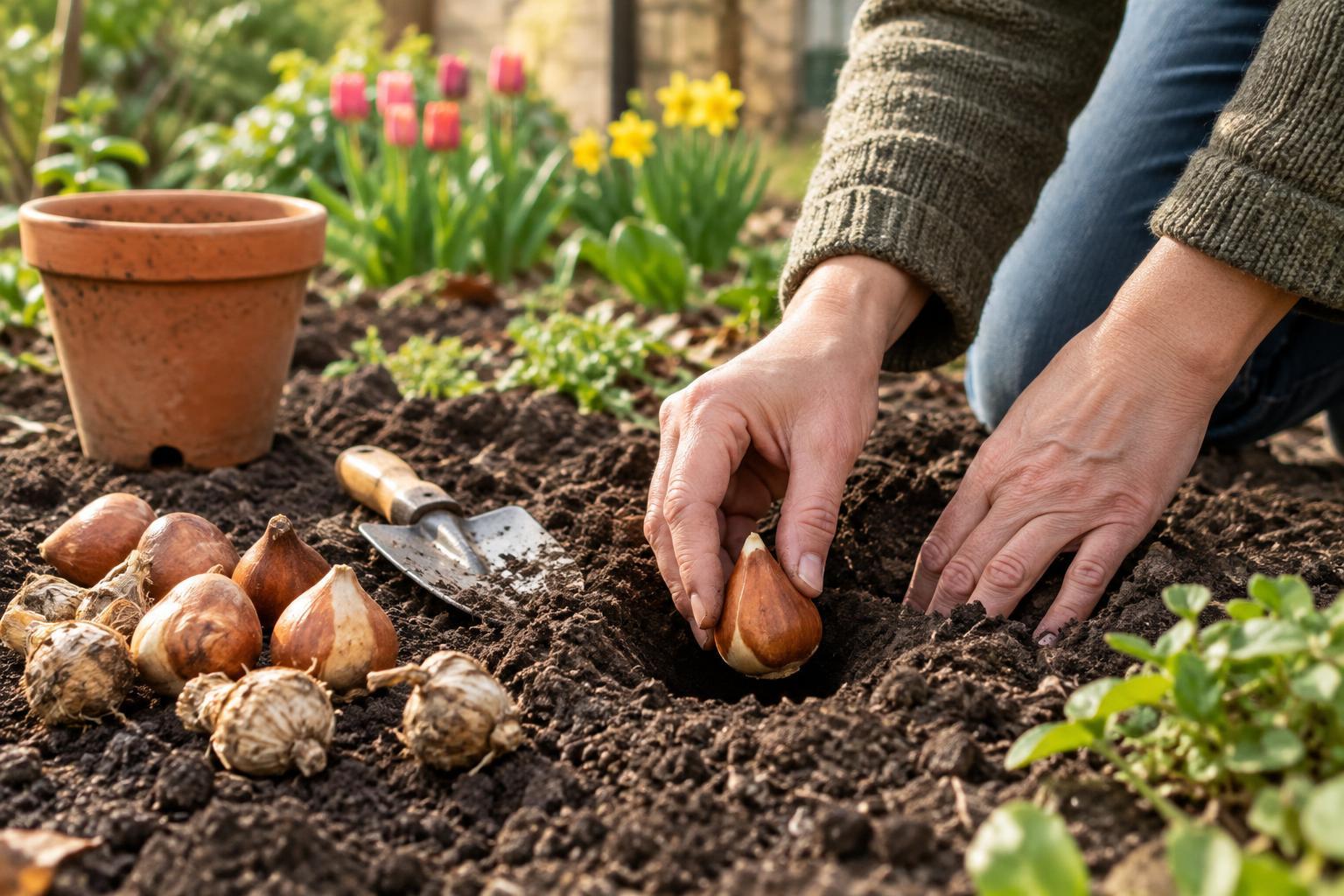
A common starting point is to plant a bulb at a depth of about two to three times its height, measuring from the soil surface to the bulb’s base. A bulb that is 2 inches tall, for example, would usually sit with its base roughly 4 to 6 inches below the surface. Follow the package guidance when it differs: bulb type, size, and growing conditions can affect the recommended depth.
Set bulbs with their pointed end up and the flatter, root-forming end down. If the shape is hard to read, place the bulb on its side; new growth can usually find its way upward. Leave enough room between bulbs for roots and foliage, while keeping groups close enough to make an impact. Avoid pressing bulbs hard into the bottom of a hole, which can compact the soil beneath them.
After planting, replace the soil, firm it gently to remove large air pockets, and water. A light mulch can help moderate soil temperature and reduce weeds, but keep the layer modest so small shoots can emerge easily.
Make drainage a priority
Bulbs need moisture to develop roots, but prolonged waterlogging can cause them to rot. Before planting, notice what happens after rain. If water collects in a spot or the soil remains saturated, choose another location or use a raised bed. Working compost into a planting area can improve the structure of some soils over time, but it will not turn a persistently wet site into a well-drained one.
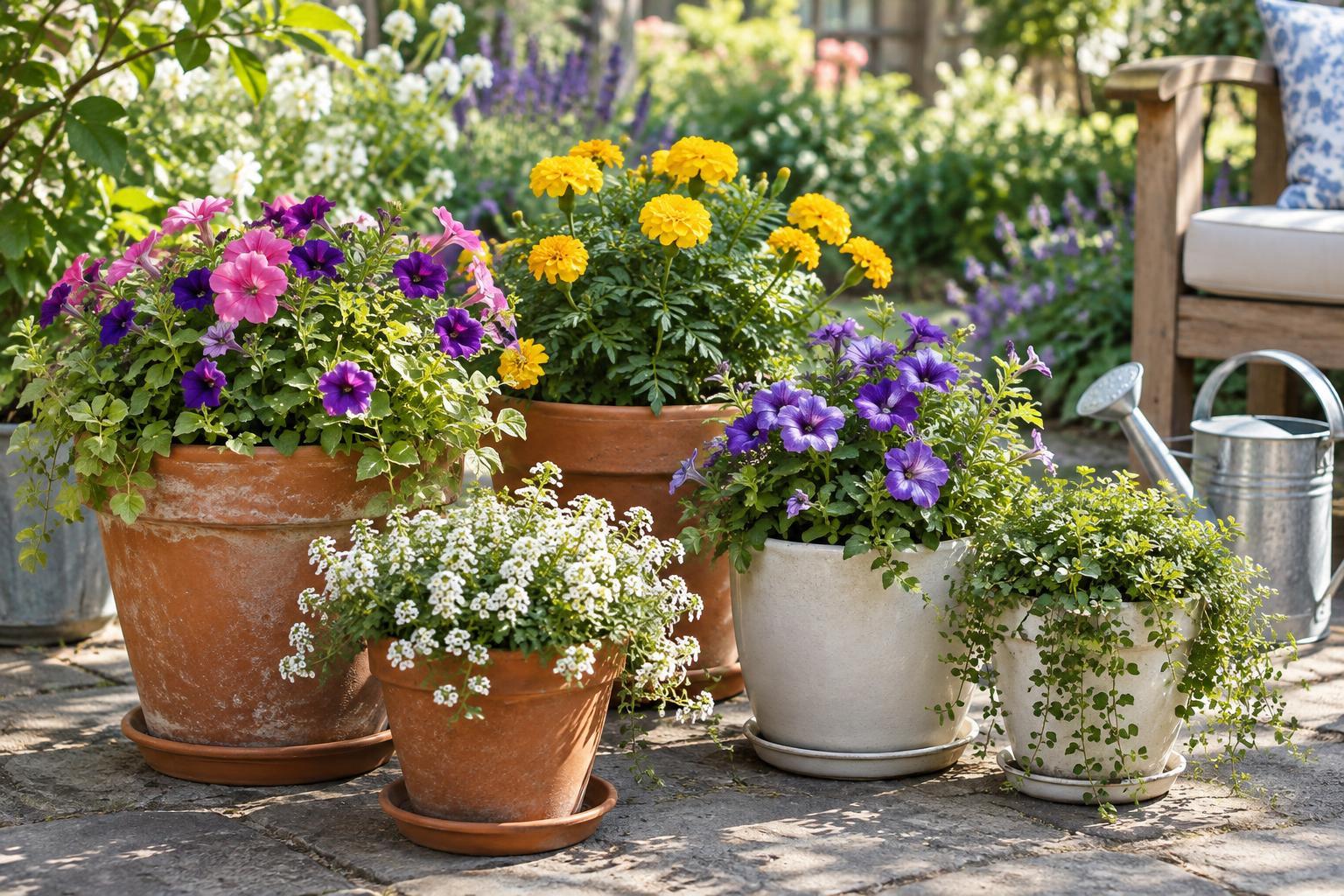
For containers, use a pot with drainage holes and a potting mix suited to container growing. Do not rely on a layer of stones at the bottom to solve drainage problems. Position the container where excess water can escape rather than collecting in a saucer. Container soil is more exposed to temperature swings and can dry out or become waterlogged faster than a garden bed, so check its moisture during the rooting period and again as growth begins.
Care for plants after the flowers fade
Once blooms are spent, you may remove faded flower heads, especially on large-flowered bulbs, to keep the bed tidy and discourage seed formation. Leave the green leaves in place. They continue to gather energy while the bulb prepares for another growing season. Cutting or tying the foliage while it is still green can weaken future flowering.
Wait until leaves have yellowed and come away easily before clearing them. One way to make this stage less noticeable is to plant bulbs among perennials whose new growth will gradually cover the fading foliage. Keep the area reasonably free of weeds, and water during active growth if conditions are unusually dry. Avoid keeping the bed constantly wet after the foliage dies back.
Plan for next spring in a shared space
As the display ends, note which bulbs flowered well, where gaps appeared, and whether any patches stayed too wet. These observations are more useful than trying to remember the layout months later. If a clump becomes crowded or flowers poorly, consider lifting and dividing it after the foliage has died back, following guidance for that type of bulb.
In a community garden, agree on who will care for the bed after bloom and where new bulbs can be added in fall. Simple labels or a shared planting map protect bulbs while they are dormant. They also help the next gardener understand why a seemingly empty patch should be left undisturbed.