Start with the water source and the route to each plot
Before setting watering rules, walk the garden with the people who use it. Identify each tap, hose connection, watering can filling point, and any area a hose cannot easily reach. Note narrow paths, gates, raised beds, and places where a hose could drag across plants or block a route. A simple sketch is often enough to show where access needs improvement.
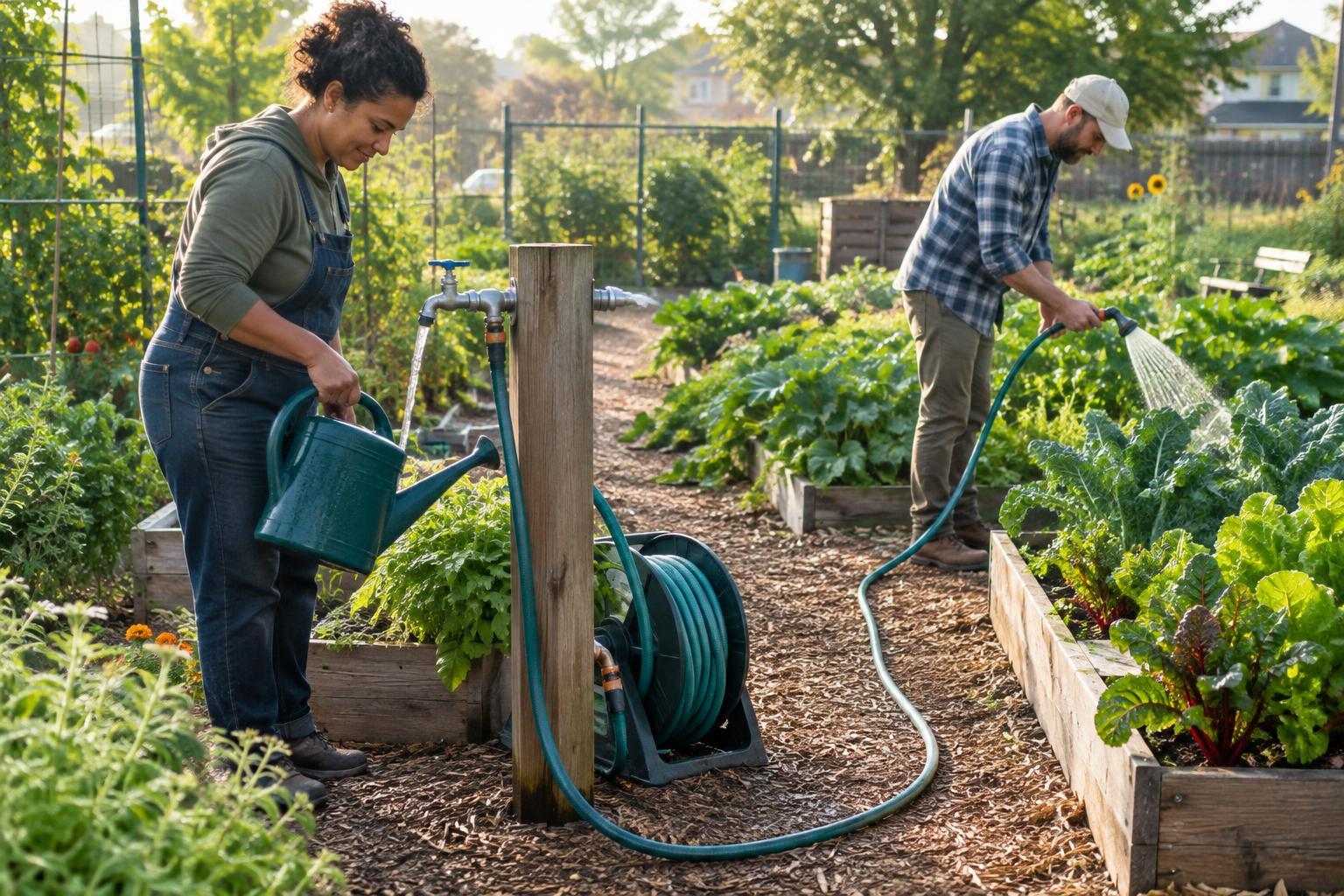
Choose hose lengths and storage spots that let gardeners reach plots without leaving equipment stretched across walkways. Hose guides at bed corners can reduce damage to plants. A reel or clearly marked hook makes it easier to return a hose after use. If some plots remain difficult to reach, consider whether a second filling point, shared watering cans, or an agreed hose route would help. Keep routes usable for gardeners with different mobility needs rather than assuming everyone can carry a full can.
Check connections for leaks and make sure everyone knows how to shut off the water. If the garden uses a building supply or another managed water source, ask the responsible owner or manager about any requirements for hoses, backflow protection, or seasonal shutoff. The garden’s agreement should fit the actual site, not a setup imagined on paper.
Make a schedule that leaves room for real life
A schedule can prevent the busiest hours from turning into a wait at the tap. Start by asking when gardeners are usually available and whether any plots need help during absences. The goal is fair access, not equal minutes for every bed regardless of its size or needs. A schedule might set preferred watering windows for groups of plots while leaving some open time for gardeners whose work or caregiving hours change.
Keep the system easy to read at the garden and easy to update. State whether a reserved window applies to the tap, the hose, or both, and explain what happens if someone misses it. If gardeners share one hose, agree that it should be returned promptly rather than kept at a plot between visits. For a larger garden, a sign-up sheet can show who plans to water without requiring anyone to predict every visit weeks ahead.
Review the schedule after gardeners have tried it. If people regularly queue at one time or a window goes unused, adjust it together. A workable schedule should reduce friction while still allowing someone to water a newly planted bed or help a neighbor when needed.
Agree on how to water carefully
Water conservation becomes more useful when the agreement describes actions gardeners can take. Encourage watering at soil level so water reaches the root area instead of spraying paths and leaves. Ask gardeners to check the soil before watering: a damp surface does not always mean the root zone is moist, and a dry-looking surface does not always mean a bed needs a long soak. Slow watering gives water time to enter the soil rather than run off.
Mulch, where appropriate for the crop and site, can help reduce evaporation and suppress weeds that compete for water. Gardeners can also group plants with similar watering needs within their plots when practical. These habits support shared use without imposing a single watering frequency on every crop, container, or soil type.
Write down a few expectations that everyone can follow: turn off the tap fully, report leaks, avoid unattended running hoses, and return shared equipment ready for the next person. If the garden faces a supply limit, agree in advance how members will communicate changes and decide which uses take priority. Clear notice is more helpful than a sudden rule posted after someone has already planted.
Share responsibility for equipment and communication
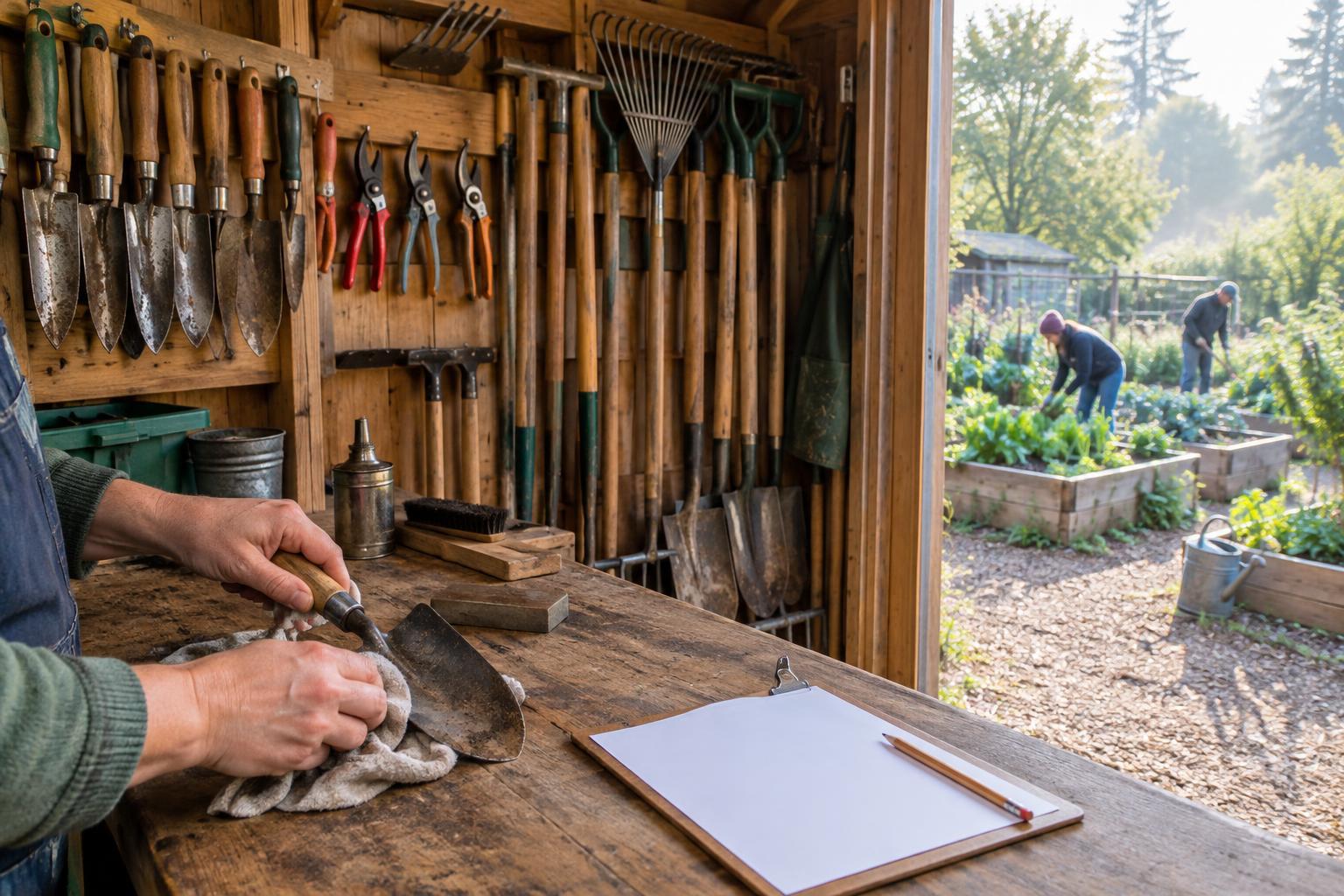
A water plan needs someone to notice when it stops working. Assign a small rotating team or named volunteers to check hose fittings, storage, and access routes. Give members a straightforward way to report a leak or damaged nozzle, along with a temporary plan if a tap cannot be used. Keep spare washers and other simple supplies in an agreed location if the garden has a place to store them.
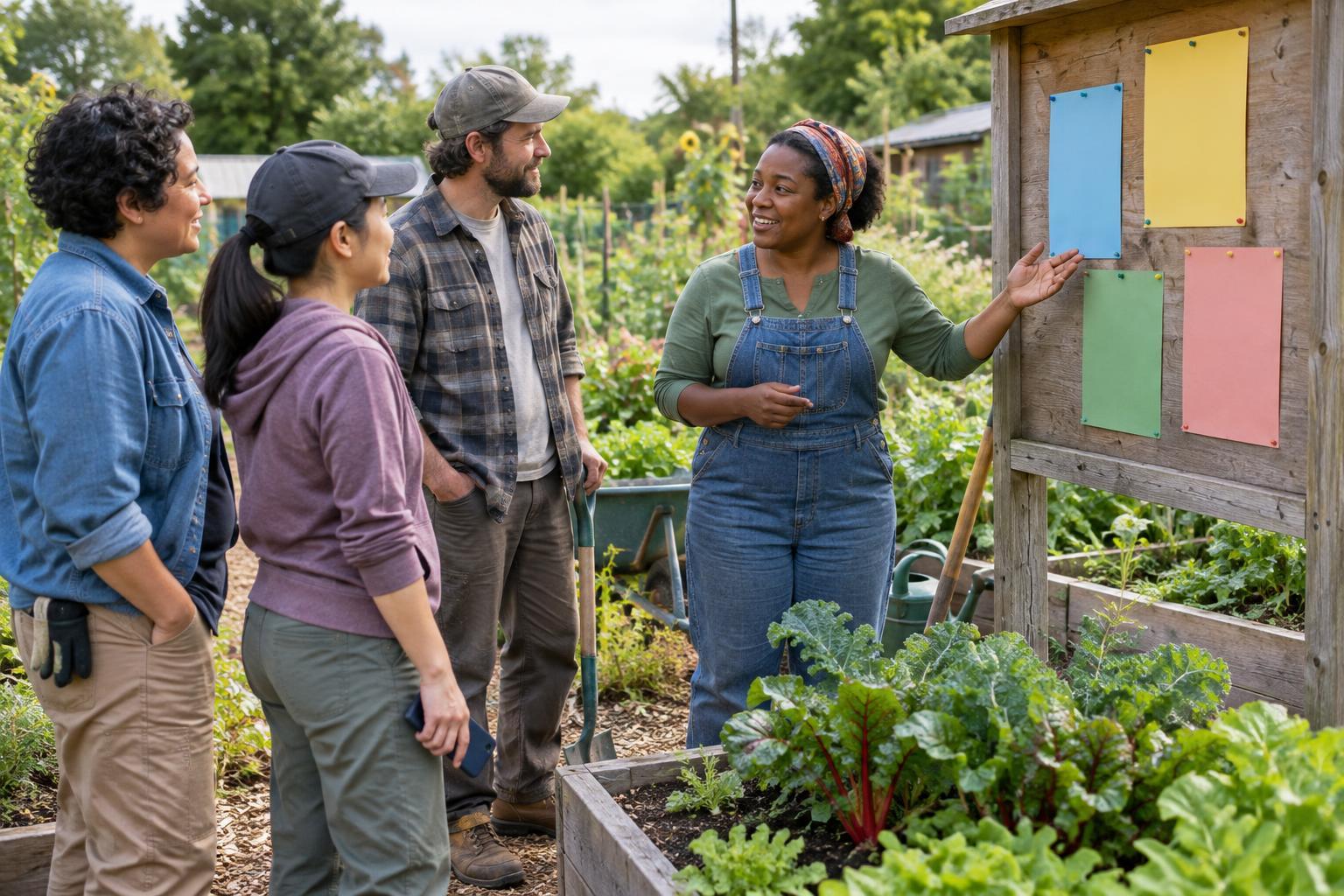
Make the agreement available to every gardener, including new members. A short orientation at the tap can show more than a long list of rules: how the hose reaches distant beds, where it belongs afterward, and whom to contact about a problem. Invite feedback from gardeners who find the schedule or equipment hard to use. Their experience may reveal an access issue that is not obvious during a planning meeting.
Revisit the plan as the garden changes
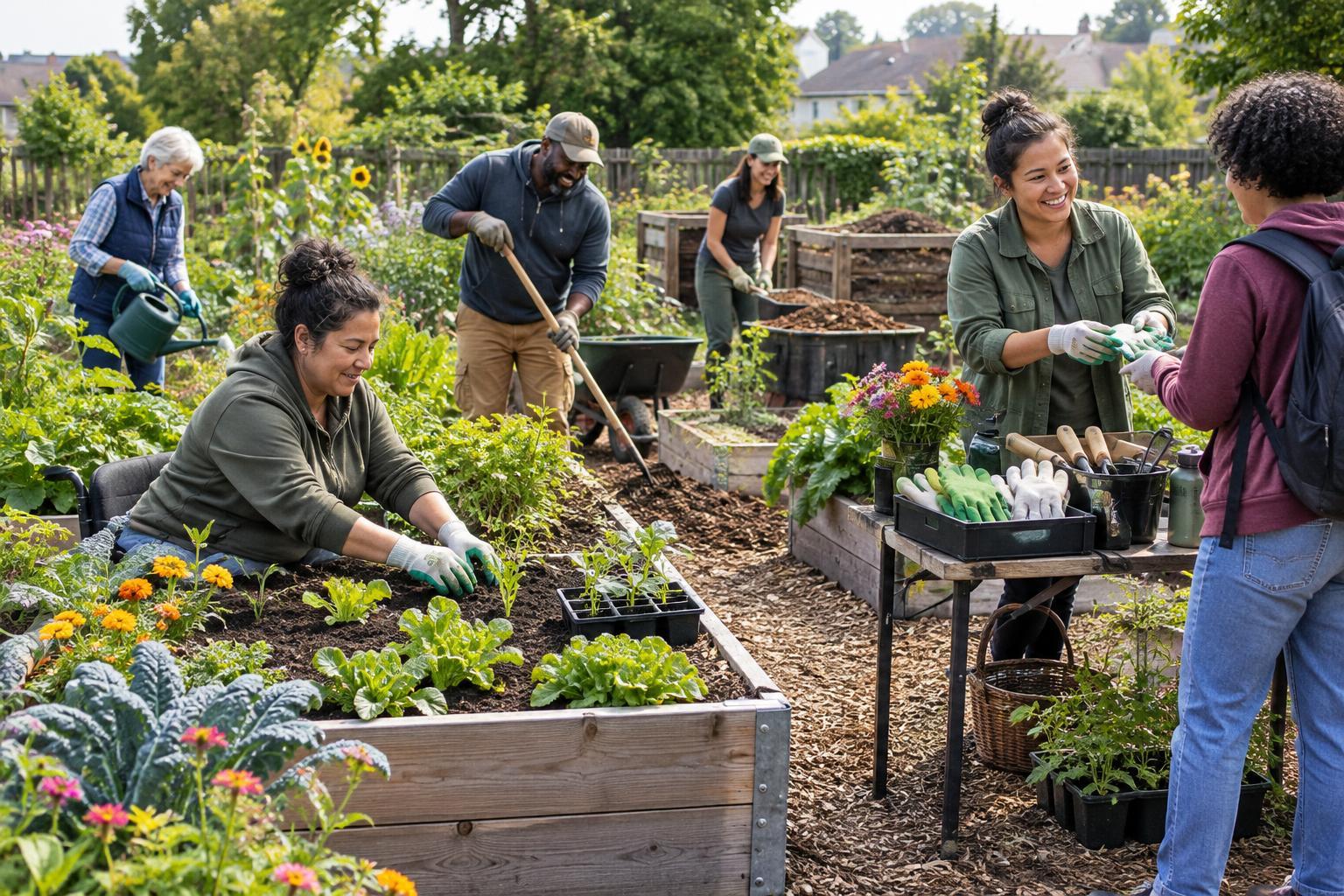
Water needs and participation change as beds are planted, crops mature, and gardeners come and go. Set a time to revisit the agreement during the growing season and again before the next one. Look for repeated hose conflicts, damaged plants along hose routes, unused watering windows, and repairs that keep getting postponed.
The best shared-water agreement is specific enough to guide daily choices and flexible enough to improve. When gardeners understand where to get water, how to take turns, and how to care for the shared supply, watering becomes a routine part of working together rather than a recurring source of confusion.