Start with the garden you have
A bloom calendar is a simple plan for what will flower at different points in the growing season. It is especially useful in a shared garden, where a bed that looks full in one month may be nearly bare in another. The goal is not to keep every plant in flower continuously. It is to create a sequence of interest, with enough overlap that each season feels intentional.
Before choosing plants, sketch the bed and note how much direct sun each area receives. Mark places that stay wet, dry out quickly, or sit near a path where plants may be brushed or stepped on. Check how much room mature plants will need, not just the space they occupy in a pot. These observations will do more for the plan than a long wish list of flowers.
Then make three columns labeled spring, summer, and fall. List what already grows in the bed and when it actually blooms there. Plant labels offer a useful starting point, but weather, shade, and local conditions can shift flowering times. Leave blank spaces on the calendar where you want to add color.
Build a sequence with overlap
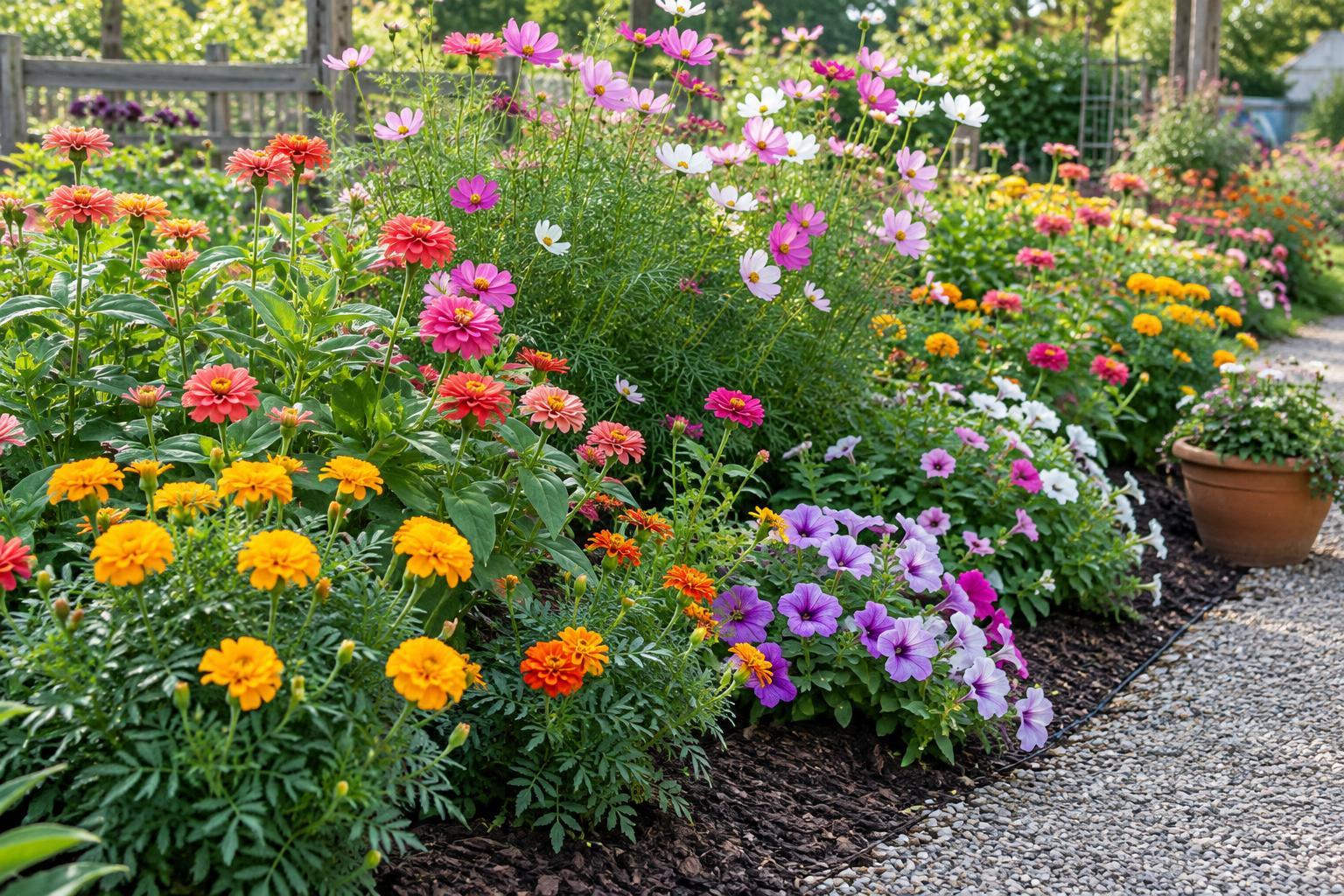
Choose plants by bloom period and growing conditions rather than color alone. Spring-flowering bulbs can provide an early display before many perennials have filled out. Early perennials can carry the bed forward as bulb foliage fades. In summer, a mix of longer-blooming perennials and annuals can bridge gaps between shorter flowering waves. Later-flowering plants, such as suitable asters, goldenrods, or stonecrops, can extend interest into fall where conditions allow.
Aim for at least two kinds of plants contributing to each part of the season. That gives the display some resilience if one plant flowers briefly or performs poorly. A plant need not be in bloom to help: emerging leaves, distinctive foliage, seed heads, and branching shapes can make transitions look deliberate. Grouping a few of the same plant together often creates a clearer effect than scattering single plants throughout the bed.
Check each choice against your climate and site. A plant described as a fall bloomer elsewhere may flower earlier in your garden, and a sun-loving plant may produce fewer flowers in shade. Local nurseries and gardeners can help identify plants suited to your conditions, but your own observations will make the calendar more accurate over time.
Make the planting work as a whole
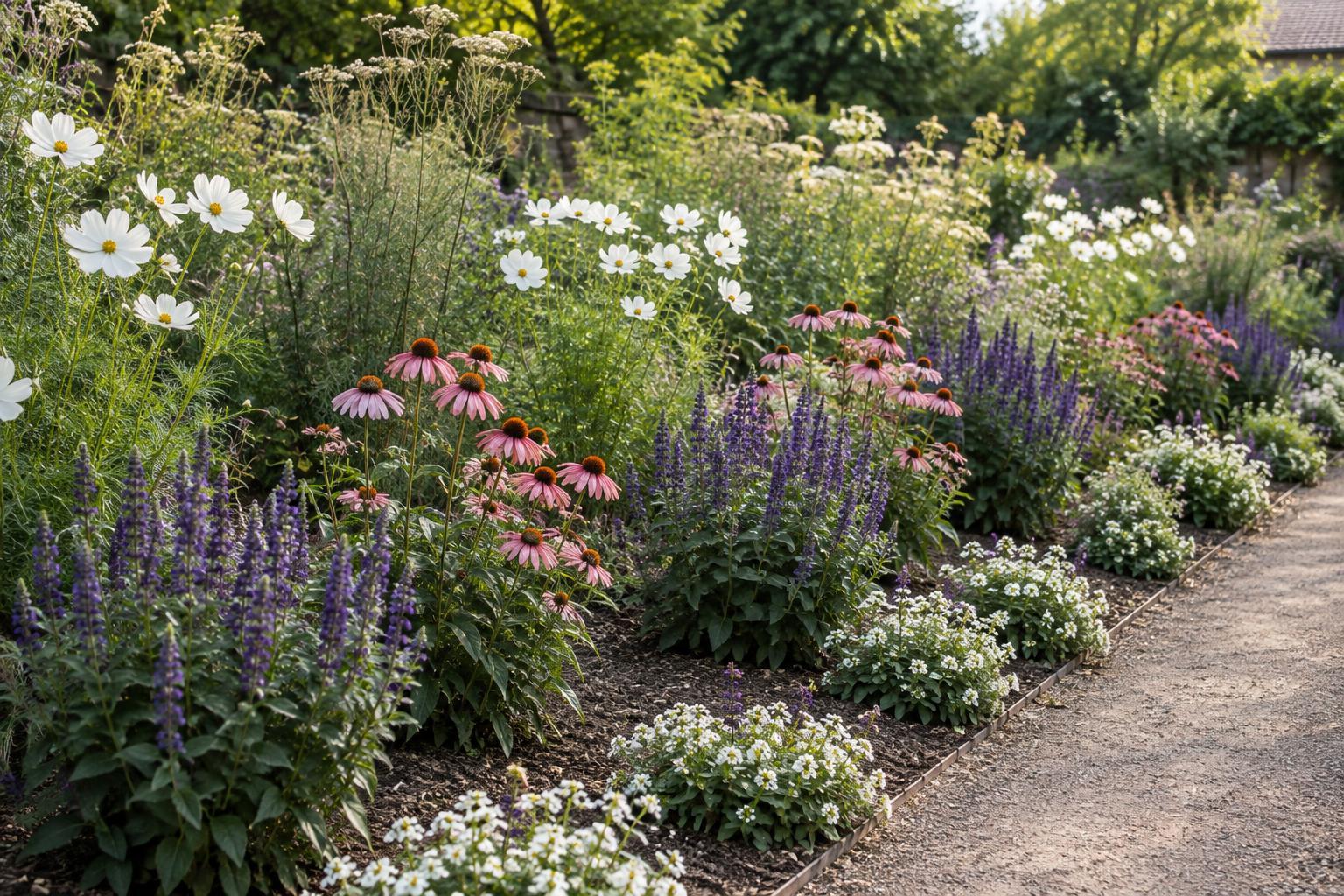
Arrange plants so the bloom sequence also works from the path. Place taller plants where they will not hide shorter ones, while allowing for their mature height and spread. Repeat a few colors or plant forms across the bed to connect spring, summer, and fall displays. You do not need the same flower color in every season; a recurring foliage texture or shape can provide continuity.
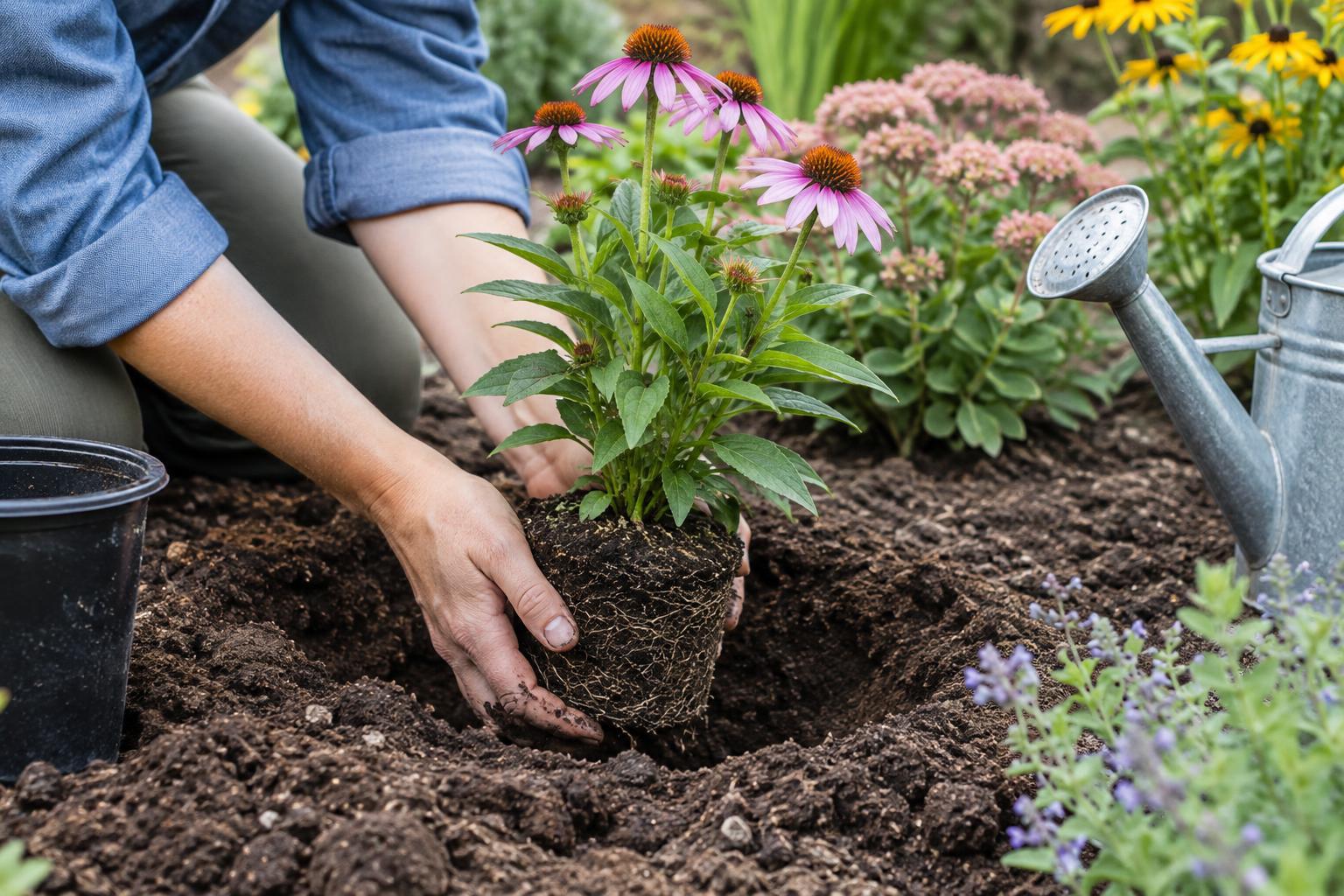
Give each plant the soil preparation and spacing it needs. Improving a bed with appropriate organic matter may help where soil structure is poor, but avoid assuming every ornamental wants rich or consistently moist ground. Some plants prefer leaner, better-drained conditions. Match plants with similar water needs where possible so volunteers are not asked to keep one corner wet and another dry within the same small bed.
In a community space, consider what people will experience up close. Keep vigorous plants from crowding paths or neighboring plots, and avoid putting thorny or floppy plants where they obstruct access. If the bed is meant to welcome pollinators, include a variety of flower shapes and consider plants appropriate to your region. Leave a little room to observe what thrives before filling every gap.
Plan for upkeep, not just peak bloom
A beautiful calendar should be manageable for the people maintaining it. Bulbs may need their leaves left in place after flowering so they can store energy for the next season. Some perennials benefit from cutting back after bloom, while others can stand with attractive seed heads. Annuals may provide color for an extended period, but they can also require regular watering and removal of spent flowers. Factor that work into your choices.
Write a short care plan beside the bloom calendar. Note which plants need division when crowded, which may need support, and where mulch or weeding will be a recurring task. Assigning clear jobs is more useful than assuming someone will notice and do them. In shared beds, label new plantings so well-meaning helpers do not mistake young ornamentals for weeds.
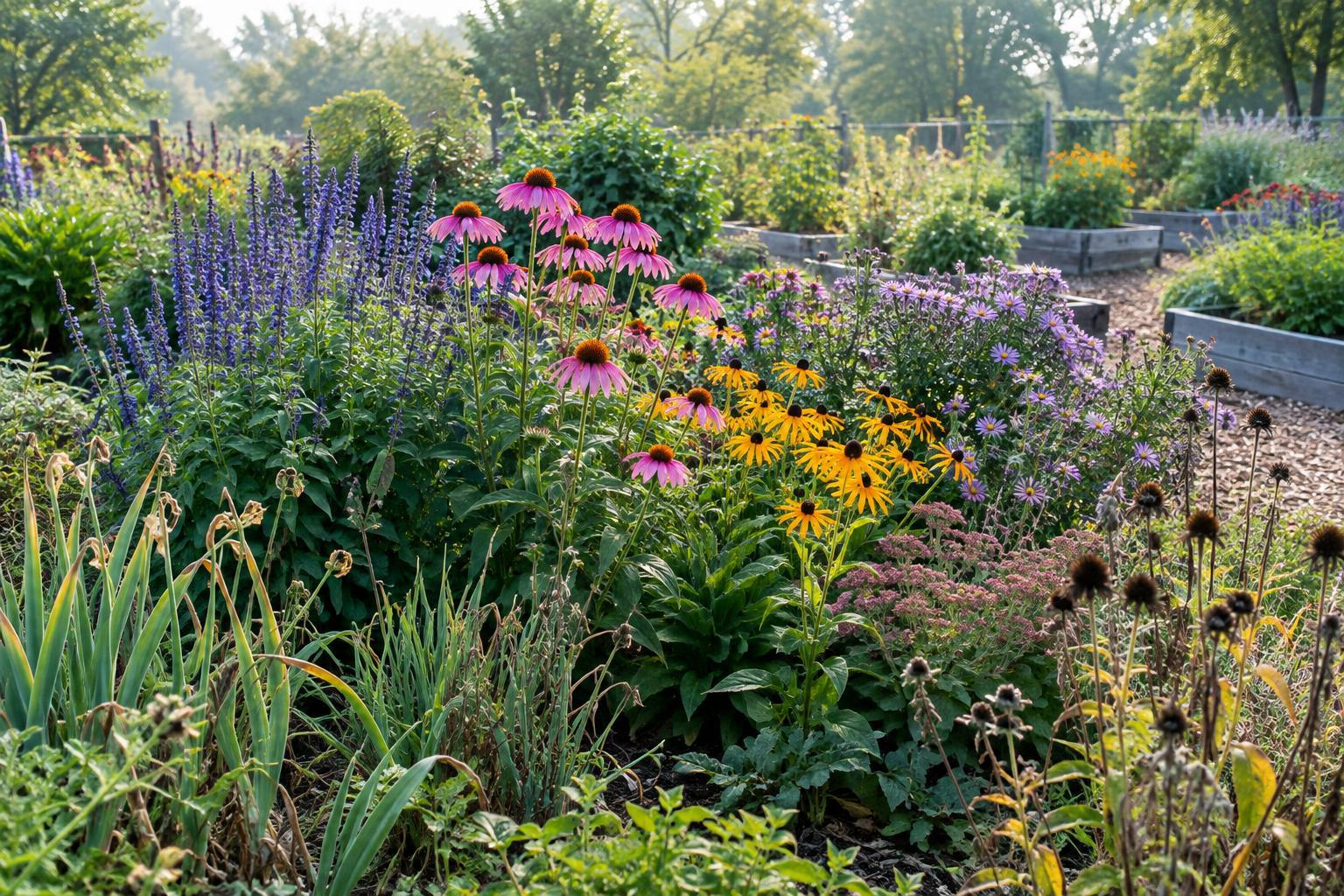
Resist the urge to tidy every fading flower immediately. Where appropriate, some seed heads can add fall structure and provide food or shelter for wildlife. Balance that benefit with the need to limit unwanted seedlings and keep paths clear.
Revise the calendar each year
Treat the first plan as a working draft. Take a photo from the same spot every few weeks and record when plants begin and finish flowering. Note gaps, crowded areas, and combinations that looked better or worse than expected. A few brief observations are enough to guide next year’s decisions.
When a gap appears, ask what caused it before buying another plant. Perhaps a nearby shrub has grown and changed the light, or an existing perennial simply needs more time to establish. Make small adjustments rather than replacing the whole bed at once. Over time, your bloom calendar will become a practical record of how this particular shared space grows—and a clearer guide for everyone who cares for it.