Start with a partner’s needs, not the garden’s surplus
Before planting for donation or asking gardeners to contribute extra produce, talk with a potential recipient. A food pantry, community kitchen, neighborhood fridge organizer, or other local group may welcome fresh harvests, but each will have different capacity. Ask what produce they can use, which days and times they can receive it, how it should be packed, and whether someone must be present for delivery. Do not assume a partner can accept an unannounced box left outside.
Agree on a manageable starting arrangement: perhaps one delivery window and a short list of crops the garden already grows well. Ask how the partner would like to hear about changing quantities. A brief message before harvest can help them plan, especially when weather or volunteer availability makes yields unpredictable. Keep the arrangement flexible; a small delivery that arrives when expected is more useful than a larger one that creates extra sorting or storage work.
Make participation clear and voluntary
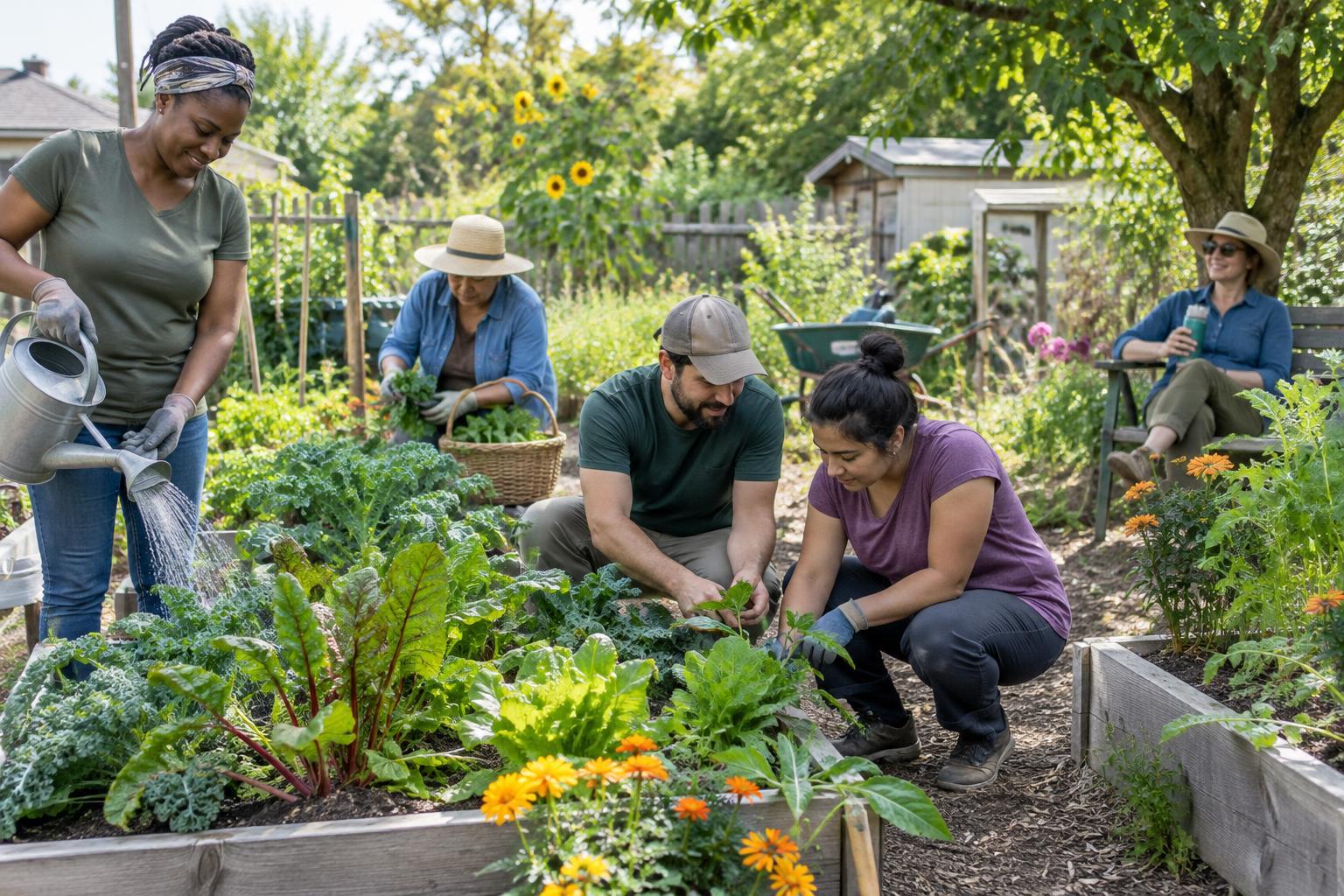
Shared gardens often contain both communal beds and plots tended by individuals. Decide which harvests belong to the donation program, and get each plot holder’s permission before collecting from their space. A simple sign-up sheet can let gardeners offer specific crops or volunteer for a harvest shift. Label communal donation beds clearly so new volunteers know what they may pick.
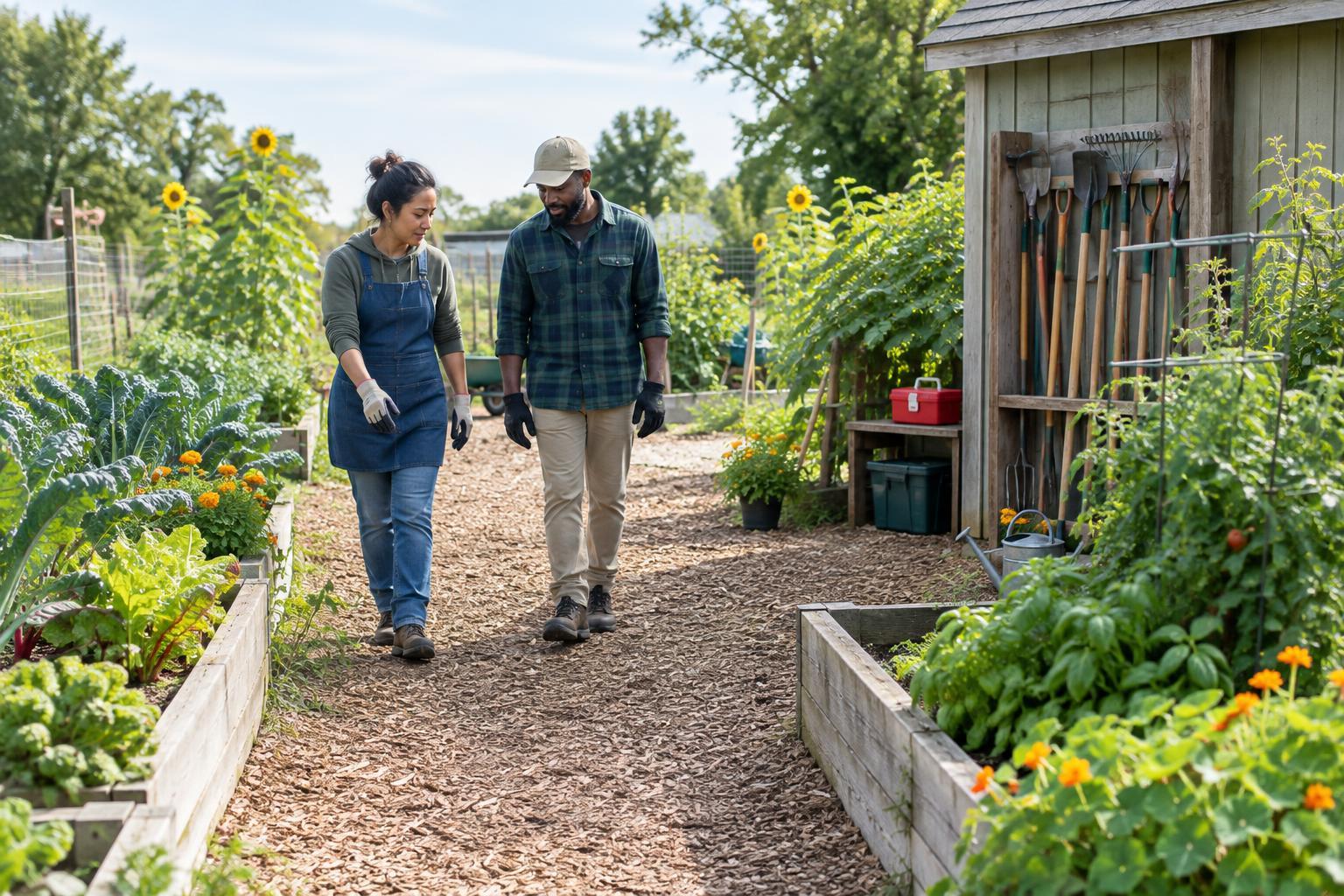
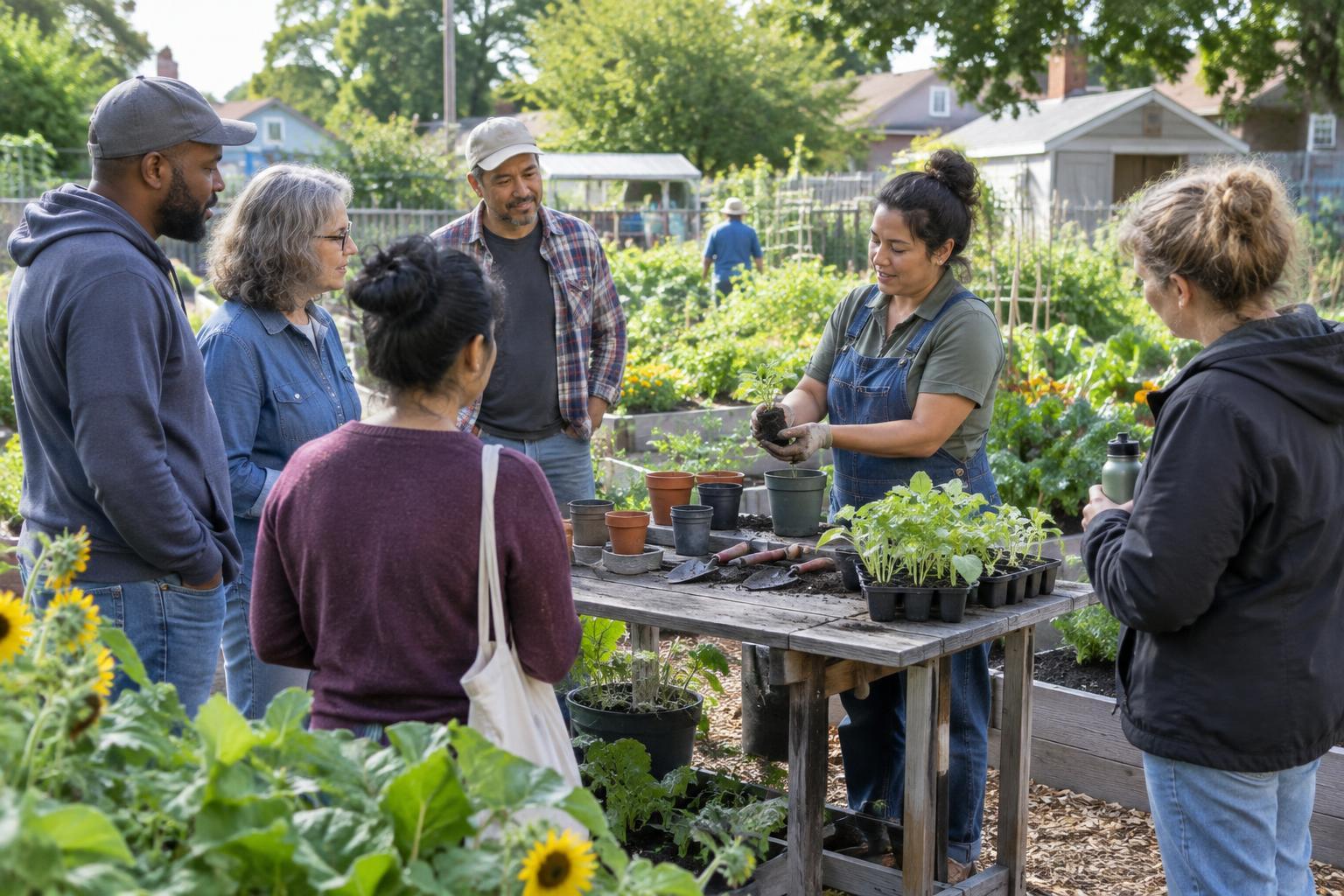
Assign a coordinator and a backup, but spread the tasks. One person might confirm the partner’s receiving hours, another might lead harvesting, and a third might deliver. Write down who has keys, containers, and contact details so the program does not depend on one person’s memory. Give volunteers a short checklist covering what to harvest, where to place it, whom to call if plans change, and how to leave the garden ready for the next group.
Build a harvest and pickup routine
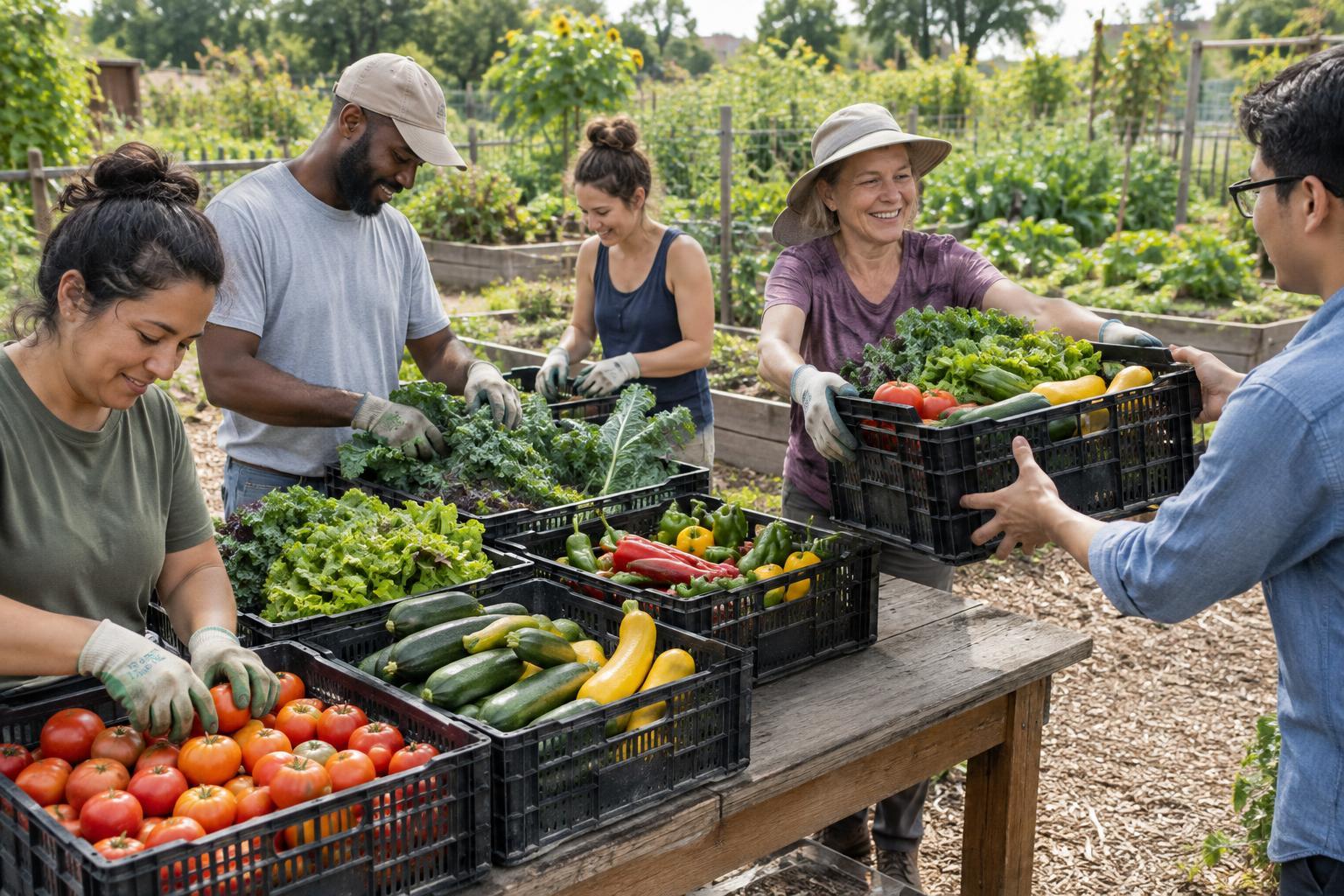
Choose a harvest time close to the agreed delivery or pickup window. Identify crops with volunteers before anyone starts picking, and set aside produce that is damaged or showing signs of spoilage. Handle the remainder gently, keep it out of direct sun when possible, and use clean, sturdy containers that a recipient can lift and store. Ask the partner whether they prefer loose produce, labeled bags, or reusable crates, and settle in advance how containers will be returned.
Give every pickup a clear handoff: a named volunteer, a destination, an expected time, and a way to reach the recipient. If a volunteer cannot make it, the backup should know whether to take over or postpone the harvest. Avoid picking more than the team can deliver promptly. For crops that need particular handling, confirm the partner’s preferences before making them part of the regular donation plan.
Keep records that help the program run
Recordkeeping can be useful without becoming a burden. For each delivery, note the date, crops, approximate amounts, recipient, and the volunteer who completed the handoff. Use a consistent measure, such as a count of bunches or a weight taken on the same garden scale, and label estimates as estimates. A shared notebook or spreadsheet is enough if the people who need it can access it.
These notes help gardeners see which crops tend to produce a donation-ready surplus and whether the pickup schedule matches the harvest. They also make it easier to follow up when a delivery is missed. Keep personal contact information in a separate, access-limited place rather than on a public garden sign. If a partner needs a particular form or receipt, agree on that process together instead of assuming your garden log will serve the same purpose.
Review the plan as the season changes
A donation routine should be easy to adjust. Check in with the recipient periodically about produce quality, quantities, and timing. Ask volunteers whether harvest shifts are realistic and whether instructions are clear. If donations regularly exceed what the partner can use, arrange another willing recipient before increasing the harvest. If contributions are smaller than expected, reduce the promised frequency rather than pressuring gardeners to fill a target.
At the end of a growing season, review the log and the team’s experience together. Decide which crops were practical to share, where handoffs became difficult, and what supplies need replacing. Thank plot holders, harvesters, drivers, and recipients for the parts they played. A straightforward plan, maintained through honest communication, gives a shared garden a reliable way to offer its harvest while respecting everyone’s time.