Start with the work the garden actually does
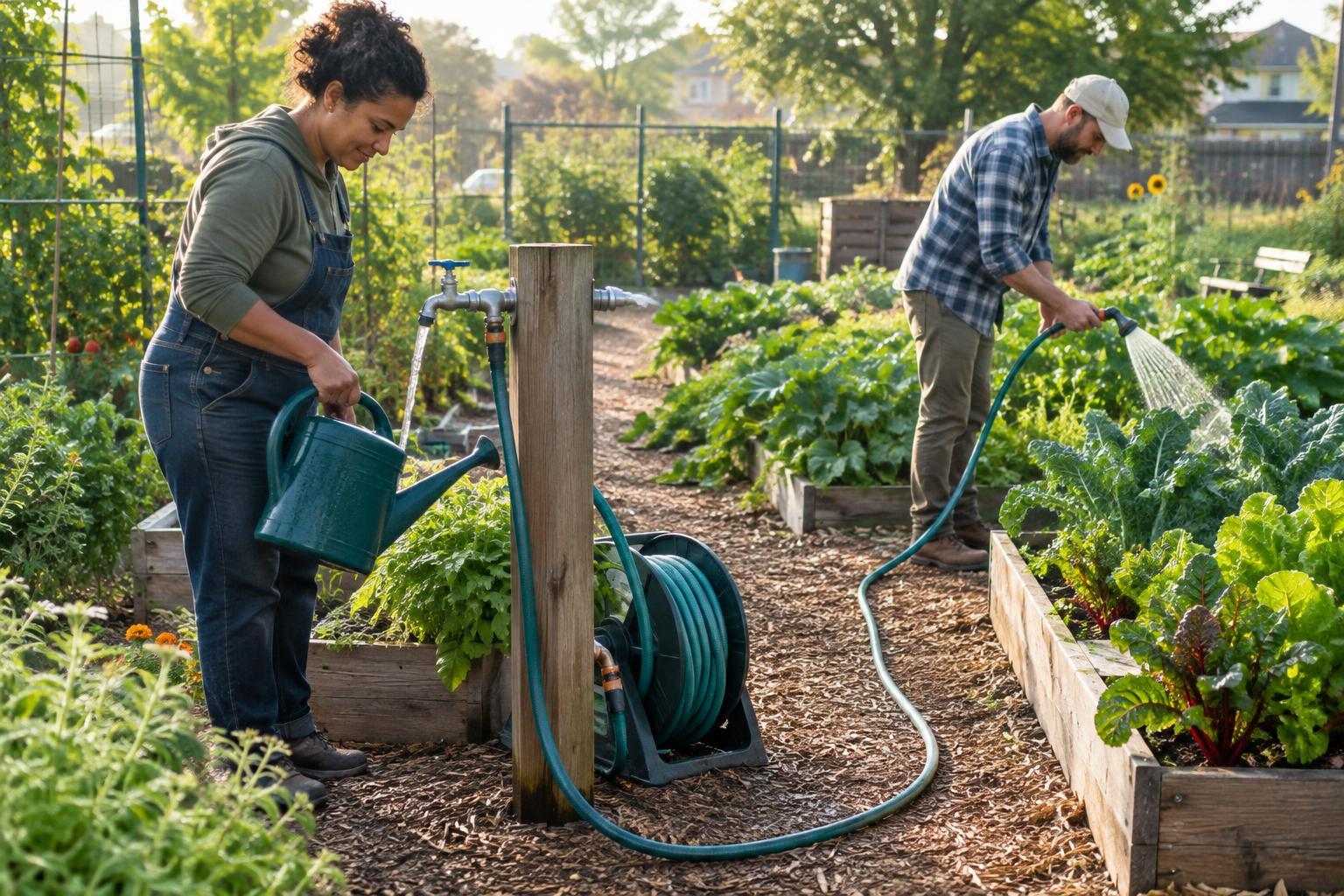
A useful tool library begins with tasks, not a shopping list. Walk through a typical growing season with gardeners and note which jobs call for shared equipment: preparing beds, moving compost, watering, pruning, or clearing paths. Then compare those needs with tools people already bring and are willing to share. A few dependable items that are used often are a better starting point than a crowded shed of seldom-used equipment.
Prioritize durable hand tools that suit the garden’s layout and a range of users. Check handle lengths, grip comfort, and the weight of items such as wheelbarrows before buying. If paths are narrow or storage is limited, those constraints should shape the choice. Decide whether the garden needs one general-purpose version of a tool or several copies to support group workdays. Keep a short wish list for future purchases, and review it after gardeners have had time to use the collection.
Before accepting donations, inspect them as carefully as purchases. A tool with a loose head, badly damaged handle, or missing guard may cost time to repair and can be unsafe to lend. It is reasonable to decline an item the group cannot store or maintain. Record major purchases and donations in an inventory so volunteers know what belongs to the shared collection.
Make checkout easy to follow
A checkout system should answer three questions: who has the tool, when is it expected back, and where should it be returned? A notebook in the shed may be enough for a small garden; a shared digital list may work better if members can access it reliably. Whichever method you choose, label each tool with a clear name or number that matches the inventory. Include a place to note damage or missing parts when an item comes back.
Set borrowing rules that fit how the garden operates. Tools needed for routine watering or scheduled workdays might stay on site, while less frequently used items could be borrowed for an agreed period. Explain who may borrow tools, how to request an extension, and whom to contact if something cannot be returned on time. Keep the rules visible and brief. The goal is to help people find tools when they need them, not to create a burdensome process.
Give new members a quick orientation to the storage space and checkout routine. If several people help manage the library, write down the steps so the system does not depend on one volunteer’s memory.
Store tools so they are ready for the next gardener
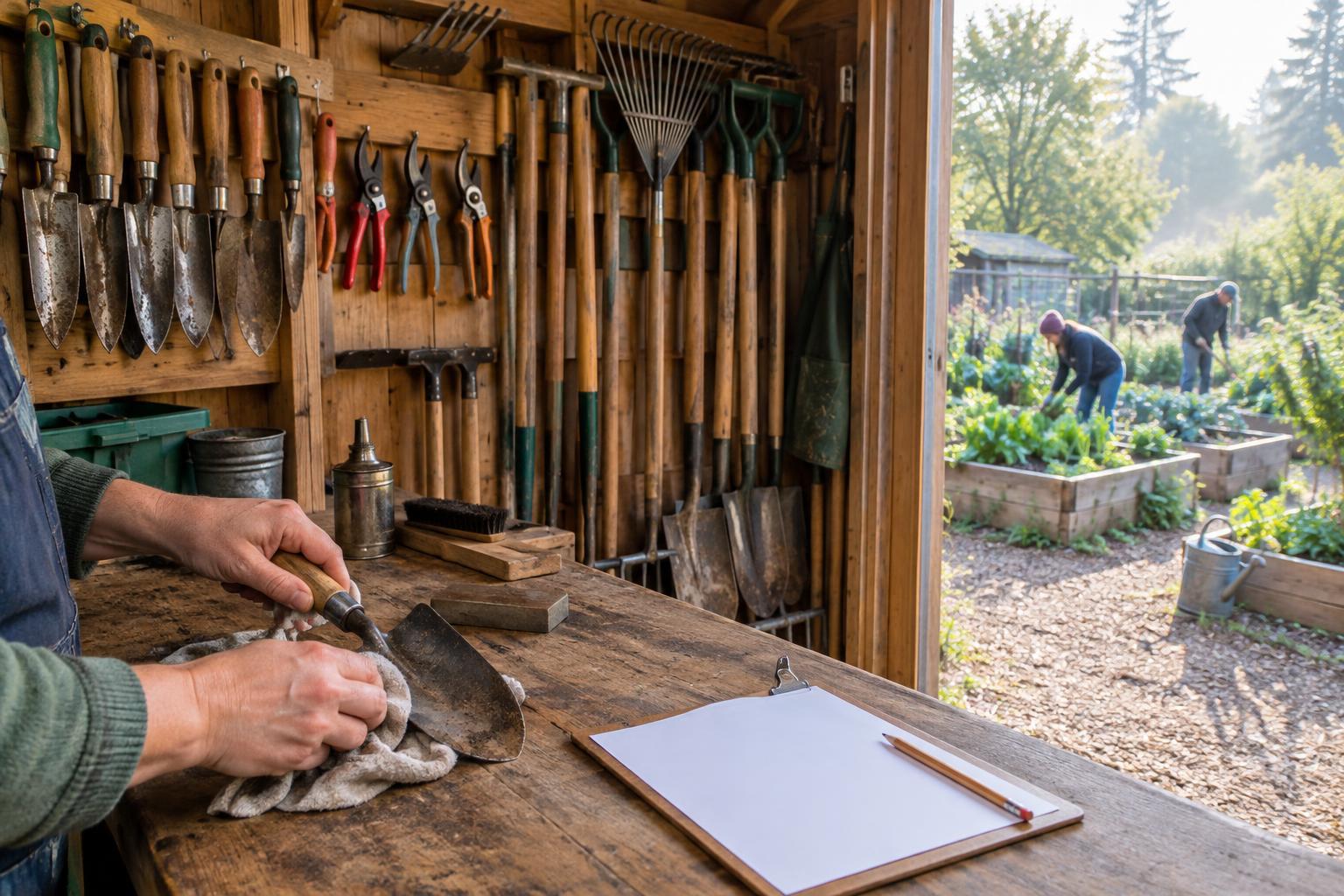
Choose a storage area that can be secured, kept reasonably dry, and reached without blocking paths or shared supplies. Assign each tool a home. Hooks, racks, or labeled shelves make missing items easier to spot and keep sharp edges and long handles out of the way. Store heavy items low enough to lift comfortably, and keep frequently used tools near the entrance.
Ask borrowers to brush off soil and let wet tools dry before putting them away. Mud left on metal and moisture trapped around handles make routine upkeep harder. Provide a brush, a place for damp items to dry, and a clearly marked spot for tools awaiting inspection. Store fuels, chemicals, or powered equipment separately if the garden uses them, with handling rules suited to those items. A group that cannot safely store or maintain a piece of equipment can choose not to add it to the library.
Treat maintenance and repairs as shared work
Small checks can prevent a damaged tool from circulating. Encourage gardeners to report loose handles, bent tines, dull blades, and broken wheels as soon as they notice them. Mark a damaged item out of service rather than returning it to its usual rack. Assign one or two people to review reports and decide whether a repair is practical, while making it clear that any member can flag a problem.
Build tool care into regular garden workdays. Cleaning, tightening accessible fasteners, checking handles, and sharpening tools where someone has the right skills can be planned alongside planting and path maintenance. Follow the maker’s guidance when available, and do not improvise repairs to equipment whose safe operation is uncertain. Keep a modest repair budget or an agreed approval process so volunteers know when they can buy a replacement part and when the group should discuss a larger expense.
At least once each growing season, compare the inventory with what is in storage. Note tools that are repeatedly unavailable, rarely used, or too costly to keep serviceable. Those observations give the group a practical basis for its next purchase decision. A tool library works best when its routines are simple enough to continue as volunteers change.