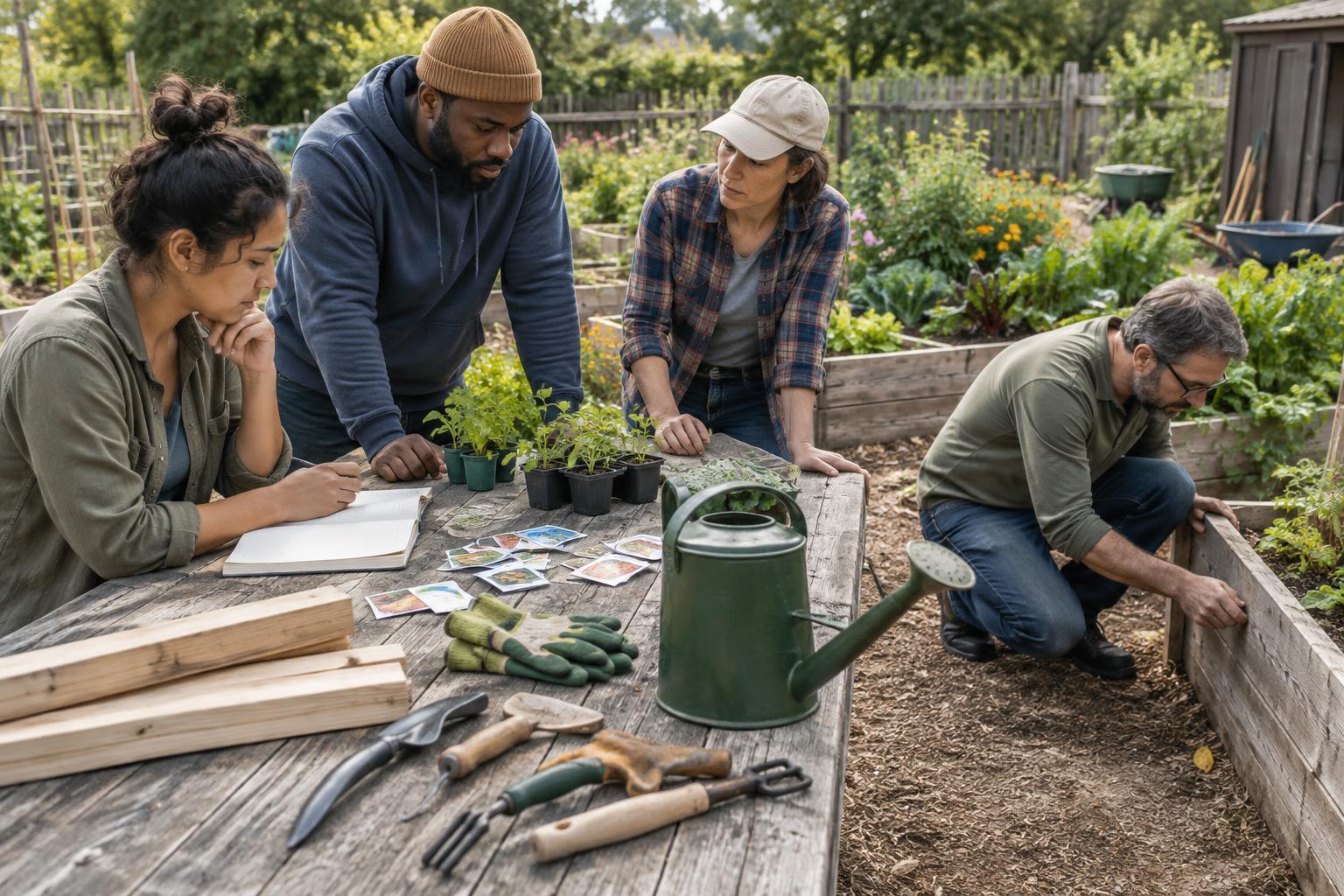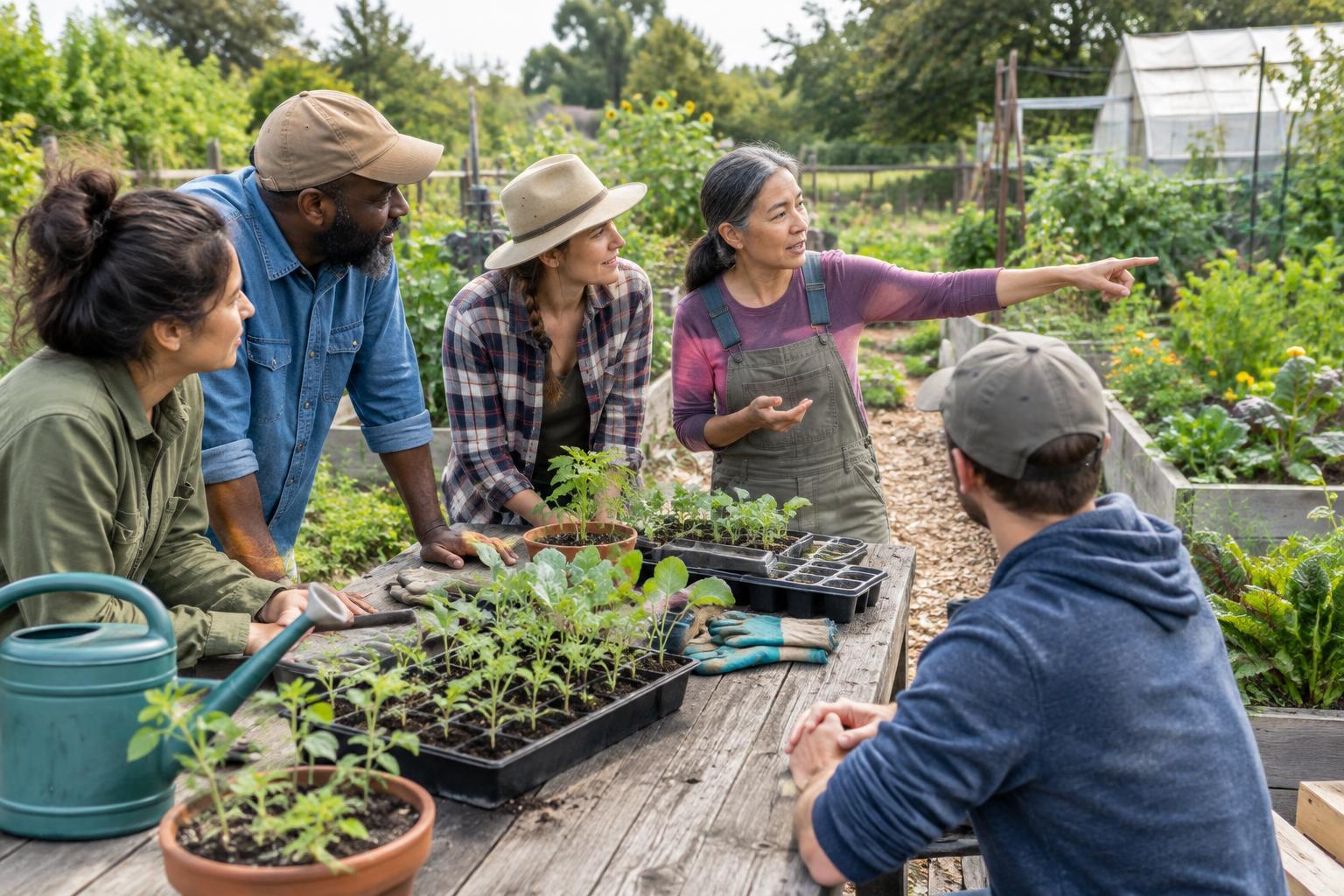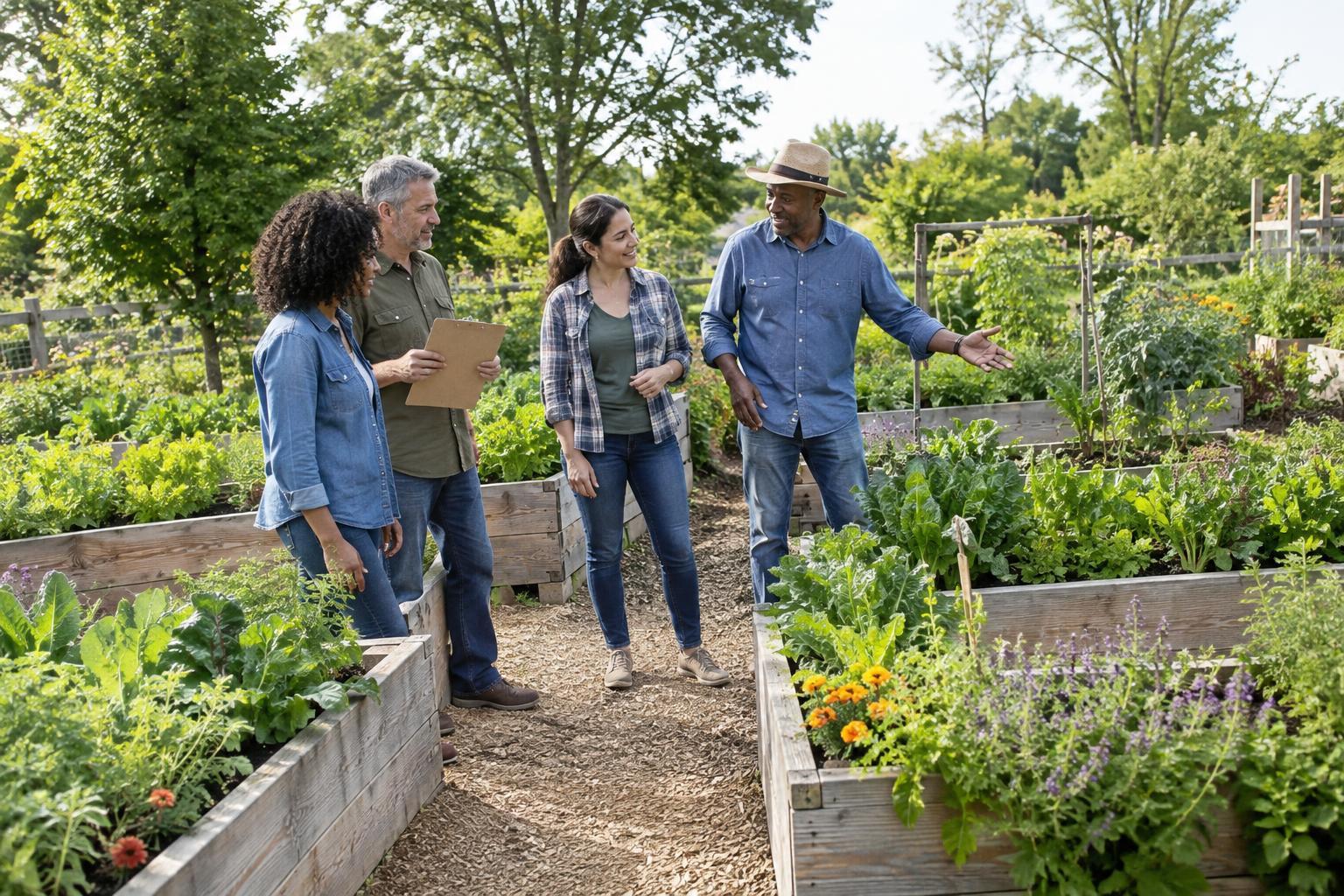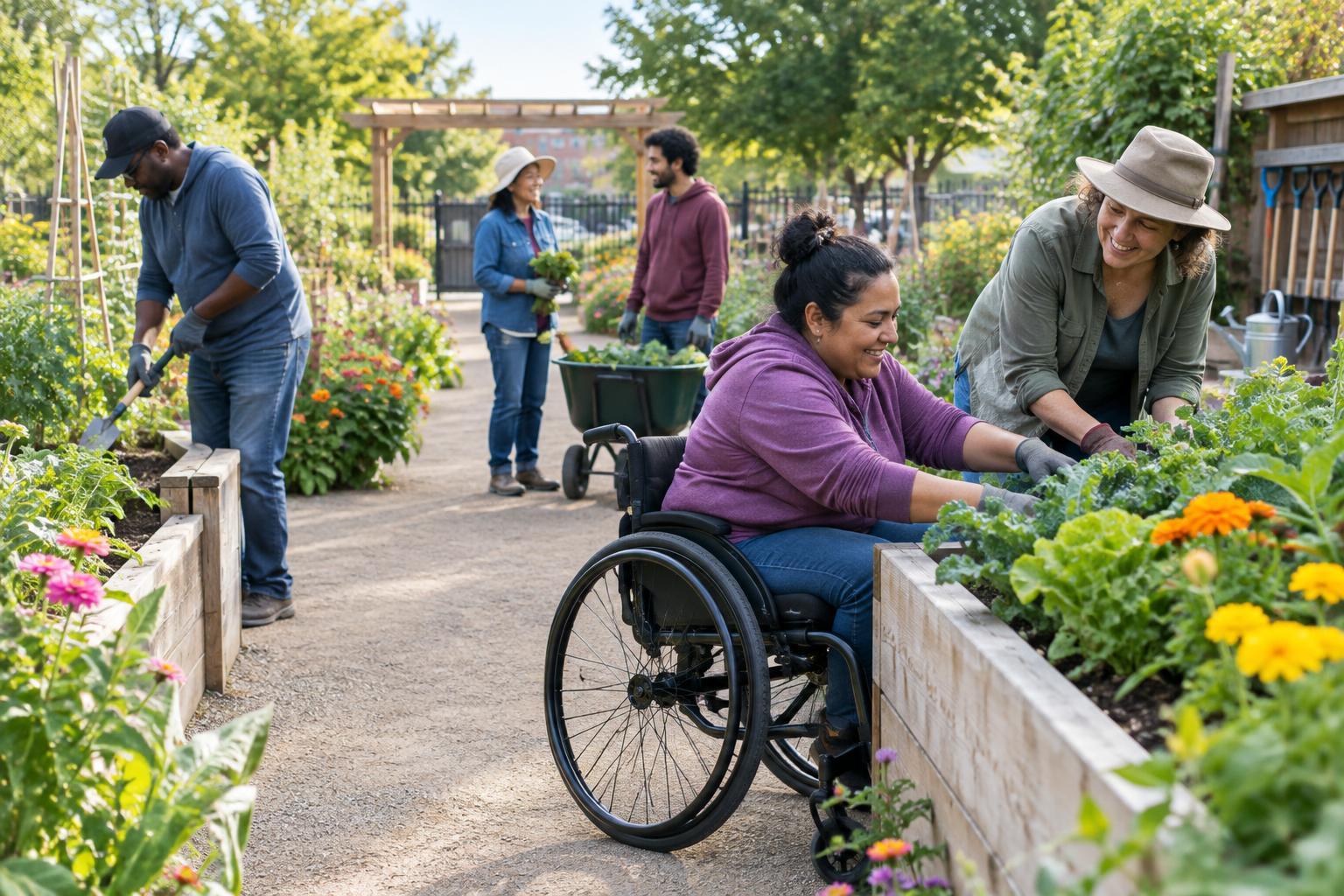
Start by noticing where participation gets difficult
A garden can look inviting from the sidewalk yet be difficult to join. A new neighbor may not know whom to contact, whether a plot costs money, or if beginners are welcome. Someone who works weekends may never be able to attend a required workday. Others may find that narrow paths, heavy tools, or a lack of nearby seating make gardening uncomfortable. The first step is to consider the whole experience, from hearing about the garden to taking part in its decisions.
Ask current members and interested neighbors what has made participation easy or hard, without expecting anyone to disclose personal circumstances. Offer more than one way to respond, such as a short conversation, a paper note, or a message to a named contact. Then choose a few changes the group can realistically maintain. A small, dependable improvement is more useful than a welcoming promise no one has time to carry out.
Make the first step clear and affordable
Post the basics wherever people are likely to look: how to join, whom to contact, what participation involves, and whether there are fees or shared-work expectations. Use straightforward language and explain garden terms that may be unfamiliar to newcomers. If plots are full, describe how the waiting list works and what someone can do while they wait. A shared growing bed, occasional volunteer task, or open work session may offer a way in without a personal plot.
Costs extend beyond a plot fee. Seeds, plants, gloves, tools, transportation, and time can all affect whether someone can participate. A garden might maintain shared tools, organize seed swaps, or offer smaller plots that take fewer supplies and less upkeep. If the group reduces or waives fees, explain the option plainly and handle requests privately. No one should have to make a public case for needing a lower-cost way to garden.
Design space and tasks for different needs
Walk through the garden as a first-time visitor would. Is the entrance easy to find? Are paths kept clear of hoses, tools, and plants that spill over their edges? Can people reach a water source without carrying a full can a long distance? Seating in a comfortable spot gives gardeners a place to rest, talk, and work on tasks such as seed sorting. Raised beds or containers may help some people garden more comfortably, but their height and placement should be guided by the people who expect to use them.
Not every useful contribution requires digging or lifting. Members can label plants, welcome visitors, keep records, water a nearby bed, share growing knowledge, or help coordinate supplies. Offer tasks of different lengths and physical demands, and make it normal to ask for help. For substantial changes to paths, beds, or entrances, seek input from potential users before building. A feature described as accessible will only be useful if it fits the actual space and the people gardening there.
Share information and decisions in more than one way
A garden can unintentionally favor whoever has the time and confidence to attend every meeting. Send agendas ahead when possible, keep a brief record of decisions, and provide a way for absent members to offer input. Vary meeting times if the group can, or separate essential decisions from casual work sessions. If updates go out digitally, consider a notice board or printed copy for gardeners who prefer not to rely on an app.
Clear group agreements help everyone understand what to expect. Describe how shared beds are harvested, where tools are returned, how paths are maintained, and what happens when a plot is neglected. State how concerns can be raised without turning a disagreement into a public confrontation. Invite newcomers to help review these agreements after they have spent time in the garden; rules should support cooperation, not simply preserve the habits of long-standing members.
Keep welcoming people after they join
An orientation is more useful when it includes a tour, introductions, and a chance to ask basic questions than when it is only a list of rules. Pair a willing newcomer with a garden contact for their first few visits, while making clear that asking questions is always welcome. Learn how people want to contribute instead of assuming everyone wants a plot, a leadership role, or advice about how to grow.
Revisit barriers as the seasons and membership change. Check whether shared tools remain usable, paths stay clear as plants grow, and communication still reaches the people it is meant to reach. When someone stops coming, ask gently whether the garden could have worked better for them, without pressing for an explanation. A welcoming garden is not one that gets every detail right at once. It is one where neighbors can see how to take part and have a genuine hand in improving the space together.