Start with a shared walk-through
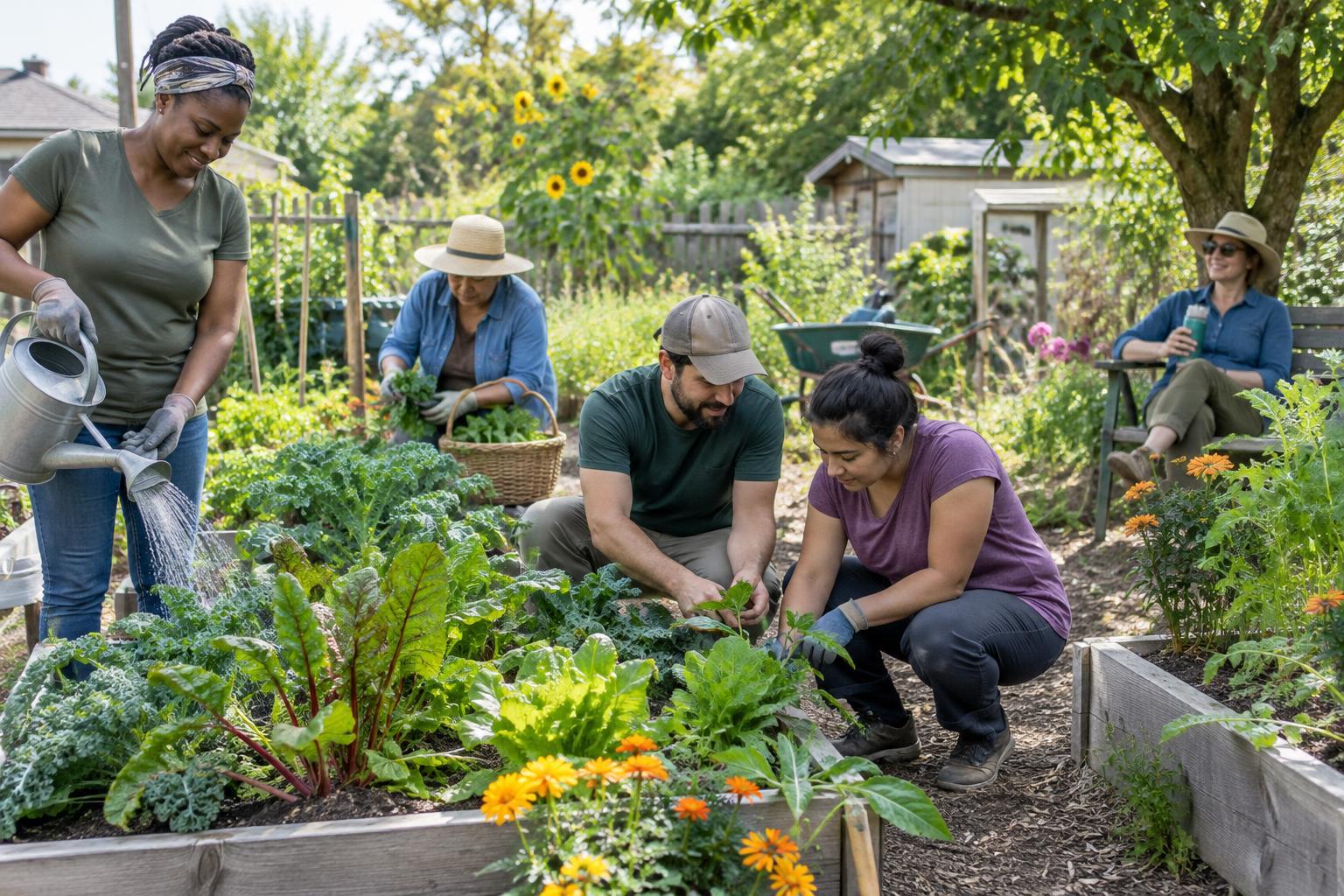
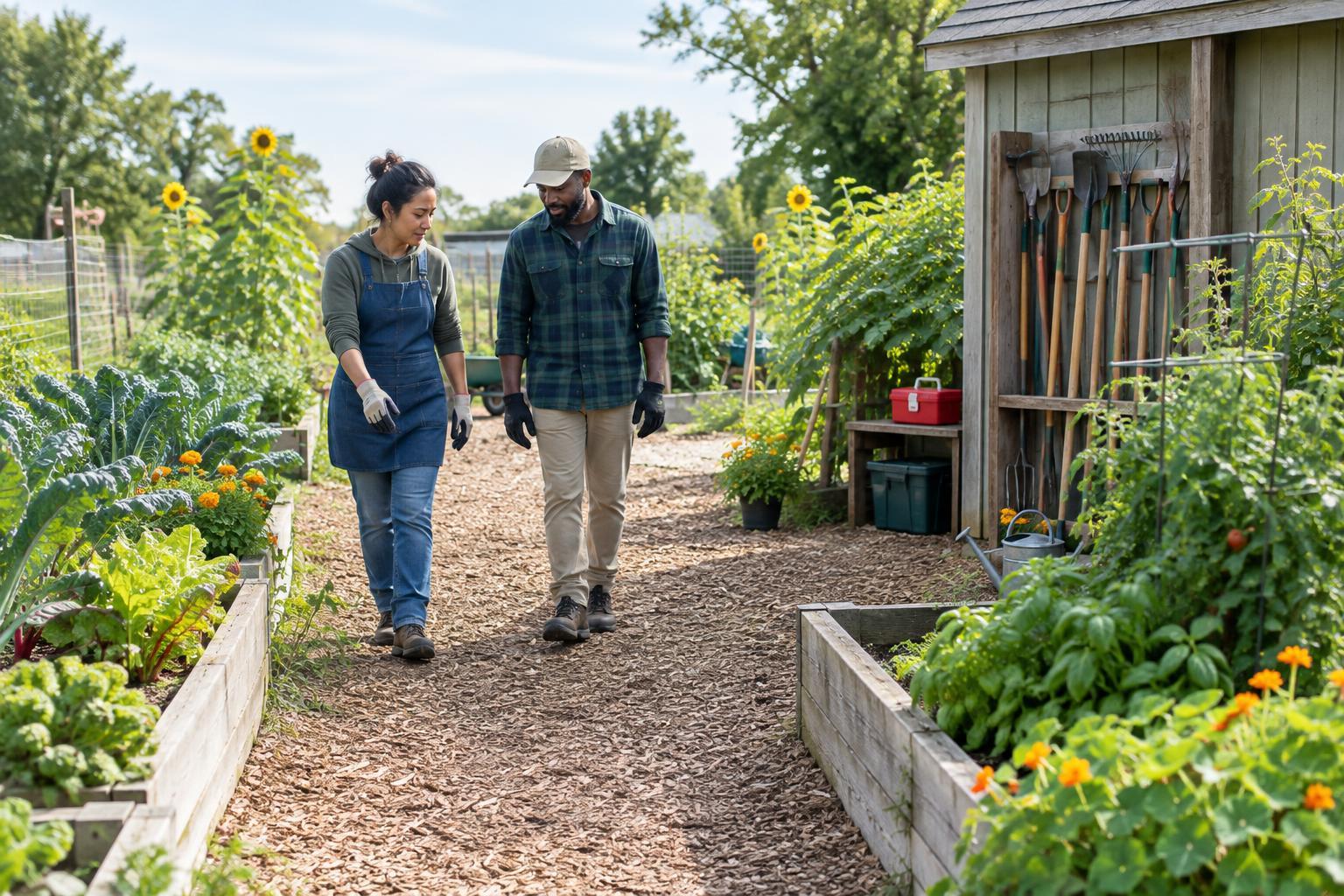
A community garden changes throughout the season. Hoses cross paths, plants lean into walkways, and deliveries can leave piles where people normally pass. Walk the site regularly with a few gardeners, including people who use different entrances or move through the garden at different times. Notice where someone might trip, slip, or struggle to get through with a wheelbarrow or mobility aid.
Make a short list of fixes, assign each one to a person or team, and set a time to check it again. Invite gardeners to report hazards as they find them, without waiting for a formal workday. A simple reporting routine is more useful than a long checklist that nobody revisits.
Keep paths clear and predictable
Choose main routes wide enough for the garden’s usual traffic and keep them free of pots, bags, tools, and harvested produce. Mark the edges of beds where they are hard to see. Rake loose material back into paths as needed, repair uneven boards or edging, and watch for low branches at face height. After rain, check for puddles, slippery surfaces, or soil washed onto walkways.
Hoses and cords deserve particular attention because they can be easy to miss. Route them away from busy paths when possible; otherwise, use a suitable crossing point and put them away promptly after use. Give deliveries and construction materials a designated holding area rather than letting them accumulate at entrances. If a route is temporarily blocked, let gardeners know and provide another clear way through.
Make tool use and storage straightforward
Shared tools are easiest to use safely when each has a clear home. Store rakes and hoes so their heads do not project into a walkway, and keep sharp tools covered or secured when not in use. Return tools after each session instead of leaving them beside a bed. Before using a tool, look for loose handles, damaged cords, or other visible problems; set questionable equipment aside and tell the person responsible for maintenance.
Agree on a few simple workday habits. Carry tools with sharp ends pointed down and away from others, give nearby gardeners room when digging or pruning, and tell someone before moving a wheelbarrow through a crowded area. Keep children and visitors away from active cutting or digging work. For powered equipment, follow its instructions and limit use to people who know how to operate it. A brief orientation for new gardeners can explain where tools belong and whom to ask for help.
Put emergency information where people can use it
Post a small, legible contact sheet near the main entrance and another in a sheltered common area if the garden is large. Include the garden’s name and location, the local emergency number, the best entrance for responders, and contacts for garden coordinators. If the entrance has a gate, explain how responders can reach someone who can open it. Keep personal contact details to information people have agreed to share.
Tell gardeners where to find the contact sheet and any first-aid supplies, then check the information periodically. A printed copy is useful when a phone has no signal or battery. For a serious emergency, contact local emergency services; do not make a coordinator’s number a required first step. After an incident, record the hazard and any needed site repairs without circulating unnecessary personal details.
Make safety a routine, not a special project
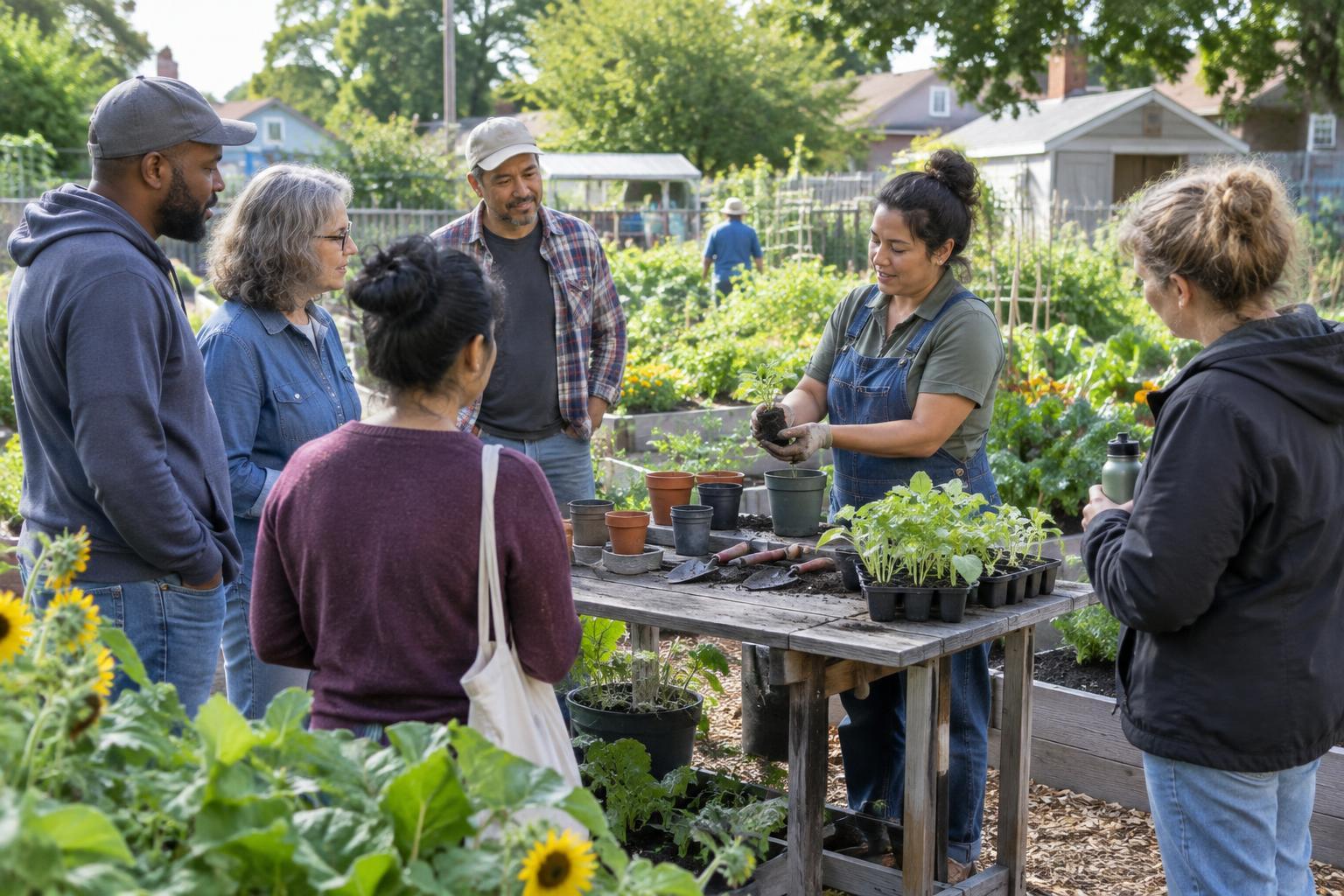
A safer garden does not depend on one person noticing everything. Add a quick path and tool check to the start and end of shared workdays. Give new members a short tour of entrances, storage, water access, and contact information. Ask gardeners what makes the space difficult to navigate, then prioritize changes that improve access for more people.
Seasonal transitions are good times to review the setup. Growing plants may narrow paths in summer, while leaves and wet surfaces can hide uneven ground later in the year. Keep the plan modest enough to maintain: clear routes, reliable storage, visible contacts, and a way to report problems. Small fixes made consistently can help everyone work with more confidence.