Start with what your garden needs to share
A shared garden needs a clear answer to a simple question: what belongs to each gardener, and what belongs to the group? Individual plots assign growing space to a person or household. Communal beds are planned, tended and harvested under a shared agreement. Neither model is automatically more welcoming or productive. The better choice depends on how participants want to spend their time, make decisions and divide the harvest.
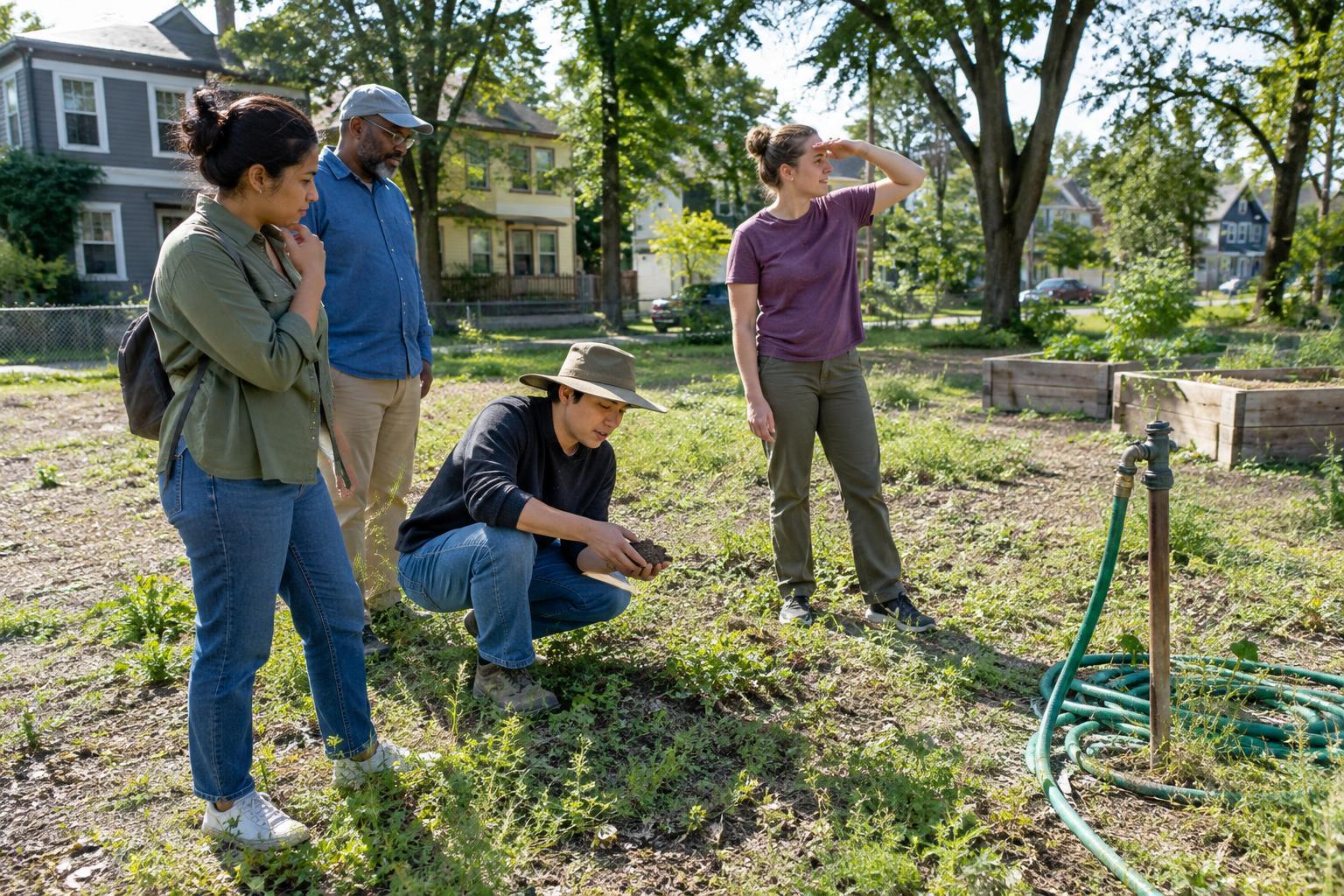
Before drawing bed boundaries, ask who the garden is meant to serve. Is it mainly a place for neighbors to grow food for their own kitchens, a place to learn together, or a project that supplies a common harvest? Talk about the less visible work, too: watering during absences, maintaining paths, buying supplies and welcoming new members. A model that fits those responsibilities will be easier to sustain than one chosen only for its layout.
What individual plots do well
Individual plots offer autonomy. A gardener can choose crops suited to their household, try a planting method and work on a schedule that fits their life. Plot boundaries also make many harvest decisions straightforward: the gardener tending a plot generally takes its produce. For a group with varied tastes, experience levels and availability, this independence can prevent every planting choice from becoming a committee decision.
Plots still require shared rules. Agree on how tall crops, sprawling vines and supports may affect neighboring beds. Set expectations for paths, weeds, water use and plots that are left unattended. A simple process for contacting a gardener before reassigning an overgrown plot can be fairer than an automatic penalty. Groups should also consider plot size and access: smaller beds near a water source may be easier for some participants to manage than a single standard-sized space.
The main trade-off is that individual plots do not maintain themselves as a community. Gardeners may rarely meet if they visit at different times, and common areas can be neglected when everyone is busy with their own bed. Shared workdays or clearly assigned path and tool-care tasks can give plot holders a way to contribute without taking away their independence.
What communal beds ask of a group
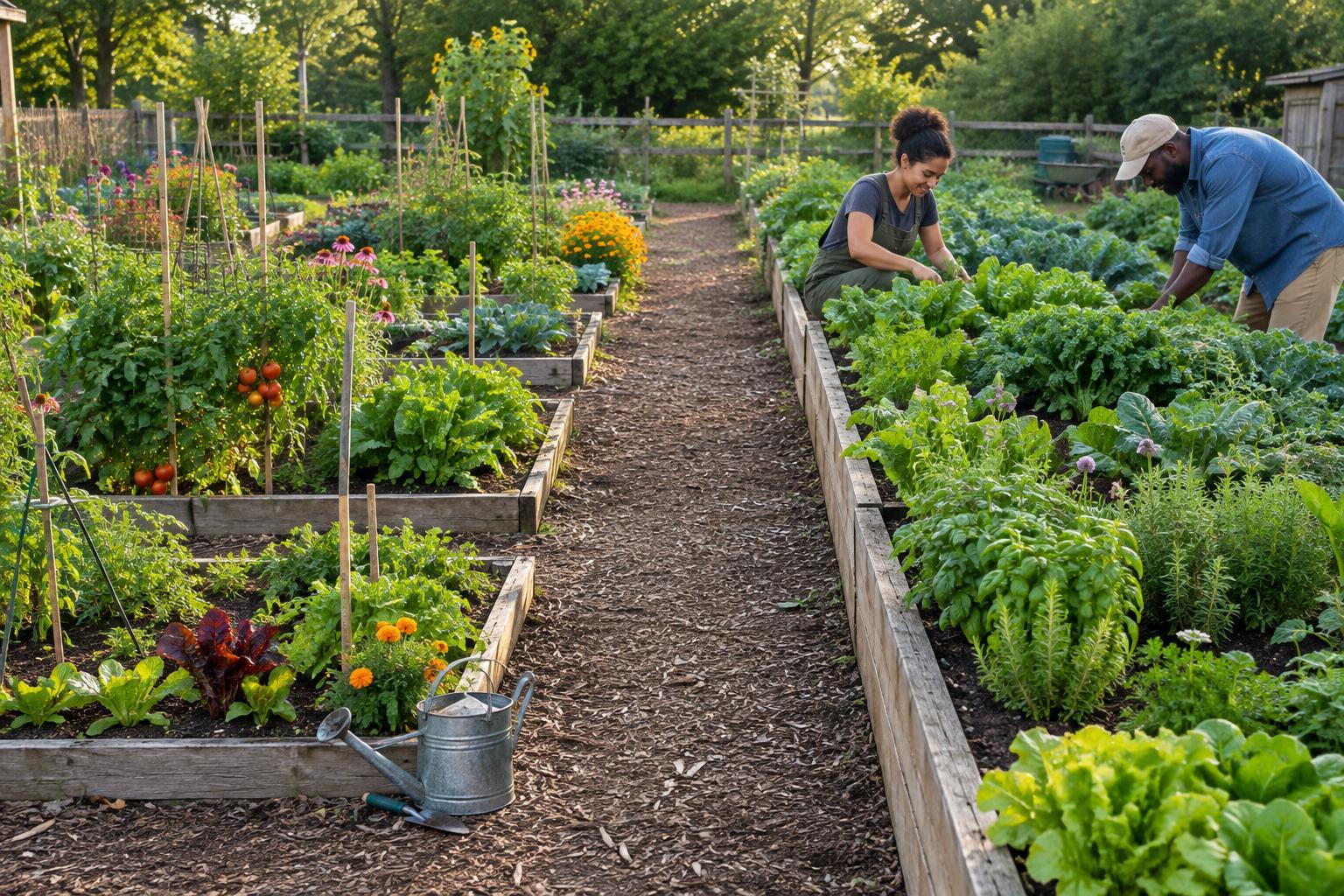
Communal beds make cooperation part of the growing plan. Members can concentrate effort on a few beds, learn from one another and divide tasks according to ability or availability. A person who cannot commit to a whole plot might still help sow seeds, water once a week or take part in a harvest. Shared beds can also suit crops that need coordinated care or a project with a specific purpose, such as growing produce for a community meal.
That flexibility works best when expectations are explicit. Decide how crops are chosen, who can harvest, how produce is divided and what happens when a crop is ready before a scheduled gathering. Make routine jobs visible on a board or shared calendar so the same people are not quietly doing all the watering and weeding. A rotating coordinator can help keep tasks moving, but members should know how to raise concerns and change a plan.
Communal does not have to mean unanimous agreement on every detail. The group might choose broad priorities together, then let a small planting team make day-to-day decisions. Without some decision process, however, enthusiastic gardeners may take on more authority than they intended, while others become unsure whether they are allowed to act.
Use a hybrid model where it solves a real problem
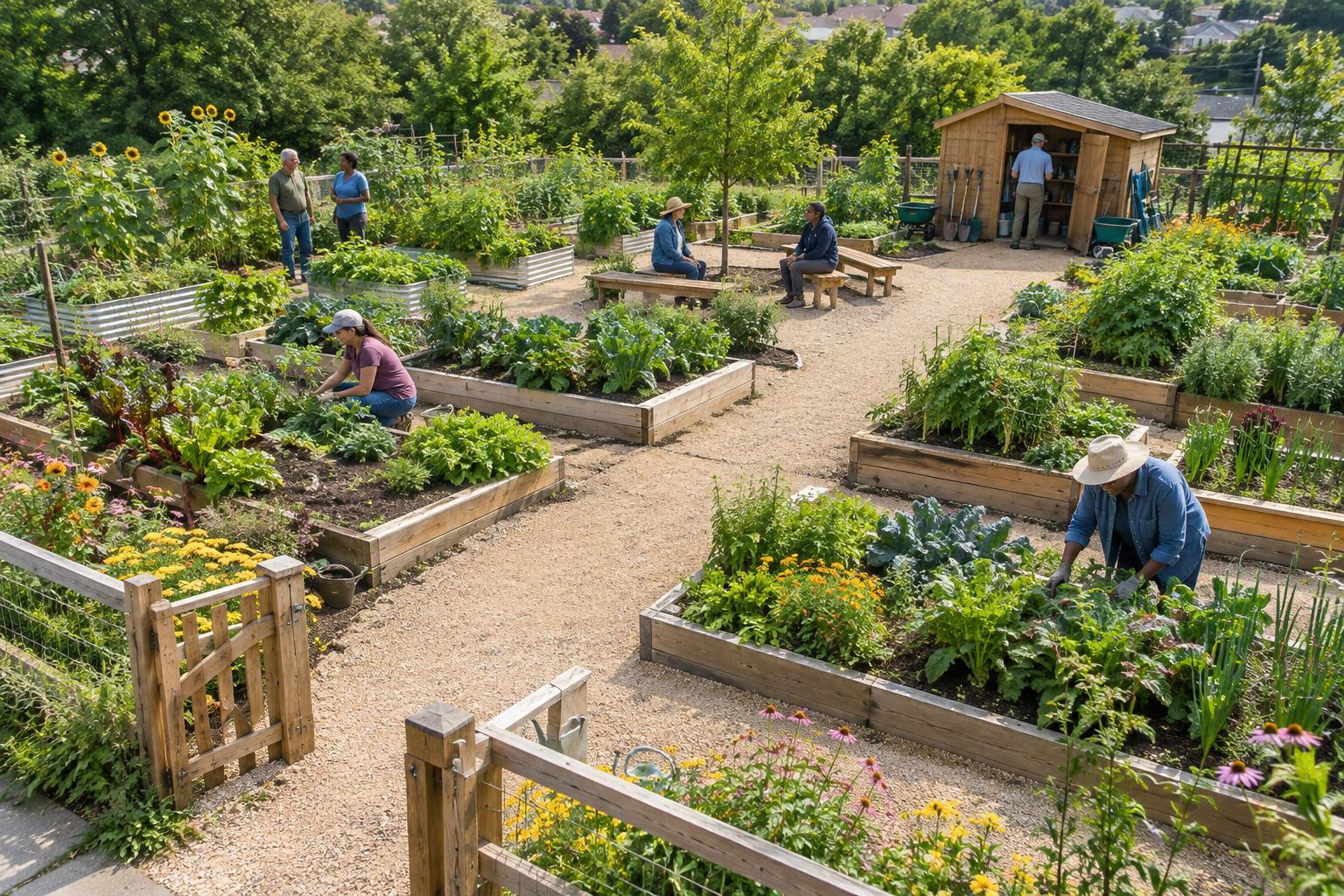
Many gardens can combine personal plots with a few communal beds. Individual beds give members room to follow their own interests; shared beds create a place for group learning, accessible drop-in tasks or crops grown for a common goal. A communal herb bed, for example, can work alongside private vegetable plots if everyone knows how much to take and who will maintain it.
A hybrid garden needs clear boundaries, not just a mix of bed types. Label shared areas, explain whether participation in their care is expected of plot holders, and decide how shared costs are covered. Avoid making communal work an invisible extra duty for the most available members. If volunteers are few, one well-kept shared bed is more useful than several beds that exceed the group’s capacity.
Choose a model you can revisit
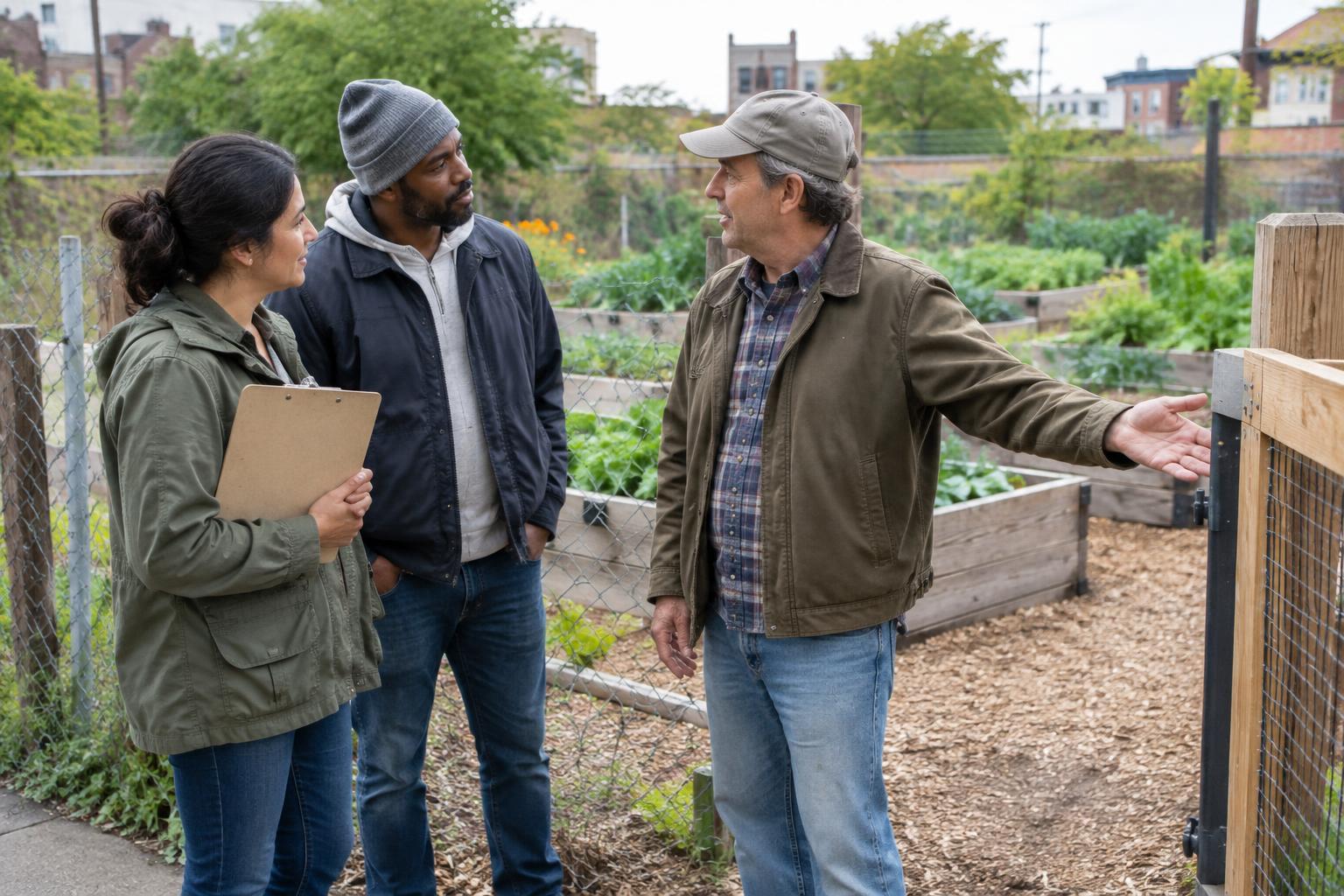
A useful first-season plan can be brief: identify who may join, how space is assigned, what work is shared, how harvests are handled and who resolves disagreements. Put the plan where members can find it. Then make room for feedback from people who participate less often, not only those who attend every meeting. Their experience may reveal barriers in the schedule, layout or task system.
At the end of a growing season, review what actually happened. Were plots manageable? Did shared beds receive consistent care? Did people understand when and what they could harvest? Keep the parts that worked and adjust the rest before expanding. A community garden’s model is a tool for helping people grow together, not a rule that must stay fixed once the first beds are built.