Start with two reference dates, not two guarantees
A frost-date calendar uses two starting points: the average last spring frost and the average first fall frost for your area. These dates describe a typical pattern, not a promise that frost will stop or start on a particular day. Find estimates for your location from a regional gardening resource, then write them at the top of your calendar. If your shared garden is far from where you live, use a location close to the garden rather than your home address.
Next, mark the weeks before and after each date. Weekly blocks are more useful than a long list of exact planting days because soil conditions and forecasts can change quickly. Leave space to record what actually happens each year: a late cold night, the first workable soil, or an unusually warm autumn. Over time, those notes can make the calendar more useful for your particular beds.
Plan spring work backward from the last frost
Seed packets and plant labels often give instructions relative to the last frost. If a crop is started indoors several weeks before that date, count backward on your calendar and mark a sowing window. Add time for gathering trays, seed-starting mix, and labels. Starting too early can leave gardeners with crowded plants that are difficult to keep healthy until outdoor conditions are suitable.
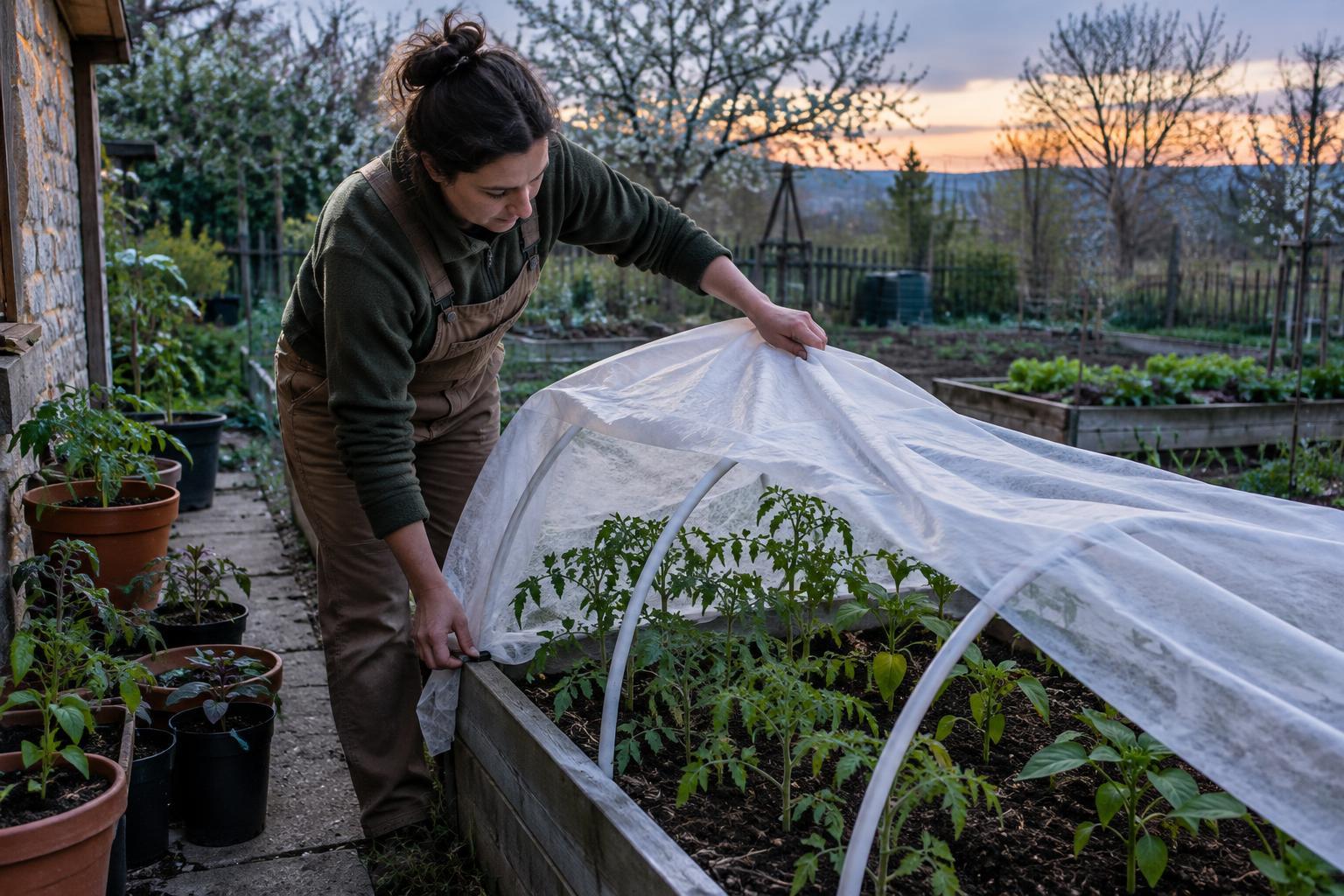
Outdoor planting needs a second check. Some cool-season crops can be sown or transplanted while nights are still chilly, provided the soil is workable and the crop’s instructions allow it. Frost-sensitive crops need more caution: a past average frost date alone does not mean a cold night is impossible. Check the near-term forecast, consider whether the soil has warmed, and keep a plan for temporary protection or a short delay.
Put hardening off on the calendar, too. Plants raised indoors need a gradual introduction to outdoor sun, wind, and cooler temperatures before transplanting. Begin with a sheltered period outside and increase their exposure over several days, bringing them in or protecting them if conditions turn harsh. This small task is easy to overlook when a calendar lists only sowing and planting dates.
Use the first fall frost to work backward again
The first fall frost estimate helps you decide whether a late planting has enough time to mature. Look at a crop’s expected days to maturity, count backward from the fall frost date, and allow an extra margin. Growth often slows as days shorten, so the number on a seed packet may not predict a fall harvest exactly. For crops harvested over many weeks, plan for the first picking to begin well before frost is likely.
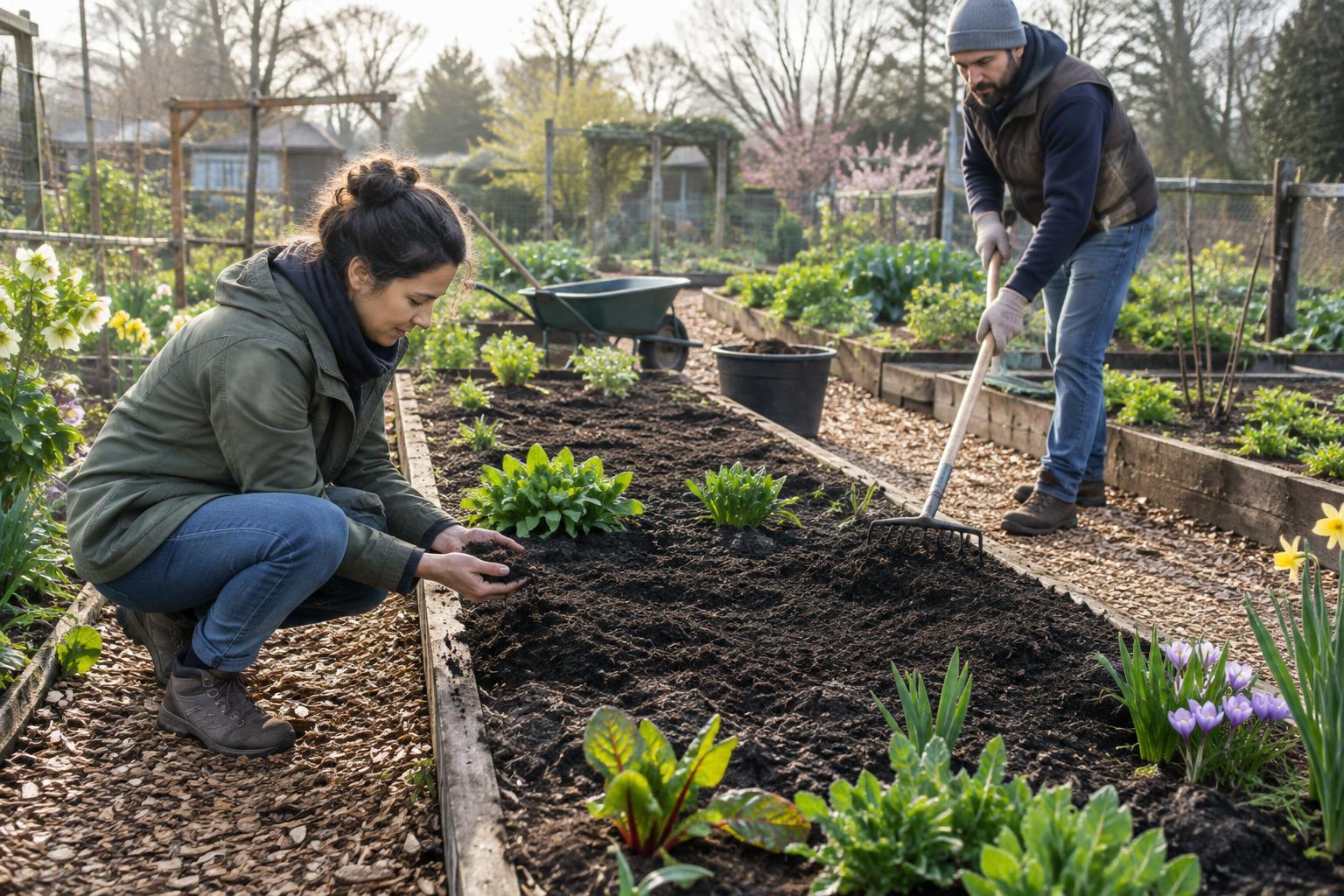
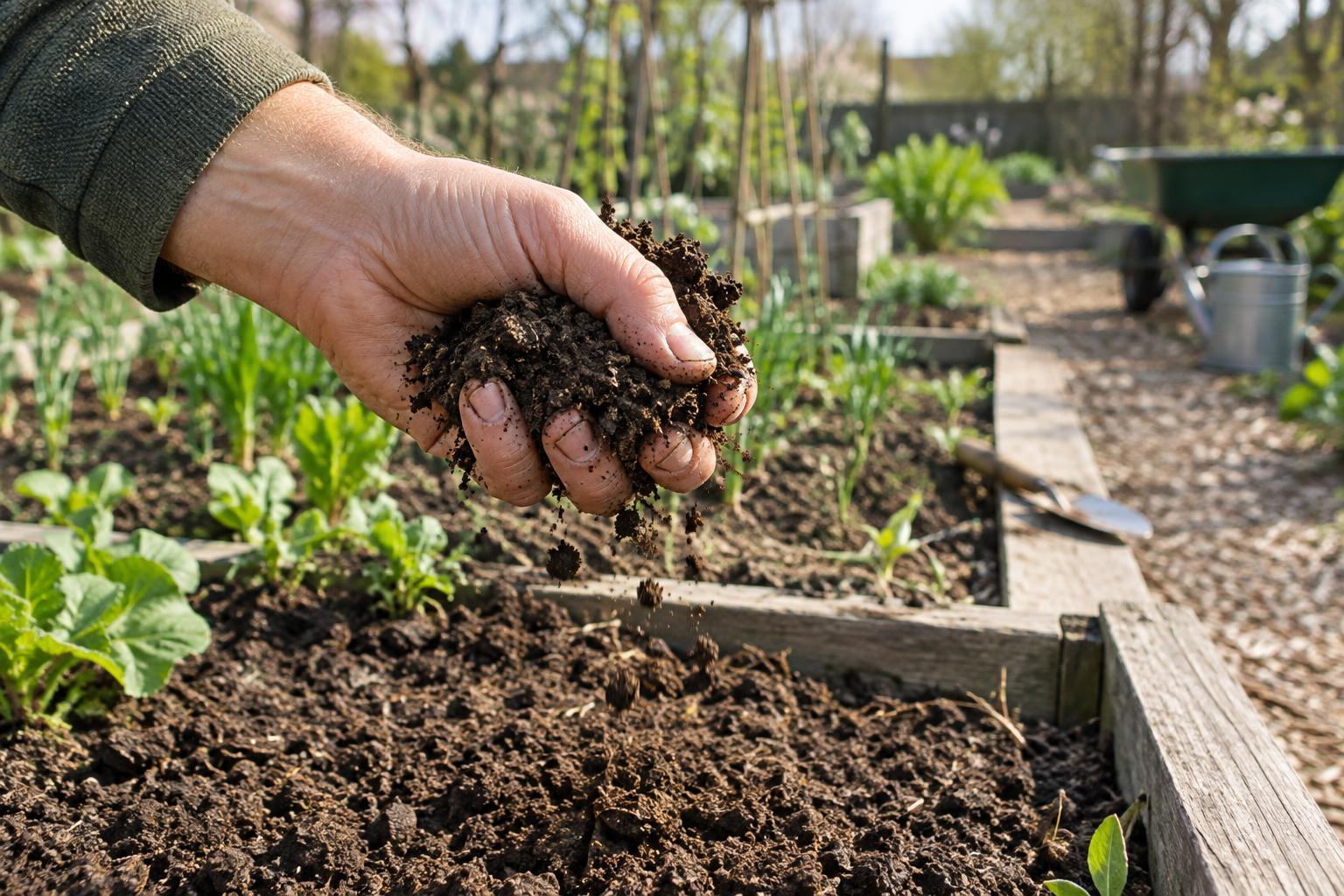
Fall planning also includes care tasks. Mark a window to remove spent plants, manage fallen leaves, add finished compost where appropriate, and prepare any beds that will rest over winter. If you plan to use covers to extend a harvest, note who will put them on and take them off. A cover is most useful when someone is available to respond to changing conditions.
Adjust for the garden’s own conditions
A regional frost estimate cannot describe every corner of a garden. Low spots may hold colder air, while beds near a wall may stay warmer. Exposed plots can be windier than sheltered ones. Soil also varies: a damp bed may take longer to become workable in spring than a well-drained raised bed nearby. Observe these differences before applying the same planting window to every plot.
Treat the calendar as a guide for decisions, not an automatic schedule. Alongside each planned task, write the condition that would make it sensible to proceed: workable soil, suitable overnight temperatures, seedlings ready to transplant, or a forecast that permits outdoor work. If conditions are not right, move the task. A flexible calendar is more valuable than one that looks precise but cannot adapt.
Make the calendar useful to everyone
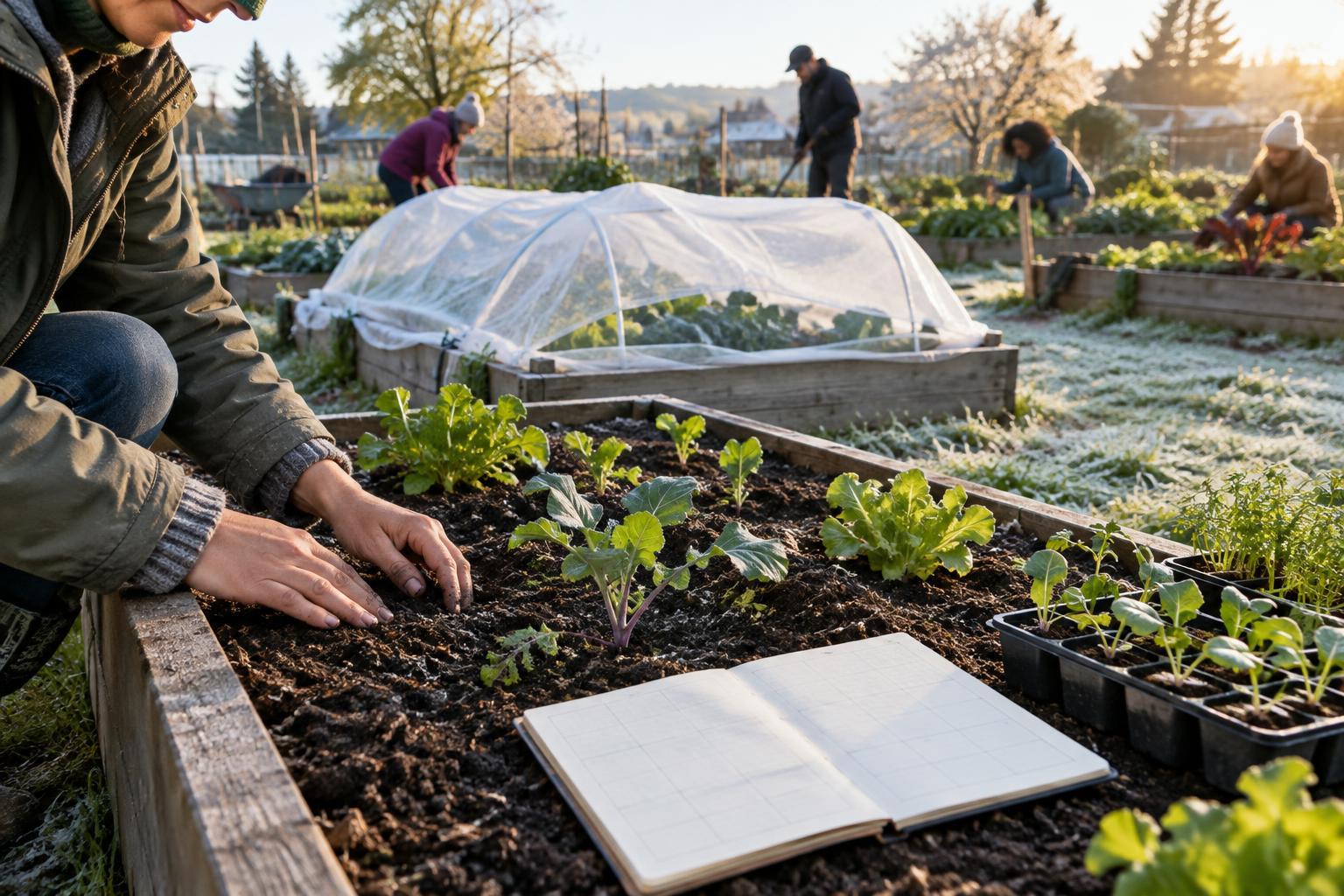
In a community garden, give the calendar a shared format that members can understand at a glance. Group tasks by week and label each one as preparation, planting, protection, harvest, or cleanup. Record which tasks belong to individual plots and which affect shared beds, paths, tools, or compost areas. For time-sensitive jobs, such as watering new transplants or checking covers, assign a person or team rather than assuming someone will notice.
At the end of the season, compare the plan with your notes. Which sowing windows worked well? Which tasks repeatedly needed more time or more volunteers? Keep the useful patterns and revise the rest. Local frost dates provide the framework, but observations and clear communication turn it into a garden care calendar people can actually use.