Start with a purpose and a manageable format
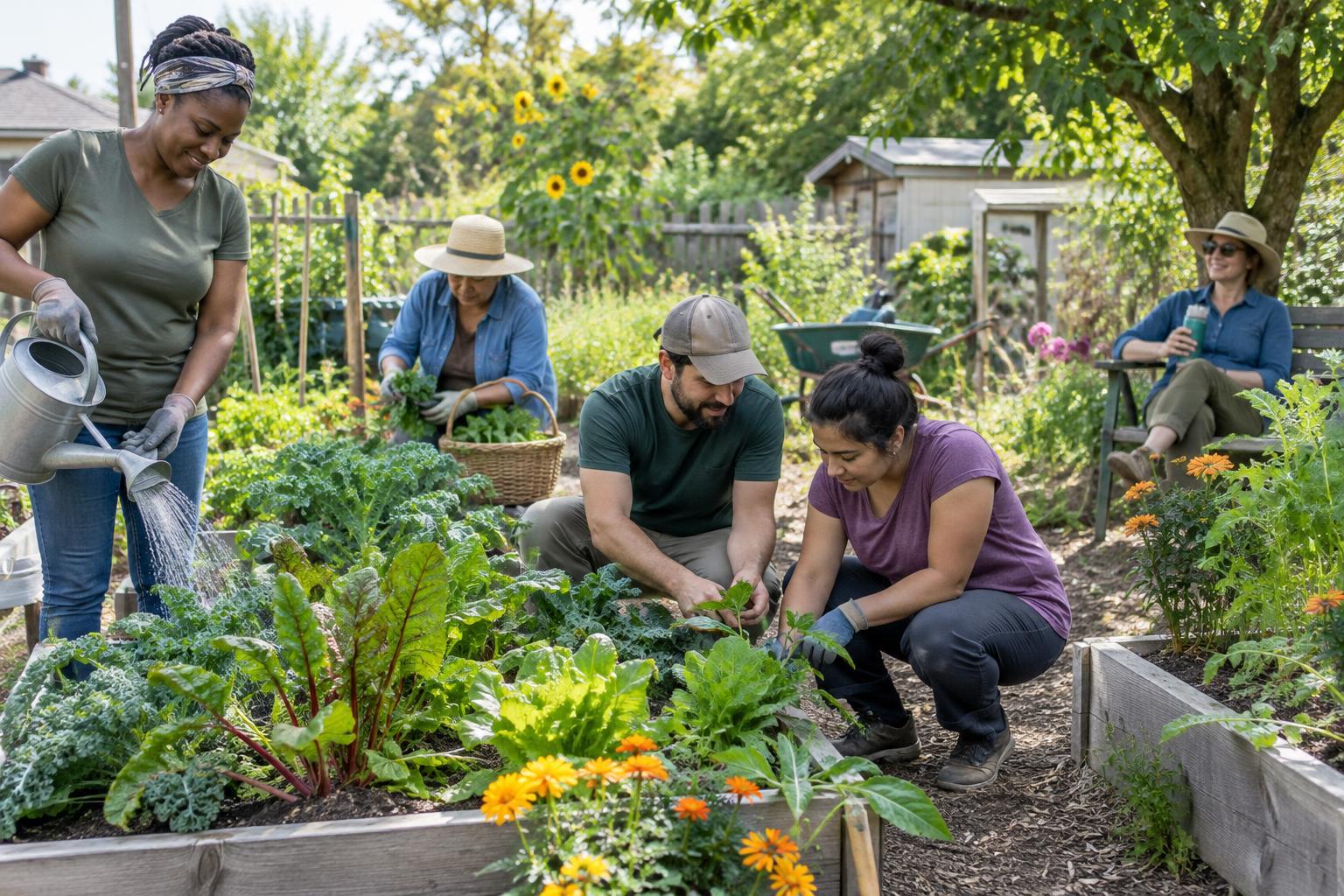
The best garden event is one your group has the energy to host. Decide what you want people to take away: a chance to meet plot holders, a new growing skill, or a relaxed afternoon outdoors. One clear purpose makes it easier to choose a format, invite the right helpers, and keep the plan within your budget.
A tour works well when several gardeners are willing to share what they are trying, including experiments that did not go as expected. A workshop gives people time to practice one task, such as sowing seeds or building a simple plant support. For a casual gathering, a seed swap or shared snack can provide enough structure to get conversations started. If this is your first event, try one activity rather than packing all three into an afternoon.
Before setting a date, agree on who can approve the event and which parts of the garden visitors may enter. Ask plot holders before featuring their beds. Choose a time that suits the people you hope to welcome, and plan a shorter version in case the weather or volunteer turnout changes.
Make the invitation easy to act on
An invitation should answer the questions a neighbor might hesitate to ask: Where do I go? Is it free? Do I need to bring anything? Can I come without gardening experience? State the start and end time, the meeting point, and whether people can drop in or should arrive for a scheduled activity. If registration helps you prepare supplies, explain how to sign up and whether walk-ins are welcome.
Share the invitation where neighbors already look, using channels available to your group: a garden notice board, a local community board, messages to existing members, or a flyer at a nearby gathering place that permits postings. Plain language is more useful than a long list of horticultural terms. For example, “learn to start seeds in small containers” tells a beginner more than a technical workshop title.
Make room for different ways to participate. Let people know whether paths are uneven, seating is available, and an activity requires standing or handling soil. If you cannot provide a particular accommodation, describing the site honestly helps visitors decide what they need. A named contact person can answer questions before the event.
Plan a tour that invites conversation
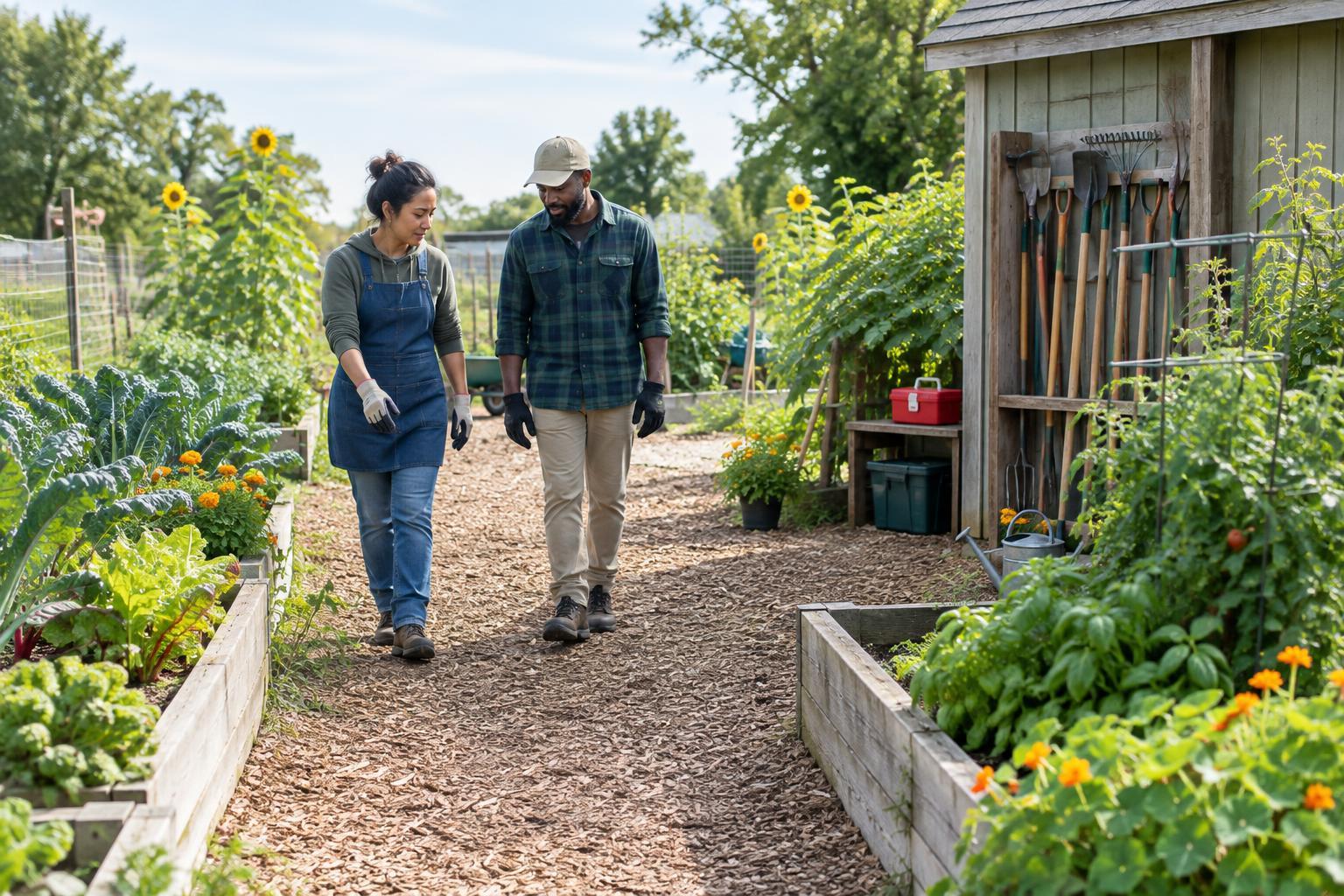
A garden tour does not have to display perfect beds. Choose a short route with a few stops that show different uses of the space: food crops, flowers, compost, water access, or a shared work area. At each stop, ask the gardener to explain a decision, a challenge, and something they would try again. This keeps the tour grounded in experience rather than turning it into a lecture.
Walk the route beforehand. Check for hoses, tools, narrow passages, and places where a group might block another gardener. Start by explaining which beds are private, whether visitors may touch plants, and how to move through the space. For a larger turnout, divide people into smaller groups if you have enough guides; otherwise, shorten the route so everyone can hear.
Leave a little time at the end for questions. Visitors may be curious about joining, but do not make membership the focus of the tour. Have a simple way to share the garden’s contact information and any established process for getting involved.
Keep workshops small, useful, and affordable
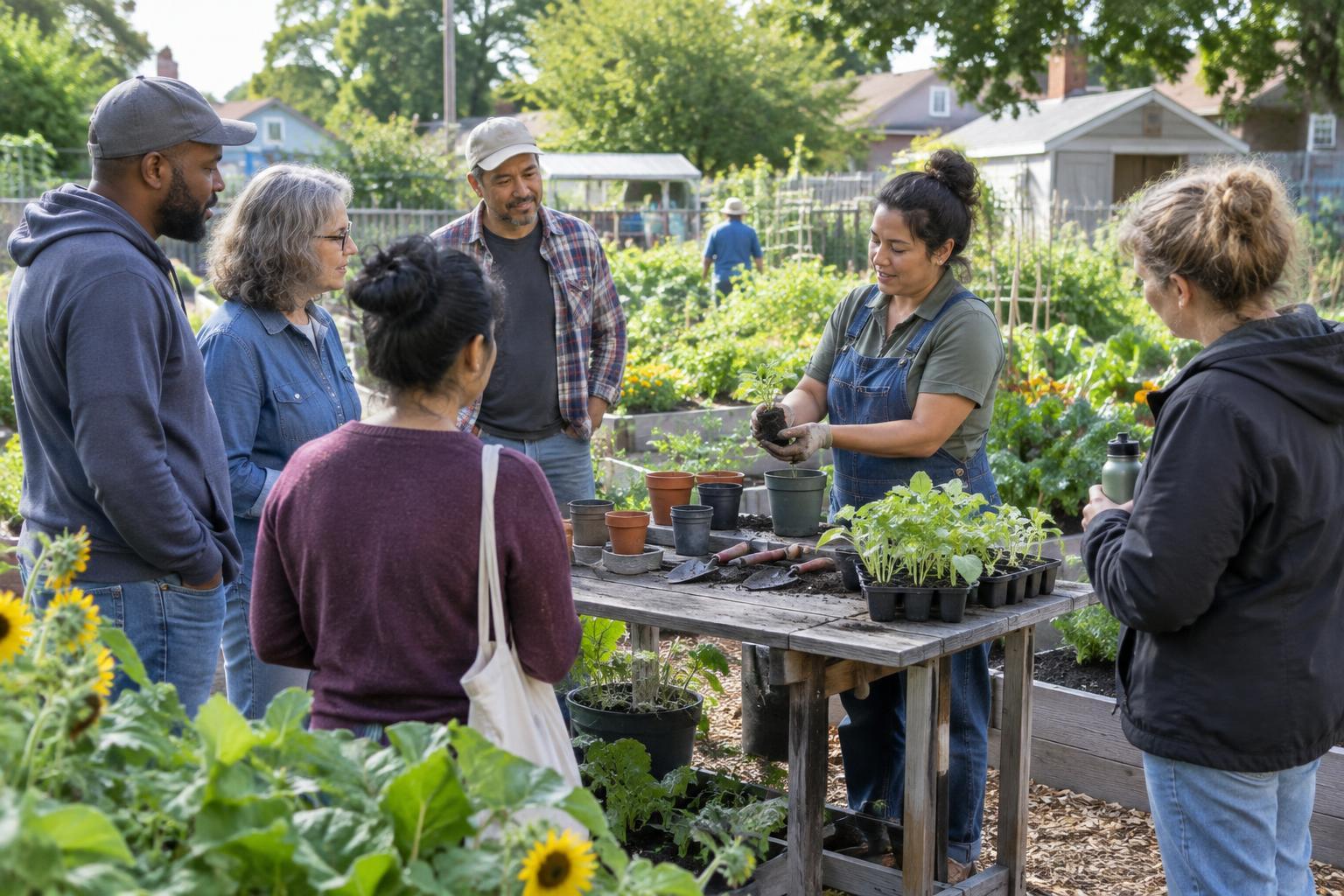
A focused workshop is easier to prepare than a broad class. Pick a task that participants can see, try, and repeat at home or in the garden. Demonstrate it once, then let people practice. A container-sowing session, for example, needs a work surface, containers, growing medium, seeds, labels, and a way to clean up. Count materials before advertising how many people can take part.
Costs stay lower when you use supplies the garden already owns, borrow suitable tools with permission, or ask participants to bring a reusable container. Avoid making a purchase a condition of joining. If supplies are limited, offer pairs a chance to share or let visitors observe before trying the task. Explain how tools will be passed around and where used materials should go.
Have a plan for the parts that are easy to overlook: handwashing or cleaning options, drinking water if available, and a place to set down bags. Keep children near their accompanying adults when tools are in use. A volunteer who can welcome late arrivals and manage supplies gives the person leading the activity room to teach.
Finish well and build on what worked
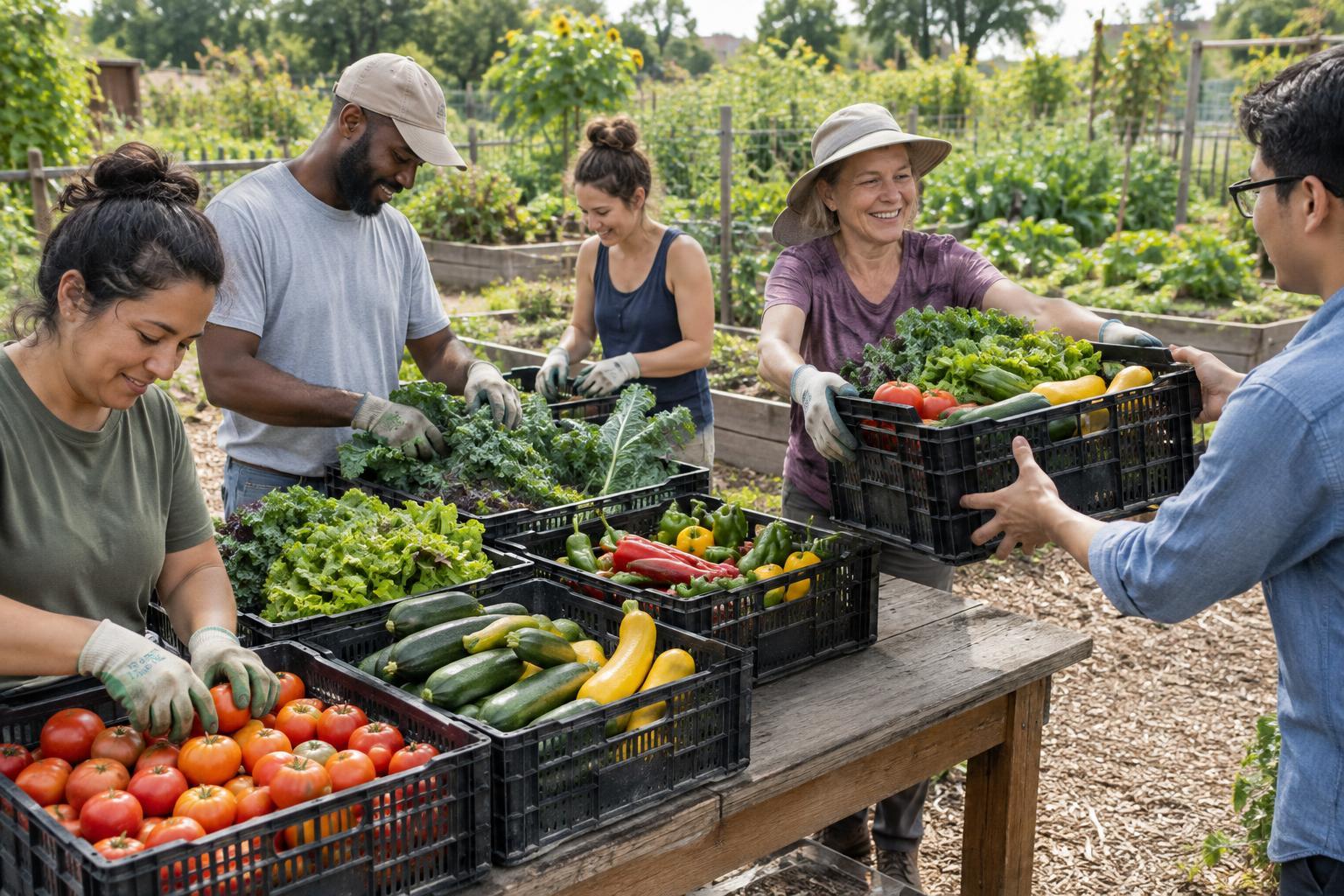
Low-cost gatherings can be as simple as a bench conversation after the tour or a bring-your-own-mug break following a work session. If food is part of the plan, label shared dishes when possible and avoid promising that every dietary need can be met. Provide a way for people to join the conversation without bringing food or contributing money.
At the close, thank visitors and volunteers, explain any next step without pressuring anyone, and make sure tools and shared areas are put back in order. Soon afterward, ask helpers what felt welcoming and what was difficult to manage. Note how long activities took, which supplies ran short, and whether the route worked for the group.
Those notes are more useful than trying to make every event bigger. A repeatable, modest gathering gives neighbors another chance to meet and gives the garden a practical way to grow connections over time.