Why seedlings need a transition
A seedling raised indoors or in a sheltered greenhouse has lived with relatively steady conditions. A garden bed is different: sunlight is stronger, air moves around the leaves, and temperatures change through the day and night. Moving a plant straight from a windowsill to a sunny bed can leave it wilted or scorched, even when the soil is moist. Hardening off means introducing those conditions gradually before transplanting.
Start by checking the needs of the crop and the conditions expected at planting time. Tender plants such as tomatoes and basil need a different level of cold protection from crops that tolerate cool weather. Hardening off does not make a tender plant frost-proof. If cold weather is expected, keep vulnerable seedlings sheltered and postpone planting rather than trying to rush the transition.
Choose a sheltered starting place
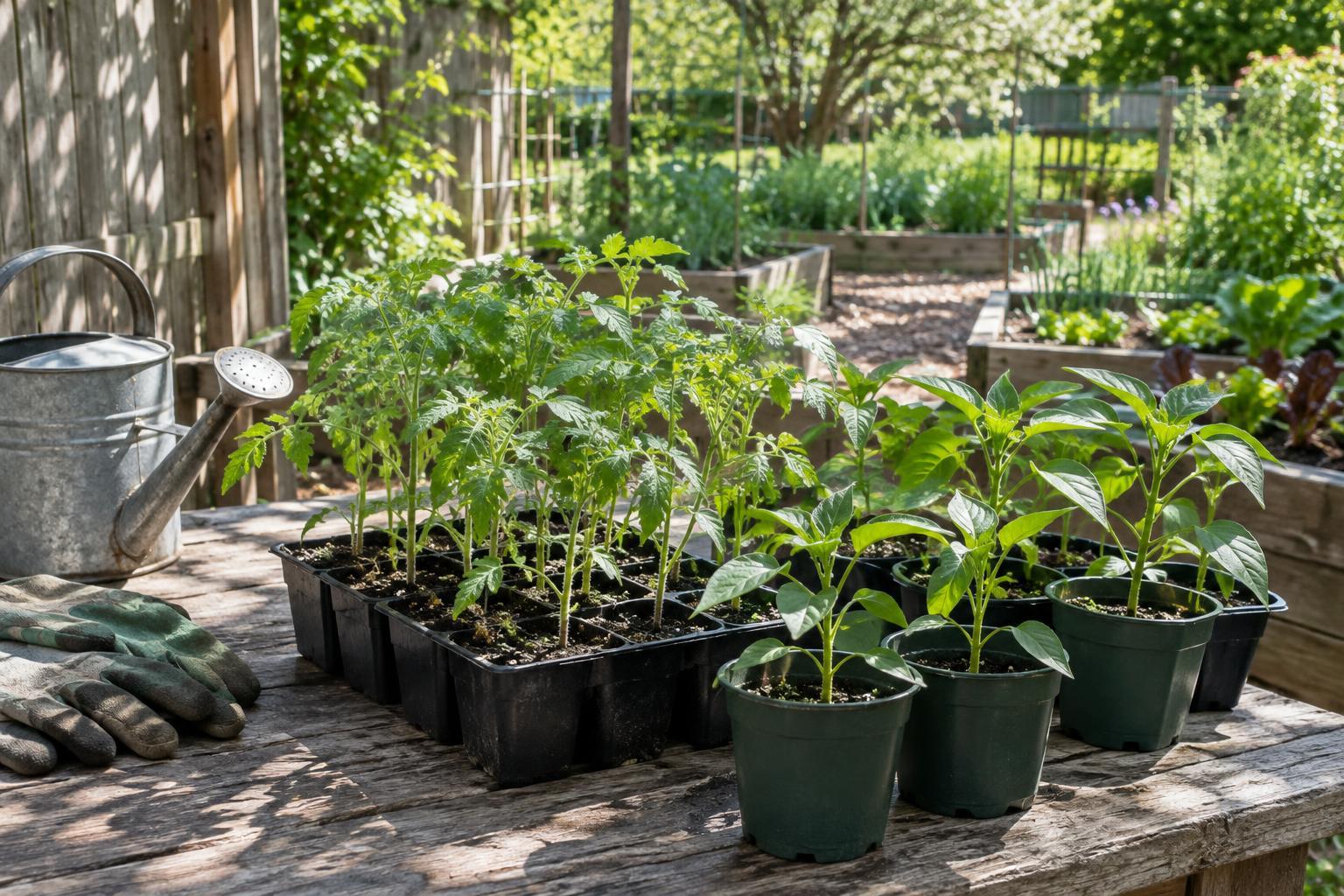
Set up a temporary holding area where seedlings can spend time outdoors without immediately facing full afternoon sun or strong wind. A spot with gentle morning light and some shelter works well. Keep trays off busy paths, and make sure anyone tending the garden knows which plants are being acclimated rather than left out for planting.
On the first outings, give seedlings a short period outside, then bring them back to their protected location. Over subsequent days, extend their outdoor time and gradually introduce brighter light and more airflow. There is no single schedule that fits every garden: cloudy days, exposed sites and different crops change how quickly plants adjust. Watch the seedlings and slow down if leaves look bleached, edges dry out or plants remain wilted after returning to shelter.
Keep water and weather in the routine
Small pots and cell trays can dry out quickly outdoors, particularly in moving air. Check the potting mix rather than watering by the clock. If it feels dry below the surface, water thoroughly and let excess water drain. If it is still damp, wait and check again later. Seedlings also need a stable place to stand so trays do not tip over or sit in puddles.
Review the weather before leaving plants outside for a longer stretch or overnight. A mild afternoon can be followed by a much colder night. Heavy rain or strong wind may also be too much for newly exposed seedlings. Moving trays back under shelter is not a setback; the goal is a steady adjustment, not a test of how much stress plants can survive.
Make the handoff clear in a shared garden
Hardening off is easy to interrupt when several people share watering and planting duties. Put a simple note beside the trays with the crop name, the date outdoor exposure began, the current routine and who will bring the plants in if conditions change. Agree on a protected backup location that volunteers can access. This prevents one person from assuming another has moved the seedlings.
Group plants by similar needs when possible, and label individual varieties before trays are moved around. If volunteers cannot check on seedlings during the day, choose a shorter, more manageable outdoor period instead of leaving them exposed longer than planned. A modest routine followed consistently is more useful than an ambitious schedule nobody can maintain.
Decide when seedlings are ready to plant
Seedlings are better prepared for transplanting when they have spent progressively longer periods outside, including conditions similar to those in their intended bed, without persistent wilting or leaf damage. They should also have enough room for their roots and sturdy growth suited to their crop. If a plant is struggling in its tray, address watering or shelter first; planting it in a bed will not automatically solve the problem.
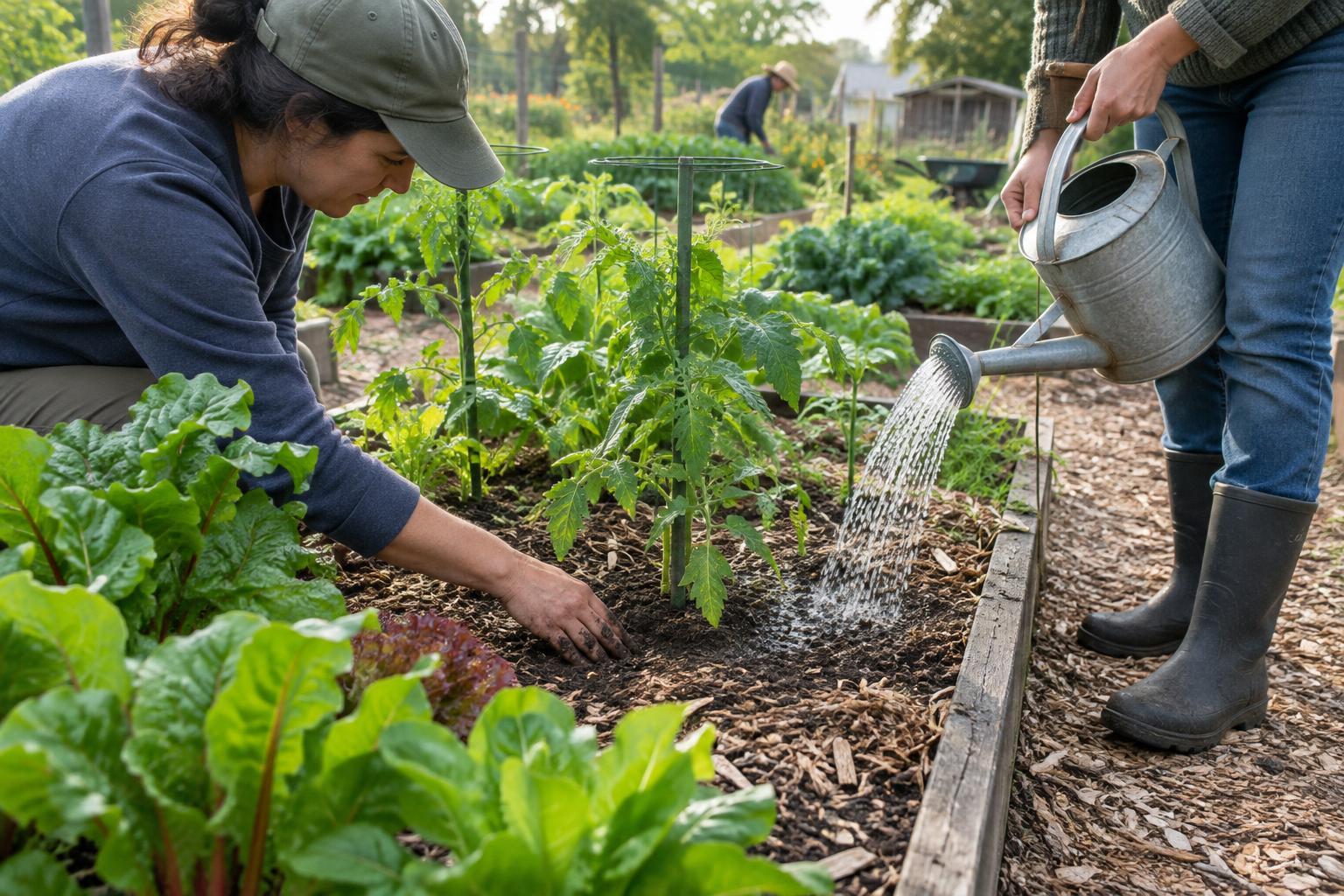
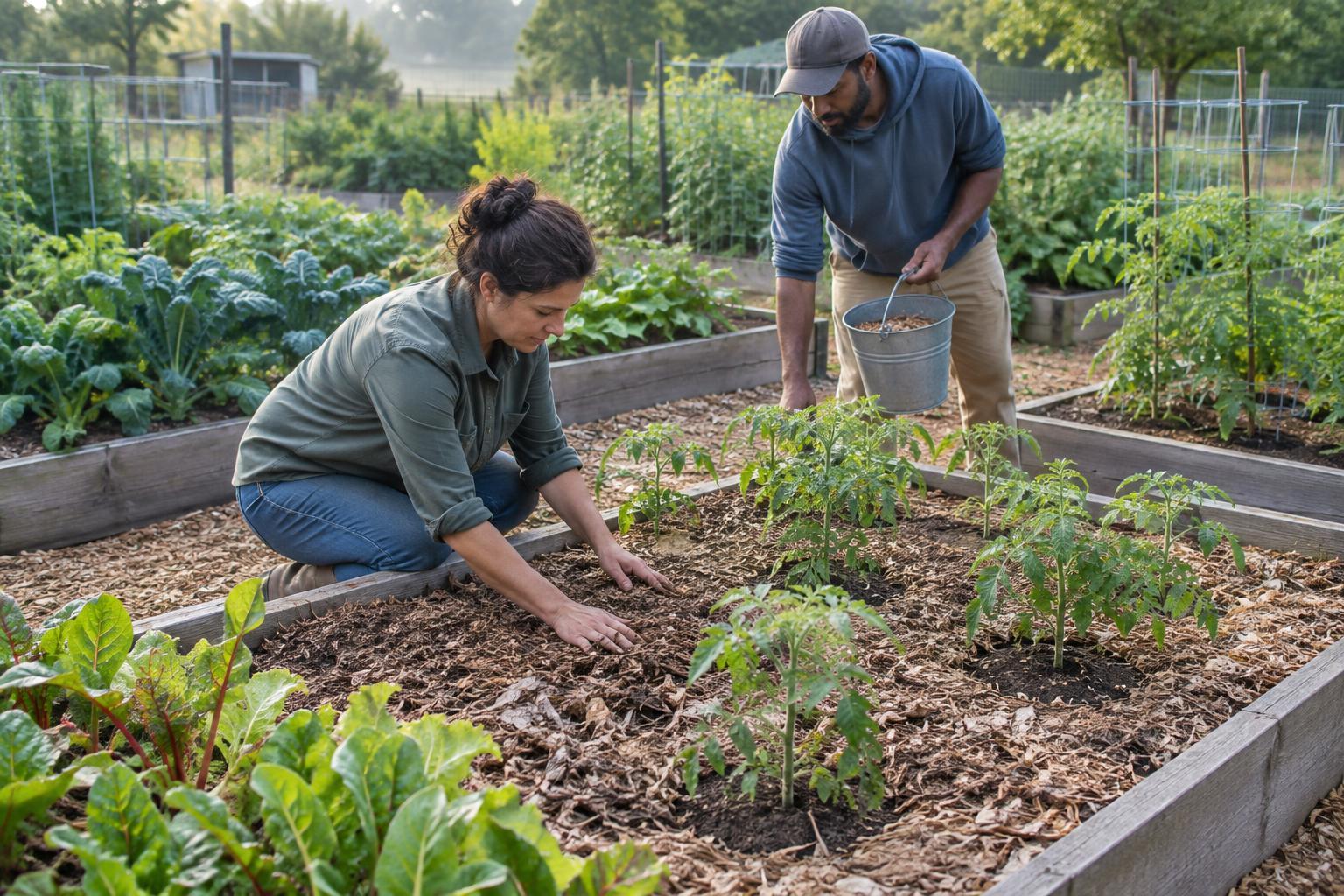
Choose a suitable planting day rather than transplanting simply because the hardening-off routine is complete. Avoid working saturated soil, and consider planting when intense sun or wind is less likely to add stress. Water seedlings before removing them from their containers, handle them by their leaves or root ball rather than tugging the stems, and water the planted root area. Check them over the following days so the garden team can respond promptly if a plant needs extra protection or moisture.