Choose for mature size, not nursery-pot size
An ornamental grass in a small pot can look modest, then fill a surprising amount of space within a few growing seasons. Before planting, check its expected height and spread, including the arching leaves and flower stems. A plant described as three feet wide may need more than three feet of visual space if its foliage spills over a path or neighboring plants. Give taller grasses room to move without blocking a doorway, sign, or sightline.
Growth habit matters as much as height. Clump-forming grasses expand from a central crown and are usually easier to fit into a defined planting bed. Spreading grasses move outward by underground stems or seed and can be difficult to contain. Check whether a proposed plant is considered invasive in your area, especially before adding it to a shared garden where volunteers may have limited time for control. A well-chosen, manageable plant is more useful than one that demands constant removal.
Match the grass to its planting spot
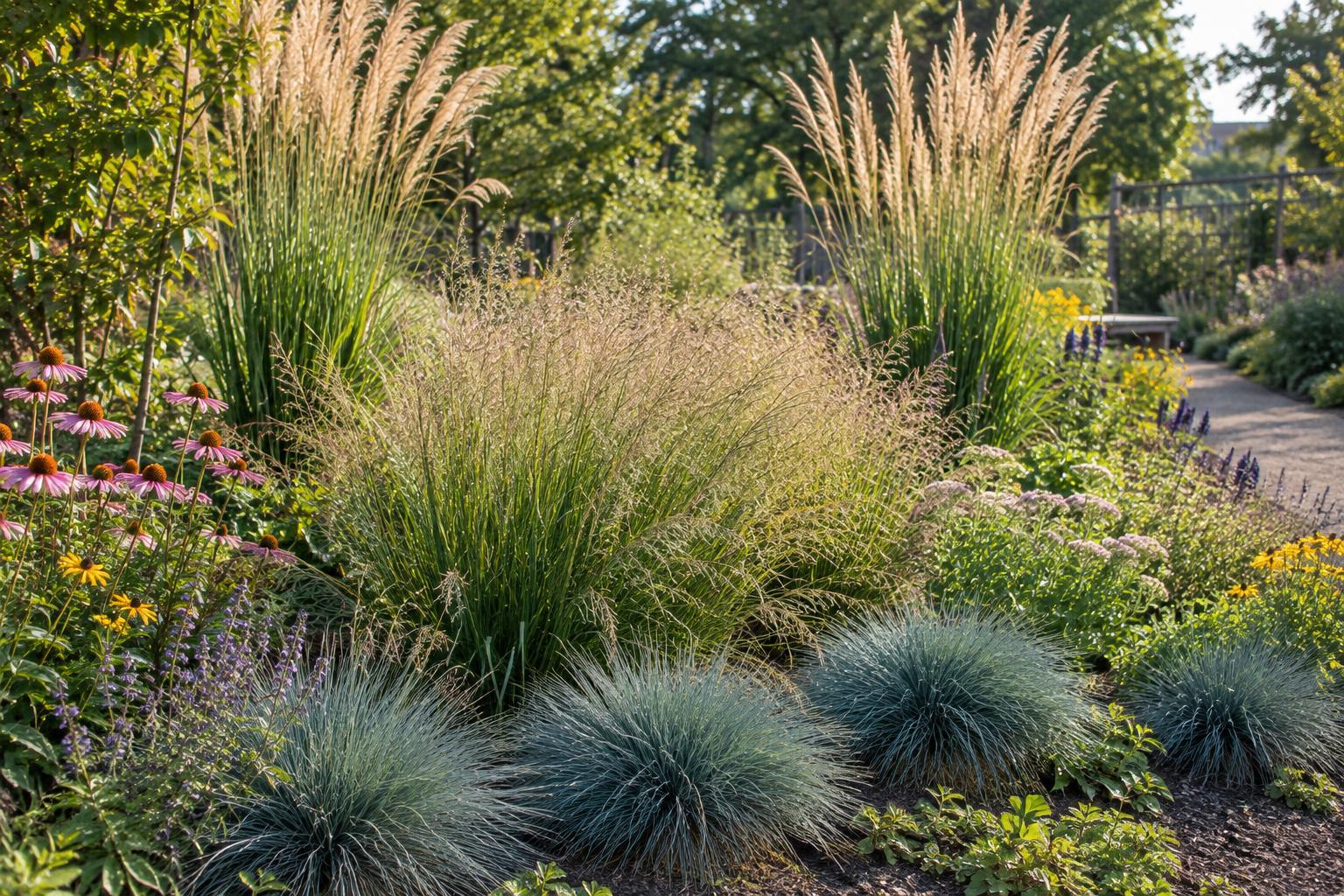
Most ornamental grasses are grown for their shape as much as their flowers. Upright forms can create a soft screen; low, mounding forms can define the front of a bed; airy seedheads can add contrast beside broad-leaved flowers. Think about how the plant will look from the places people actually use. In a community garden, a grass beside a bench might provide welcome texture, while the same plant next to a narrow walkway could brush against passersby.
Check the plant’s light and soil needs rather than assuming all grasses prefer the same conditions. Many flowering types perform best in full sun, while some grass-like ornamentals tolerate partial shade. Soil drainage is particularly important: a plant suited to dry ground may struggle where water sits after rain. If a site is windy, consider whether tall stems will have room to sway without leaning across paths or onto delicate neighbors.
Leave access for routine work. A grass placed too close to a fence can be awkward to trim, divide, or clear of litter. When designing a bed, sketch the mature footprint of each plant and preserve a workable gap around hose connections, edging, and shared tools. This small planning step can prevent a handsome planting from becoming an obstacle.
Plant carefully and water while roots establish
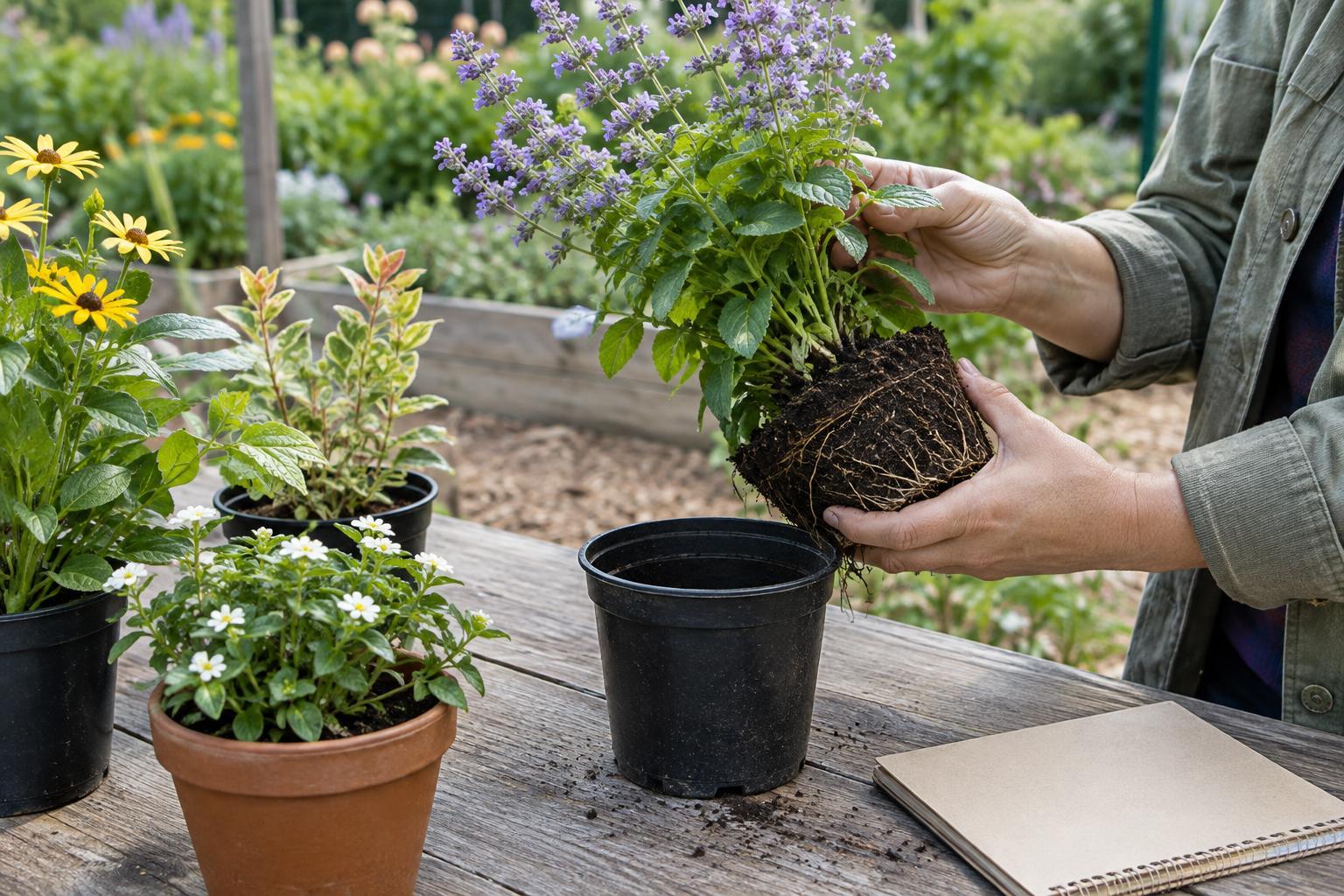
Plant when conditions are mild enough for regular watering and root growth. Set the crown at roughly the same depth it occupied in its container, loosen tightly circling roots, and water the soil thoroughly after planting. A layer of mulch can help limit weeds and slow moisture loss, but keep it away from the crown so the plant is not buried.
Newly planted grasses need more attention than established ones. Check the soil near the roots rather than watering by a fixed calendar: if it is drying out several inches down, water deeply and allow excess moisture to drain. Once established, water needs vary by species, soil, and weather. Even a grass described as drought tolerant may need supplemental water during an extended dry spell, particularly in a crowded bed or container.
Keep seasonal maintenance simple
Many deciduous ornamental grasses can stand through winter, adding structure after other plants fade. When their old foliage begins to look worn, it can be cut back before vigorous new growth makes the job difficult. Timing varies by climate and plant: some grasses grow most actively in cooler weather, while others begin later as soil warms. Look for fresh shoots before cutting, and avoid slicing into them. Evergreen grasses often need only gentle combing or removal of damaged leaves rather than a hard cutback.
Wear gloves and long sleeves when handling grasses with sharp-edged leaves. Gather tall stems into a loose bundle before cutting to make cleanup easier. Remove unwanted seedlings while they are small, and watch for a clump whose center has died out or whose outer edges are crowding nearby plants. Such a clump may benefit from division during a suitable planting season. Replant healthy portions at the original depth and water them as they settle in.
Plan for a garden that others can maintain
In shared spaces, ornamental grasses work best when their purpose and care are clear. Label new plants so volunteers can distinguish intentional foliage from weeds, and note their expected size on the garden plan. If seedheads are left standing for winter interest, agree on when they will be removed and who will handle the cutback.
Start with a few well-placed plants rather than filling every gap. Their movement and texture are often most noticeable when they have space around them, and open ground makes it easier to spot seedlings or encroaching stems. Choosing the right grass for the site—and leaving room to care for it—will do more for the planting than frequent trimming ever could.