Start with the season, not the seed packet
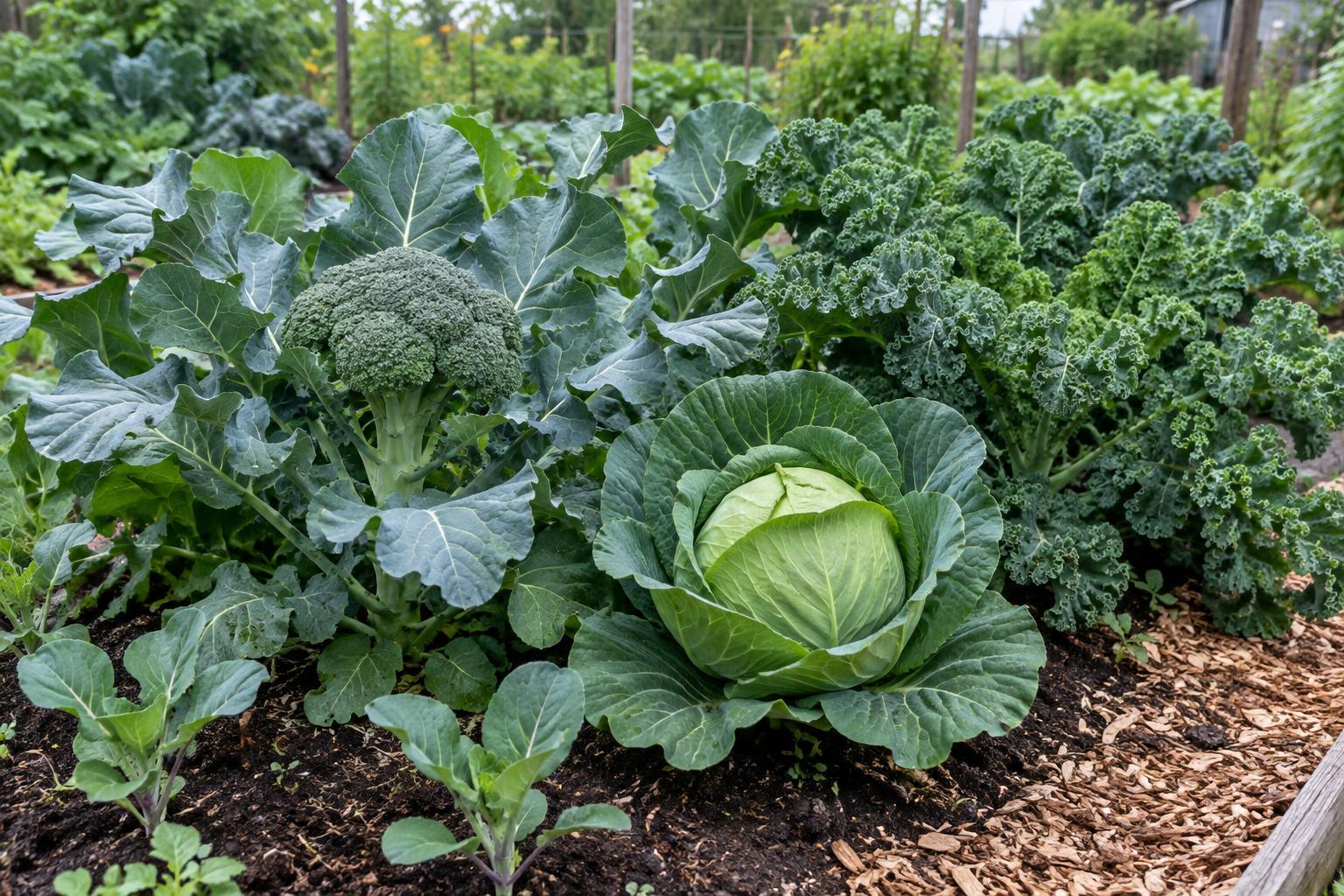
Broccoli, cabbage, and kale belong to the brassica family. They share many growing needs, but they do not produce the same kind of harvest: broccoli is grown mainly for its flower buds, cabbage for a firm head of leaves, and kale for leaves picked over time. All three generally grow best in cool weather, making spring and fall useful planting seasons in many gardens.
Your planting window depends on your local frost dates and how quickly temperatures rise or fall. In spring, gardeners often set out young plants early enough to mature before sustained summer heat. For a fall crop, they start seeds or set out transplants while it is still warm, allowing enough growing time before cold weather slows growth. Check the variety’s expected days to maturity, then work backward from the part of the season in which you hope to harvest. Kale often tolerates cold better than broccoli or cabbage, though varieties and conditions differ.
Give roots room and keep growth steady
Choose a spot with at least six hours of direct sun when possible. Brassicas prefer soil that drains well but holds enough moisture to support steady growth. Before planting, loosen compacted ground and mix in finished compost. If a soil test is available, use its results to guide amendments rather than adding fertilizer by guesswork.
Allow room for mature leaves to spread. As a starting point, space broccoli plants about 18 to 24 inches apart, cabbage about 12 to 24 inches apart depending on the variety, and kale about 12 to 18 inches apart. Follow the packet or plant label when it gives a different recommendation. Crowding makes it harder to water at the base, spot pests, and harvest without damaging neighboring plants.
Water deeply enough to moisten the root zone, then water again as the soil begins to dry. Avoid letting plants repeatedly wilt and recover, especially while broccoli buds or cabbage heads are forming. A layer of mulch can help reduce evaporation and soil splashing. Young transplants may pause briefly after planting, but persistent yellowing or stalled growth is a reason to check moisture, drainage, and soil fertility.
Choose a simple way to start
Transplants are convenient for a first planting because they give broccoli and cabbage a head start in a short cool season. Look for sturdy plants with healthy leaves rather than oversized plants already struggling in small pots. Set them at roughly the depth they grew in their containers and water them in well.
Kale is also easy to start from seed directly in the bed when conditions are suitable. Sow according to the packet, keep the surface evenly moist during germination, and thin seedlings so the remaining plants have space to grow. If you raise any brassicas indoors, gradually introduce them to outdoor sun, wind, and temperature changes before transplanting. This hardening-off period helps reduce stress.
Check leaves before pests get established
Inspect plants regularly, including the undersides of leaves. Small holes may signal caterpillars such as cabbage worms, while clusters of aphids often gather on tender growth. Hand-removing caterpillars can work well in a small bed. A firm spray of water may dislodge aphids; check again afterward, since some may return.
Lightweight insect netting or row cover can prevent some flying pests from reaching plants if it goes on early and its edges stay secured. Leave enough slack for growth, and lift it when you need to weed, inspect, or harvest. Good airflow, prompt removal of badly damaged leaves, and regular observation are more useful than waiting for a problem to become severe. Because related brassicas can share pests and diseases, avoid planting them in the same bed season after season when you have another option.
Harvest each crop at its best
Cut the main broccoli head while its buds are still tight and before yellow flowers open. Some varieties produce smaller side shoots after the main head is removed, so keep the plant growing if it remains healthy. Harvest cabbage when the head feels firm; cut it at the base with a clean knife. A head that stays in the garden too long may split, particularly after a sudden increase in moisture.
For kale, pick the larger outer leaves first and leave the central growing point intact. This lets the plant continue making new leaves. Harvesting a little at a time can be especially helpful in a shared garden, where clear labels and an agreed picking plan prevent confusion about what is ready. With a suitable cool-season window and regular attention, these three crops offer beginners several different ways to enjoy the same productive plant family.