Choose flowers for the spot you have
Annual bedding flowers are plants grown for one season of color. Before buying a tray of seedlings, watch the planting area over a typical day. A bed that receives direct sun for much of the day offers different choices from one shaded by a building or tree. Also notice whether the soil stays damp after rain, dries quickly, or sits near a path where plants may be brushed or stepped on.
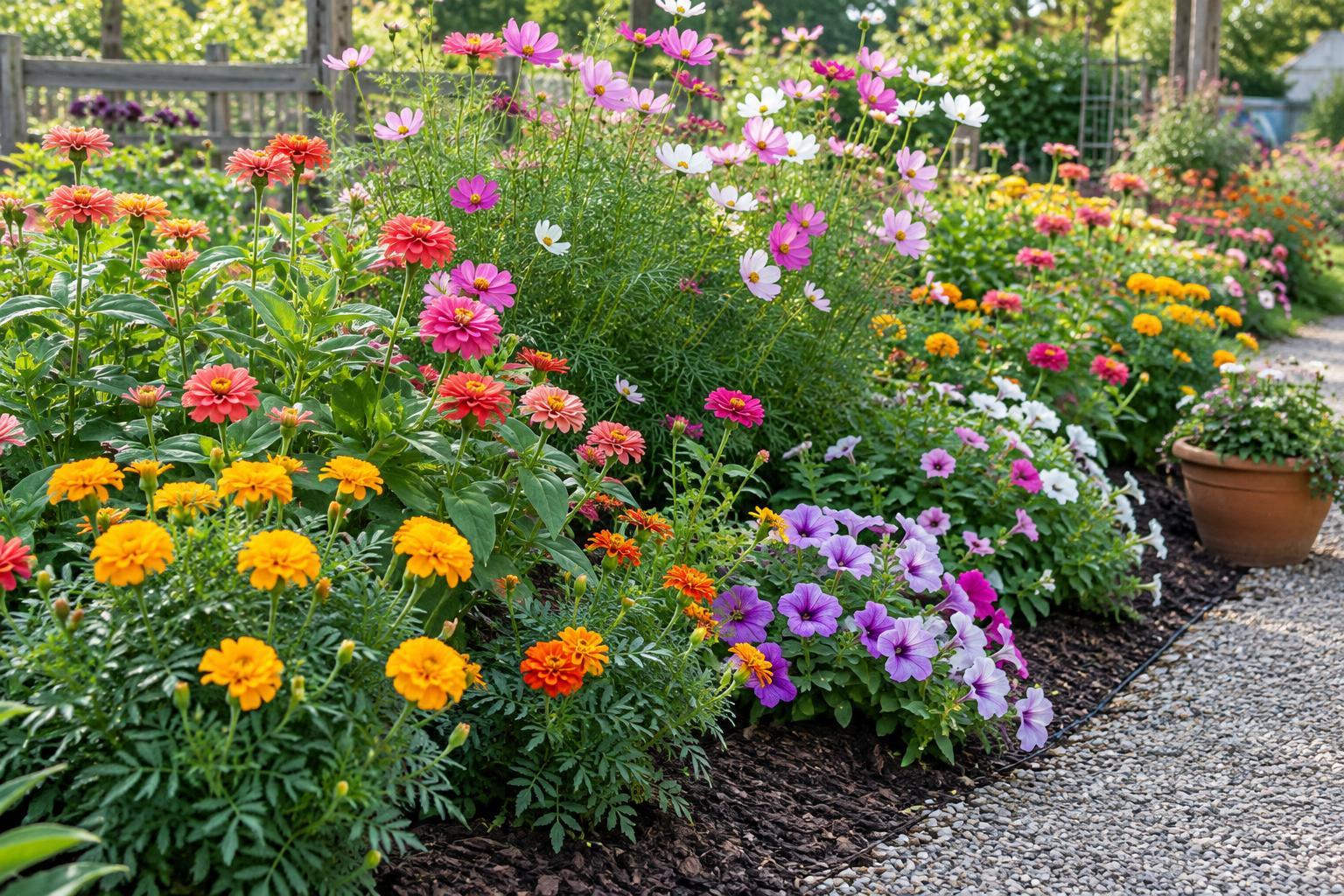
Zinnias, marigolds, and many petunias generally perform well in sunny spots. Begonias and many impatiens can be useful where there is more shade, though their light and moisture needs vary by type. Check plant labels for mature height and spacing rather than judging by the small plants in a nursery pack. In a shared garden, lower-growing flowers may keep sightlines open along paths, while taller ones can provide a backdrop where they will not crowd vegetables or neighbors’ plots.
Plan a bed that is easy to care for
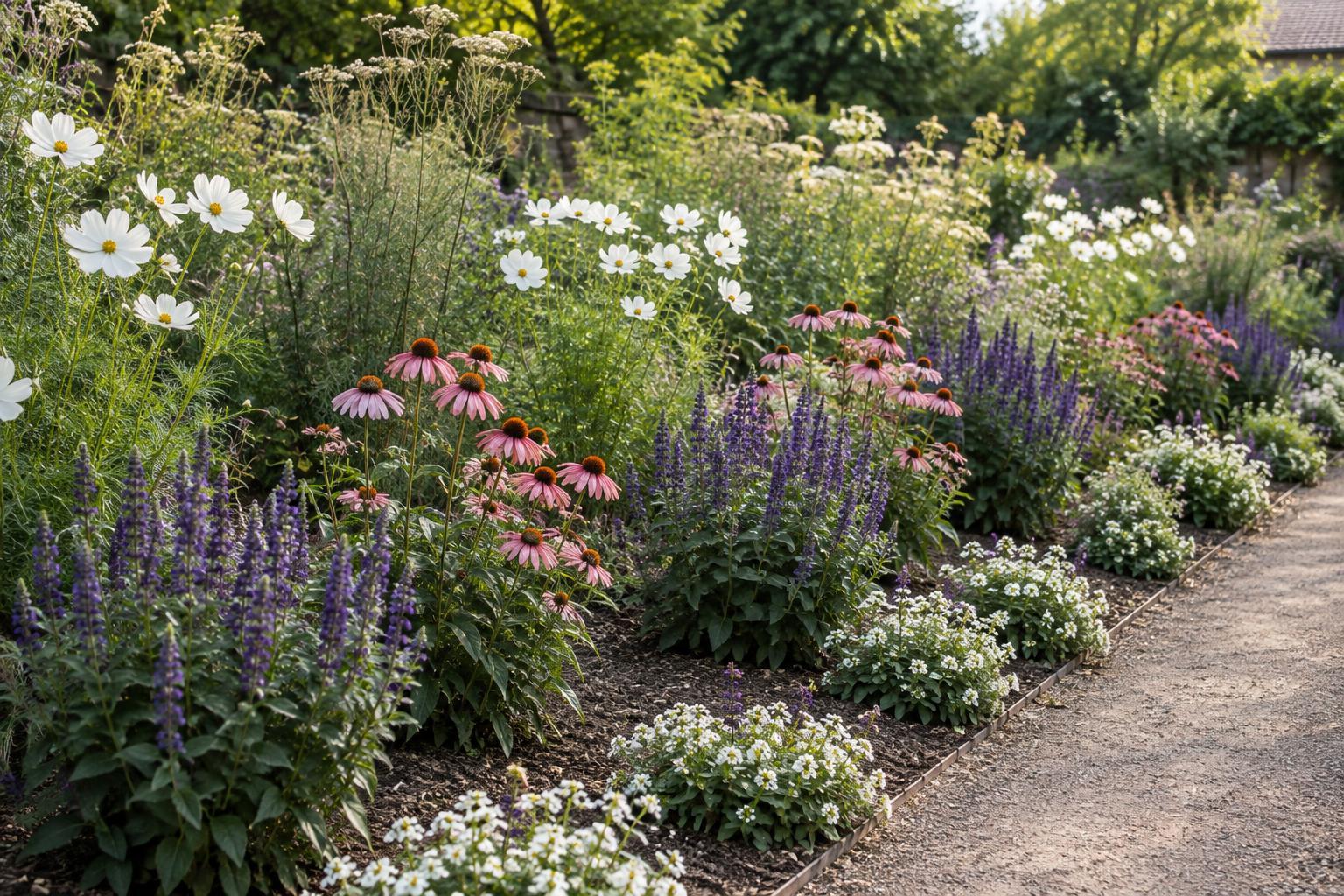
A simple planting plan can be more effective than a large assortment of flowers with conflicting needs. Group plants that prefer similar light and moisture conditions, and repeat a few colors or varieties to give the bed a clear shape. Leave room to reach the middle of the planting without stepping on the soil. Containers can brighten entrances and paved areas, but they usually need closer attention to watering than flowers growing in the ground.
Before planting, remove weeds and loosen the soil where roots will grow. Mix in finished compost if the soil is compacted or low in organic matter, but avoid burying plants in a deep pocket of compost that differs sharply from the surrounding ground. Soil should drain reasonably well; persistent puddles call for a different location, a raised bed, or plants suited to wetter conditions. If the bed is shared, agree on its edges and access before seedlings go in.
Plant with a strong start in mind
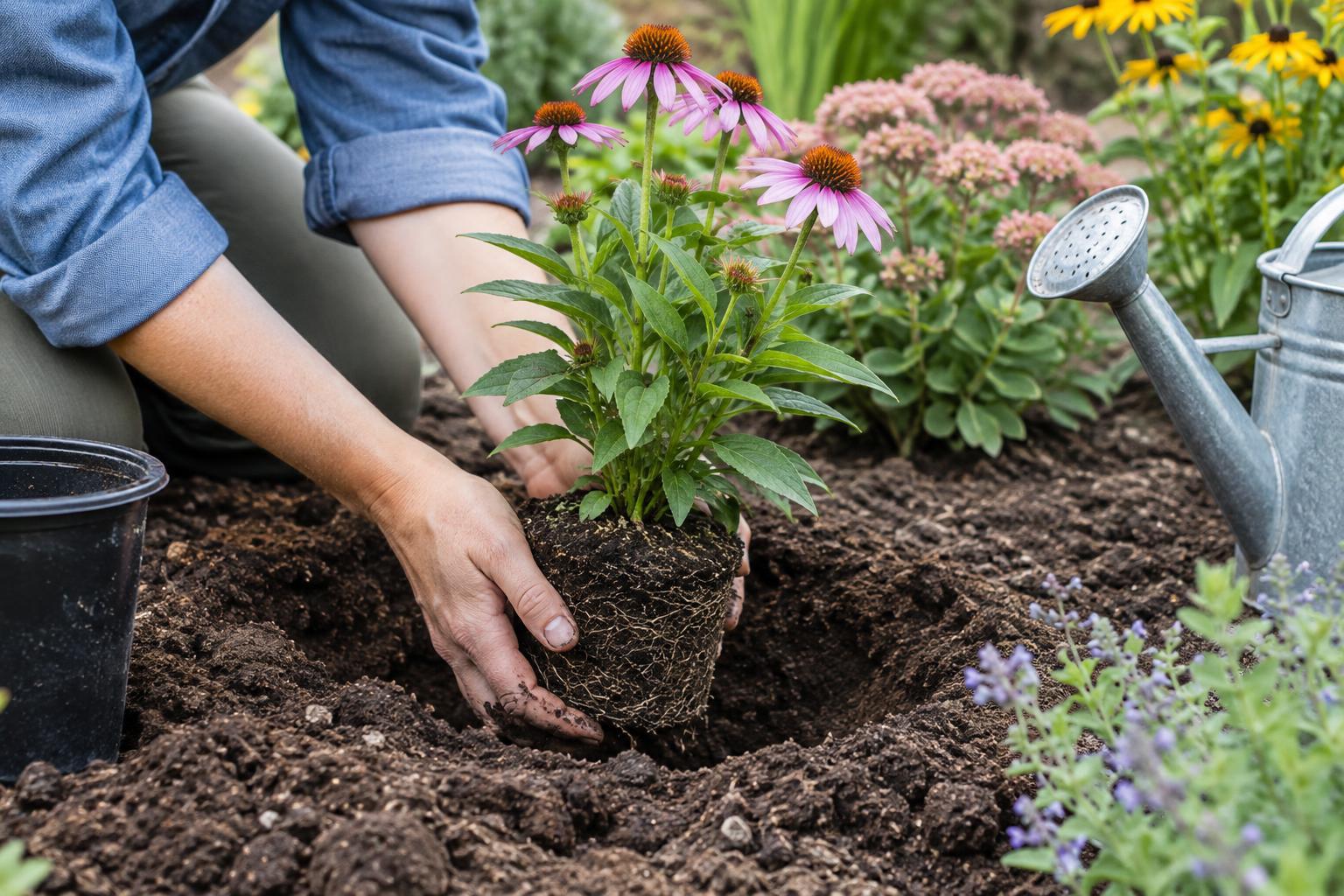
Wait until conditions suit the flowers you have chosen. Many popular bedding annuals are sensitive to frost, so follow local planting guidance and the plant label rather than relying on a calendar date alone. Water seedlings before removing them from their pots. Handle them by their root balls or leaves rather than pulling on their stems, and gently loosen roots that are circling tightly around the pot.
Set each plant at about the same depth it grew in its container, firm soil lightly around it, and water thoroughly. Use the label’s spacing as a starting point: crowded plants may have less airflow and become harder to weed or inspect. A thin layer of mulch can help limit weeds and slow moisture loss, provided it is kept away from stems. Give new transplants regular attention while their roots spread into the surrounding soil.
Water and feed according to growth
Check moisture below the soil surface instead of watering by appearance alone. When the root zone is drying, water slowly enough to soak into the soil rather than run off. An established bed may need less frequent watering than a container or a newly planted bed, but weather, soil, and plant size all make a difference. Watering near the soil surface also keeps foliage drier, which may help reduce problems in closely planted beds.
Flowers need nutrients to support new growth, but more fertilizer is not automatically better. Too much nitrogen can encourage leaves at the expense of blooms in some plants. If growth is weak or foliage looks unusually pale, consider the condition of the soil, watering habits, and the plant’s light exposure before feeding. Follow product directions if you use fertilizer, and remember that compost and potting mixes may already supply some nutrients.
Keep blooms coming with small, regular tasks
Remove spent flowers from varieties that benefit from deadheading, cutting back to a leaf or branching point rather than leaving bare stems. Some modern varieties shed old blooms and continue flowering without much help, so observe each plant before adding a chore to the garden schedule. If stems become long and sparse, a modest trim may encourage fresh growth; avoid cutting away most of the plant during stressful heat or drought.
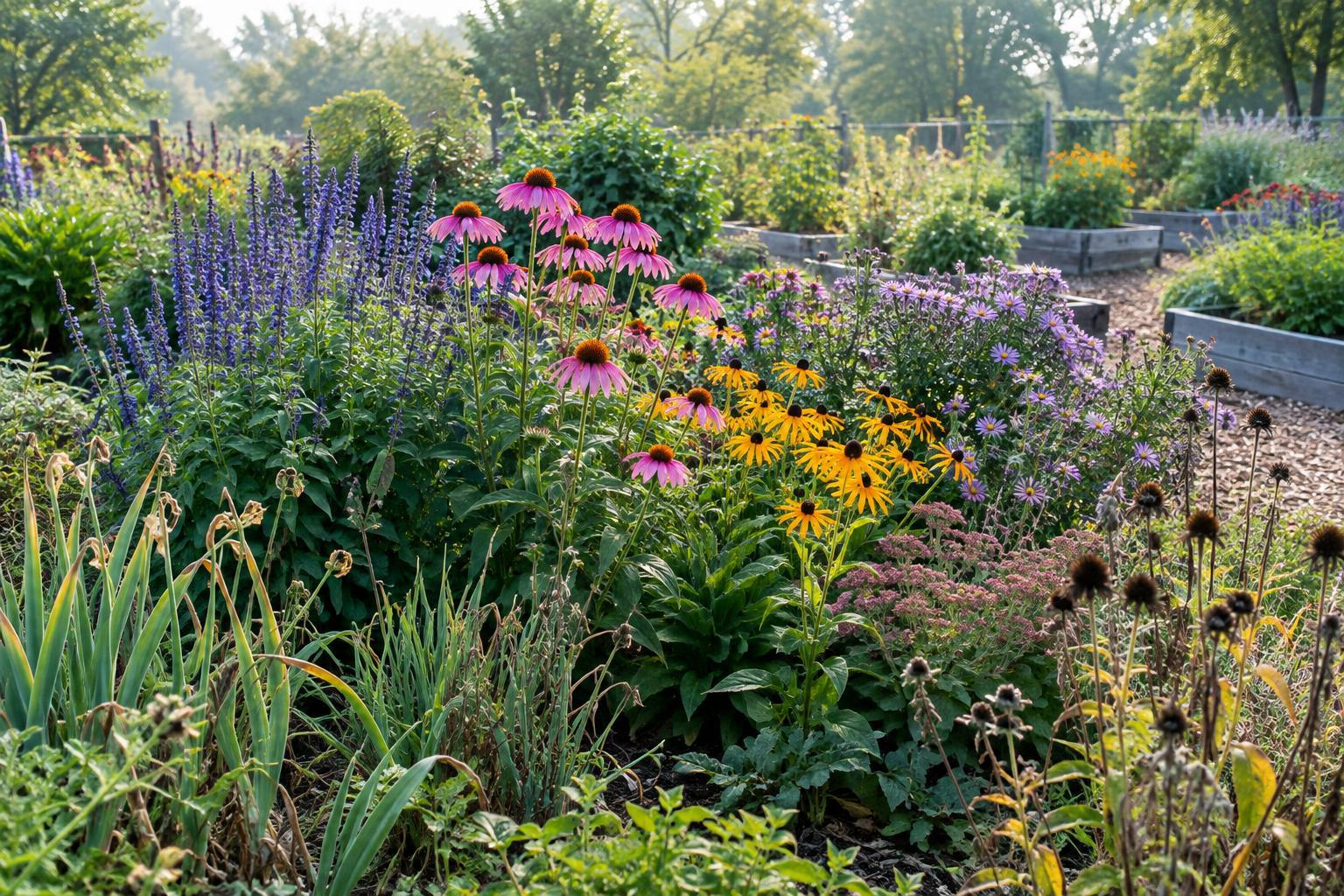
While tending flowers, pull young weeds, look under leaves for pests, and remove damaged plant material when practical. Not every chewed leaf needs a treatment. Consistent care often reveals a problem while it is still small. In a community bed, a short shared task list—who checks water, who deadheads, and where tools belong—can make maintenance easier. At the end of the season, note which flowers suited the site and which needed more attention than the group could comfortably give.