Start with the garden’s actual needs
Before asking anyone for money, list what the garden must pay for during a typical growing season. Common expenses include water, soil or compost, mulch, tools, hose repairs, shared seeds, and replacement plants. A new garden may also need beds, paths, a shed, or signs. Separate one-time purchases from recurring costs so members can see what it takes to keep the space running after the first season.
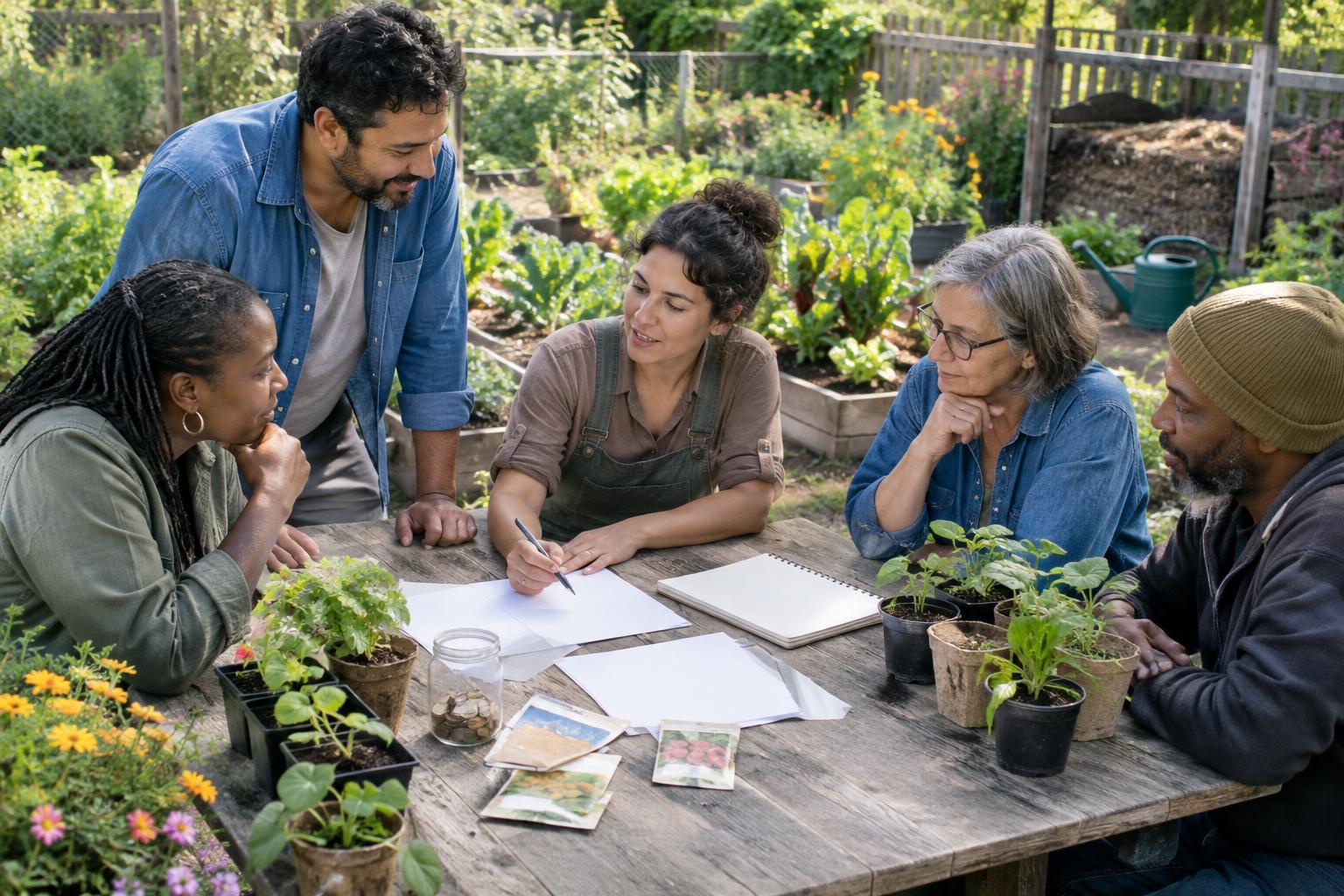
Build a simple budget with estimated costs, expected income, and a small allowance for repairs. Prioritize essentials: reliable water and safe, usable paths matter more than decorative additions. If the garden shares land with another organization, clarify which costs that partner covers and which belong to the garden. A short written budget makes funding requests more specific and helps the group avoid collecting money without a clear purpose.
Set dues that support participation
Member dues can provide predictable income for recurring costs. Decide whether dues cover an individual plot, a household, or participation in a shared growing area, then explain what the payment supports. A garden with different plot sizes might use different rates; a fully communal garden may find one suggested contribution simpler. Whatever the approach, agree on it openly before collecting payments.
Dues should not become an unnecessary barrier to growing. Consider reduced fees, payment in installments, or a way to contribute time instead of money when the garden can accommodate it. Explain how members can request an alternative without having to disclose personal circumstances to the whole group. If dues cannot cover all expenses, say so plainly rather than setting a rate that is likely to exclude neighbors.
Ask for donations with a clear purpose
A focused request is easier to understand than a general appeal for supplies. Instead of asking for anything garden-related, list specific needs such as clean buckets, sturdy hand tools, unopened seeds suited to the planting plan, or funds for a water bill. Check the condition and suitability of donated materials before accepting them. The garden may not have space to store items it cannot use.
Local supporters may prefer to give materials, lend equipment, or help with a particular project rather than make a cash contribution. Give each offer a clear point of contact, and agree on delivery, storage, and ownership in advance. Thank donors without promising publicity or special access that the group has not approved. Keep a record of gifts received so volunteers know what is available and what is still needed.
Choose small grants the group can manage
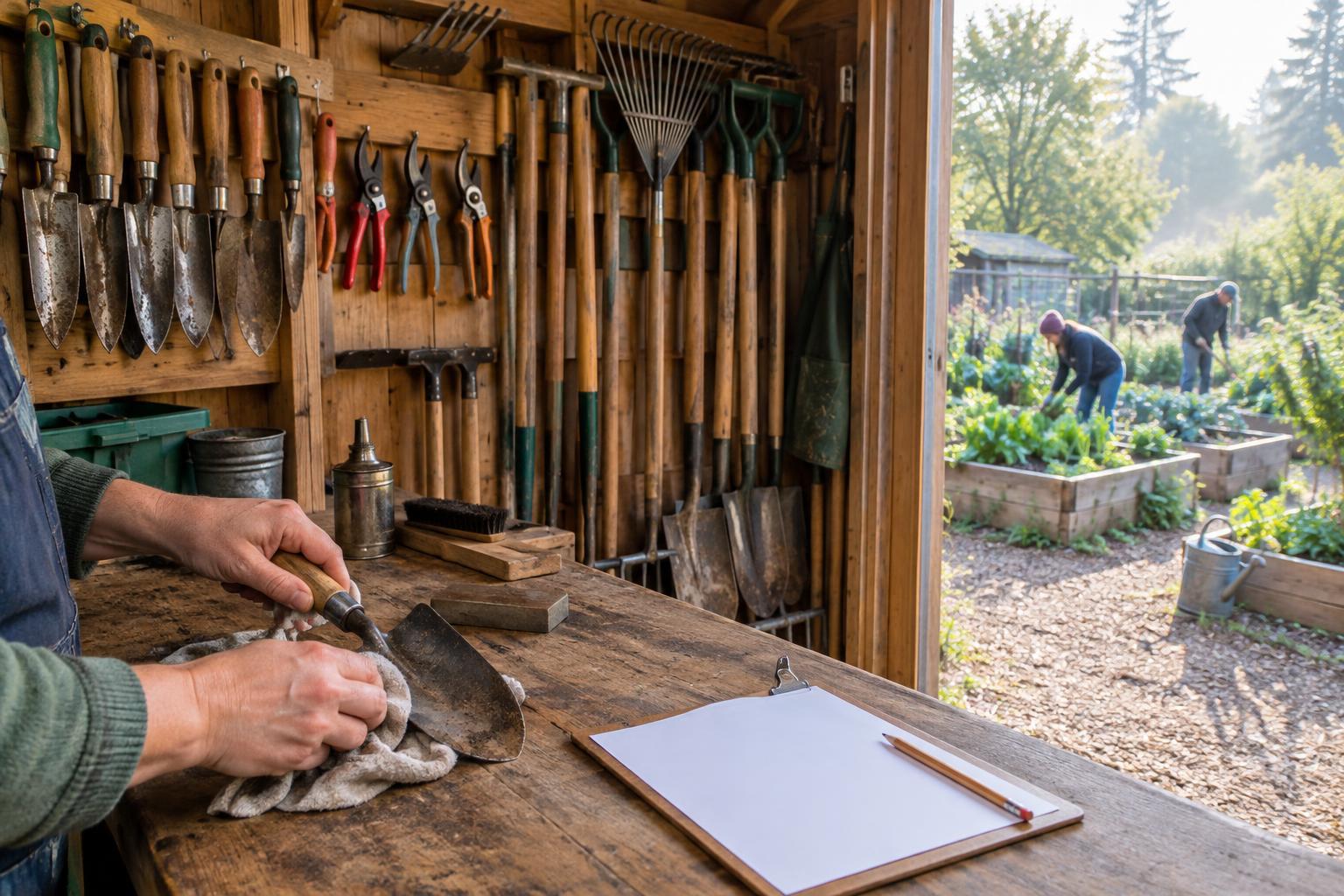
A small grant can help with a defined improvement, such as a shared tool station or more accessible paths. Look for opportunities whose stated goals fit the project, then read the eligibility rules, allowable expenses, deadlines, and reporting requirements carefully. Some applications require an organization to receive and manage the funds; if the garden works through a partner, confirm responsibilities before applying.
Keep the proposed project narrow enough for the group to finish with its available volunteers. A useful application explains the need, the people who will use the improvement, the materials and labor required, and how the garden will maintain it afterward. Do not count on a grant to cover routine costs unless its terms allow that use. If an application demands more work than the project is worth, dues or a targeted donation drive may be a better fit.
Make the money easy to track
Decide who can approve purchases, who keeps receipts, and how members will see a summary of income and expenses. Recording each payment and purchase in a shared ledger can prevent confusion even in a small garden. Where practical, have more than one person review the records and avoid relying on a volunteer’s personal memory to track garden funds.
Review the budget with members at least once during the growing season and again before planning the next one. If a project costs less than expected, explain how the remaining money will be used, especially if donors or a grant set conditions on it. Clear records protect trust, make it easier to welcome new organizers, and help the garden choose a funding mix it can sustain.