What rotation means in a small garden
Crop rotation means changing where you grow a crop, or a group of related crops, from one planting to the next. In a large field, moving a crop may put substantial distance between its roots and the soil where it grew before. In a small vegetable garden, moving tomatoes from one end of a bed to the other may be only a few steps. That does not make rotation pointless, but it changes what you can reasonably expect from it.
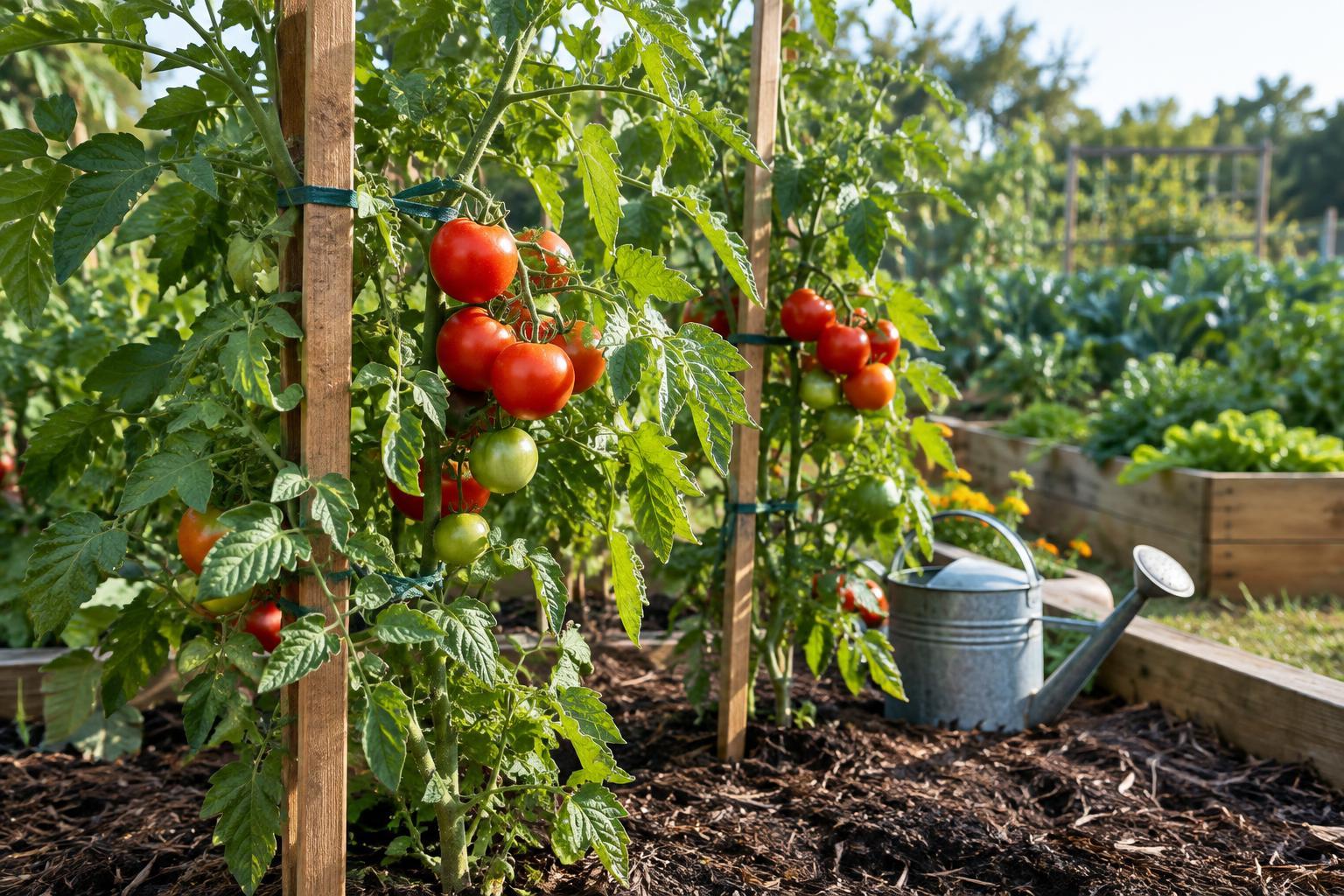
The most useful way to plan is by plant family rather than by individual vegetable. Tomatoes, peppers, eggplants and potatoes are related, for example, so swapping tomatoes for peppers is not much of a rotation when the concern is a problem shared by both. A simple bed map can help you see where related crops have grown without asking you to remember every planting from past seasons.
Where rotation can help
Some pests and disease-causing organisms can persist in soil or crop debris and are more likely to affect particular plant families. Leaving their preferred hosts out of an area for a time may reduce the chance that the next crop encounters the same level of pressure. Rotation is most useful when you have enough distinct growing areas to keep susceptible crops out of a problem spot for multiple growing seasons.
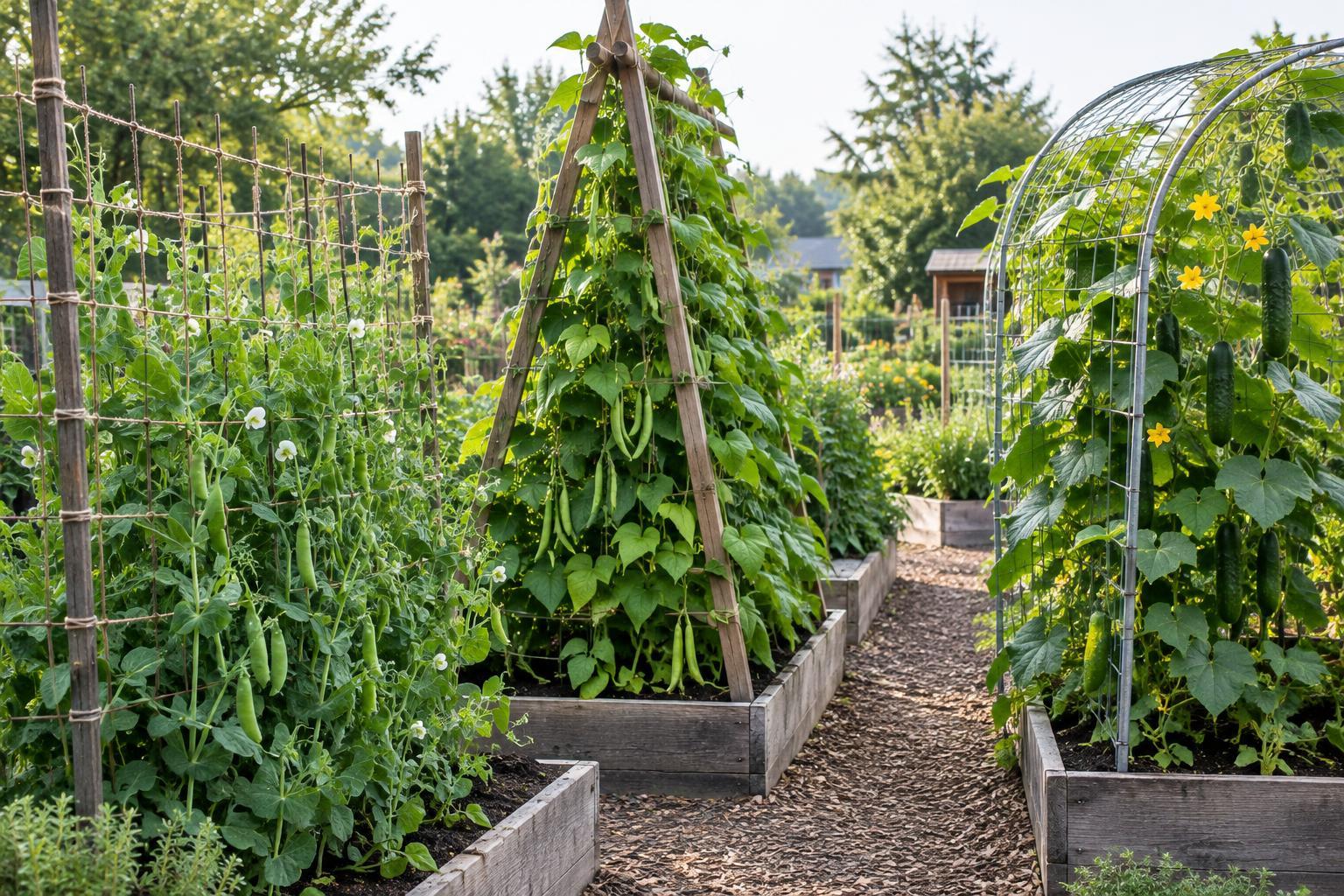
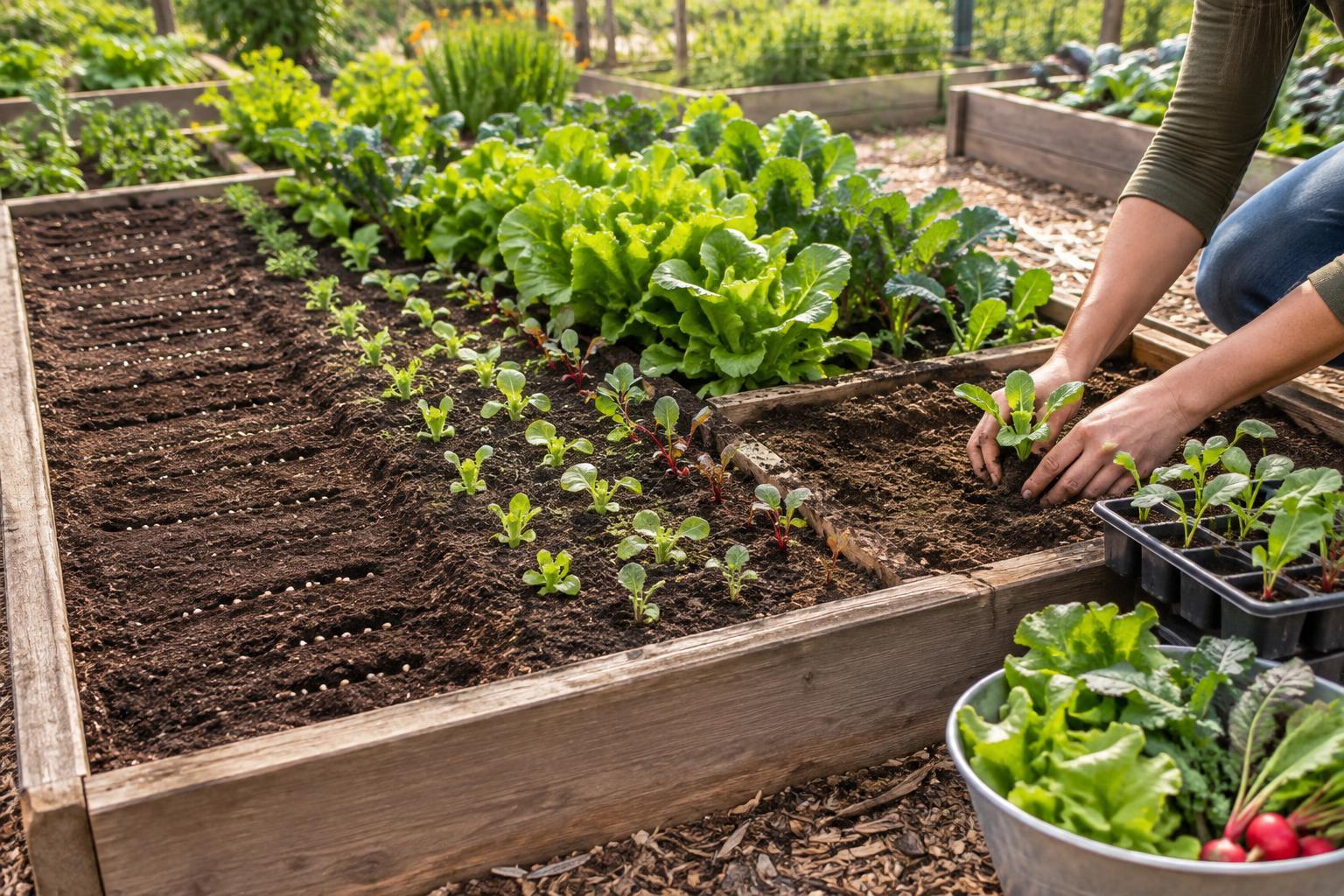
Changing crops can also encourage more varied soil management. Leafy vegetables, fruiting crops and legumes have different growth habits and harvest schedules, giving gardeners opportunities to add compost, use mulch or sow a cover crop between plantings. Legumes can contribute nitrogen under suitable conditions, but they are not an automatic substitute for assessing soil needs. Rotation helps organize these choices; it does not guarantee fertile soil.
What rotation cannot prevent
Rotation is not a barrier against problems that travel easily on wind, splashing water, tools, transplants or insects. It also cannot undo contaminated planting material or remove every long-lived soil organism. A disease with a broad host range may affect several unrelated vegetables, so switching plant families may not interrupt it. If you do not know what caused a crop to fail, rotating blindly may give you a plan without addressing the cause.
Nor does moving a crop correct compacted soil, poor drainage, irregular watering or crowded planting. These conditions can weaken plants or favor disease wherever you place them. Similarly, a new bed beside an old one may be too close to meaningfully separate crops from a mobile pest. Treat rotation as one layer of prevention, not a promise that next season's plants will be trouble-free.
Build a rotation that fits the space you have
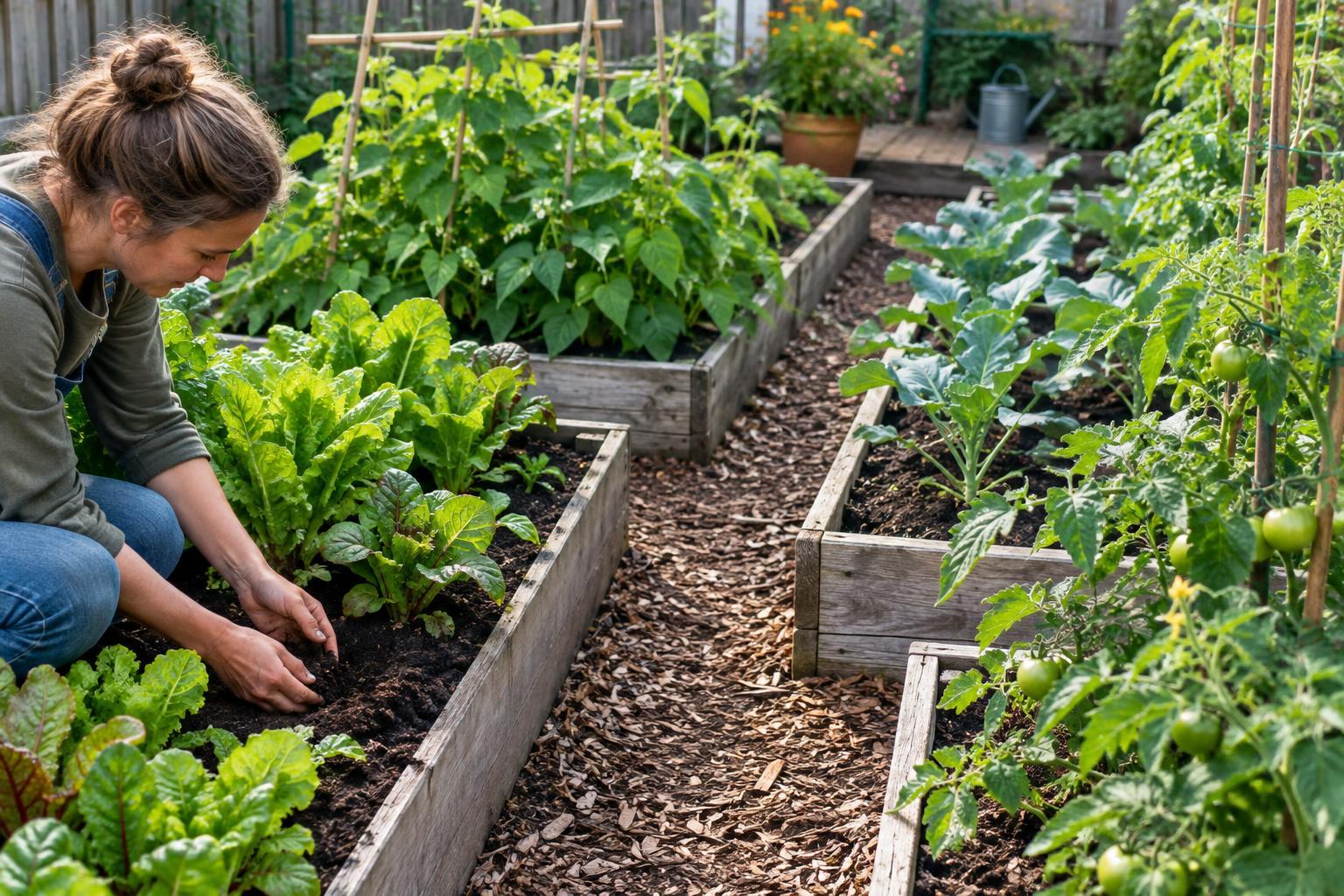
Start with a sketch showing beds, large containers and what grew in each area. Group related crops together on the plan, then try to move each group to a different bed the next time you plant it. If space allows, avoid returning the same family to a bed for several seasons. If it does not, do not force an elaborate schedule at the expense of sunlight, access or good growing conditions. A clear record and a modest change are more useful than a complicated plan nobody follows.
Containers can offer another option for a favorite crop when a bed has had a recurring problem, provided they have adequate volume, drainage and suitable growing mix. In a shared garden, keep a bed history where everyone can find it. Record the crop family, notable symptoms and what was done with affected plants. That makes it easier for the next gardener to make a deliberate choice rather than repeating a planting without knowing its history.
Pair rotation with everyday prevention
Begin with healthy transplants or seed, choose varieties suited to the site and give plants enough room for airflow. Water at the soil surface when practical, avoid working among wet plants if disease is a concern, and clean tools when moving between affected and unaffected areas. Remove badly diseased plant material rather than leaving it in the bed; follow the garden's rules for disposal and composting.
If a problem returns, note which plants are affected and when symptoms appear before changing the rotation plan. Similar-looking damage can have different causes. In a very small bed, improving drainage, managing weeds, changing a susceptible variety or growing a crop in a container may be more effective than shifting it a short distance. The goal is not a perfect rotation chart. It is a garden plan that responds to what you observe and reduces avoidable problems over time.