Plan for a sequence, not a single peak
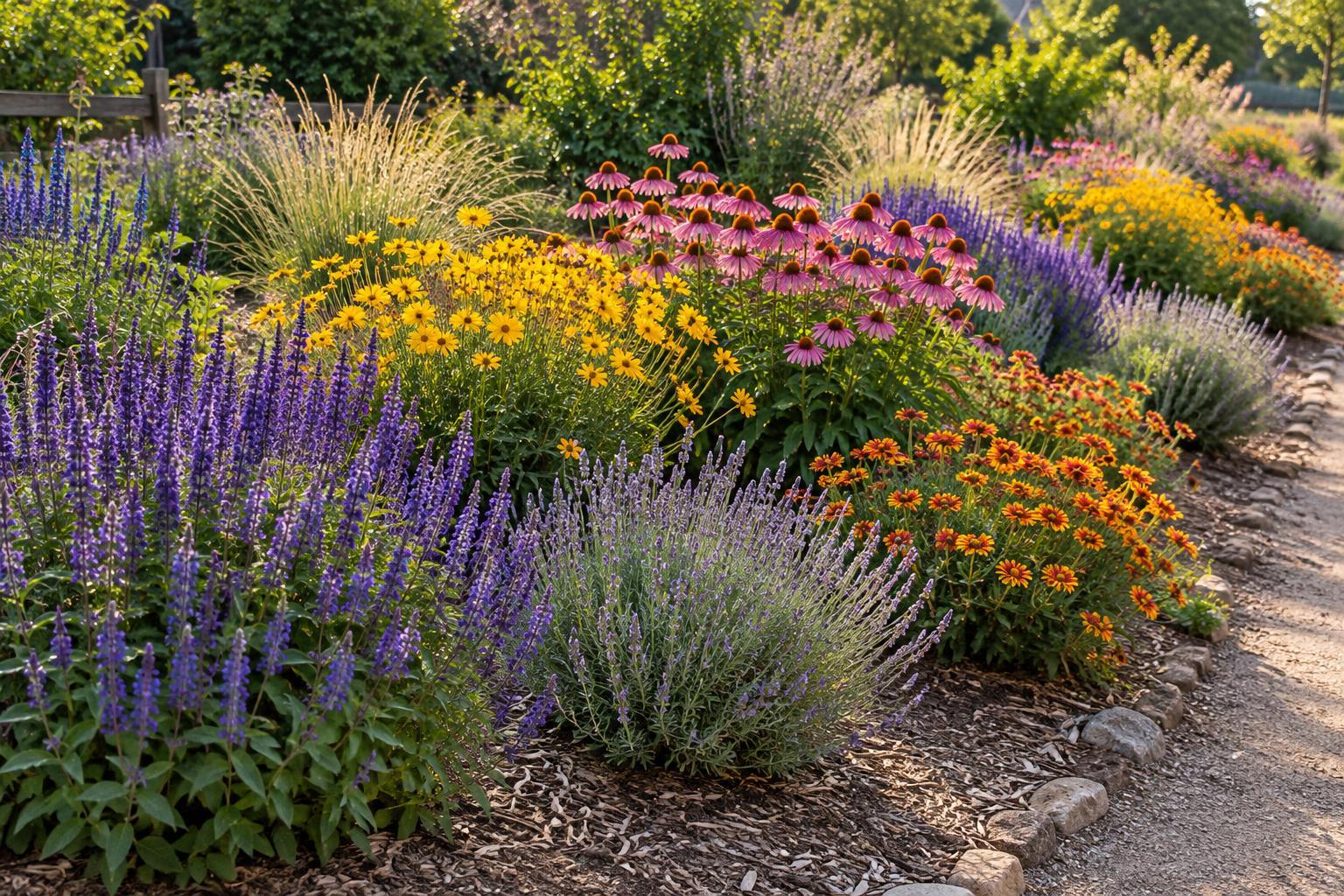
A bed full of flowers in midsummer can still leave long gaps in spring and fall. Start by sketching the growing season in three parts: early, middle, and late. Choose at least a few plants expected to flower in each period, allowing for overlap. Bloom times vary with climate, weather, and the varieties you grow, so treat plant labels as a starting point rather than a schedule.
Look at nearby trees, shrubs, and existing beds before buying anything. If spring flowers are already plentiful but the garden looks sparse later, prioritize late-blooming additions. For a new bed, include a mix of perennials that return and annuals that can fill gaps while perennials establish. Keep a simple notebook of what actually blooms each month; those observations will make next year’s choices more useful.
Choose flowers pollinators can use
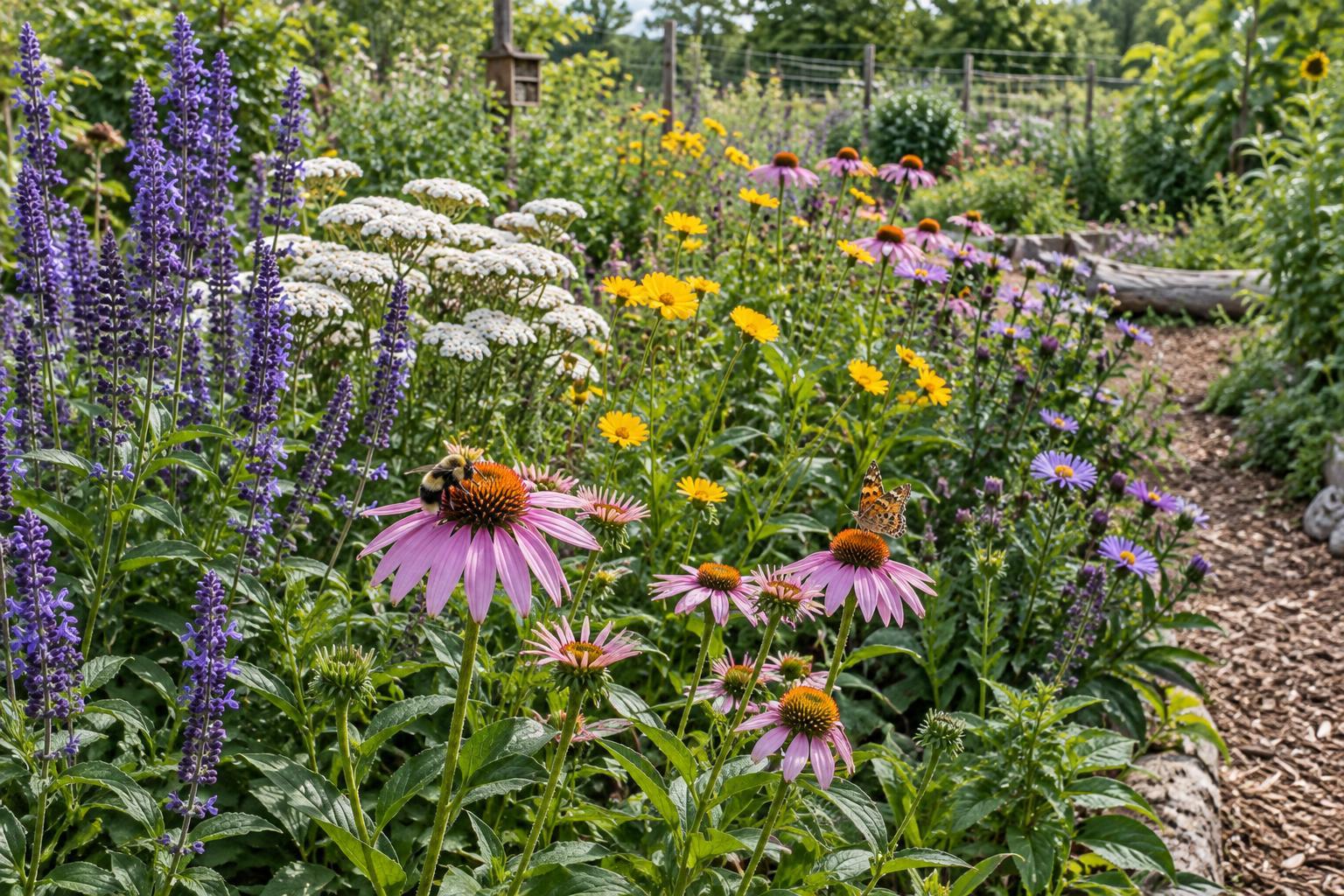
Flowers support different visitors in different ways. Bees gather nectar and pollen, while butterflies and other insects may use flowers mainly for nectar. A mix of flower shapes and sizes gives more visitors a chance to feed. Open, daisy-like flowers offer accessible landing places, while tubular blooms can serve visitors able to reach into them. Planting several of one kind together also makes a patch easier to find than scattering single plants throughout a large bed.
When comparing varieties, look closely at the flowers rather than relying on a “pollinator-friendly” label. Some heavily doubled flowers have extra petals that make their centers difficult to reach. Others may produce little accessible pollen or nectar. Simple-flowered forms are often a practical choice, though the usefulness of any particular variety can vary. If a plant is already growing nearby, spend a few minutes watching it in bloom before choosing more.
Let the site guide the plant list
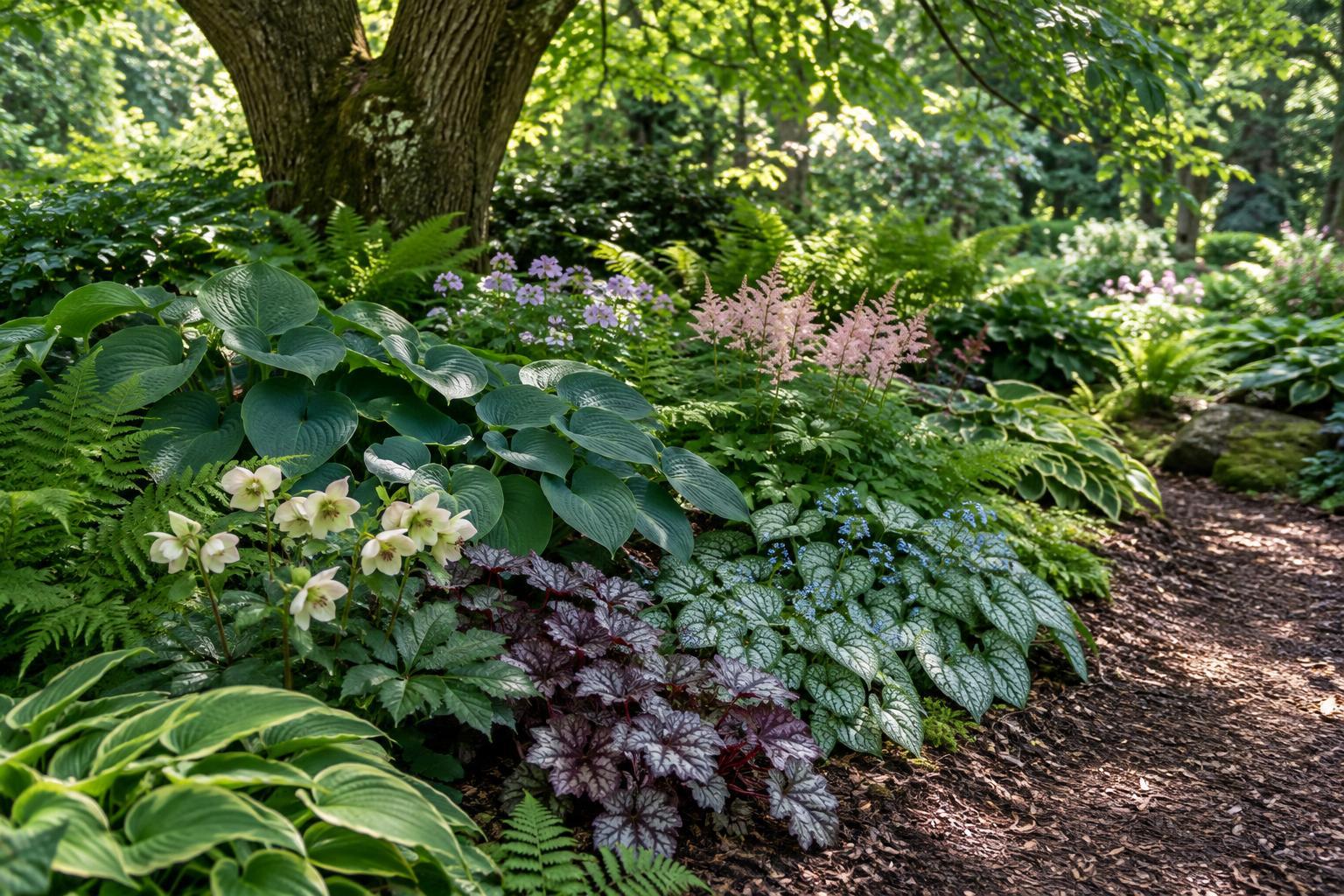
The best flower list depends on where the bed is. Note how many hours of direct sun it receives, whether the soil stays damp or dries quickly, and how much room mature plants will have. Match plants to those conditions instead of relying on frequent watering or pruning to keep unsuitable choices alive. Check mature height, too: tall flowers can shade shorter neighbors or lean into a shared path.
Locally native plants can be valuable additions because they are part of the surrounding ecosystem, but “native” is specific to a region. Use a plant’s scientific name when checking its range and growing needs, since common names can refer to different species. Avoid plants known to spread aggressively where you live, especially near natural areas. A well-chosen mix of native and other noninvasive garden flowers can provide both seasonal interest and a range of blooms.
Make a workable planting plan
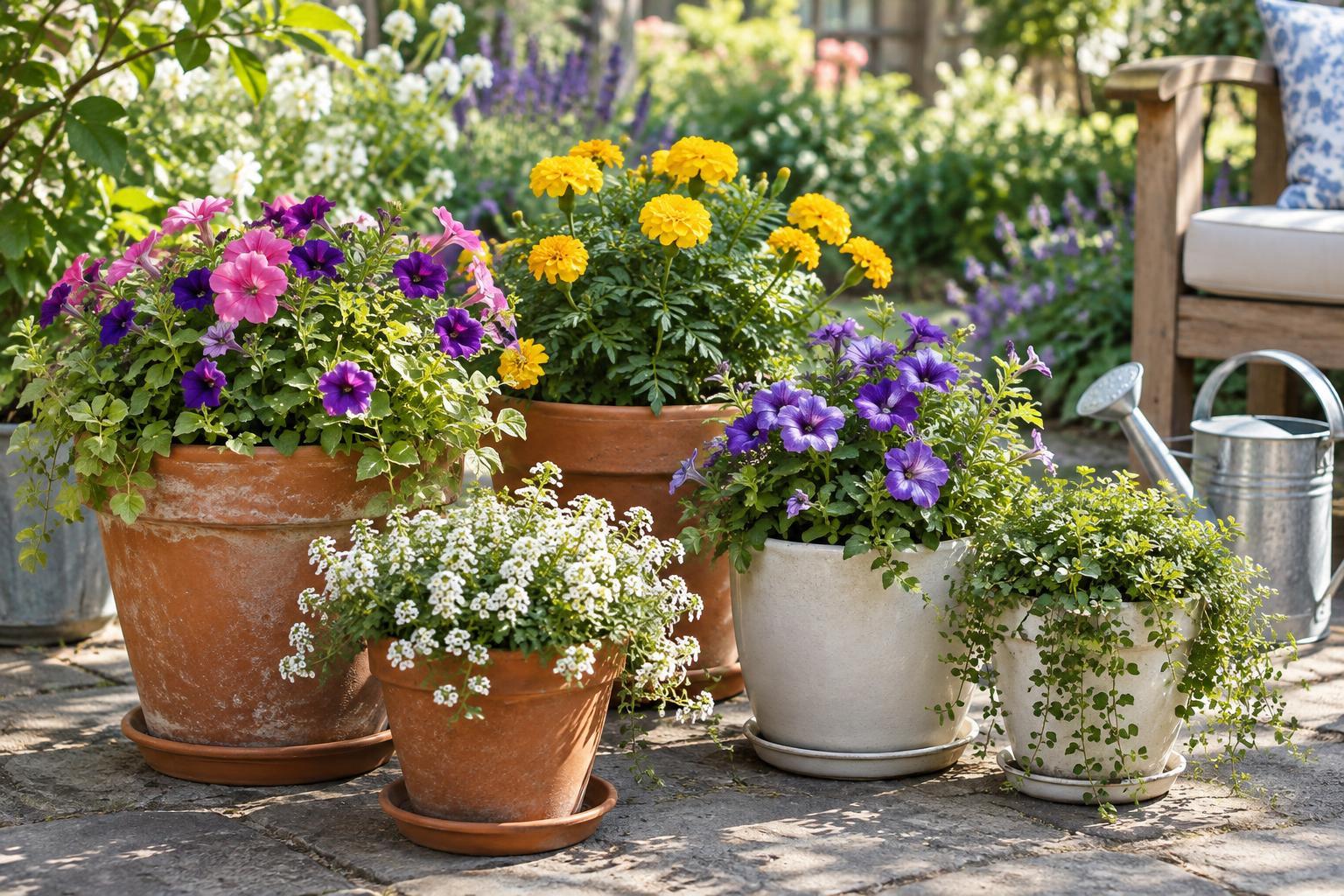
Before planting, draw a rough bed plan. Give each season a place: early bloomers near an edge where they will be noticed, summer flowers in the main display, and late bloomers where they can stand after other plants fade. Group plants with similar water needs. Leave enough space for their mature spread, while remembering that young perennials may take time to fill in. Temporary annuals can add flowers during that wait.
In a community garden, favor a plan that volunteers can understand at a glance. Label plants, leave clear access for watering and weeding, and agree on which seedlings should be allowed to remain. If several people choose plants, keep a shared list of bloom periods and site needs. This helps prevent a well-meaning planting day from producing a bed that flowers all at once.
Care for blooms and habitat together
Water new plants while their roots establish, then adjust care to the needs of each species and the weather. Mulch bare soil to help limit weeds and slow drying, but keep mulch away from plant crowns. Removing spent flowers can encourage some plants to bloom again; leave some seed heads where they are welcome for winter interest and wildlife. Not every plant needs the same treatment, so check its growth habit before cutting it back.
Try to manage pests without routinely spraying flowering plants. Observe the problem first, tolerate minor damage when possible, and choose targeted controls only when needed. Some pollinators also depend on places to nest or shelter, so a tidy garden need not mean stripping every stem and leaf away at season’s end. Keep paths safe and beds manageable, while leaving suitable undisturbed areas where your garden’s rules allow. A season-long pollinator garden is built through these small decisions as much as through the flowers themselves.