Start with the plot you have
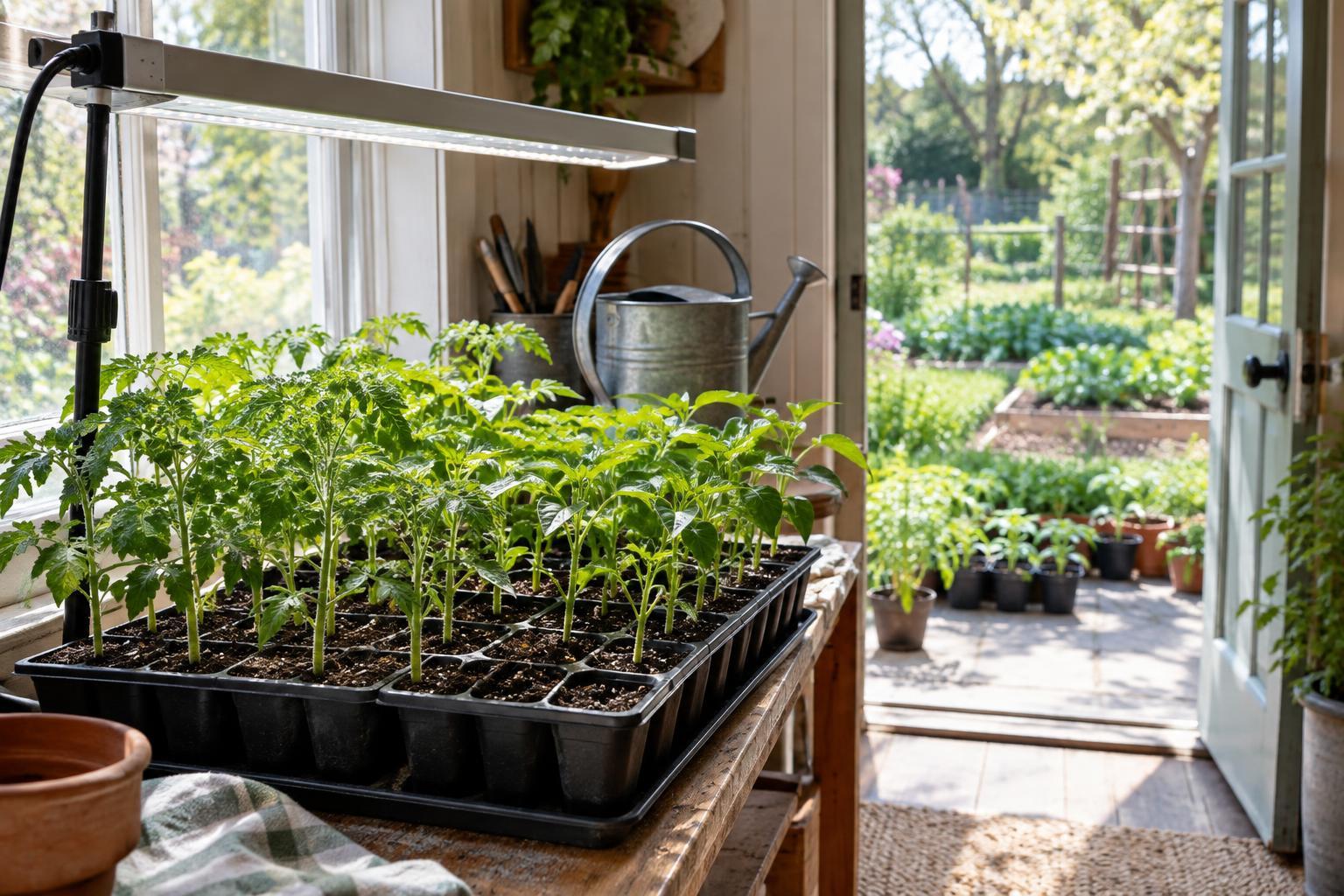
Before choosing seeds or starts, watch how sunlight moves across your plot. Note which areas receive direct sun in the morning and afternoon, and whether nearby trees, fences, or neighboring crops cast shade. Check again as the season progresses: a spot that is bright in spring may be shaded once trees leaf out or taller plants grow.
Tomatoes, peppers, squash, and many fruiting crops generally perform best with abundant direct sun. Leafy greens and some herbs are more forgiving of partial shade, though they still need useful light to grow well. If your plot is shaded for much of the day, plan for modest harvests rather than trying to force a sun-loving crop into an unsuitable spot. Where rules permit containers, a sunnier location nearby may offer another option.
Look below the surface, too. Soil that stays soggy, dries rapidly, or compacts underfoot will affect what you can grow and how often you need to tend it. Improve planting areas with compost where appropriate, keep paths distinct from beds, and make sure you can reach every crop without stepping on its roots. A simple sketch of the plot, including shaded areas and access paths, makes later decisions easier.
Choose the harvest before the plant
Ask what you or your household will actually eat, how often you can visit, and whether you want small, frequent pickings or a larger harvest at once. A few herbs near a path may be valuable if you cook with them regularly. Salad greens can reward frequent visits, while storage crops may better suit someone who wants to bring home a more substantial harvest on fewer occasions.
Crop choice also depends on the kind of work you enjoy. Pole beans need a sturdy support and regular picking, but they make use of vertical space. Bush beans need no tall trellis, yet occupy more ground for their height. A sprawling winter squash might give you a crop you love, but its vines can crowd a small plot and neighboring paths. The best choice is not always the crop with the biggest potential yield; it is the one you can care for and use.
If you are new to a plot, begin with a short list rather than a seed catalog’s worth of possibilities. Choose one or two familiar crops, one quick crop, and perhaps one experiment. This leaves room to learn how the site behaves without committing every square foot before you know what works.
Fit plants into the space they will need later
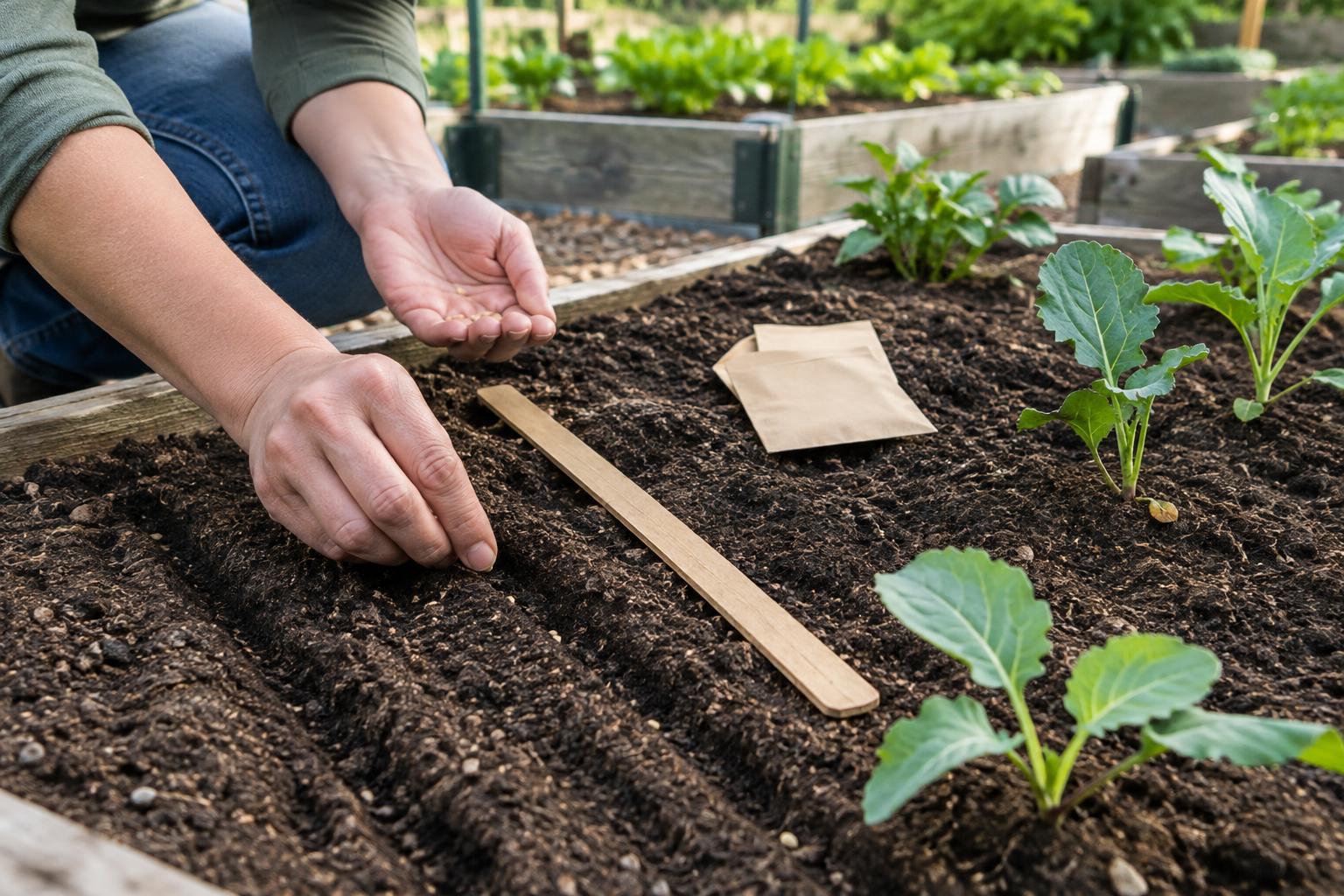
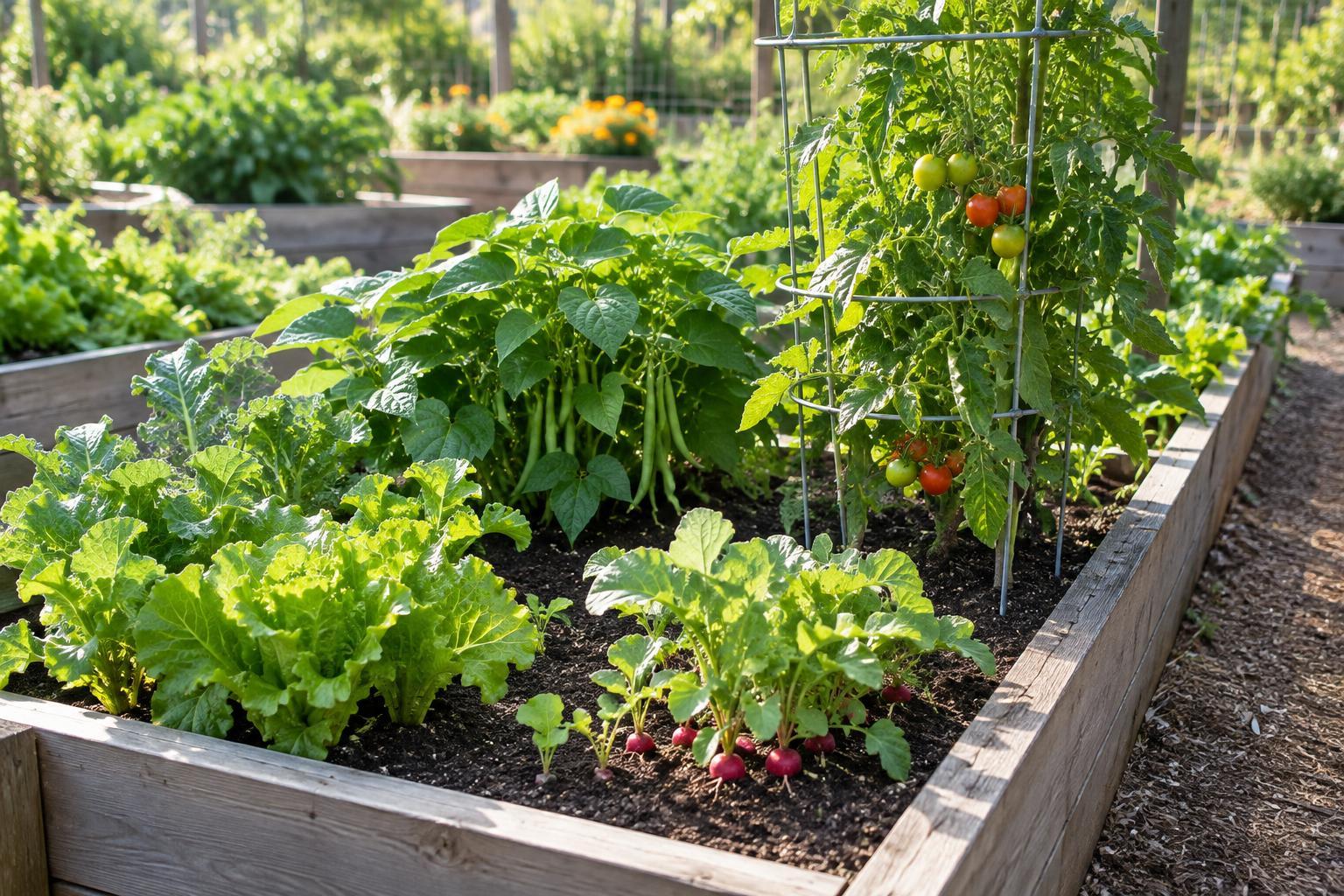
A seedling’s size is a poor guide to its eventual footprint. Read the spacing guidance on the seed packet or plant label, then consider how you will reach the crop to water, weed, and harvest it. Crowding may make a bed look productive at first, but poor airflow and difficult access can create problems later. Give large plants enough room, and avoid placing tall crops where they will shade shorter neighbors.
Vertical supports can help a small plot work harder, particularly for crops suited to climbing. Put trellises where you can secure them properly and reach both sides for picking. In a shared garden, check height, placement, and structure rules before building one. Compact varieties can also be useful, but “compact” does not mean maintenance-free: plants still need appropriate spacing, water, and attention.
Think of paths and edges as working space, not wasted space. If a plant sprawls into a walkway, it may be damaged or become an obstacle for others. A plot that is easy to move through is often easier to keep productive than one planted to every inch.
Plan for a sequence of harvests
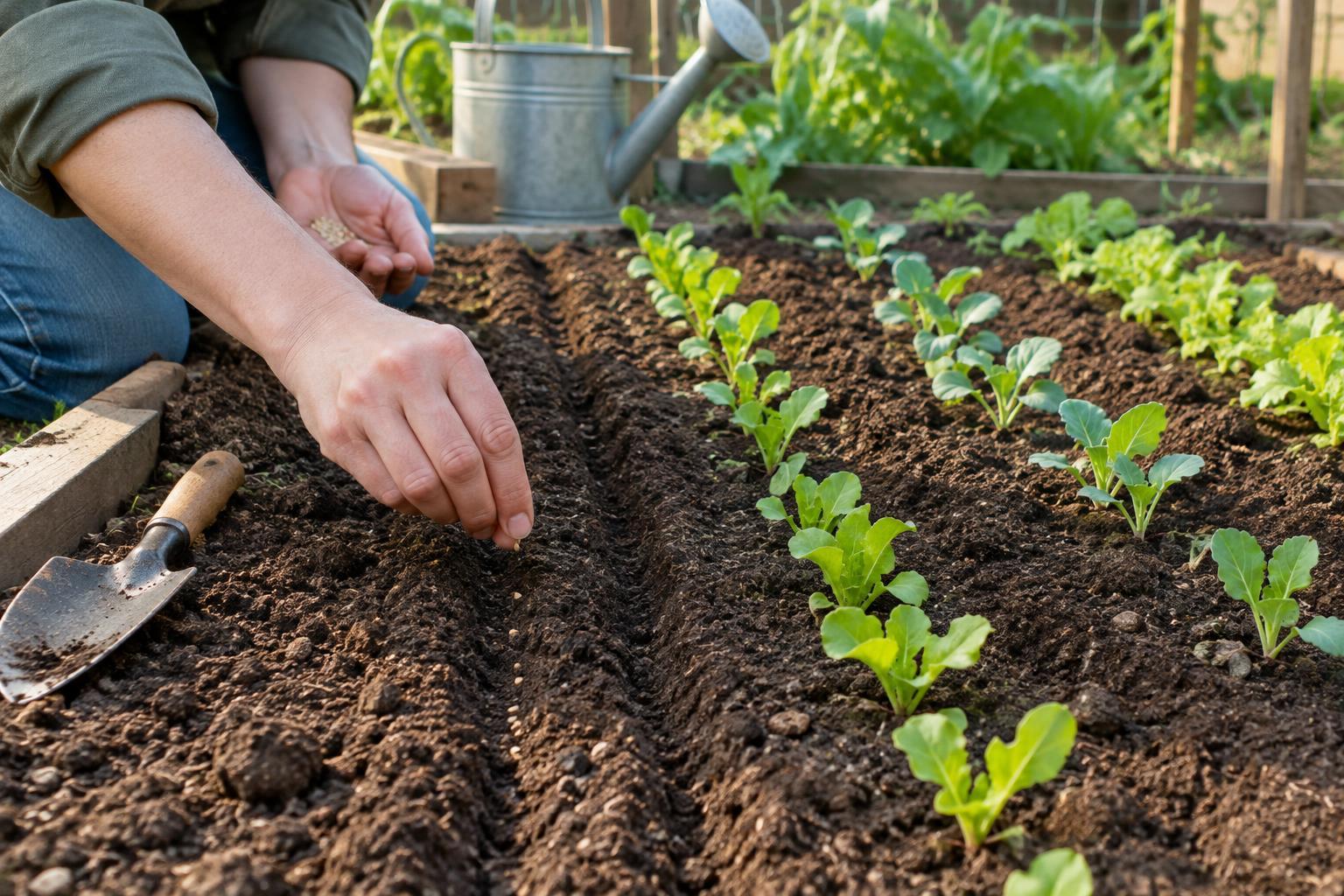
Small plots can change over the season. Quick-growing crops such as radishes or salad greens may be harvested before slower plants need all their allotted room. After a crop finishes, clear its remains and decide whether there is enough suitable growing time for another planting. Local conditions, weather, and the crop’s time to maturity all matter more than a rigid calendar.
It helps to balance short-lived crops with plants that produce over a longer period. A bed devoted entirely to crops that mature together may leave you with more food than you can use at once and empty space afterward. Staggering small sowings, when conditions suit the crop, can spread out the harvest and the work. Leave a little flexibility in the plan so you can replace a failed planting or try something new.
Make a plan you can maintain
Before planting, mark each crop on your sketch at its expected mature size and note when you hope to harvest it. Keep the first plan simple enough to water and inspect on the days you can realistically visit. Mulch where suitable to help manage weeds and soil moisture, and check plants regularly so you can respond to problems while they are small.
In a community garden, the most successful layout also respects shared boundaries. Keep vigorous plants within your plot, coordinate any structure that might shade a neighbor, and learn how shared water, compost, and paths are managed. At the end of the season, jot down what grew well, what you enjoyed eating, and what demanded too much space. Those notes will make next season’s crop choices more confident and more personal.