Why a winter mulch check matters
A winter mulch layer helps moderate changes in soil temperature. It does not keep the ground warm all season, but it can slow the repeated freezing and thawing that disturbs shallow roots. Wind, runoff, animals, and routine foot traffic can also move mulch away from the plants it was meant to protect. A short check during a mild spell can reveal gaps before roots spend more time exposed.
Frost heave happens when freezing soil expands and lifts a plant or its root ball. As the soil thaws, it may settle without carrying the plant back down. Newly planted perennials and plants with shallow root systems can be particularly vulnerable because their roots have had less time to anchor. Heaving is not always obvious from a distance, so look closely before deciding a bed needs work.
Look for lifted crowns and exposed roots
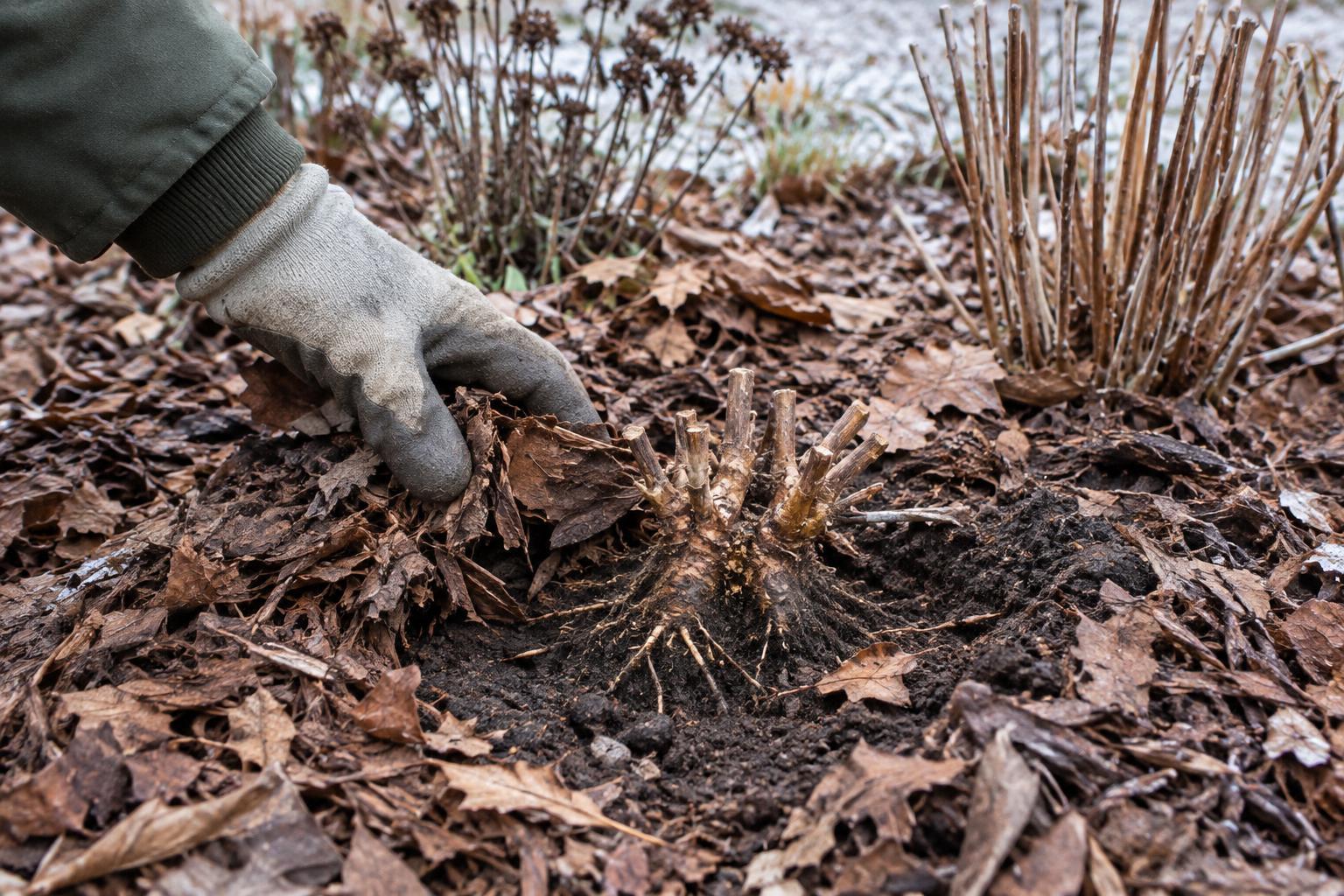
Choose a time when paths are safe and you can reach the bed without stepping on it. Compare each plant with the surrounding soil. A perennial that appears perched on a small mound, tilted to one side, or separated from the soil by a visible gap may have heaved. You might see fine roots at the surface or a root ball outlined where the earth has pulled away. Mark questionable plants so you can check them again after the next thaw.
Not every visible crown is a problem. Some perennials naturally keep their crowns near the surface, and old stems can make a dormant plant look taller than it is. Check whether the roots, rather than just the stems, are exposed. Also note where mulch has piled against a crown or collected in a dense, wet mat. Both bare soil and smothered crowns deserve attention, though neither calls for forceful digging in frozen ground.
Make small repairs when the soil is workable
If the soil is frozen, resist the urge to push a lifted plant back into place. Pressure can break brittle roots or stems. You can loosely cover exposed roots with available mulch as a temporary shield, keeping the material off the crown itself. Return when the surface has thawed enough to move gently. Avoid working the bed when thawed soil is saturated and easily compressed.
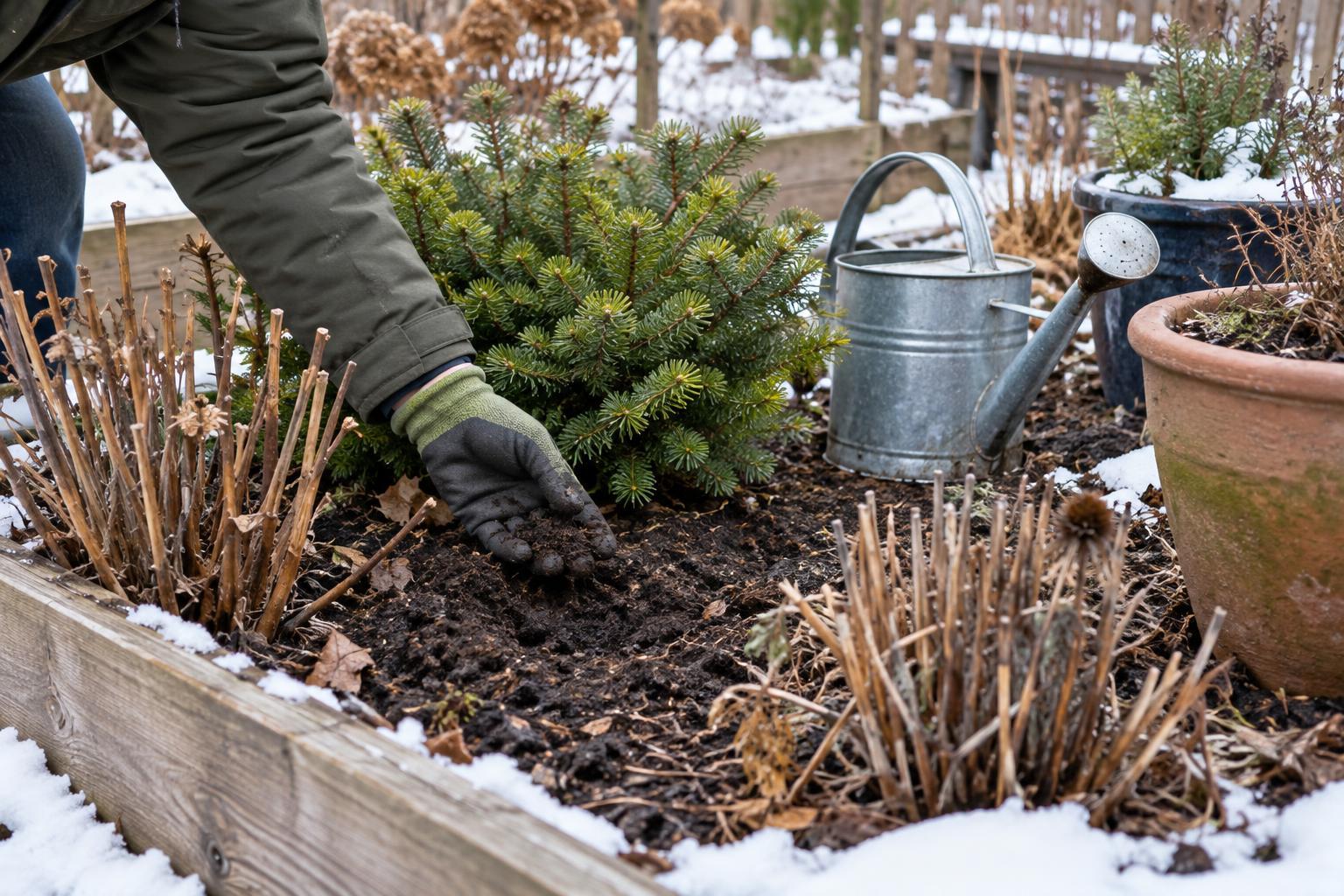
When the soil is workable, clear mulch from the plant and inspect its position. If the root ball has lifted, gently firm it back into contact with the surrounding soil, adding a little loose soil around exposed roots if needed. Aim to restore the plant’s original planting depth rather than burying its crown. If the root ball will not settle without force, leave it protected and revisit it during a more thorough spring check. Water only if the ground is thawed and the soil is dry enough to need it.
Put mulch back where it helps
After checking the plant, spread mulch over the surrounding root zone in a loose, even layer. A few inches is often enough for an established bed, but the appropriate depth depends on the material and the plant. Keep mulch from pressing against crowns and woody stems, where trapped moisture may cause trouble. Break up compacted clumps rather than stacking more material on top of them.
If a bed repeatedly loses mulch, look for the cause before adding more. Water flowing off a path may carry light material downhill; wind may sweep it from an exposed edge. Redirecting foot traffic or using a coarser mulch may help it stay in place. Mulch cannot correct poor drainage, however. If a perennial sits in a persistently wet spot, note that for a later planting decision rather than trying to solve it with a deeper layer.
Keep the task manageable in a shared garden
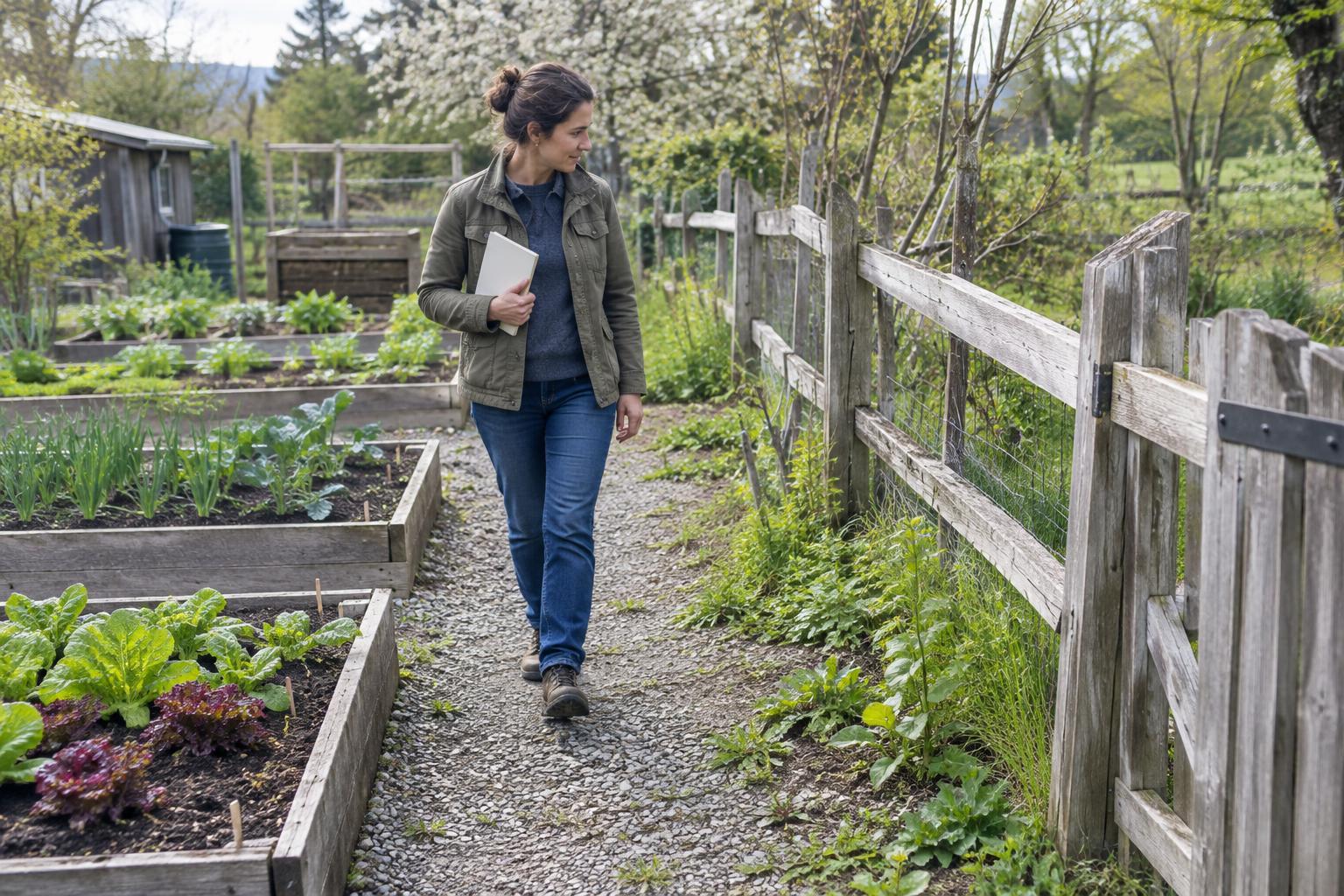
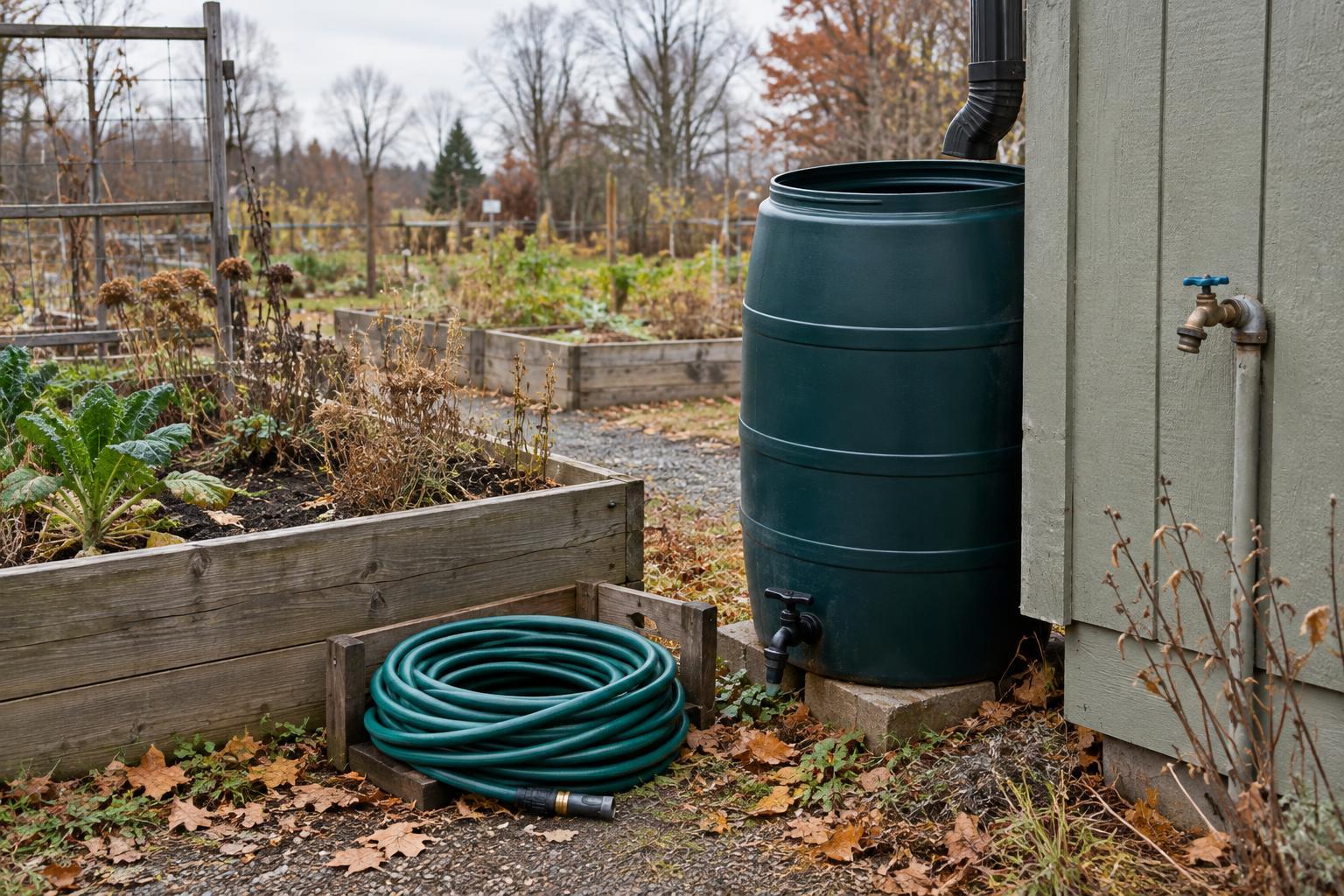
In a community bed, make winter checks simple and consistent. Record which plants were lifted, which had exposed roots, and which were merely missing mulch. A small marker or shared note can prevent several volunteers from disturbing the same dormant plant. Agree on where spare mulch is stored and which paths to use so repairs do not compact wet planting areas.
One inspection is not a guarantee for the rest of winter. Recheck vulnerable plants after noticeable freeze-thaw periods, especially recent transplants and plants near exposed bed edges. The goal is modest: keep roots covered, crowns clear, and plants in reasonable contact with the soil until active growth makes their condition easier to judge.