Start with the garden plan, not a shopping list
A useful budget begins with a simple description of the garden: how many growing areas it will have, who can use them, where water will come from, and which tasks the group will handle together. A few in-ground plots on an established site may need very different purchases from raised beds on a site without tool storage. Listing the features the group hopes to provide helps separate essentials from improvements that can wait.
Before assigning amounts, confirm what is already available and what the group is allowed to install. Ask the landholder about water access, storage, structures, site restoration, and any required permissions. Identify whether tools, compost, or delivery help have genuinely been offered rather than counting on hoped-for donations. A budget built around unconfirmed resources can leave the garden short of what it needs to open.
Separate startup costs from annual expenses
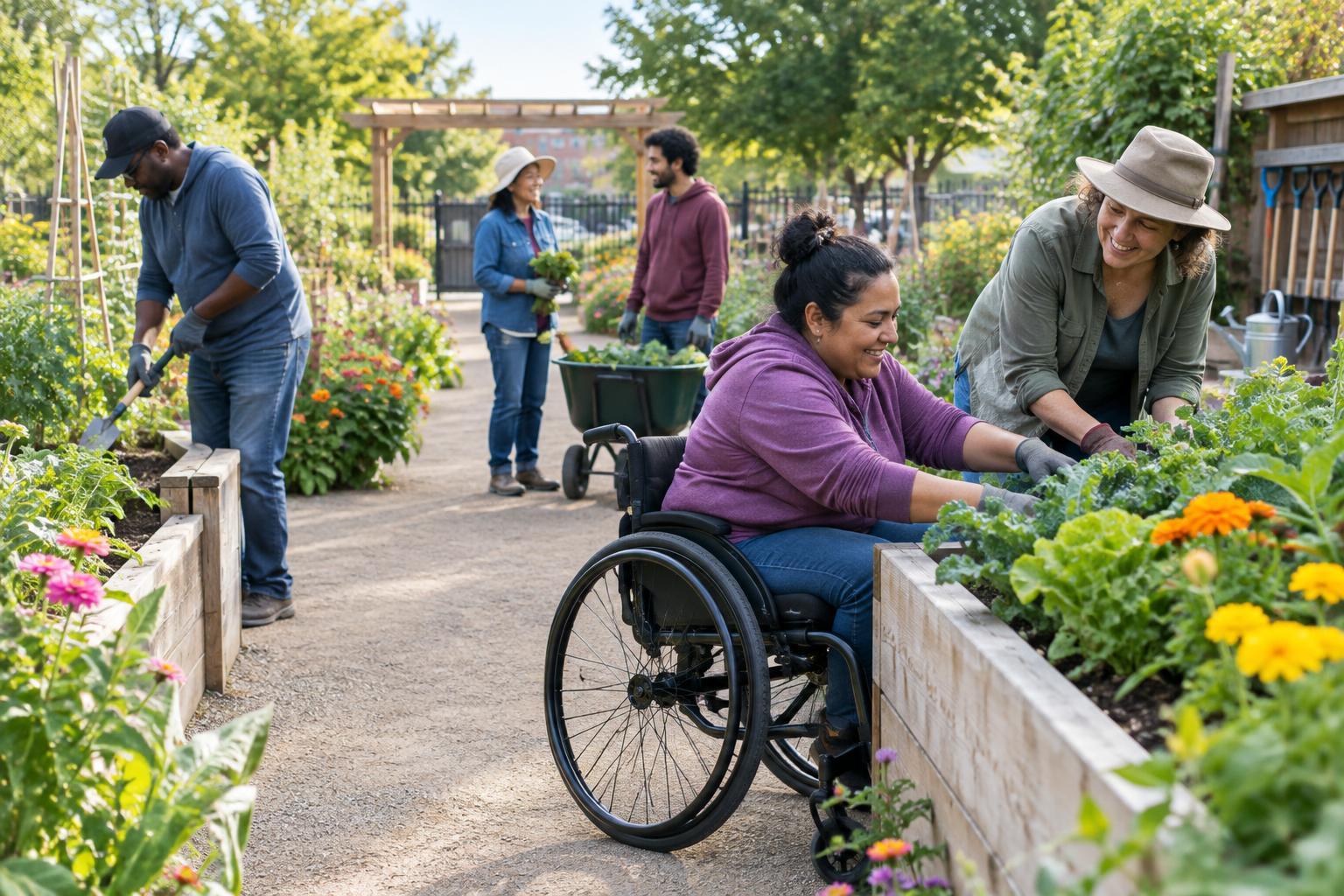
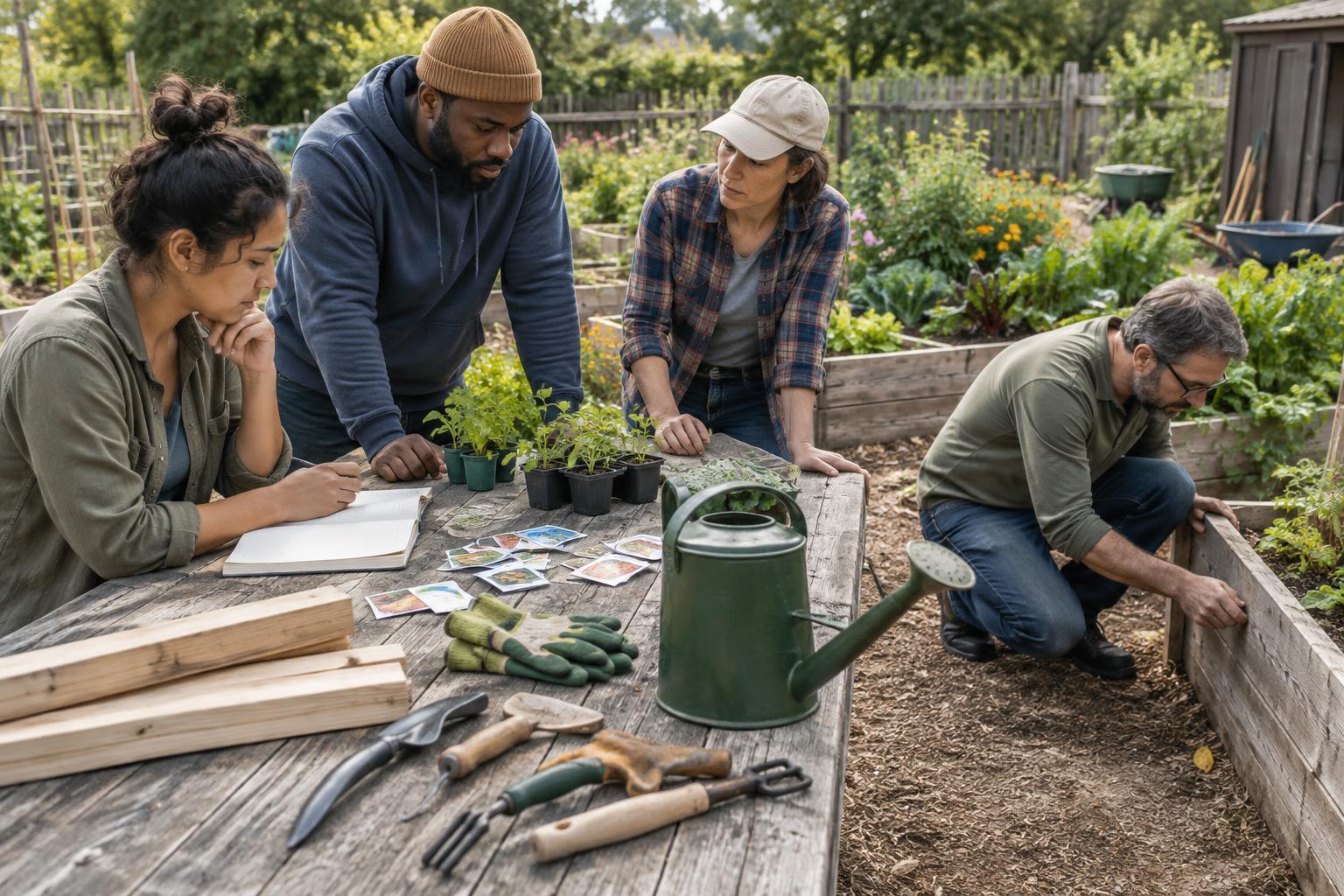
Startup costs are the purchases and site work needed to make the garden usable. Depending on the site, these may include soil testing, bed materials, soil or compost, paths, a water connection, hoses, shared tools, storage, signs, and gathering or seating areas. Delivery charges and small supplies such as fasteners can be easy to overlook. If accessibility is a goal, include suitable path and bed design in the initial plan rather than treating it only as a later upgrade.
Annual expenses are the costs of keeping the space working. These might include water, compost or mulch, seeds for shared areas, tool repair, hose fittings, replacement gloves, printing, and fees connected with the site or the garden’s activities. Some items will not be needed every year, but they still belong in the long-term plan. A tool shed, for example, may require maintenance well before it needs replacing.
Keep donated goods and volunteer work on a separate list. They show how the community supports the garden, but they are not cash available to pay a bill. Note any conditions attached to a donation, such as a requirement to use it for a particular project. This makes it easier to see the garden’s actual spending needs if a donor or volunteer cannot help the following season.
Estimate costs with a few workable scenarios
For each proposed purchase, record a description, quantity, estimated cost, and whether it is essential for opening. Gather prices from suppliers the group could realistically use, and include delivery or transport where relevant. When a price is uncertain, label it as an estimate rather than presenting the draft budget as a final bill.
It can help to prepare a basic opening plan alongside a fuller plan. The basic version might provide safe access, growing space, water, and shared tools; the fuller version might add features that can wait until funding is secure. If costs come in higher than expected, the group can reduce the first phase or build fewer beds without losing sight of the garden’s purpose. Avoid cutting an essential item from the budget while leaving the work itself in the plan.
Build a reserve for repairs and surprises
A reserve is money set aside rather than committed to routine purchases. It can help the group respond when a hose fails, a tool disappears, or a necessary repair costs more than expected. The right amount depends on the garden’s equipment, site responsibilities, and ability to raise money quickly. Make a list of items likely to wear out, estimate what replacing them would cost, and use that list to guide a reserve target the group can review each year.
Keep the reserve distinct from money already promised for a project. The group should agree on what qualifies as a reserve expense, who may approve its use, and how it will be replenished. If the garden has a large future obligation, such as replacing beds or storage, consider tracking that goal separately so a series of small emergencies does not quietly consume the replacement fund.
Make the budget easy to use and review
A budget is most helpful when gardeners can understand it. Use clear categories, record income and spending as they occur, keep receipts, and provide regular summaries to the people responsible for the garden. Decide in advance who can approve purchases and how volunteers will be reimbursed. Clear procedures reduce confusion, especially when several people buy supplies during a busy planting season.
Review the plan after the first growing season and before each new one. Compare estimated costs with what the garden actually spent, note supplies that lasted longer or wore out sooner than expected, and ask gardeners which shared resources were most useful. That routine turns the budget into a practical record of the garden’s needs, rather than a one-time fundraising wish list.