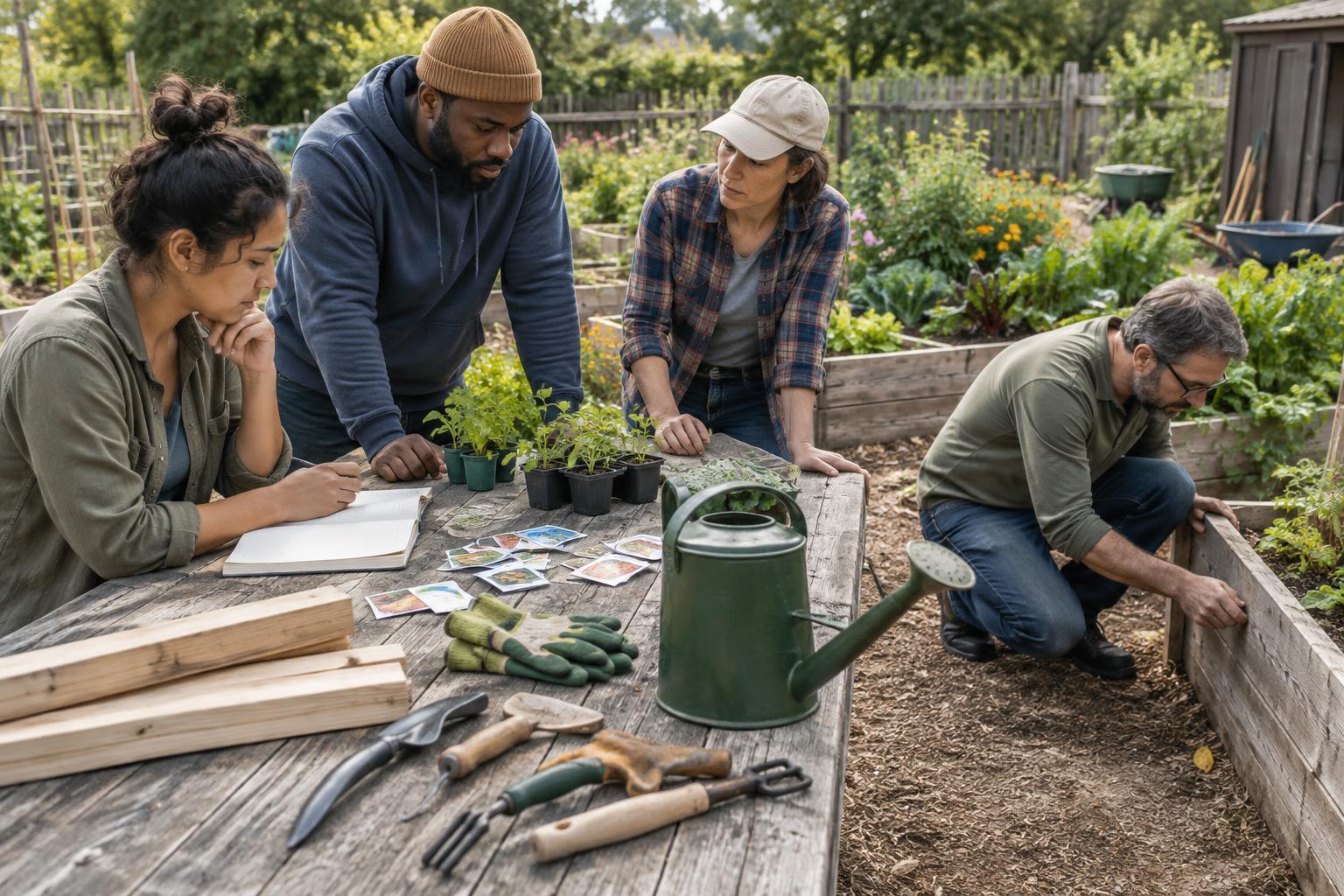
Start with rules people can see
A shared garden often has more interest than available space. Fairness does not require a complicated system, but it does require a system that is written down and applied consistently. Before opening applications, decide who may apply, how many plots one household may hold, whether there is a fee, and what responsibilities come with a plot. Put this information where prospective gardeners can find it, along with the opening date, deadline, and expected date for assignments.
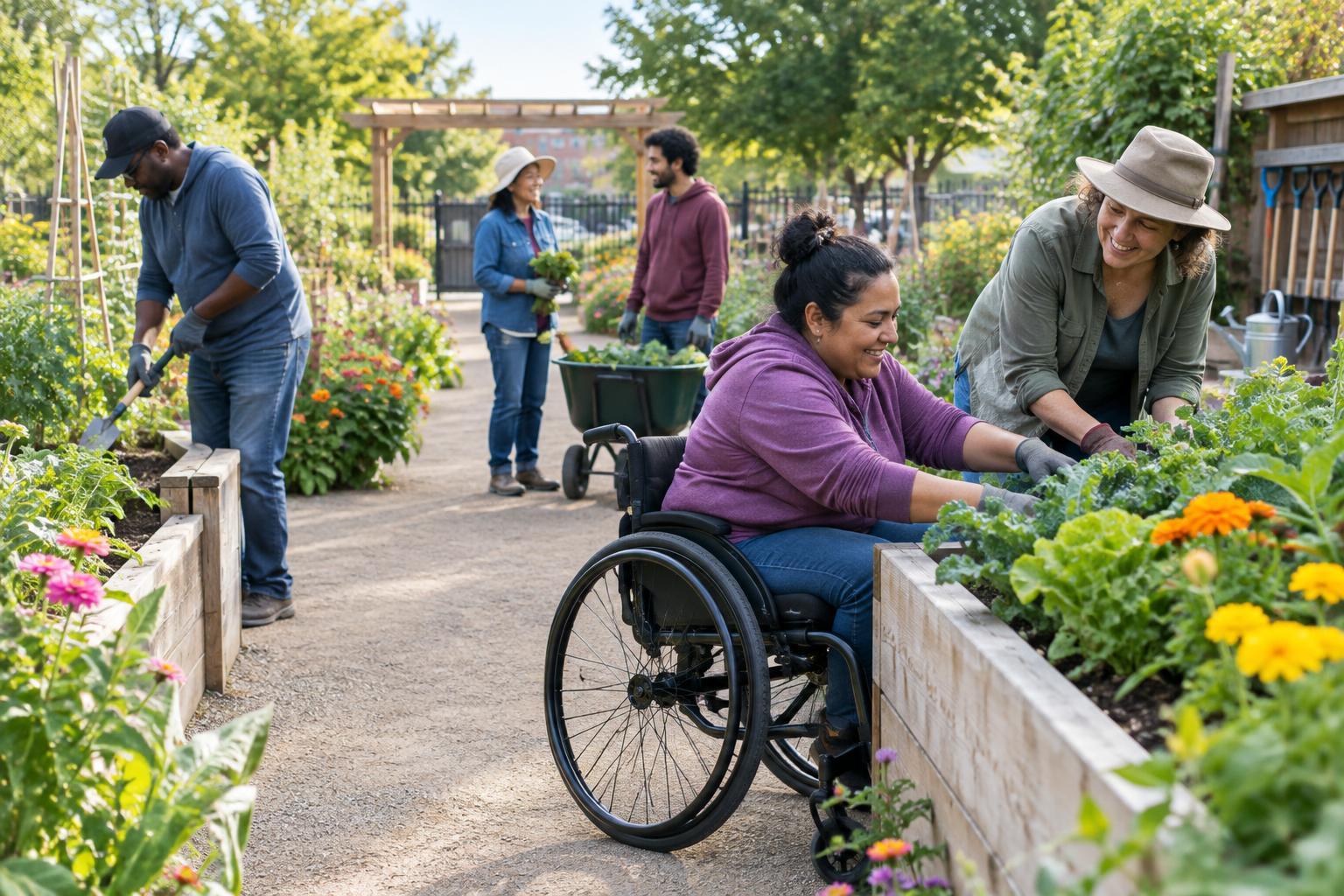
Make the garden’s purpose part of the decision. A neighborhood garden might give priority to nearby residents; a garden with accessible beds might reserve those beds for people who need them. State any priorities in advance rather than creating exceptions after applications arrive. Keep requirements relevant to gardening, and offer more than one way to apply when possible so that an online form is not the only route in.
Make applications simple and assignments consistent
Ask only for information needed to contact applicants, check eligibility, match them with a suitable space, and explain garden expectations. A name, contact method, household or group name, plot-size preference, and accessibility needs may be enough. Tell applicants who can see their information and how it will be used. Avoid asking for personal details that do not help assign a plot.
Choose an assignment method before reviewing applications. A first-come, first-served system is easy to understand but can disadvantage people who hear about openings later. A lottery among applications received by a stated deadline gives everyone in that window an equal chance. Either can work if the rules are public. If the garden uses priority groups, explain their order and how applicants within each group are selected. Record decisions so organizers can answer questions without relying on memory.
Keep the waitlist useful
A waitlist should be an active tool, not a collection of names that never gets checked. Tell applicants how their place is determined, whether the list carries into the next season, and how they will be contacted when a plot opens. If the garden offers a plot, give the person a reasonable, stated time to respond before moving to the next eligible applicant. Use the same response window for everyone unless a published rule says otherwise.
Review contact details at a predictable interval and let people know when they need to confirm continued interest. Remove duplicate entries and record offers, responses, and declined plots. Someone who turns down a space because its size or accessibility does not meet a need should not automatically be treated the same as someone who no longer wants to garden; decide and publish how those situations affect waitlist position. Share general updates without posting applicants’ private information.
Set renewal expectations before the season ends
Existing gardeners provide continuity, but automatic renewals can leave newcomers waiting indefinitely. Choose a renewal policy that fits the garden’s goals and available space. Options include allowing one plot per returning household, setting a renewal deadline, offering smaller plots when demand is high, or assigning a portion of plots to new gardeners each season. Explain the policy at the start of the gardening year, not when people are already preparing to reapply.
If renewal depends on maintenance or participation, describe what that means in observable terms. For example, rules might address keeping paths clear, tending crops regularly, or attending a shared work session when able. Give gardeners notice of a concern and a chance to resolve it before denying renewal. Weather, illness, and changing responsibilities can disrupt a season; a clear process allows for reasonable flexibility without making decisions arbitrary.
Build trust through communication
After assignments, send each applicant a clear result: a plot offer, a waitlist notice, or an explanation that they are not eligible under the published rules. Include the next step and a contact person for questions. When a plot becomes vacant midseason, follow the same assignment process rather than filling it through an informal conversation. A short, private record of offers and decisions helps future volunteer coordinators continue the process consistently.
At season’s end, review what caused confusion. Were deadlines easy to find? Did many offers go unanswered? Were some plot types in greater demand than others? Invite feedback from both current gardeners and people still waiting. Small changes to forms, reminders, or plot sizes may make the next round smoother. Publish any rule changes before the next application period so everyone starts with the same information.