Start with the difference in lifespan
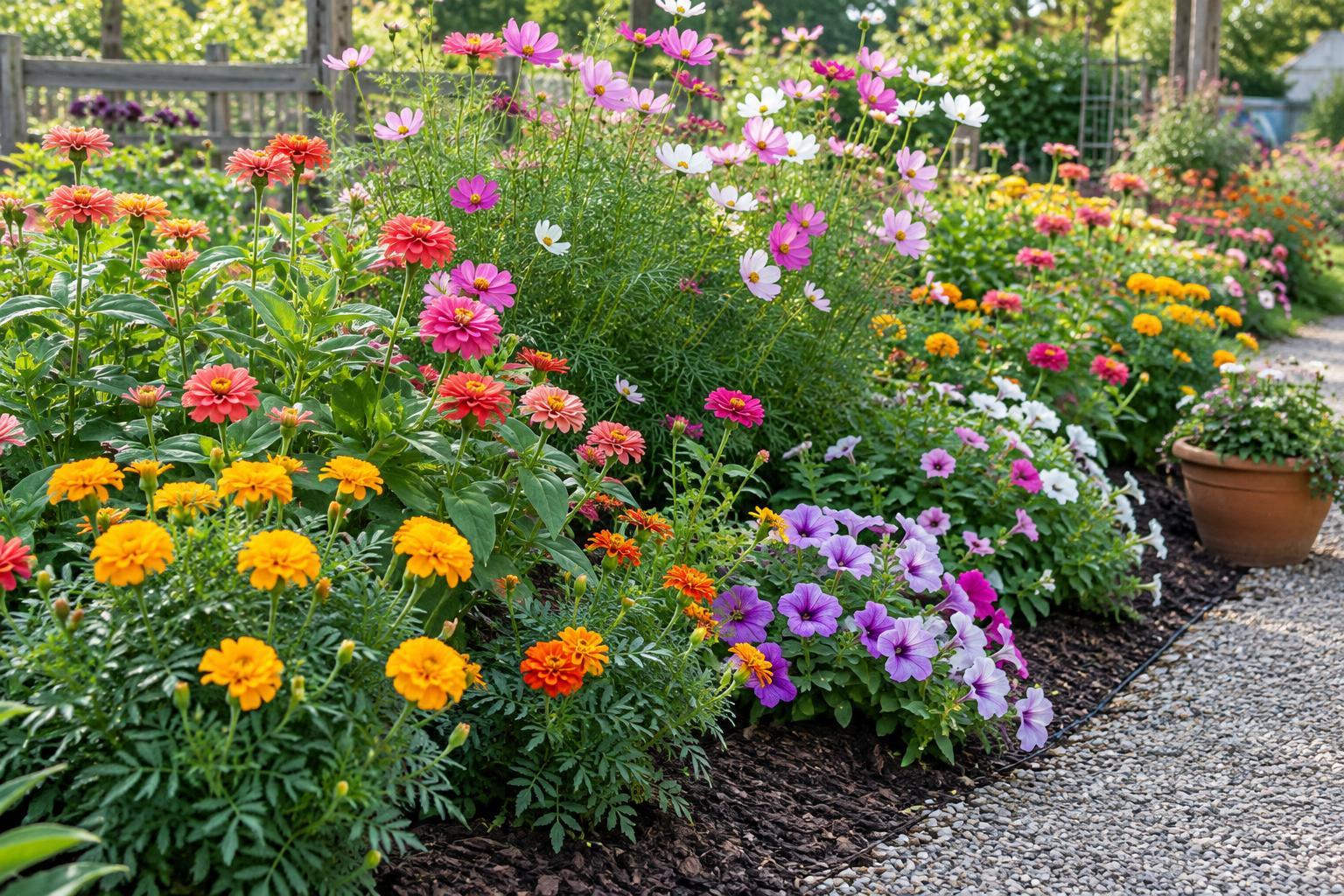
An annual completes its life cycle in one growing season. It sprouts, flowers, produces seed and dies. Gardeners usually plant annuals each year from seed or starts, making them useful when you want to try a new color scheme or fill an empty space quickly. Zinnias and cosmos are familiar examples grown as annuals in many gardens.
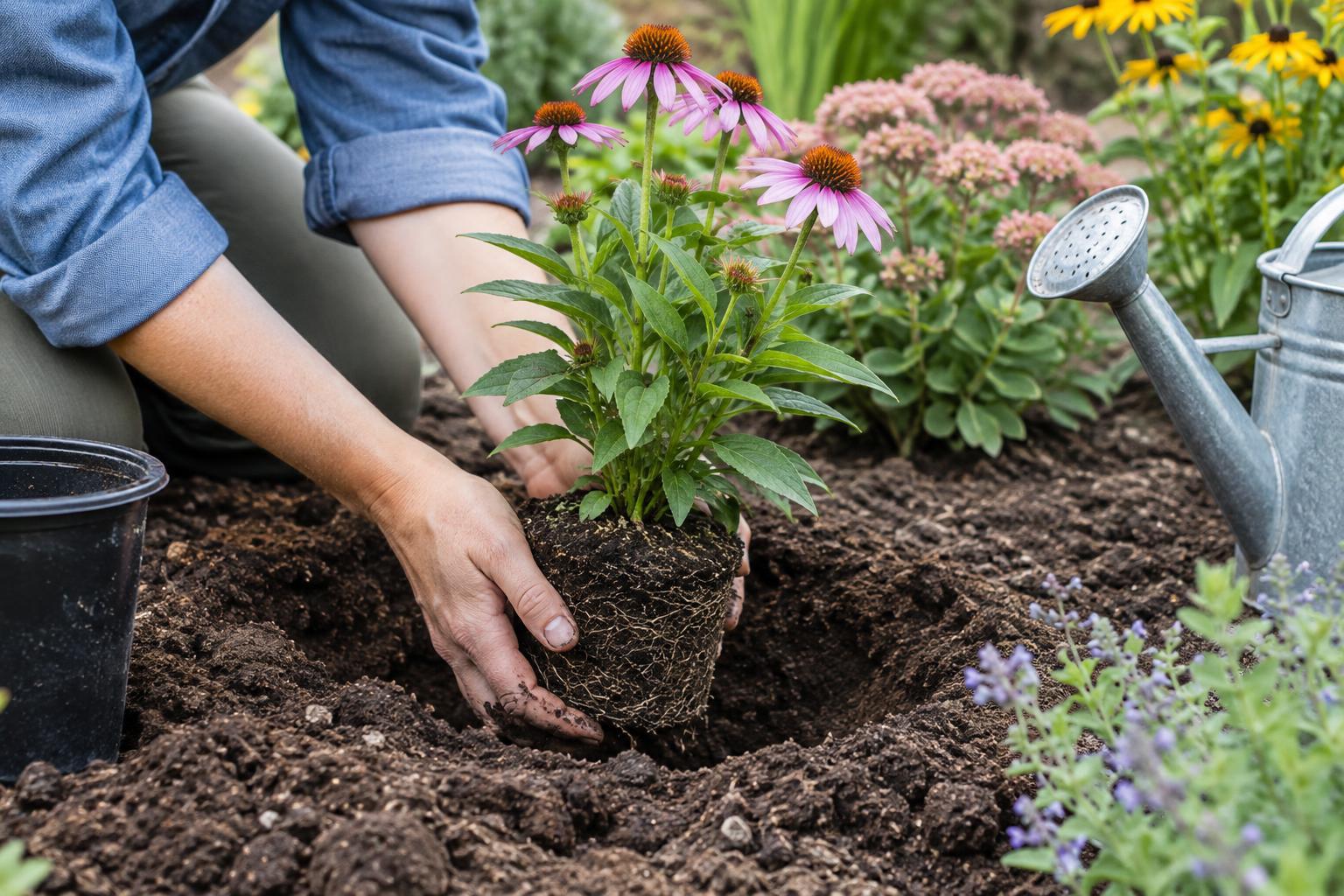
A perennial can live for more than two years when conditions suit it. Its top growth may die back during a cold season, then return from its roots or crown. Perennials do not necessarily flower all season: many have a distinct bloom period, followed by foliage or seed heads. They also vary in lifespan and reliability. A plant sold as a perennial elsewhere may not survive winter in your garden, so check its cold tolerance before counting on it to return.
You may also encounter biennials, which typically grow leaves in their first year, flower in their second and then die. Some tender perennials are grown as annuals where winters are too cold. These labels describe a plant’s life cycle, but your local conditions determine how it behaves in your bed.
Match flowers to the site before choosing a type
Begin by observing how much direct sun the planting area receives and whether the soil stays damp or dries quickly. Note where water collects after rain, where roots from nearby trees compete for moisture and how much room plants have at maturity. Neither annuals nor perennials will perform well simply because they belong to the “right” category; each species has its own needs.
For a new bed, assess the soil before making large changes. Loosen compacted ground where appropriate and add finished compost if the soil would benefit from organic matter. Avoid assuming that every flower needs rich soil: some plants flower best in leaner, well-drained conditions. Plant labels can help you compare mature width, light requirements and spacing, but leave room to adjust as you learn how a variety grows in your space.
In a shared garden, consider the people using the paths as well as the plants. Tall stems may need support where passersby could brush against them. Flowers near vegetables should not block access for watering or harvest. If the bed is maintained by several volunteers, choose plants whose watering and cleanup needs the group can realistically meet.
Use annuals for flexibility and perennials for structure
Annuals are helpful when a bed is new or its long-term layout is uncertain. You can sow or plant them around young perennials while those plants grow into their allotted space. Many annuals will keep producing flowers when given suitable water and light, though some benefit from removing spent blooms. Because they must be replaced or allowed to reseed, account for the time and cost of starting them again.
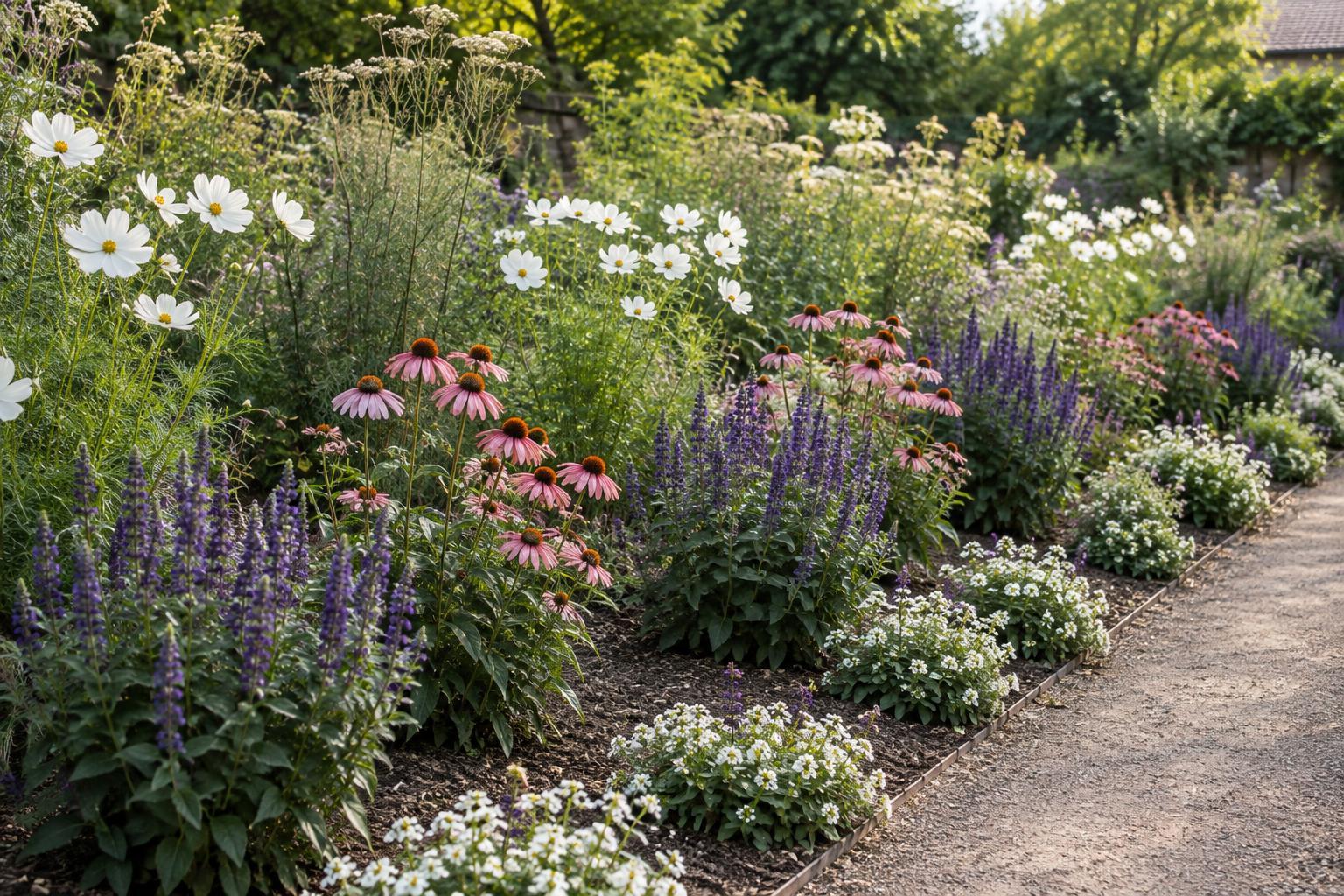
Perennials can provide a repeating framework. Once established, a suitable plant may return without replanting, and a group of the same flower can give a bed a cohesive look. That does not mean it is maintenance-free. Depending on the plant, you may need to cut back old stems, divide crowded clumps, provide support or manage seedlings that spread beyond their space.
For steady visual interest, plan around bloom times rather than relying only on a plant’s lifespan. Combine plants that flower at different points in the growing season, and consider foliage texture and form for the weeks between blooms. A modest number of well-chosen varieties is often easier to care for than a crowded collection with conflicting needs.
Build a mix that fits your maintenance time
Try placing perennials where you want a lasting shape, then use annuals in gaps, containers or prominent spots you enjoy changing. Before buying, sketch the bed at mature plant size. Group flowers with similar water and light needs so one area does not require opposing care routines. In containers, check moisture more often: the growing mix can dry faster than soil in the ground.
If you hope to welcome pollinators, include several kinds of flowers with accessible blooms across the growing season. Locally suited flowering plants may be valuable additions, but no single species is right for every site or pollinator. Where possible, avoid treating flowers with pesticides while they are in bloom, and confirm that any plant you choose is appropriate for your area.
Leave a little room for observation. Note which plants stay healthy, which need more attention than expected and where a different bloom time would help. A garden plan becomes more useful when you can revise it after seeing the plants through a full growing season.
Make the choice together
For a community planting, agree on the bed’s purpose before choosing flowers. Is it meant to brighten an entrance, frame seating or offer a changing display beside food crops? Decide who will water new plants, replace annuals and handle seasonal cleanup. Clear responsibilities make an appealing design more likely to remain manageable.
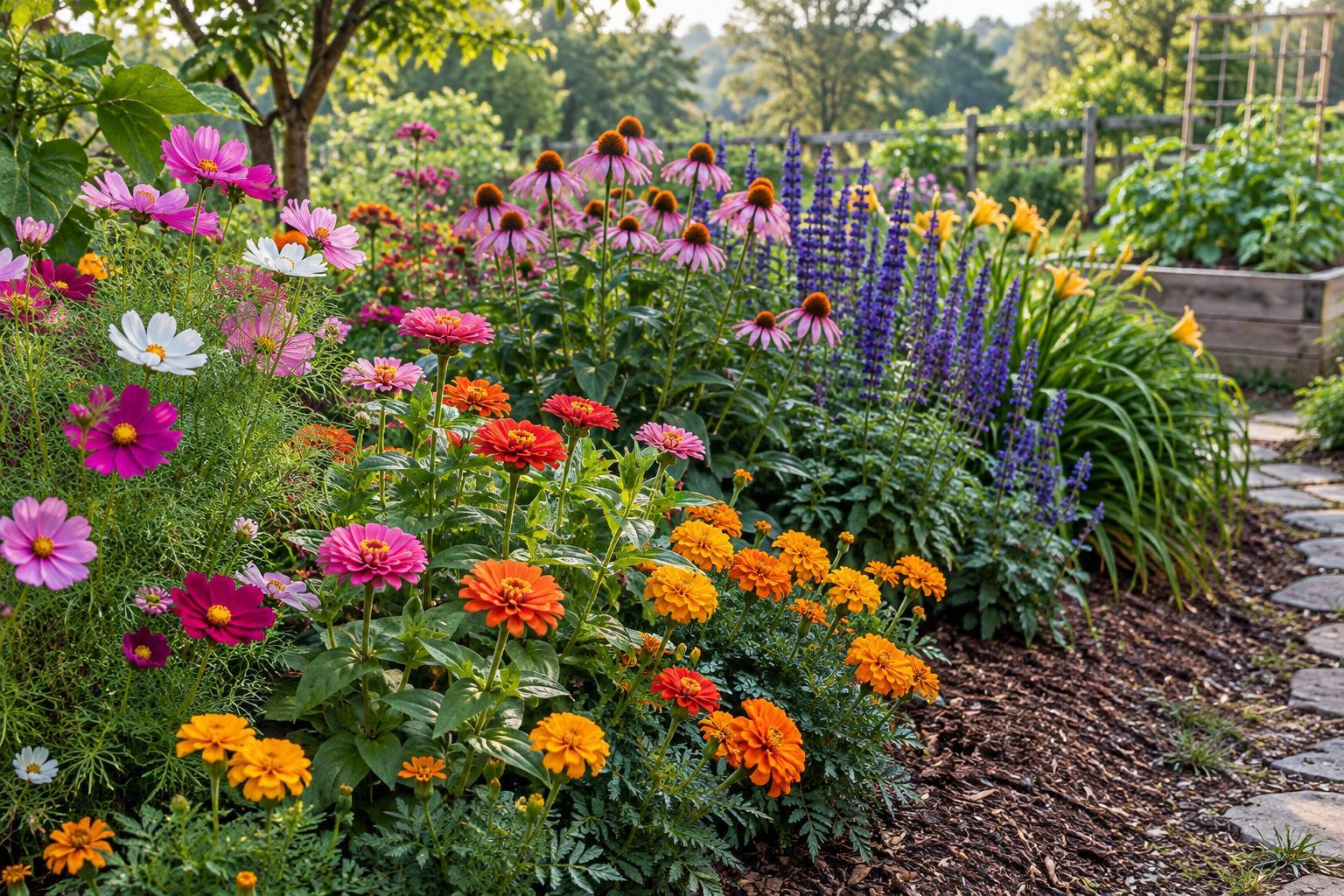
There is no need to choose annuals or perennials exclusively. A reliable perennial backbone paired with a few annual accents offers both continuity and room to experiment. Start with plants suited to the site and the available hands, then let each season’s observations guide what you keep, move or try next.