Start with a walk, not a tool
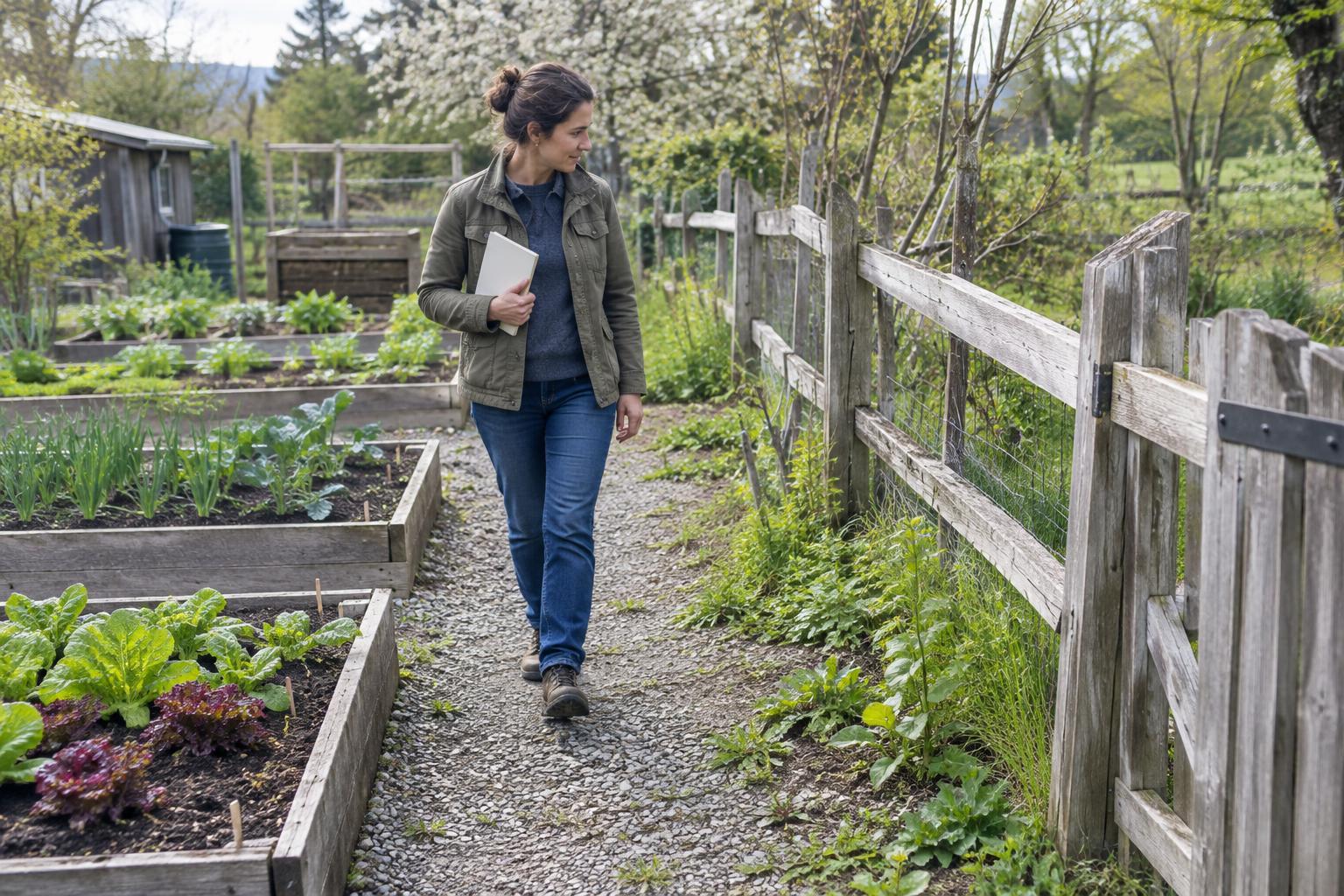
Before beginning seasonal maintenance, walk the garden at a comfortable pace and look at it from a visitor’s point of view. Can someone find the entrance, move along the main paths, and reach shared areas without stepping into a bed? Notice places where water collects, surfaces shift underfoot, plants block a route, or a gate is hard to open. A walk after rain may reveal drainage problems that are easy to miss in dry weather.
Bring a notebook or use a simple shared list. Record each issue by location and describe what needs attention rather than assigning a solution immediately. “Low spot on the path beside bed six” is more useful than “fix path.” Mark urgent hazards separately from routine work. If the garden has shared plots, note which observations call for a conversation with plot holders before anyone moves plants or materials.
Check paths for safe, clear access
Walk every route, including narrower paths between beds. Look for loose edging, exposed roots, holes, slippery leaves, scattered tools, and hoses that cross walking areas. Check whether mulch or gravel has migrated into beds or formed ridges that could catch a foot or wheel. On paved or boardwalk sections, note raised edges, rocking pieces, and damaged boards. Keep entrances and turns clear, especially where people carry watering cans or move a wheelbarrow.
Then look beyond the surface. A path that repeatedly develops puddles may need a drainage or grading plan rather than another layer of material. Where weeds are growing through the route, identify whether they can be removed without disturbing nearby crops. For quick maintenance, clear debris, put tools away, and return displaced path material to its intended place. Set aside larger repairs for a work session with suitable materials and enough help.
Inspect beds and their edges
Check each bed for signs of erosion, compacted soil, standing water, and exposed roots. Note where soil has spilled into a path or settled well below the bed edge. Raised-bed boards, blocks, or other edging should be stable and free of protruding fasteners or sharp breaks. A leaning sidewall may need attention before the bed is refilled or heavily watered. Avoid walking on growing soil while inspecting; use paths to reach what you can.
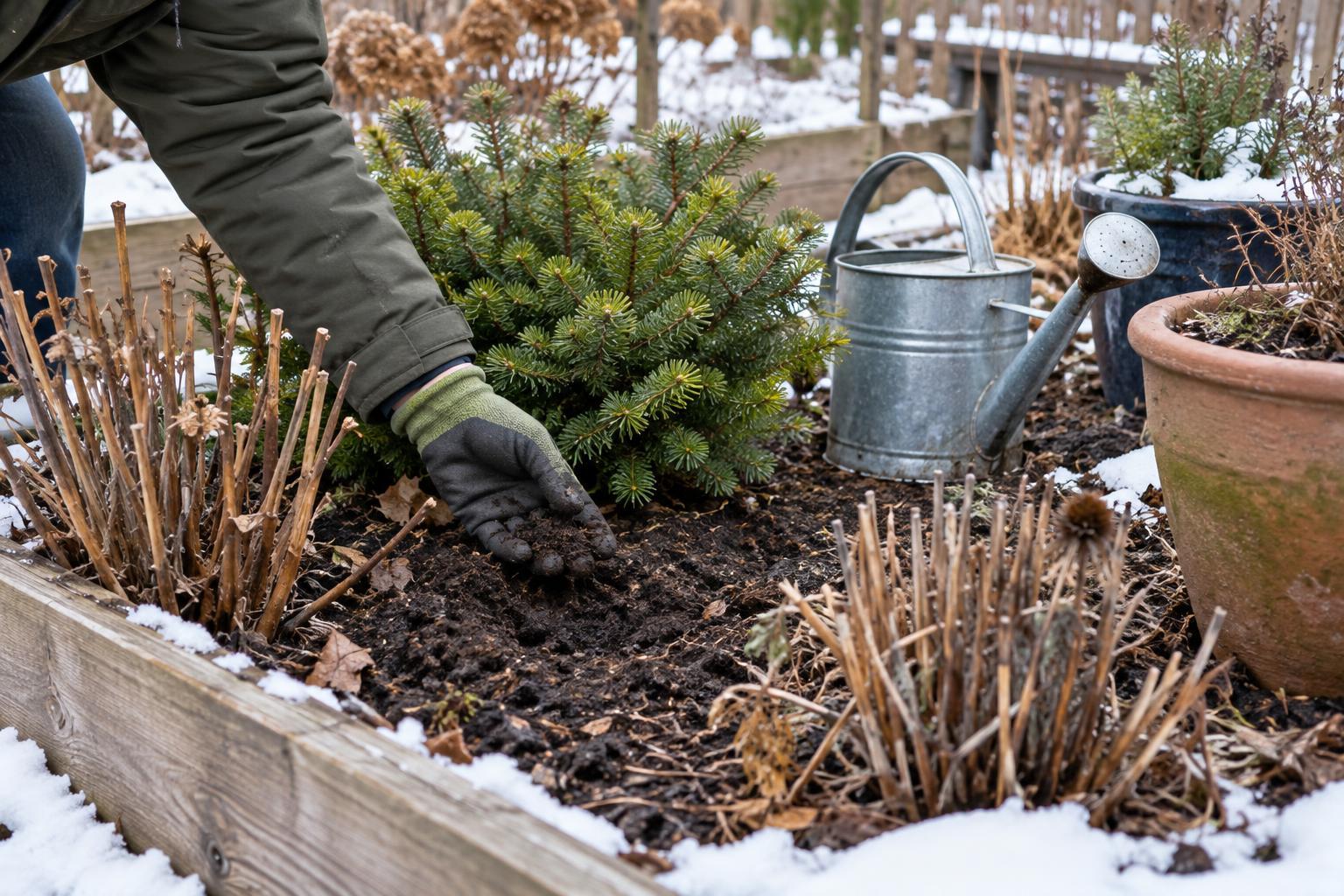
Seasonal care also means looking at what is growing. Remove plant debris that is obstructing access, but consider leaving healthy material in place if it is protecting the soil. Check supports and trellises for loose ties or stakes, and make sure climbing plants are not pulling them into paths. Before adding compost or mulch, observe whether the bed is dry, soggy, bare, or already well covered. Those conditions help guide the task instead of making every bed a candidate for the same treatment.
Test fences, gates, and boundaries
Follow the fence line and look for loose posts, broken rails, sagging wire, sharp ends, and vegetation pressing against the structure. Gently test gates to see whether they swing, latch, and close as intended. Pay particular attention to corners and areas near frequently used entrances, where wear may be less obvious from a distance. If a fence borders another property or public route, record any concern without placing materials outside the garden’s space.
Some repairs are straightforward, such as trimming plants away from a latch or tightening an accessible fitting. A post that moves at ground level or a gate that no longer hangs securely calls for a more deliberate repair plan. Until a hazard is addressed, make it visible to garden users and keep the affected route clear. If the garden uses fencing to protect crops, look for gaps near the ground as well as damage higher up.
Turn observations into a seasonal routine
Use the same basic inspection at the start of each growing season and after weather that may have changed the site. In spring, check for winter damage and drainage trouble. During active growth, watch for paths narrowed by plants and supports under strain. In autumn, clear access points and identify repairs that should not be left through colder, wetter months. Local conditions may call for a different schedule, so let the garden’s use and weather guide additional checks.
Finish each walk by sorting tasks into three groups: address now, plan soon, and monitor. Give each planned task a location and an owner or volunteer team, then note when it has been completed. This keeps a long list from becoming an overwhelming workday and makes it easier to see whether the same problem returns. A seasonal checklist works best as a record of what the garden actually needs, not a demand to rebuild everything at once.